What Does a Commercial Fire System Include?
Fire safety is critical for all businesses, but the components within commercial fire systems vary significantly between industries and functions. Fires can stem from common causes that affect any commercial property and sources unique to specific fields, so fire systems must address every threat using detection, prevention, protection, and suppression. With many options available for each component, it can be confusing to determine what’s required or encouraged for each company.
Thankfully, you don’t have to look far when considering the requirements and possibilities for your fire system. The National Fire Protection Association (NFPA), one of the leading organizations in promoting and regulating fire safety, outlines generic requirements and specific recommendations in its all-encompassing NFPA 1, Fire Code. In addition to comprehensively explaining fire safety for many industries, NFPA 1 references over 130 other NFPA codes and standards to direct business owners to other relevant resources.
What fire system components are covered in NFPA 1?
Three specific chapters within NFPA 1 directly address factors and systems, both passive and active, that impact a structure’s fire safety. Chapter 10, General Safety Requirements, addresses the fundamental responsibilities of owners, operators, and tenants. Chapter 12, Features of Fire Protection, focuses on materials and how their fire ratings impact a building’s inherent fire resistance. Chapter 13, Fire Protection Systems, details more specific requirements for fire system components. Learn about the essential subsections of these three chapters to understand what’s needed in a commercial fire system.
Alarm systems
Fire alarm systems are a necessity for businesses of all sizes and industries. From detecting emergencies to alerting people of an evacuation, alarm systems are the foundation for a structure’s fire safety. NFPA 1 details requirements and exceptions for alarms, signaling systems, emergency controls, and more to ensure every business follows adequate protocols.
According to NFPA 1, any type of fire alarm system needs at least one of the following options:
- Manual fire alarm initiation
- Automatic fire alarm initiation
- Fire suppression system monitoring
- Fire suppression initiation
- Automatic smoke detectors
- Carbon monoxide detectors

Alarm monitoring services
Not all businesses have staff on-site at all times, so professional monitoring services exist to help them ensure their fire safety measures work around the clock. NFPA 1 covers fire alarm monitoring basics and references NFPA 101, Life Safety Code, for companies that may be required to leverage these services as part of their fire system. A fire alarm monitoring company checks a structure’s fire safety system for activated detectors, false alarms, and more.
Detectors
Smoke and carbon monoxide detectors are integral to any fire safety system. Most devices can be interconnected within a structure, meaning the entire system will be triggered if a single device detects a fire or other hazard. NFPA 1 dictates specific provisions for both types of detectors, each having varying lifespans and placement requirements. Businesses must conduct regular inspections to ensure each device functions properly.
Pull stations
If a detector fails or someone sees a fire first, manual pull stations enable a building’s inhabitants to activate the entire alarm system. Pull stations are either single- or dual-action, meaning a station can be pulled with a single motion or requires an additional step to help prevent accidental activations. Requirements for the placement of alarm pull stations are detailed in NFPA 1, with more specific information outlined in NFPA 72, National Fire Alarm and Signaling Code.
Suppression systems
When a fire breaks out, a fire suppression system is your business’s most impactful line of defense until emergency services intervene. Water was once the most common material used for suppression due to its cost-effectiveness and ease of access. However, many companies now opt for alternatives since water can sometimes cause additional damage when putting out fires. NFPA 1 covers information on fire sprinklers and references additional resources in NFPA 13, Standard for the Installation of Sprinkler Systems.
Other options listed in NFPA 1 for fire suppression materials can include:
- Dry chemicals
- Wet chemicals
- Clean agents
- Inert gasses
- Carbon dioxide
Fire extinguishers
While portable fire extinguishers are not technically a system, they are critical to a building’s overall fire safety. If someone in a structure sees a fire start, they can use a fire extinguisher to try to contain the flames. NFPA 1 states that different fire extinguisher types may be needed depending on the fire class a business can expect to encounter. Many standard businesses can leverage extinguishers rated for Class A, B, and C fires, while companies in the restaurant industry often need Class K devices.
Does NFPA 1 cover any non-equipment components?
In addition to physical elements, NFPA 1 mentions essential practices, inspections, and measures contributing to commercial fire safety. When combined with fire system components, these additional requirements help to ensure that business personnel are prepared for emergencies. While several non-equipment components are mentioned throughout the code, the most important one is emergency action plans (EAPs).
The NFPA and the Occupational Safety and Health Administration (OSHA) require all businesses to create and regularly update their EAPs to help prevent property or life loss. An EAP ensures that every employee knows how to react in an emergency, whether it’s a building fire or a natural disaster. Businesses with 10 or fewer employees can have a verbally communicated EAP, while those with more than 10 must publish a written one.
NFPA 1 lists these requirements for EAPs:
- Emergency reporting procedures
- Occupant and employee responses
- Evacuation or shelter-in-place steps
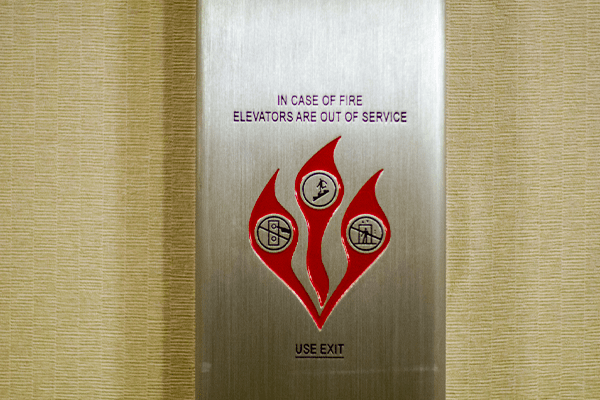
- Elevator use policies in emergencies
- Creation and implementation of drills
- Fire and life safety system integrations
Understanding commercial fire safety aspects and integrating the appropriate solutions into your building can be demanding, especially while trying to run your business. At FSS Technologies, our service technicians are here to assist you. From ensuring compliance with ADA requirements to following commercial fire code regulations, our team of experts can evaluate your business and create a customized solution tailored to your unique needs and risks. We provide access to high-quality products from manufacturers such as Kidde, monitoring services for around-the-clock protection, and support before, during, and after the installation of your system. Contact us today to learn more.
Explore Our Other Blogs
3 Types of Security Lights
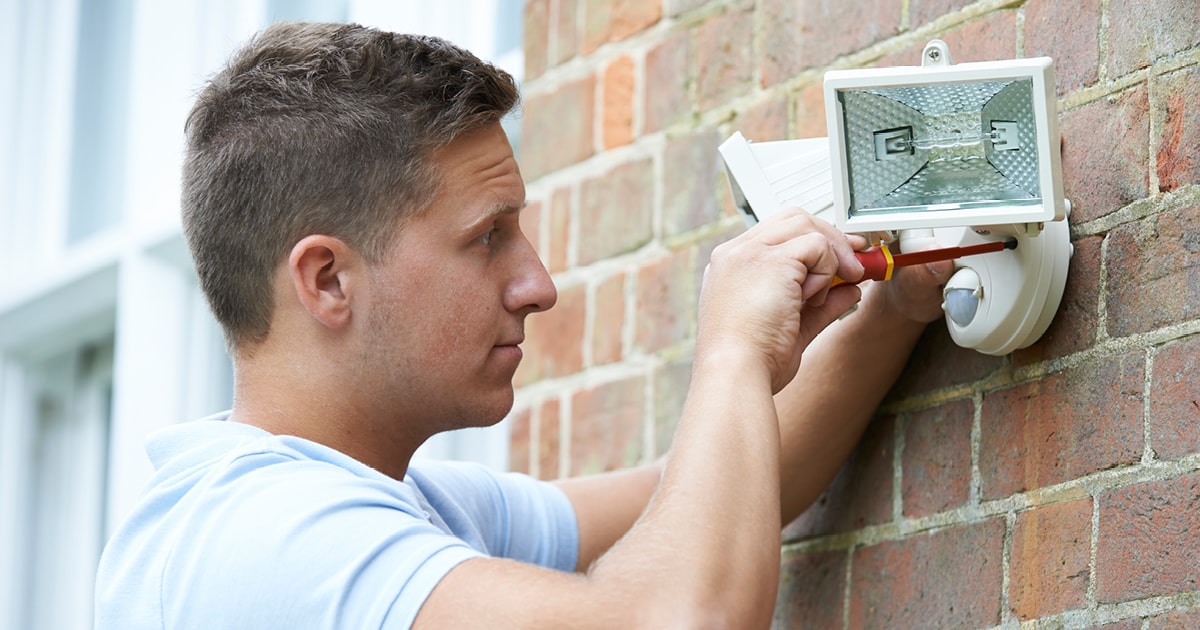
Your security system is only useful if you can see what is going on when you can’t be there. This also means that when it gets dark, your cameras need to be able to capture the image clearly. To do this past dusk will require that you set up security lighting. Additionally, check out the…

The Cost of Alarm Monitoring vs. the Cost of a Break-In
Property crime in the United States is costly. According to the FBI’s Uniform Crime Reporting (UCR) program, property crimes in 2018 resulted in an estimated $16.4 billion of losses. The Cost of Crime Larceny-theft is the most common of all property crimes, accounting for 73.4 percent. Larceny-theft is defined as the unlawful taking, carry, leading,…

How Your Internet Speed Affects Your Security System
Internet speed is a precious commodity in today’s connected homes. Internet speed is responsible for how quickly or slowly data moves from the internet to the application on your computer. Things like your mobile phone, television, computer, gaming system, and even appliances use the internet. And your home security system probably does too. The average…
The Only SimpliSafe Review You Need to Read
What is SimpliSafe? SimpliSafe is one of several do-it-yourself home security systems on the market. The challenge with any DIY home security system, in our opinion, comes down to the customer experience. SimpliSafe’s customer support offers minimal assistance to ensure you adequately install and troubleshoot your system. While they do provide an 800-telephone number, the…

Fire Systems for the Restaurant Industry
Companies in varying industries face fire hazards in their standard operations to a certain degree. Businesses that operate commercial kitchens, however, are at significant risk for fire-related hazards because cooking equipment is a leading cause of commercial fires. According to the U.S. Fire Administration, an estimated 50% of non-residential fires were caused by cooking in…
Where Should Smoke Detectors Be Placed?
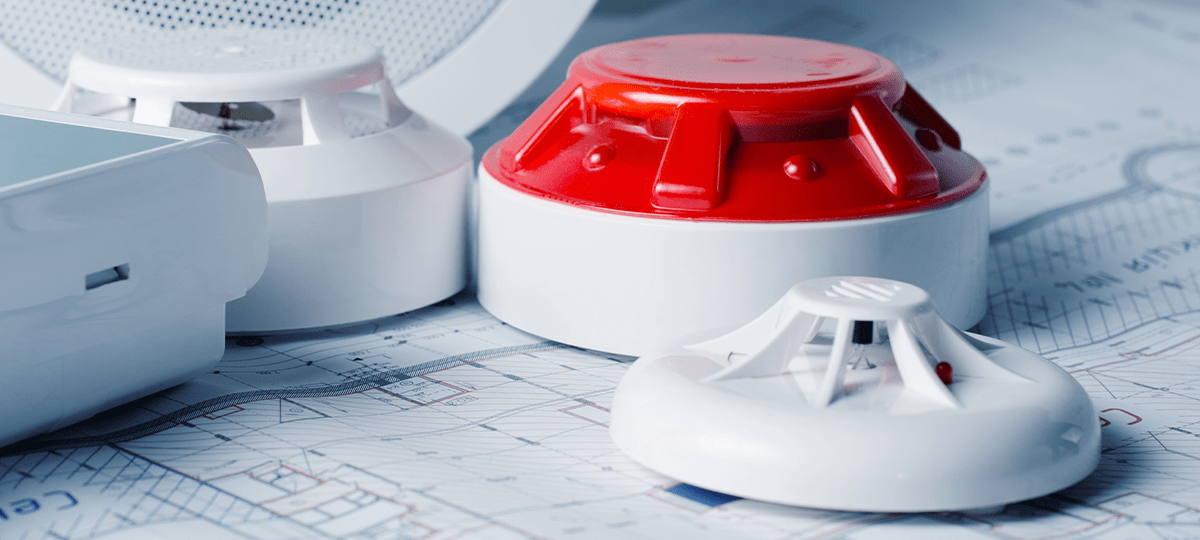
Smoke Detector Placement Fire can spread extremely fast. In just minutes, a building can be fully engulfed in flames. Smoke detectors are critical to give people inside homes and commercial buildings early warnings so they have time to get out. Proper smoke detector placement is also key when it comes to keeping your home or business safe. Residential Smoke Detector Placements At a minimum, The National Fire Protection…
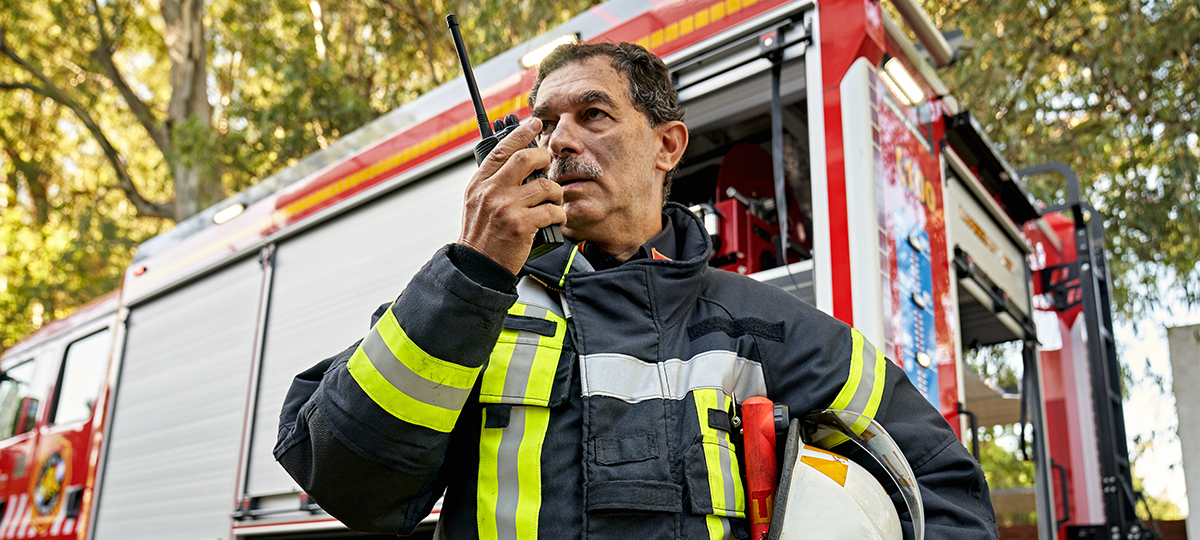
What are BDA Systems?
As technology continues to evolve and building codes grow more stringent, bi-directional amplifier (BDA) systems are no longer just a luxury—they’re a critical component in ensuring your building’s safety and compliance. Whether you’re a property owner, facilities manager, or contractor, understanding BDA systems is essential, and choosing the right partner for installation makes all the difference….
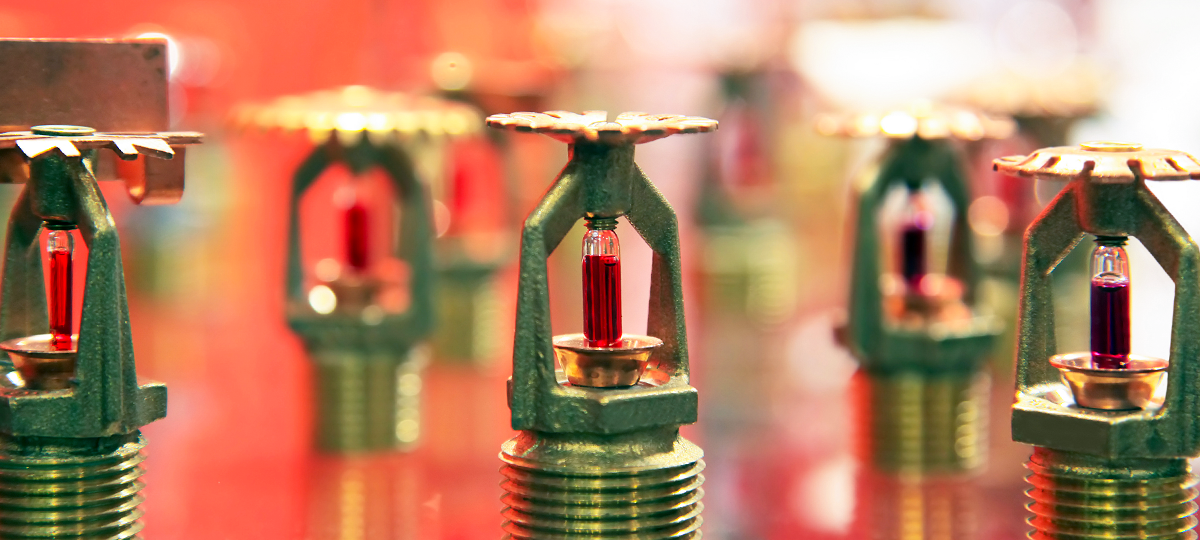
How Do Residential Fire Sprinklers Work?
Residential units are essential pieces of many commercial and mixed-use developments. Whether you’re building townhomes, low-rise apartment complexes, or single-family dwellings, fire protection requirements extend beyond nearby commercial spaces. Builders and general contractors must understand how residential fire sprinkler systems work, how they differ from commercial systems, and which codes apply to different projects. While…

Cons of DIY Home Security Systems
When considering getting a home security system, some people might assume they can set up a fully functioning system themselves. The reality is that DIY systems come with some significant drawbacks. Here are some of the things to consider before you decide to take on this project yourself. Not Professionally Installed The importance of having…
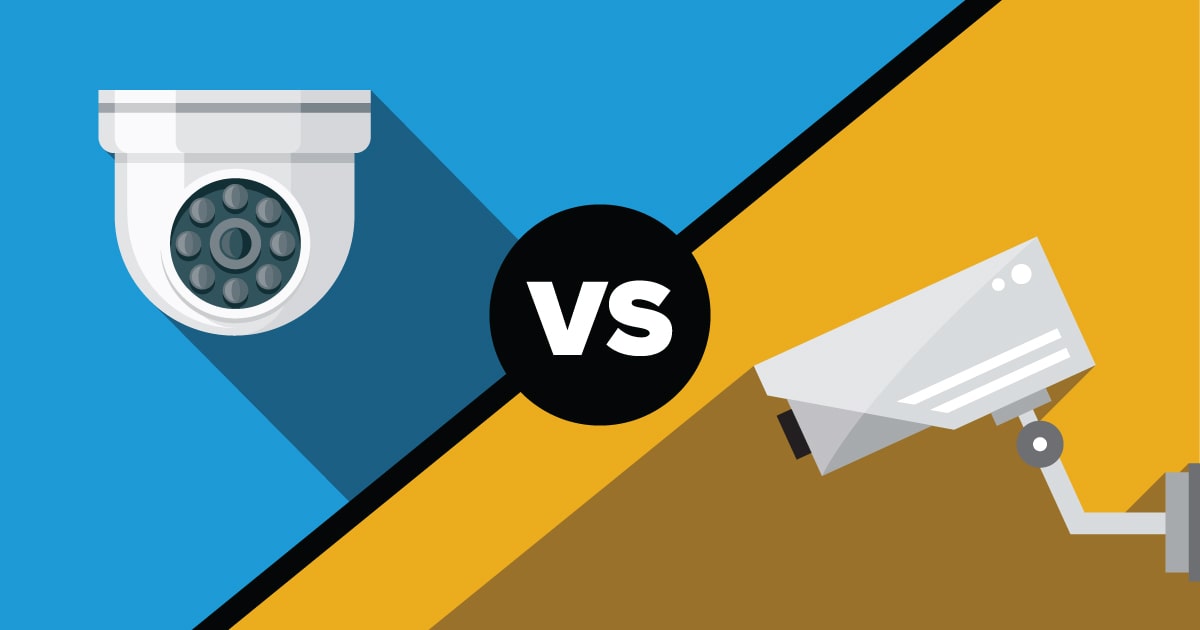
Dome vs. Bullet Cameras: Key Differences
Security cameras are an integral part of a security system in any home or business. They give you access to a video stream of what is happening inside a building or on your property while also giving the owner the ability to look back on footage if necessary. There are many different types of CCTV cameras out…