What Matters in a Fire Alarm Inspection?
At FSS Technologies, we understand that safety and reliability are paramount when it comes to fire alarm systems. While installing commercial fire safety systems is a critical first step in protecting your business, your efforts can’t stop there. Fire alarm inspections are just as necessary to ensure your building is prepared for emergencies. Learn about what matters most when conducting an inspection and identifying common issues.
What should a fire alarm inspection prioritize?
When it comes to fire alarm inspections, different things matter between the company conducting the assessment and the business being reviewed. Even with those differences, there’s a considerable overlap in the goals that matter most. Here are four things that our expert team prioritizes to ensure our clients make the most of their system inspections.
1. Compliance with regulations
Understanding and adhering to local, state, and national fire safety codes is crucial. For example, the National Fire Protection Association (NFPA) sets standards for fire alarm systems in NFPA 72, the National Fire Alarm and Signaling Code®. NFPA 72 is one of dozens of codes your business needs to comply with, and any failures can result in fire safety code violations. Our team is well-versed in all applicable codes for your area, ensuring your system meets all necessary standards.
2. Thoroughness of inspection
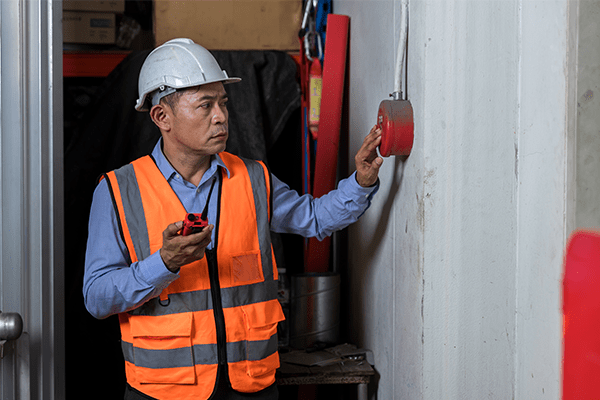
When inspections can identify issues before they create life-threatening consequences, they need to be in-depth and exhaustive. A detailed checklist covering all components is essential for a successful inspection. Every device, from smoke detectors to alarm panels, must be checked and tested for potential problems. Our service experts meticulously examine every aspect of your system, leaving nothing to chance.
3. Professional expertise
Businesses need to partner with well-trained and certified inspectors. Certifications from the National Institute for Certification in Engineering Technologies (NICET) and other certifying authorities confirm a professional’s expertise in fire safety technologies and best practices. Our team earns NICET certifications, plumbing licenses, and BuildingReports certifications to guarantee our clients receive top-notch services.
4. Documentation and reporting
An often-forgotten inspection component is the need for accurate and comprehensive documentation. NFPA 72 specifies reporting requirements for alarm inspections, such as listing each device’s location and condition separately. Even if they prepare for inspections, businesses could still violate codes without proper documentation. We provide detailed reports to help you maintain records and address issues efficiently.
What are some common issues found during inspections?
Our expert service technicians conduct fire alarm system inspections for various types of businesses, from restaurants to manufacturers. Despite significant differences between industries, they often encounter similar malfunctions and problems. Here are four of the most common issues identified by our team during alarm inspections.
1. Faulty detectors
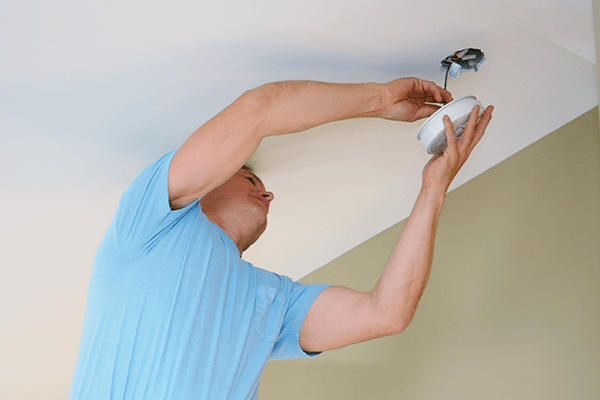
Dirt, dust, and other debris can impair the function of smoke or heat detectors, whether they’re two months or two years old. Additionally, some devices and systems may experience reduced performance if used past their replacement dates. Any factors that affect the devices in your system can easily compromise your safety.
2. Wiring problems
Damaged or loose wiring can cause significant headaches through false alarms or disconnected devices. In more serious situations, wiring issues can lead to system failures that don’t become obvious until it’s too late. Checking for these issues is paramount to avoiding unseen problems that are almost entirely preventable and easily fixed.
3. Control panel errors
Errors or faults on your fire alarm control panel can simply mean that your panel needs quick updates or fixes. In other cases, panel errors could indicate underlying system issues that need immediate attention. If several issues are found with a conventional fire panel, it may be time to consider switching to an addressable panel.
4. Malfunctioning notification devices
Audible alarms may not work correctly, and there’s no telling if there’s an issue unless they’re inspected. The same goes for any visual alarms that notify individuals with hearing impairments. If any regular or ADA-compliant notification devices don’t work, anyone in your building may not be able to evacuate quickly in an emergency.
Our commitment to service over price
At FSS Technologies, the cost of an inspection is competitive, but it isn’t our primary focus. Instead, we prioritize delivering exceptional services to the businesses we support. Safety should never be compromised for cost, and we’re dedicated to ensuring your systems are in optimal condition. Our experts hold the credentials needed to ensure we provide comprehensive, reliable inspections that meet all regulatory standards.
Whether you’re managing a small building or a complex facility, our team is here to help you maintain a safe environment. With our experience and qualifications, FSS Technologies delivers the thorough, reliable service and support your business deserves. Contact us today to schedule your inspection and experience the difference by working with true professionals.
Explore Our Other Blogs

Can Video Surveillance Be Used In Court?
You should talk to a law enforcement professional in your area to know for sure what is admissible in your local court, but here are some general guidelines about criteria that law enforcement will take into consideration regarding your security camera video. Authenticity A digital watermark is undetectable to the human eye, but it can…

What to Do If a Package Is Stolen
According to a recent study, nearly one in four people report being a victim of package theft and nearly half know someone who has had a package stolen. Of course, the uptick in package theft is not that surprising, considering consumers purchased $2.86 trillion in online retail goods in& 2018. Many of these items land squarely in…
FAQs About Fire Alarm Inspections
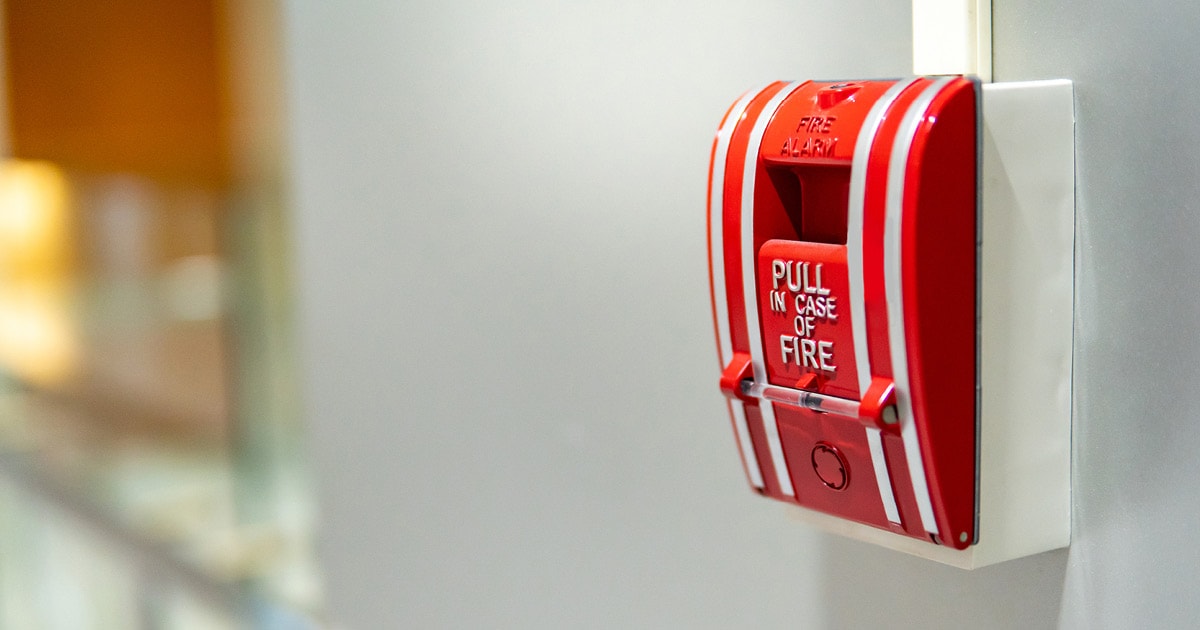
Fire alarm inspections are a critical part of protecting people, property, and business continuity. For commercial building owners, property managers, and facility teams, these inspections are not just a regulatory obligation—they are an essential safeguard that helps ensure fire alarm systems will function when they are needed most. Understanding how fire alarm inspections work, what…
Security Camera Resolutions Explained
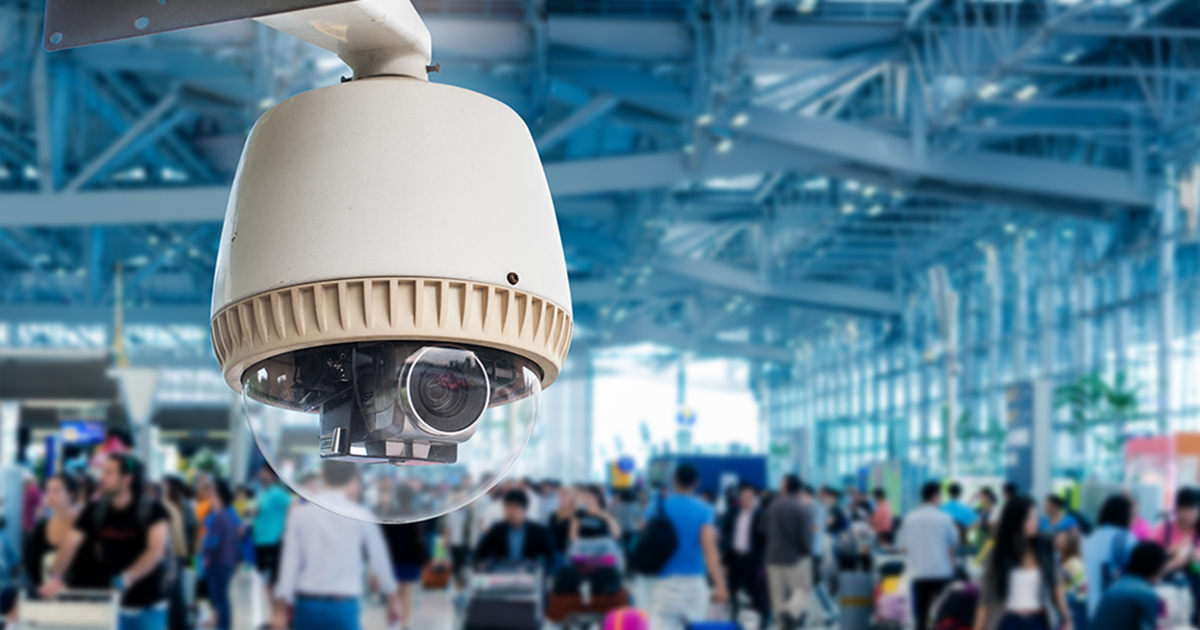
Different Security Camera Resolutions and Which is Right for You Welcome to the 2020s—it’s finally time to pull the trigger and get a home security camera. Now what? There are a baffling number of cameras and resolutions available on the consumer market, but the math behind figuring out what you want in a security camera…

Residential vs. Business Security
What is the difference between a commercial and a residential security system? Commercial real estate is a property type that is only for business or retail purposes. Residential real estate is a property type specifically designed for living purposes, if it is four units or less– anything larger than that is considered a commercial property….
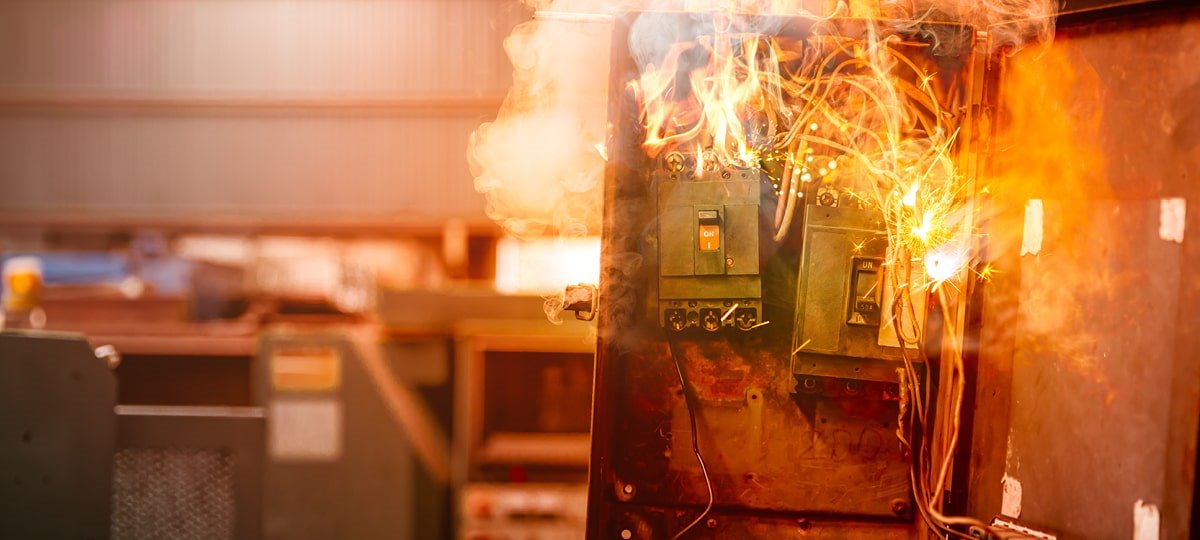
How Fast Can Fire Spread?
What Is Fire? Fire is the result of a chemical reaction called oxidation. Oxidation is the combination of oxygen with another substance. In the case of a fire, the oxidation happens so quickly that light, heat, and sound are released. A fire needs oxygen, heat and fuel to burn. These factors are frequently referred to…

5 Common Fire Safety Violations
For business owners, maintaining a commercial fire safety system is crucial for day-to-day protection. Ensuring your system and its components are in order is especially important when your business’ fire inspection occurs each year. Even if you do everything you can to prepare for your next fire inspection, you may only realize you missed something…

Inside the Mind of a Burglar
What Message Are You Sending? Whether you know it or not, your business could send a message to potential burglars about how easy or difficult it is to break in. Professional thieves can quickly assess a property, also known as “casing,” to determine if it could be an easy and lucrative target. Unfortunately, many employees…
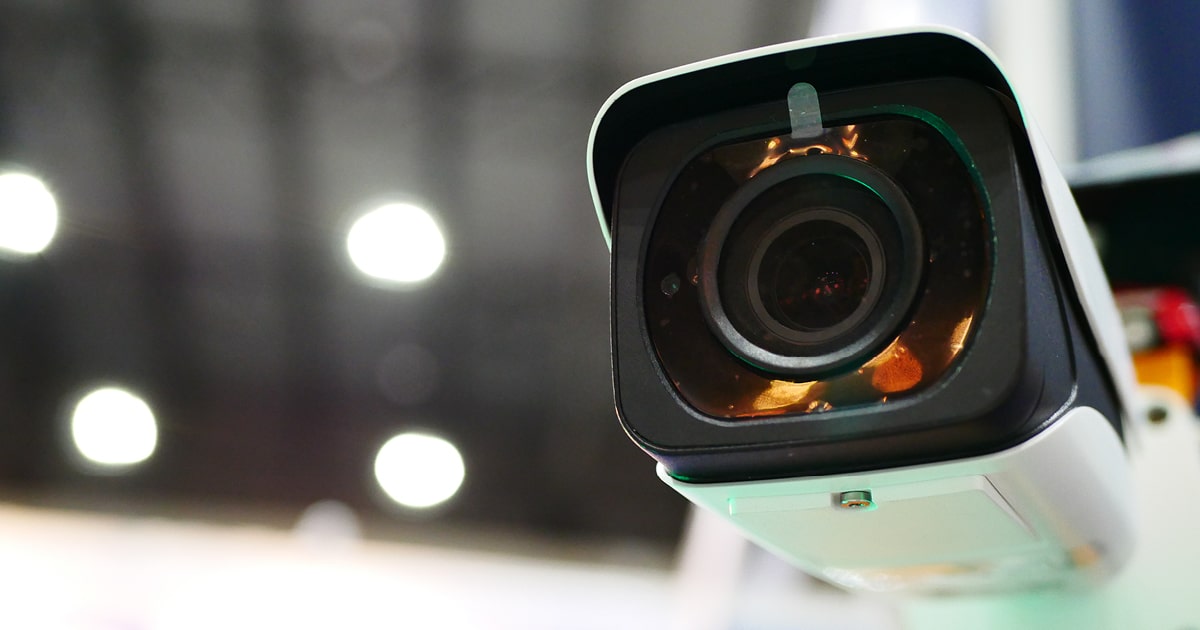
Analog vs. IP Cameras: Key Differences
When you are considering different security systems and potentially implementing surveillance cameras into your home or business, a big question is whether you want IP or analog cameras. Global Market Insights estimates that the IP camera market will be worth more than 20 billion by 2025. With today’s technology both IP and analog systems can be viewed…
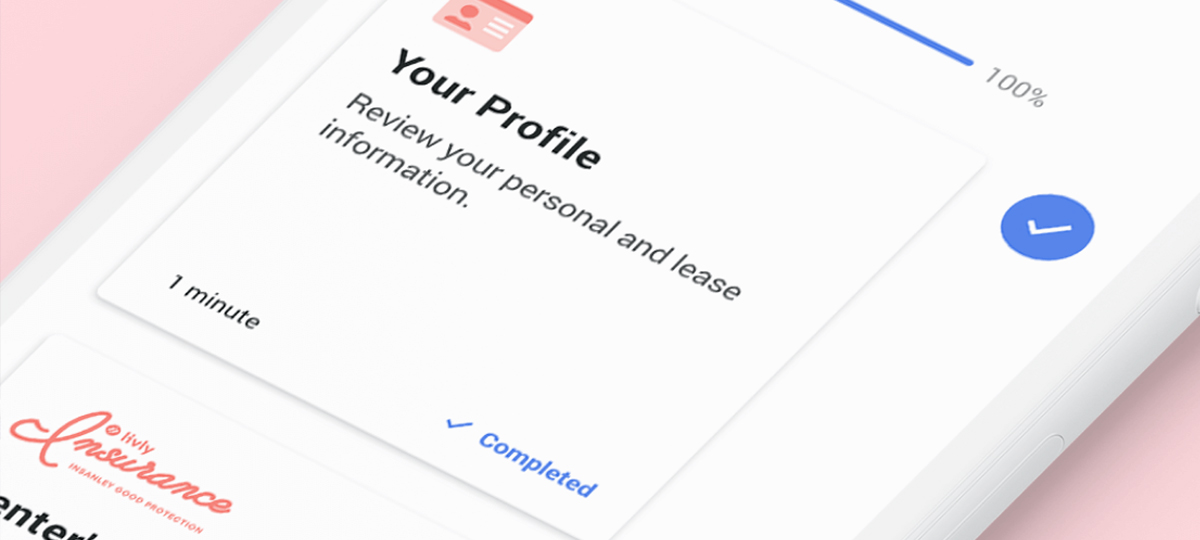
Livly: A Modern Residential Community Experience
The Livly property and tenant management system is one of the most cutting-edge and all-inclusive apartment app experiences available today. The system offers low-cost technology and fully integrated experiences that pair well with a variety of existing property management systems. As a proud partner with Livly, FSS Technologies offers this trusted technology solution for both…