Empowering Security with Industry-Leading Systems
At FSS Technologies, we partner with the best in the industry to deliver world-class security solutions, and Digital Monitoring Products (DMP) stands at the forefront of this innovation. DMP systems are renowned for their advanced capabilities, reliability, and versatility, making them the perfect choice for any security need across various industries.
DMP security systems are designed to adapt to the unique needs of different verticals. Whether it’s securing a commercial office, retail establishment, industrial facility, educational institution, or healthcare setting, DMP offers customized solutions. Their cutting-edge technology ensures robust protection, seamless integration, and unparalleled performance.
For businesses with unique needs, such as multi-site management or high-security requirements, DMP’s scalable solutions ensure you’re always protected. Need to manage access credentials? No problem. Want to monitor your property from a mobile app? DMP has you covered.

Features
Frequently Asked Questions
FSS Technologies partners with Digital Monitoring Products (DMP) to deliver commercial security systems designed for reliability, scalability, and cross-system integration. Systems are installed and maintained by certified technicians, with options for professional monitoring and remote management through DMP’s platform.
Key factors include the size and layout of your facility, the types of threats relevant to your industry, integration requirements with existing video or access control systems, whether professional monitoring is required by code or insurance, and whether your operations call for cloud-based or on-premise system management.
Yes. Modern commercial security systems offer remote access through apps or web portals, allowing users to arm and disarm zones, view real-time alerts, check system status, and manage credentials from any device. For organizations managing multiple locations from a single platform, FSS Technologies also offers cloud-based security solutions with centralized control.
Yes. Commercial-grade security systems integrate with access control, video surveillance, fire alarm systems, and building automation, such as lighting or HVAC. Integration improves situational awareness by linking related events across systems and simplifies management through a shared interface.
False alarms can be reduced by using dual-technology motion sensors, customizing arming schedules to match occupancy patterns, training employees on correct system use, setting appropriate entry and exit delays, and maintaining the system regularly. Video verification enables the monitoring center to visually confirm threats before dispatching authorities.
Related Blogs

POTS Phase-Out: Impact on Life Safety Systems
When businesses hear about the POTS line phase-out, they often think only of desk phones. In reality, traditional copper phone lines have supported a much wider range of building systems, including fire alarms, security systems, elevator phones, and more. As carriers continue moving away from copper infrastructure, those connections may become more expensive, less reliable,…
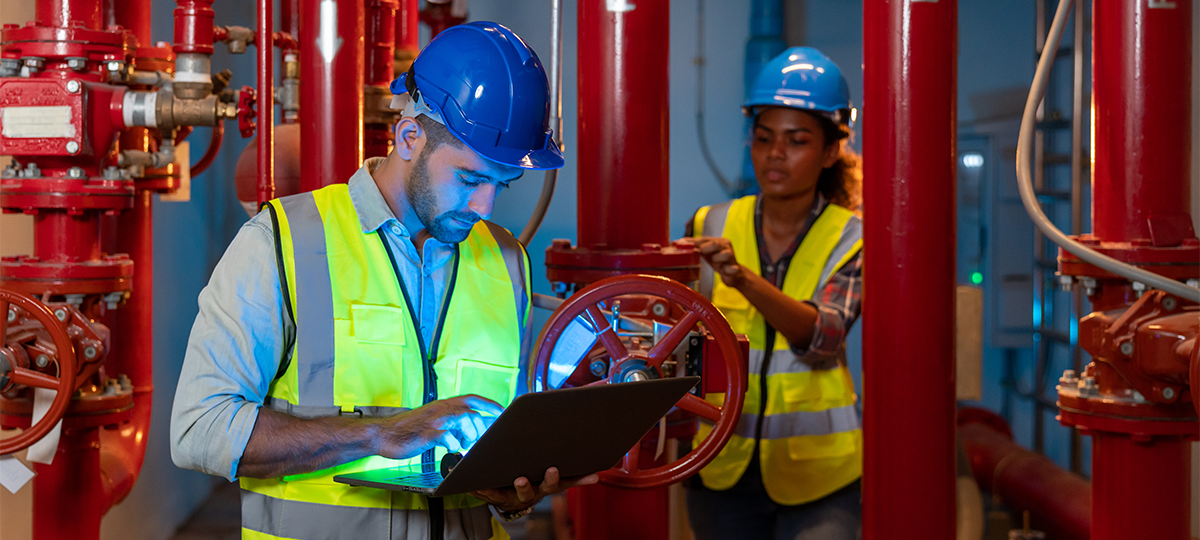
Winter Fire and Security System Maintenance Tips
Winter weather often comes with operational headaches and hazards for business owners. Long periods of cold temperatures and snowfall can impact companies in different ways, from reducing foot traffic to extending process timelines. One of the most noticeable impacts is an uptick in fire safety and security device issues, especially if you have yet to…
Can a Security System Save My Business Money?
If you’re a business owner, you know the importance of weighing the pros and cons of major purchases before making them. A commercial security system is one of the higher-ticket items that can cause the most significant hesitation. While they can take large investments to purchase, install, and maintain, security systems can offer long-term savings…

How Poor Security Can Cost Your Business
Poor security practices have hidden costs With the many expenses that business owners must juggle for day-to-day operations, security often falls by the wayside. Even though it seems like an easy way to save money, the cost of handling a break-in can surpass the money you’d spend on installing and maintaining a security system. Here…

Items Burglars Want Most
Burglars move quickly. Because they tend to spend as little as ten minutes inside a home or business, several big-ticket items tend to fall prey to thieves. While some items on our list come to mind instantly, some may be more subtle. Outside of installing a security system, taking extra steps to secure your items…

How Landscaping Affects Your Security
Visibility When it comes to the landscaping around your home or business, there are several considerations to keep in mind that could affect your visibility and overall security. While some suggestions to increase visibility and reduce obstructions may seem obvious, others are more subtle and could have a considerable impact. Lighting Having adequate lighting around…

Motion Detector Installation Basics
Motion detection devices are a crucial component of any security system, commercial or residential. They allow owners to cover a relatively large amount of space with a small number of devices. Motion detectors also are known to detect activity that window sensors might miss. When it comes time to install motion detection devices, remember these…

Which Businesses are Burglarized Most?
The idea of business theft and burglary is not a pleasant one; however, the likelihood of your business being burglarized is rather high. In fact, approximately 37% of small business owners were impacted by burglary or theft over the past year. Retail businesses in particular are highly targeted as thieves are seeking the opportunity to either use or resell stolen items. Everything from simple shoplifting to employee theft can contribute to overall business…

Renter’s Insurance Discounts and Security Systems
Home invasions or burglaries are a threat to any household, regardless of where they are located. One of the biggest deterrents for burglars is a home security system that could record evidence of their actions or could notify the authorities at the time of a break-in. This is a huge motivator for homeowners when deciding…

Home Insurance Discounts and Security Systems
Home invasions or burglaries are a threat to any household, regardless of where they are located. One of the biggest deterrents for burglars is a home security system that could record evidence of their actions or could notify the authorities at the time of a break-in. This is a huge motivator for homeowners when deciding…