ADA Compliance for Fire & Security Systems
The Americans with Disabilities Act (ADA) was created to stop discrimination against and to ensure the rights of people with disabilities. It serves as an equal opportunity law for people with disabilities, defined as “physical or mental impairment that substantively limits one or more major life activities.”
For businesses, the ADA means that the services and physical locations of an organization need to be as accessible as possible for people with disabilities.
Business Requirements
Title III of the ADA deals specifically with the requirements for businesses and non-profits.
The text of the law is vague. You may be surprised the law doesn’t outline specific measures required in all buildings. It is up to businesses and property managers to determine the needs of the facility based on two broad goals of the Act.
Most are aware it’s their responsibility to remove any structural obstacles that would impede someone from entering and navigating their building. But they are also legally obligated to eliminate any barriers that could undermine a person’s safety during an emergency.
People with disabilities face different complications during an emergency crisis, which impacts the type of fire and security system components businesses have in place.
For instance, an audible fire alarm is not helpful for someone who is hearing impaired so visual fire alarms include flashing strobe lights to indicate an emergency to occupants of a building who may be hearing impaired.
People who are mobility impaired may require additional assistance to get out of harm’s way and may not be able to navigate stairs. This means that an alternate means of alerting emergency responders to their location should be a part of your emergency evacuation procedures. Some building codes require an Area of Refuge as part of a building’s fire security measures to provide a place where those with mobility issues can safely wait for assistance.
Speech impaired people need alternative ways to communicate in a crisis. People with cognitive impairments could require more uncomplicated instructions, which may be challenging to deliver in a crisis.
Employers and landlords must provide reasonable accommodations to qualified individuals with disabilities. If there is a deficiency, an employee must request a workplace accommodation relating to a medical condition.
For example, consider if the fire alarm pull stations in your business are installed at a reasonable height for someone in a wheelchair?
The ADA does not set a specific time frame for responding to an accommodation request; any unnecessary delay may result in failure to accommodate or retaliation claims. Consequently, employers should begin the reasonable accommodation process as soon as a request is received.
Resources to Help
As a business owner, how can you make your security and fire protection systems ADA compliant?
Begin by conducting a risk assessment of your systems. It’s a good idea to do this on an annual basis. Guidance is available from several sources, among them:
- The National Fire Protection Association – The NFPA has nearly 300 codes and standards available for free online that reflect industry needs and evolving technologies.
- International Code Council– The IBC helps preserve public health and safety via safeguards from hazards associated with the built environment. It addresses the design and installation of materials that meet or exceed public health and safety goals.
- OSHA – The Occupational Safety and Health Administration (part of the US Department of Labor)
- HUD – The Department of Housing and Urban Development features the Fair Housing Act Accessibility Guidelines as well as the Uniform Federal Accessibility Standards.
- State and local building inspectors and zoning boards are also a worthwhile resource for any language specified in your area.

Consequences for Not Complying
Failure to comply with requirements for eliminating barriers or making reasonable accommodations can lead to severe consequences. While the Department of Justice may not sue a party unless negotiations to settle a dispute have failed, the DOJ may file lawsuits in federal court to enforce compliance. The courts, in turn, may order compensation for damages and back pay to remedy the discrimination if the DOJ wins the case.
Under Title III, the DOJ also may obtain civil penalties up to $55,000 for a first violation and $110,000 for any subsequent ADA compliance violation.
Not willing to risk those kinds of penalties? As always, we’re ready to work with you to create an ADA compliant security or fire protection system individually designed to meet the needs of you and your employees and customers.
Contact us today to learn more.
Explore Our Other Blogs

DIY Security Systems
DIY home security systems have been on the market for years, offering homeowners the ability to order and install a simple-to-use system for their property. A DIY system often boasts cheap and easy security solutions for a home but are not the right fit for all homes. Cost-Benefits As with almost everything in life, cheaper isn’t…

How Poor Security Can Cost Your Business
Poor security practices have hidden costs With the many expenses that business owners must juggle for day-to-day operations, security often falls by the wayside. Even though it seems like an easy way to save money, the cost of handling a break-in can surpass the money you’d spend on installing and maintaining a security system. Here…
What are BDA Systems?
As technology continues to evolve and building codes grow more stringent, bi-directional amplifier (BDA) systems are no longer just a luxury—they’re a critical component in ensuring your building’s safety and compliance. Whether you’re a property owner, facilities manager, or contractor, understanding BDA systems is essential, and choosing the right partner for installation makes all the difference….

What to Do if Someone Breaks into Your House
Arriving home to find that your home has been burglarized is one of the worst feelings someone can have. You’re left feeling raw, vulnerable, and angry. In this time of high stress, it may be hard to put your thoughts together to remember everything that now needs to be done. We have put together a list…
When Is Automatic Fire Detection Required?
A fire detection system is a good idea for your property, and many insurance companies offer discounts based on your level of protection. While not required in your private residence, the law does require automatic fire detection in a wide array of other facilities. Local Building Code Requirements Your state’s building code will spell out…

DIY Home Security Cameras
DIY Security Systems Are the New Fad There are many pre-configured, DIY home security system kits on the market. They are sold under various brand names including Ring, Nest, SimpliSafe, and others. The basic idea of a DIY home security system is that you pay one low fee to purchase all of the equipment and…
What are the Best Outdoor Security Cameras?
Outdoor security cameras do more than record what happens around a property—they help you see clearly, respond faster, and document events when you need answers. Whether you’re protecting your home’s front porch and driveway or monitoring your company’s parking lot, loading dock, or perimeter gate, the “best” outdoor security camera is the one that fits…
Choosing a Safe Neighborhood in Chicago
There are a lot of great places to live in Chicago. From the historic vibe of Printers Row to the ultra-stylish River North, there are neighborhoods to fit every personality. But are they safe? It turns out, many of them are. According to Niche.com—which ranks neighborhoods based on crime, schools, cost of living, etc.—the short commuting times…
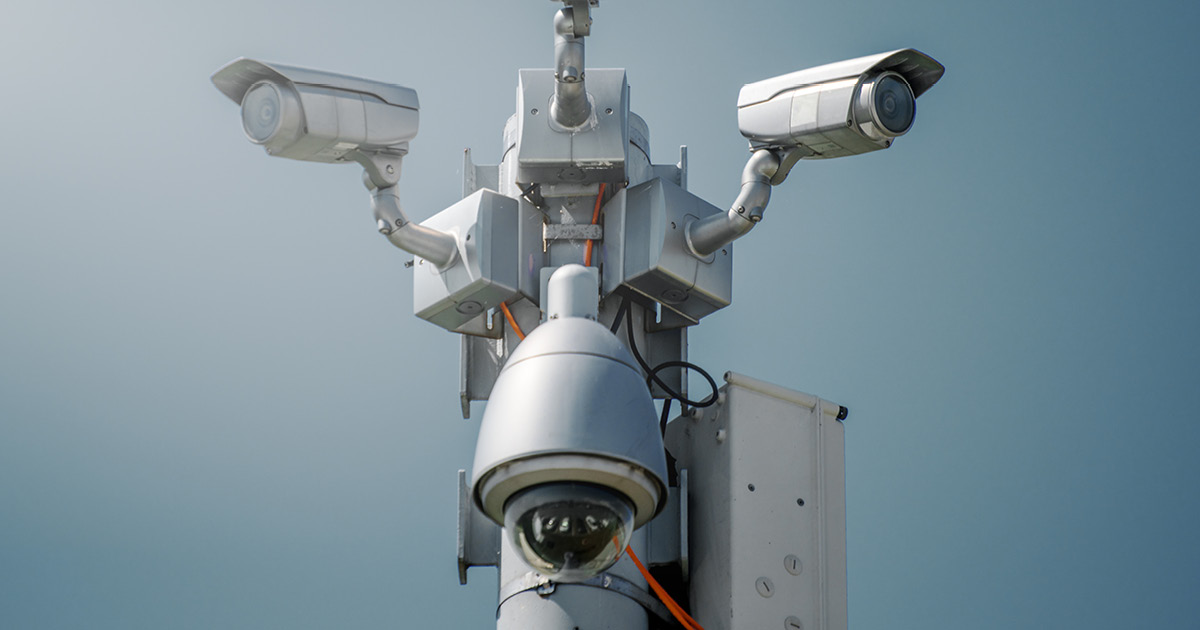
What Are The Different Types of CCTV Cameras?
Your company’s security camera is part of a closed-circuit television system (CCTV). CCTV uses one or more cameras, through either wireless or wired transmission, to send the broadcast from the camera directly to a monitor, set of monitors, or a recording device—providing you peace of mind in the case of crime, fire, theft, or accidents…
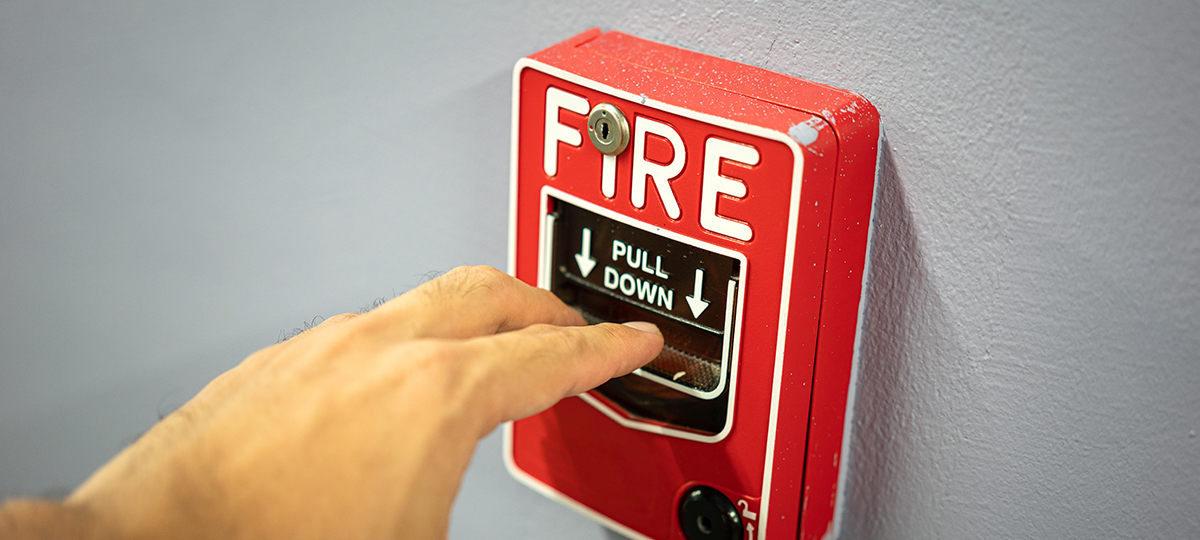
What is a Manual Pull Station?
A manual pull station is a wall-mounted fire safety device that triggers an alarm in the event of an emergency. Pull stations are commonly found in many public buildings across the United States and Canada. Most people have seen them, and some have possibly even pulled one before, whether for a real emergency or a…