World-Class Service for Video Surveillance Excellence
When it comes to video surveillance, FSS Technologies sets the standard with world-class service that rises above the competition. Whether your needs involve on-premise or cloud-based systems, we deliver customized, cutting-edge solutions designed for any size and scope.
FSS Technologies is committed to using only the best and most secure equipment. That’s why we exclusively work with NDAA-compliant systems, ensuring that our products meet the highest standards of security and regulatory requirements. This commitment to quality protects our clients from vulnerabilities and guarantees long-term reliability.
We partner with top-tier manufacturers to provide the most advanced technology on the market. These partnerships allow us to design and implement tailored video surveillance solutions that are robust, scalable, and easy to use. From basic setups to sophisticated enterprise systems, FSS Technologies has the expertise to meet any challenge.
Whether you require a single camera for a small business or a multi-location enterprise system with hundreds of cameras, FSS has you covered. Our team has extensive experience designing, installing, and servicing systems of all sizes. With a focus on seamless integration and user-friendly interfaces, we ensure every system operates flawlessly and efficiently.

Features
Frequently Asked Questions
FSS Technologies designs and installs NDAA-compliant video surveillance systems using top-tier manufacturer partnerships, supporting both on-premise and cloud-based configurations. Systems are backed by professional installation, ongoing service, and 24/7 support for any size deployment.
Camera count depends on the facility’s size, layout, number of entry points, high-risk areas, lighting conditions, and required coverage overlap. A site assessment identifies blind spots and determines the optimal placement and quantity for complete coverage.
Yes. Video surveillance integrates with access control, intrusion alarms, intercoms, and monitoring platforms. Integration enables event-linked recording (for example, a forced door triggers the nearest camera to capture footage) and centralized management across systems.
Systems should be inspected at least annually, with more frequent checks recommended for high-traffic or harsh environments. Service includes verifying camera performance, cleaning lenses, confirming recording reliability, checking storage health, and applying firmware updates.
Yes, when installed and configured appropriately. Compliance involves proper camera placement, signage, data storage policies, access controls, and retention limits that align with applicable local and federal privacy regulations.
Related Blogs
Can a Security System Save My Business Money?
If you’re a business owner, you know the importance of weighing the pros and cons of major purchases before making them. A commercial security system is one of the higher-ticket items that can cause the most significant hesitation. While they can take large investments to purchase, install, and maintain, security systems can offer long-term savings…
How to Deter Burglars From Your Business
Burglaries are often considered crimes of opportunity, leaving businesses struggling to recover in the aftermath. Although there is no all-powerful solution to protect your business, you can implement various preventative measures that bolster your security efforts. Here are 5 actions you can take to help deter burglars from casing and breaking into your business. 1….

Security Integrations with Avigilon Alta
Security systems and integrations For business owners and managers, security systems are a key tool in protecting your customers, property, and commercial operations. There are several components to consider when working to create the best security system for your business, and there’s never a one-size-fits-all solution. A helpful approach to finding the best fit for…

What is Video Alarm Verification?
Video alarm verification is a tried-and-true technology that is an underused component in residential and commercial security systems. Video alarm verification adds an extra element to your overall security by partnering your security system with an alarm monitoring center. When an alarm is triggered, video alarm verification allows monitoring center employees to view the situation…
Analog vs. IP Cameras: Key Differences
When you are considering different security systems and potentially implementing surveillance cameras into your home or business, a big question is whether you want IP or analog cameras. Global Market Insights estimates that the IP camera market will be worth more than 20 billion by 2025. With today’s technology both IP and analog systems can be viewed…
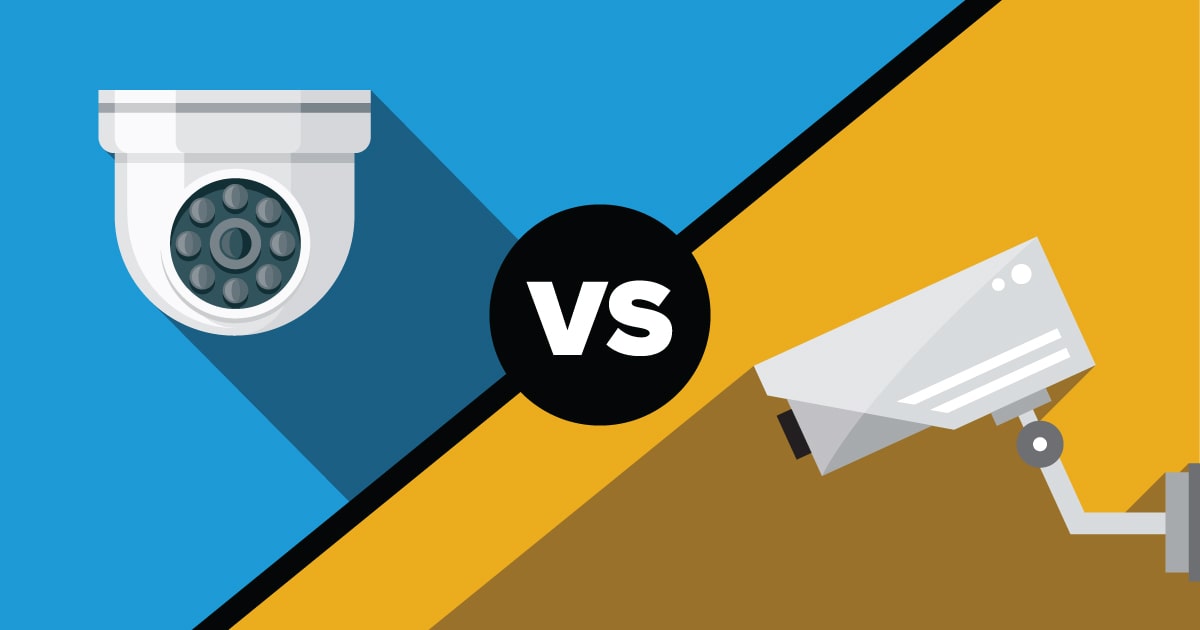
Dome vs. Bullet Cameras: Key Differences
Security cameras are an integral part of a security system in any home or business. They give you access to a video stream of what is happening inside a building or on your property while also giving the owner the ability to look back on footage if necessary. There are many different types of CCTV cameras out…
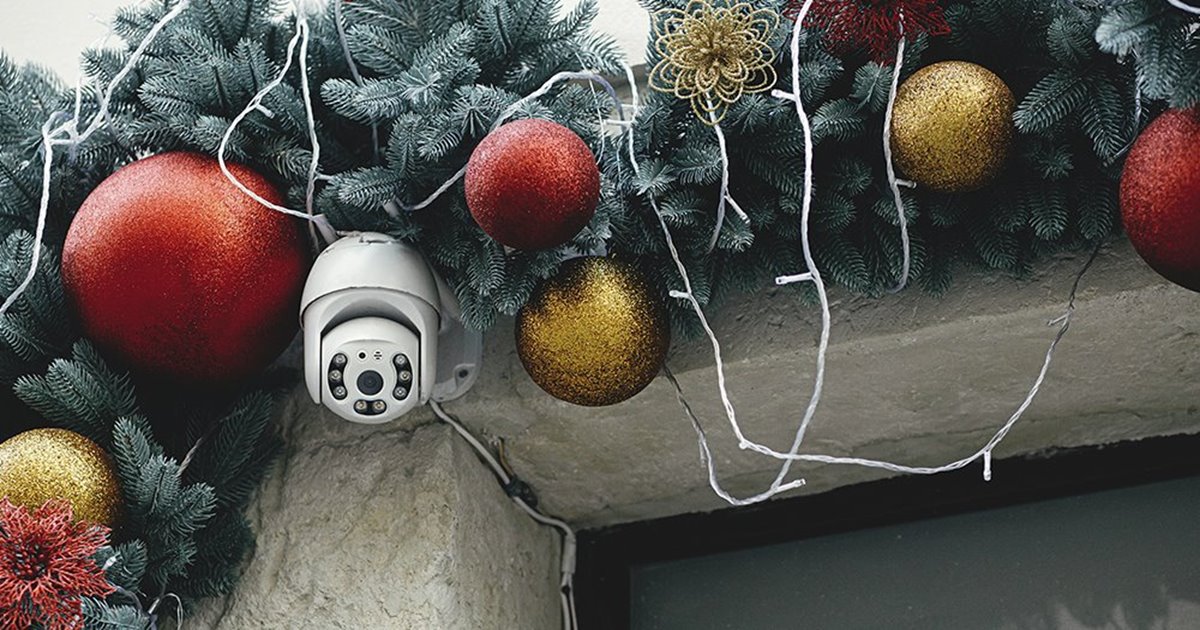
Holiday Safety Tips for Homes and Businesses
With the holiday season right around the corner, burglars are on the lookout for unguarded homes or businesses to prey on. Unlike the Grinch, holiday robbers don’t often have a heart that grows three sizes, making it more important than ever to protect your valuables and your loved ones. Our security experts have come up…
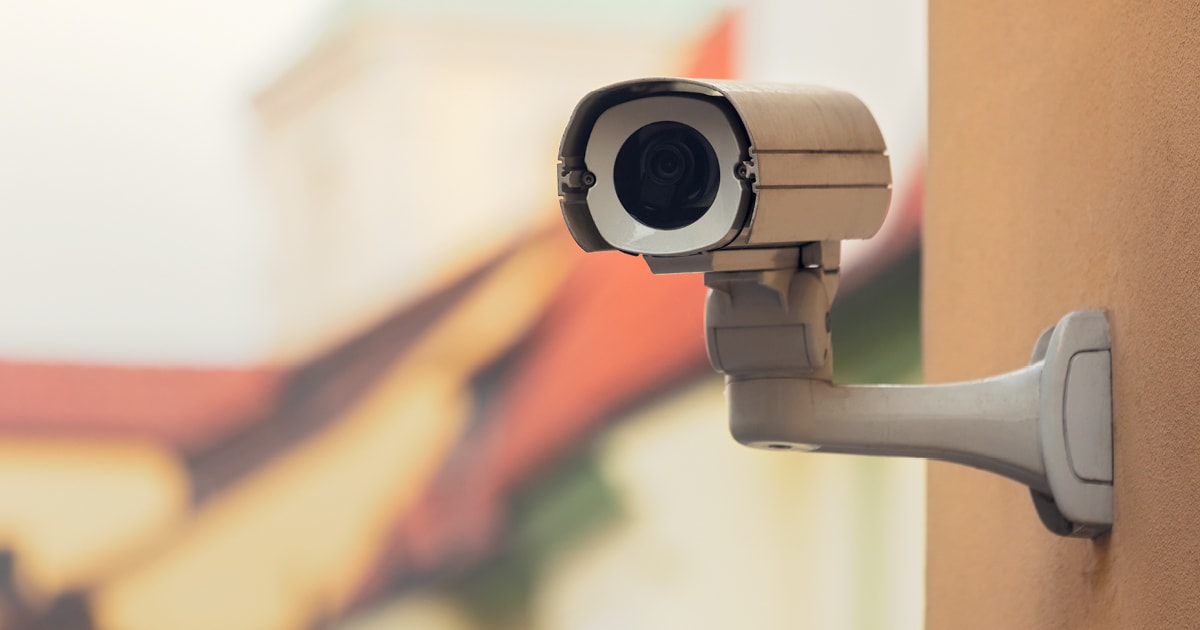
What are the Best Outdoor Security Cameras?
Outdoor security cameras do more than record what happens around a property—they help you see clearly, respond faster, and document events when you need answers. Whether you’re protecting your home’s front porch and driveway or monitoring your company’s parking lot, loading dock, or perimeter gate, the “best” outdoor security camera is the one that fits…
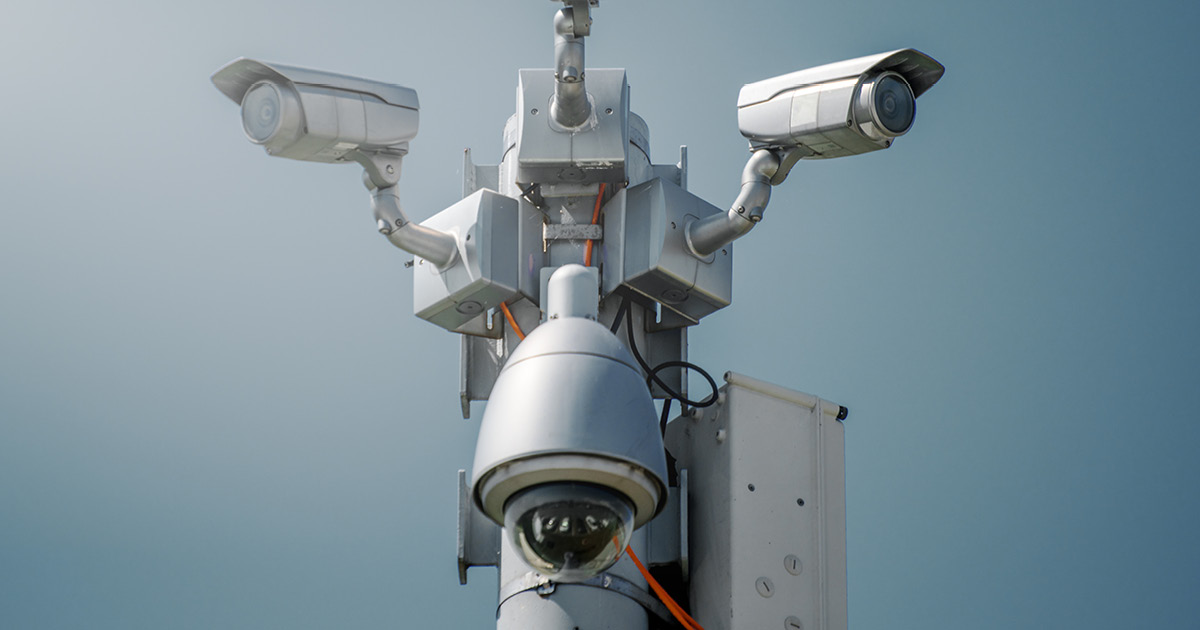
What Are The Different Types of CCTV Cameras?
Your company’s security camera is part of a closed-circuit television system (CCTV). CCTV uses one or more cameras, through either wireless or wired transmission, to send the broadcast from the camera directly to a monitor, set of monitors, or a recording device—providing you peace of mind in the case of crime, fire, theft, or accidents…

Has Chicago’s CCTV System Helped Lower Crime Rates?
It’s been 19 years since the Chicago Police Department (CPD) kicked off its pilot of Police Observation Devices (PODs). Today, there’s a network of 50,000+ surveillance cameras in use all over the city. But Are They Working? This simple question has no simple answer. According to the Chicago Police Department, in some areas, narcotic related crimes…