Fire Systems for the Restaurant Industry
Companies in varying industries face fire hazards in their standard operations to a certain degree. Businesses that operate commercial kitchens, however, are at significant risk for fire-related hazards because cooking equipment is a leading cause of commercial fires. According to the U.S. Fire Administration, an estimated 50% of non-residential fires were caused by cooking in 2021, with rates increasing by 14% since 2012. Your risks of kitchen-related fires are particularly heightened if you own or operate a business in the restaurant industry, so it’s vital to understand and implement best practices of fire safety for commercial kitchens in terms of fire codes, fire systems, and other relevant elements.
What NFPA codes should I know?
The National Fire Protection Association (NFPA) thoroughly defines all relevant requirements for the restaurant industry in NFPA 96, Standard for Ventilation Control and Fire Protection of Commercial Cooking Operations. Updated once every three years, NFPA 96 details each aspect of a public or private commercial kitchen’s fire safety requirements, from what types of equipment are needed to how frequently inspections must be conducted. In addition to restaurant-specific requirements, the NFPA outlines standards for commercial fire protection across various industries in other publications.
Business settings that must adhere to NFPA 96 provisions include:
- Restaurants
- Food trucks
- Cafeterias
- Commercial kitchens
While some chapters in NFPA 96 focus on fire safety elements that aren’t necessarily part of what you think a fire system includes, each part plays a critical role in preventing and protecting your business from kitchen fires. Here are some sections that cover requirements you should know.
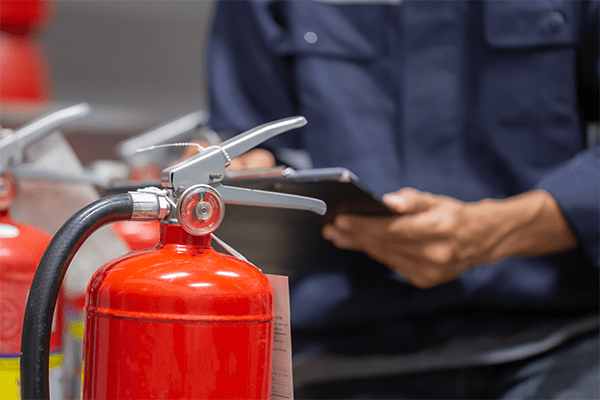
NFPA 96 Chapter 4, General Requirements for Cooking Operations in Buildings and Mobile and Temporary Cooking Operations, explains the overall codes that business owners must follow. The main takeaway is that it’s the business owner’s responsibility to ensure all equipment, both for cooking and fire safety, is inspected, tested, maintained, and kept clean regularly.
You can reference Chapter 4 for general information on provisions related to:
- Cooking equipment
- Ventilation systems
- Fire-extinguishing equipment
- Grease-contaminated materials
Business owners who operate any commercial kitchen in a building should familiarize themselves with Chapter 10, Fire-Extinguishing Equipment for Cooking Operations in Buildings, of NFPA 96. This section primarily focuses on the types of equipment and varying materials needed to combat grease fires and alert a building’s inhabitants of an active blaze. Measures that promote fire safety in commercial kitchens must depend on automatic fire suppression systems that activate when a fire starts. These automatic measures should be supplemented by portable fire extinguishers, specifically those rated for Class K fires.
NFPA 96 Chapter 12, Procedures for the Use, Inspection, Testing, and Maintenance of Equipment, provides instructions for business owners to ensure all cooking equipment and fire systems are operated safely. The key takeaway of this chapter is the importance of proper use and maintenance of your commercial kitchen space. One often-forgotten part is the requirement to provide instructions on using fire extinguishers and the facility’s fire system. This information must be provided to new employees when onboarded and as a refresher to all staff annually.
What should a restaurant fire system include?
With all the requirements mentioned in the many pages of NFPA 96, business owners often forget or miss specific information that could lead to their facility committing a fire safety violation. Thankfully, the NFPA emphasizes several critical points about generic commercial requirements and specific standards for restaurants and commercial kitchens that should be considered in ensuring their fire protection measures are sufficient. Learn what components are needed to protect your business, employees, and customers.
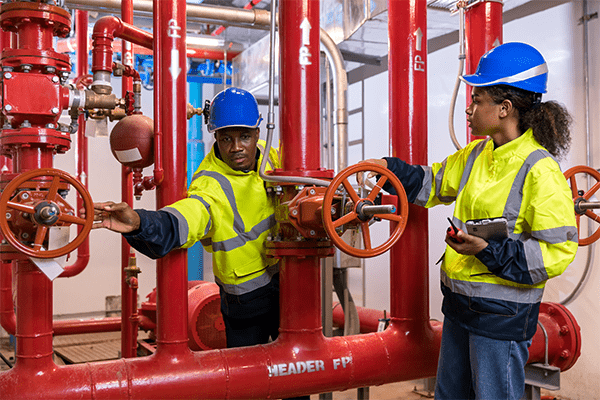
When a fire breaks out in your restaurant, your fire suppression system is the first line of defense in extinguishing or containing the flames. Because grease fires are often worsened by water, fire suppression systems commonly depend on wet chemicals that react productively to oil, grease, and cooking fats. Suppression systems are meant to detect fires in their early stages, so they often rely on some variation of a smoke detector integrated into a kitchen’s ventilation system.
While fire suppression systems are the primary defense against kitchen fires, fire extinguishers play an integral role as a secondary measure. Just as your suppression materials must avoid water-based solutions, the fire extinguishers in your kitchen should be categorized as Class K devices that depend on wet chemicals. Because other settings around your kitchen can have non-grease hazards, you should store additional extinguishers that can work against other fire classes. The most common solution is to leverage Class ABC extinguishers that are effective against multiple types of fires.
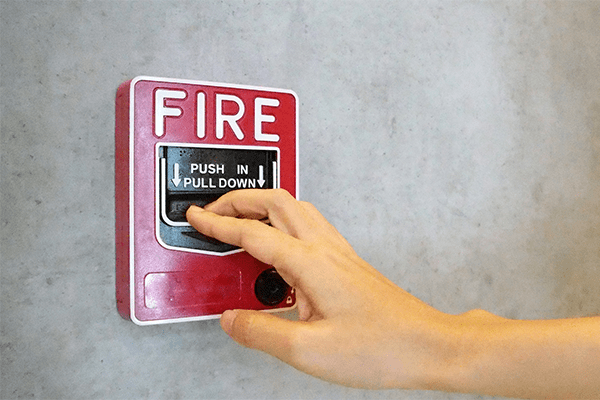
Your restaurant’s fire alarm system is a central hub for your detection, protection, and suppression systems. While other systems work to contain fires, your alarm system protects your employees and customers by alerting them of the need to evacuate. Alarms can be activated manually or automatically, although the latter is preferred since pull stations can be blocked or made inaccessible by flames. Smoke detectors in your suppression or alarm system often activate an automatic alarm system’s lights and sirens. Kitchens that leverage commercial fire alarm monitoring are a step ahead, with monitoring facilities available 24/7 to alert your local first responders if a fire breaks out.
Restaurants and commercial kitchens in newer structures must have automatic fire sprinkler systems installed and maintained based on the 2021 version of NFPA 101, Life Safety Code. On the other hand, an older structure categorized as an assembly is only required to install a sprinkler system if it has a minimum capacity of 100 people. While your sprinkler system’s structure and layout may vary based on the building you occupy, water-based systems should be concentrated away from your kitchen equipment.
Between running your kitchen efficiently and ensuring your customers are satisfied, keeping track of relevant fire safety requirements, inspection requirements, and system options is a complex balance. With FSS Technologies, creating and maintaining the optimal commercial fire alarm system is a piece of cake. Our expert service technicians craft the perfect fire-safety recipe with alarm system components and features for each business. No two companies are alike, and we approach fire safety for commercial kitchens with that same mentality, from installations to inspections and anything in between. Contact us today to learn how we can help you optimize your business’s fire safety.
Explore Our Other Blogs
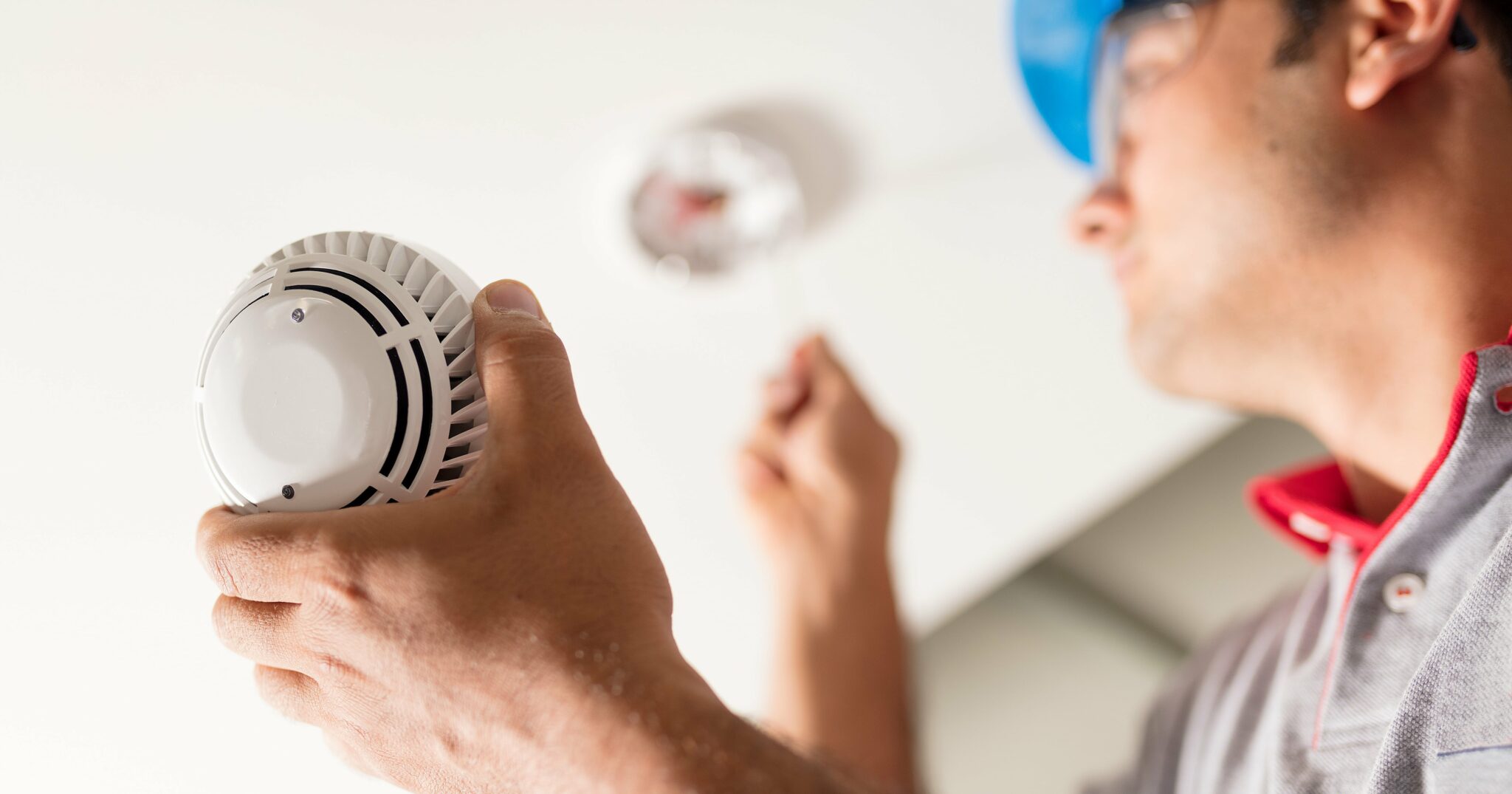
How Often Should You Inspect Your Fire Alarm System?
Everyone dreads the day when fire alarm systems are being tested because they are often loud and annoying. However, the importance of making sure your fire alarms are working properly outweighs the small distraction of lights and noise. Putting off a fire alarm inspection can be both risky and negligent for business owners as it…
Carbon Monoxide Detector Basics
What is a Carbon Monoxide Detector? Carbon monoxide (CO) is a colorless, odorless, and tasteless gas or liquid that is poisonous to humans. Detectors are designed to identify carbon monoxide leaks and warn those in your home or business. This advanced warning can save lives as it allows you to get outside as fast as…

Tips to Prevent Your Security System from Being Hacked
The Risky Business of Ring’s Vulnerable Security and other DIY security systems can leave your home as a potential target for hackers or thieves. When you are investing in a security system, you are hoping for peace of mind, and you are trusting this technology with your safety and property. Have I Been Hacked? A hacker may…

Spring Cleaning Your Security System
The unofficial countdown to summer begins for many of us each year as we “spring forward” into daylight saving time, moving the clock forward one hour to give us an extra hour of sunlight at the end of every day. Since this is the time of the year when we change our clocks, it is important…
Fire Alarm Troubleshooting Tips
Your commercial fire alarm system plays a critical role in protecting your building, occupants, and operations. When it works as intended, it provides early warning and supports a safe, coordinated response from your team and first responders during an emergency. When it doesn’t, even small issues can lead to compliance concerns, inspection findings, or unnecessary…

NFPA Standards for Commercial Fire Protection
Fire protection is highly regulated and technically complex. Commercial fires cause billions in property damage each year and pose serious risks to life, property, and legal liability. The National Fire Protection Association (NFPA) establishes standards to ensure businesses implement proper systems to prevent these outcomes. As fire protection technology evolves, so do the NFPA’s requirements….

Where Should Window and Motion Sensors be Placed?
Motion and window sensors are basic parts of a security system in both residential and business applications. The expert security team at FSS Technologies has helped thousands of business and property owners stay safe with these tools. Sensors A motion sensor allows a system to detect movement, using waves or light to determine if someone or…

Can I Install Monitored Security in My Apartment?
The most recent FBI data estimates that there are over 1.2 million burglaries a year, resulting in around $3.4 billion in property loss. Although property crime as a whole has been on the decline, the rise in popularity of video doorbells and more comprehensive and integrated home security systems shows that Americans are no less…
What Are the 5 Classes of Fires?
While it can be hard to tell the difference at first glance, different types of fires occur based on the materials that fuel them. Just as you wouldn’t try to put out a grease fire with water, specific ways to extinguish each fire class exist and depend on what sustains it. Some atypical classes of…
Code Requirements for Commercial Fire Alarms
The International Code Council The purpose of commercial property is for business or retail use, and the International Code Council (ICC) is a nonprofit association that develops model codes and standards used worldwide to construct safe, sustainable, affordable, and resilient structures. The fire codes vary depending on the type of business you run. For example,…