5 Common Causes of Commercial Fires
Many business owners and employees think their chances of dealing with a fire in the workplace are improbable, but the numbers tell a different story. According to the U.S. Fire Administration (USFA), an estimated 116,500 commercial fires were reported nationally in 2021. These fires contributed to 115 deaths, 1,025 injuries, and over $3.6 billion in losses.
With a 20% increase in fires and a 70% increase in fatalities between 2010 and 2021, inadequate fire prevention, protection, and suppression measures pose increasingly dire consequences for business owners. It’s critical for businesses to recognize the risks and impacts a fire has on their company, employees, and customers. The good news? Some causes are more prominent, meaning they’re better reported, researched, and preventable than others. Additionally, many requirements are often addressed and standardized by the National Fire Protection Association’s fire codes.
What factors cause commercial fires?
With the prevalence and far-reaching risks of non-residential fires, it’s essential to learn what commonly causes fires in commercial settings to avoid the consequences and protect your business. Here are 5 common factors that contribute to commercial fires and how to prevent each type.
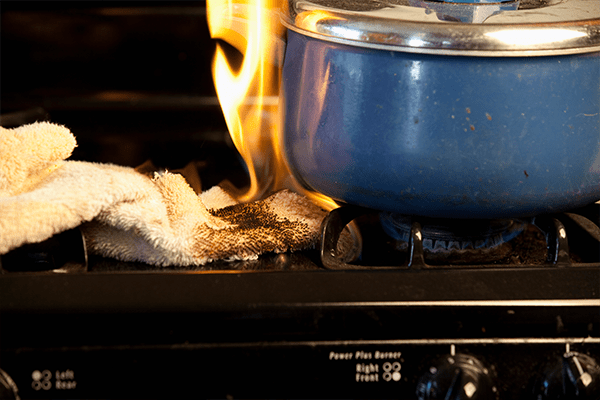
1. Cooking equipment
Kitchen-related issues are the leading cause of fires by a wide margin. Cooking accounted for an estimated 27% of fires and $72.1 million in losses in 2021 alone, according to the USFA. The rate of cooking fires has steadily increased over the years, jumping by 14% between 2012 and 2021. While many people default to thinking that these fires occur in the restaurant industry, any other business with cooking equipment on the premises can also fall victim. Whether it’s everyone gathering for an office potluck or an everyday employee heating their lunch in a breakroom, cooking mishaps could cause significant damage in healthcare, education, and other commercial environments.
Businesses within and outside of the restaurant industry can follow these protective measures to help prevent kitchen fires:
- Never leave any cooking appliances unattended
- Keep combustible materials away from heat sources
- Regularly clean cooking appliances and equipment
- Keep a fire extinguisher nearby at all times
- If a grease fire occurs, do not use water to extinguish it
2. Intentional arson
Arson is the second-leading cause of commercial fires, accounting for 15% of all reported fires and $208.4 million of reported losses in 2021, and the frequency of these incidents has increased at a staggering rate. Between 2012 and 2021, the USFA reported an astonishing 92% increase in intentionally set fires in non-residential settings. Businesses of any specialty and size can fall victim to arson, so preparing for the worst is essential.
While there’s no foolproof way to protect your business from arsonists, standard fire safety and security system elements can help and may include:
- Smoke detectors
- Physical security audits
- Security cameras
- Security-friendly landscaping
- Video alarm verification
- Sprinkler systems
- Access control systems
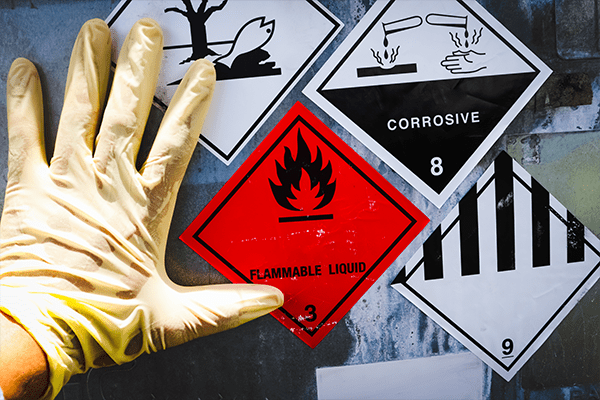
3. Unintentional issues
Accidents genuinely do happen, and fires in commercial settings are no exceptions. Mistakes and mishandlings can lead to unintentional fires, whether it’s a mishap with flammable materials at work or an employee forgetting to put out a cigarette after a smoke break. The USFA estimated that 12% of reported fires in 2021 were due to unintentional, careless fires and contributed to $542 million in losses. These fires are also on a steady rise, with unintentional fires increasing in frequency by 55% between 2012 and 2021.
Similar to intentional fires, unintentional fires are best prevented by following fire safety best practices. If you manage a multi-story property, ensure you develop an emergency response plan for your employees and tenants. For any business, knowing the flammability of your building’s materials and communicating the locations of fire alarm pull stations is vital to emergency preparedness in an accidental fire.
4. Electrical issues
Accidental fires are followed closely by fires due to electricity issues, with roughly 12% of fires and $501 million in losses reported to the USFA attributed to electrical malfunctions. Issues with a building’s wiring or misuse of power outlets can lead to an electrical fire, also known as a Class C fire, which is even more difficult to extinguish because it’s fueled by electricity. While these fires may be more common for companies that regularly use appliances, machinery, and other electrical tools, any business can be susceptible to electrical fires.
During the holidays, many businesses encounter additional risks related to winter commercial fire safety, and electrical issues are especially a concern when outlets are overused by power strips connected to multiple extensions or multiple space heaters. Misused extension cords are one of the most common fire safety violations year-round, so ensuring your building’s power sources are inspected and utilized correctly is paramount.
5. Exposure to fires
Sharing with other local businesses is a helpful part of being present in a community, but the last thing you’d want to share is fire. The least-attributed specific cause of commercial fires is exposure fires, meaning a fire that starts outside of a building and spreads to it. The USFA estimates that roughly 2% of non-residential fires in 2021 occurred due to exposure to other fires, but that small percentage caused $532 million in losses.
Defending against other fires can directly depend on the fire ratings of your building’s materials and the degree to which it can withstand a blaze. Emergency services respond with enough time to contain a blaze in ideal situations, but your building’s landscaping and other exterior obstructions can impede efforts to extinguish the fire and keep your building secure.
Proactively identifying and avoiding fire risks is your best protection against commercial fires. If your business could benefit from added fire protection, the experts at FSS Technologies can provide an initial consultation, help you develop an actionable emergency plan, and expose any potential hazards you might have missed. With options for alarm systems, monitoring services, and detectors from trusted brands like Kidde, our professionals can outfit your building with a fully customized fire and security solution to give you around-the-clock peace of mind. Contact us today to get started.
Explore Our Other Blogs

DIY Home Security Cameras
DIY Security Systems Are the New Fad There are many pre-configured, DIY home security system kits on the market. They are sold under various brand names including Ring, Nest, SimpliSafe, and others. The basic idea of a DIY home security system is that you pay one low fee to purchase all of the equipment and…

Why Night Staff Should Have Fire Alarm Training
In the years that I traveled as a Sales Representative, I experienced many times when a fire alarm would go off throughout the night. As the hotel guests evacuated, I often found that the night staff didn’t know what to do. In almost every case, it was an accidental alarm, and in many cases, night…
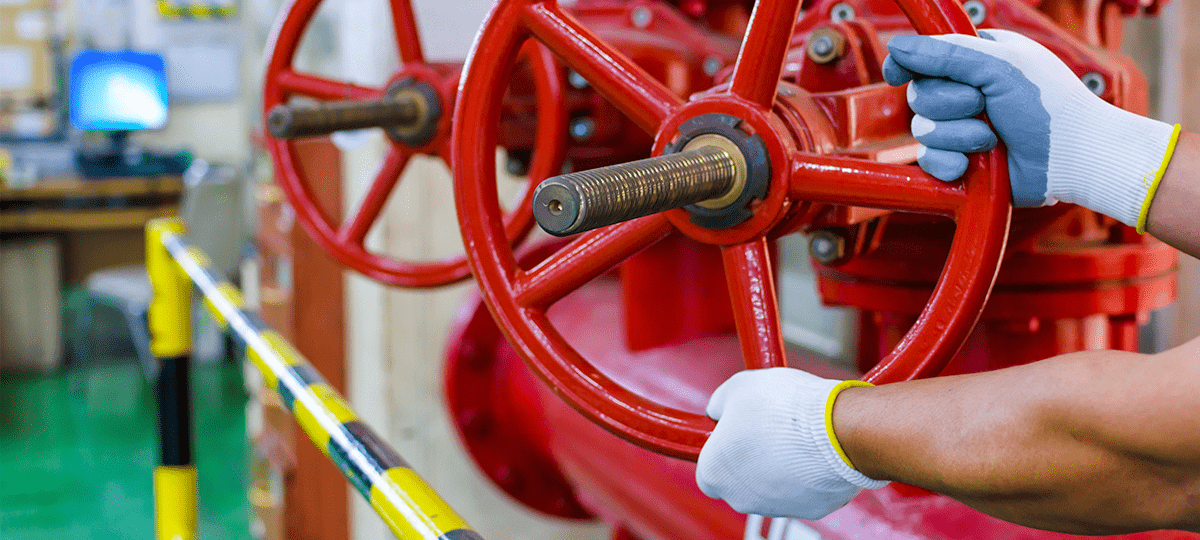
How Do Fire Sprinkler Systems Work?
Fire sprinkler systems work by detecting heat from fires and releasing water to extinguish them. Different components work together in various configurations to boost a structure’s fire and life safety measures. Learn how a fire sprinkler system works, what your options are, and why it’s a necessary investment for your business. What are the main…
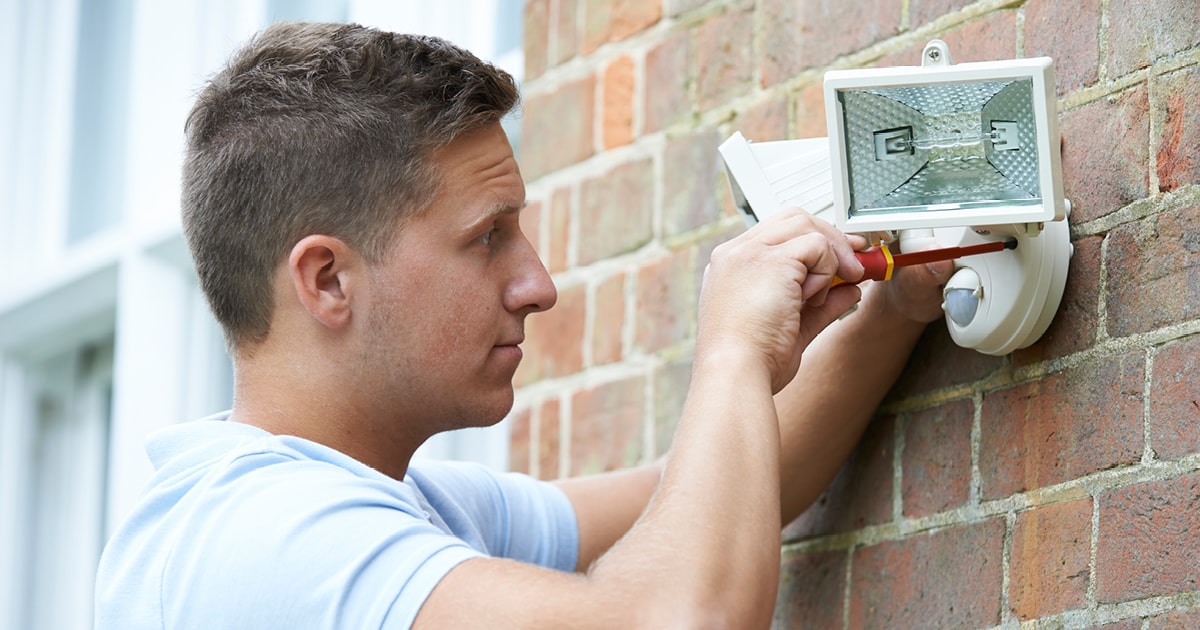
3 Types of Security Lights
Your security system is only useful if you can see what is going on when you can’t be there. This also means that when it gets dark, your cameras need to be able to capture the image clearly. To do this past dusk will require that you set up security lighting. Additionally, check out the…
Can a Security System Save My Business Money?
If you’re a business owner, you know the importance of weighing the pros and cons of major purchases before making them. A commercial security system is one of the higher-ticket items that can cause the most significant hesitation. While they can take large investments to purchase, install, and maintain, security systems can offer long-term savings…

What are the Different Kinds of Security Video Storage?
Security Video Recordings Storage How much storage does a security camera have? It is a seemingly simple question, with a surprisingly complicated answer. Security and surveillance cameras can use a variety of storage types, each with their own advantages and disadvantages. To choose the right security video storage for you, you will need to consider…
Has Chicago’s CCTV System Helped Lower Crime Rates?
It’s been 19 years since the Chicago Police Department (CPD) kicked off its pilot of Police Observation Devices (PODs). Today, there’s a network of 50,000+ surveillance cameras in use all over the city. But Are They Working? This simple question has no simple answer. According to the Chicago Police Department, in some areas, narcotic related crimes…
The Only SimpliSafe Review You Need to Read
What is SimpliSafe? SimpliSafe is one of several do-it-yourself home security systems on the market. The challenge with any DIY home security system, in our opinion, comes down to the customer experience. SimpliSafe’s customer support offers minimal assistance to ensure you adequately install and troubleshoot your system. While they do provide an 800-telephone number, the…
Why Emergency and Exit Lighting Matter
Emergency lighting and exit lighting are vital components of life safety systems. They’re a standard part of any commercial structure and not as noticeable on a normal day. When power fails or a disaster happens, these lights guide people to safety, helping prevent panic and ensuring clear evacuation routes for everyone in a building. Whether…

How Landscaping Affects Your Security
Visibility When it comes to the landscaping around your home or business, there are several considerations to keep in mind that could affect your visibility and overall security. While some suggestions to increase visibility and reduce obstructions may seem obvious, others are more subtle and could have a considerable impact. Lighting Having adequate lighting around…