What Are the 5 Classes of Fires?
While it can be hard to tell the difference at first glance, different types of fires occur based on the materials that fuel them. Just as you wouldn’t try to put out a grease fire with water, specific ways to extinguish each fire class exist and depend on what sustains it. Some atypical classes of fires are more common in commercial settings, and it’s critical to know each class to accurately identify fires and then use the appropriate fire extinguishers.
The National Fire Protection Association (NFPA) has guidelines for what each fire class includes and identifies what fire extinguishers can be used to put out each class. Here are the NFPA’s different fire classes and each type’s corresponding fire extinguisher.
What is a Class A fire?
A Class A fire occurs with ordinary combustible materials that you’d find in a typical business or residence. Of the five types of fires, these are the most common type and occur more frequently. Because these solids are usually abundant in any commercial or residential setting, they can create and sustain more intense fires that spread and worsen quickly.
Materials that fuel Class A fires include:
- Wood
- Cloth
- Paper
- Rubber
- Plastics
Because Class A fires often depend on more everyday solid materials, they are usually less complicated to extinguish. Water is a standard liquid used in Class A fire extinguishers, with the occasional additive of other chemicals. Foam, wet or dry chemicals, or clean agents are also used to extinguish Class A fires in environments that would suffer additional damage from water.

What is a Class B fire?
Class B fires rely on combustible and flammable liquids and gases. While they can occur in businesses and industrial settings that often work with these liquids, homes and other residential environments are also susceptible. A Class B fire can burn at most temperatures when exposed to a fire source because of its low flashpoint, and it often spreads quickly and produces thick black smoke.
Substances involved in Class B fires include:
- Alcohol
- Gasoline
- Oil
- Propane
- Paint
While water is commonly used to fight fires, water-based extinguishers may be ineffective against Class B fires. Fire extinguishers rated for a Class B fire often contain foam, clean agents like carbon dioxide, or dry chemicals.
What is a Class C fire?
A Class C fire fuels itself on electricity, usually from live energized electrical equipment and other electrical components. They are highly dangerous, especially when someone attempts to extinguish the fire with water. Class C fires often occur in industrial or commercial settings with lots of electrically powered equipment. Still, they can also happen in residences due to faulty wiring or other electrical issues.
Elements that can sustain a Class C fire include:
- Appliances
- Machinery
- Electric tools
- Wiring Motors
Due to electricity’s dangerous and conductive nature, Class C fires cannot be suppressed with water. Instead, a fire extinguisher with a non-conductive extinguishing agent, like dry chemicals or clean agents, must be used to douse an electrical fire while protecting whoever fights it from being electrocuted.
What is a Class D fire?
Class D fires depend on combustible metals for fuel, so they often occur in laboratories, industrial businesses, and manufacturing facilities. When these materials are handled in processes that result in dust, shavings, or flakes, that can lead to a fire starting and spreading when ignited.
Metals that can fuel a Class D fire include:
- Magnesium
- Sodium
- Lithium
- Aluminum
- Titanium
Water and other commonly used extinguishing agents are typically ineffective against Class D fires. Using water to extinguish the flames can make them more intense and dangerous. Instead, an extinguisher that contains dry powder chemicals must be used to subdue a Class D fire.
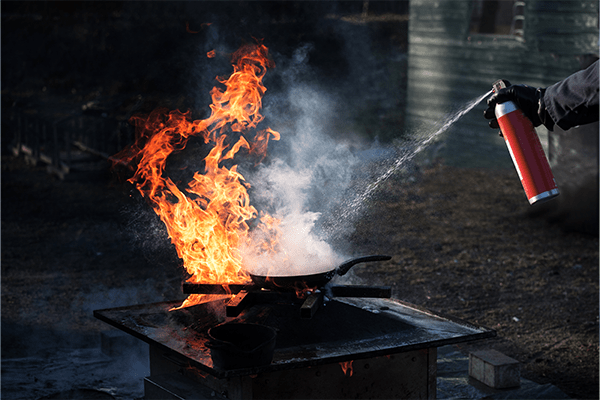
What is a Class K fire?
A Class K fire occurs when grease or cooking-related combustible materials ignite in a kitchen setting, so it’s common in restaurants or commercial-sized kitchens. While they’re more prevalent in commercial settings, Class K fires can happen in residences where grease or other combustible substances catch fire.
Cooking ingredients involved in a Class K fire include:
- Grease
- Oil
- Cooking fat
Because water can worsen them, Class K fires must be treated with wet chemicals to suppress and cool them. Class K fire extinguishers commonly use wet chemical agents that contain potassium or other alkaline mixtures to create a foamy layer that extinguishes fire.
Identifying which fire classes pose the greatest threat to your business is more challenging than it seems, and ensuring you’re equipped with the proper fire extinguishers for each class is another layer of difficulty that puts your employees and customers at risk. With FSS Technologies, you can rest assured knowing your business is prepared for the worst. Our FSS service technicians can assess your building’s fire ratings, develop a comprehensive plan for a fire alarm system, and implement the proper prevention, protection, and suppression elements. Contact us today to get started.
Explore Our Other Blogs
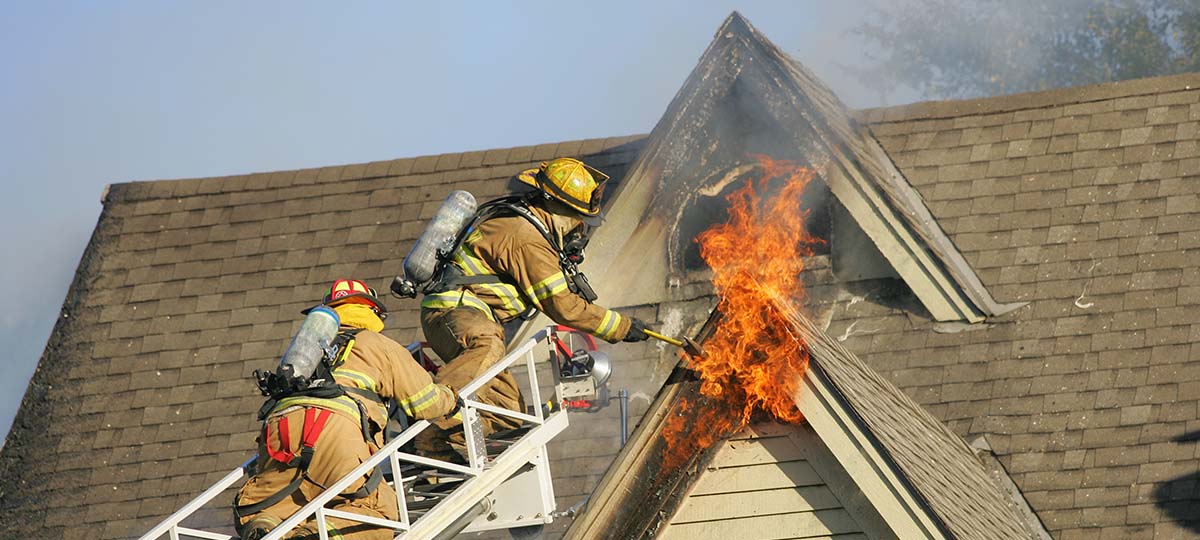
Most Common Causes of House Fires
A house fire can be a life-altering event that some may never fully recover from. The best way to protect your home and family from a fire is to educate yourself about the risks and how to prevent them. We all know the essential forms of prevention and protection, like smoke detectors, fire extinguishers, sprinklers,…
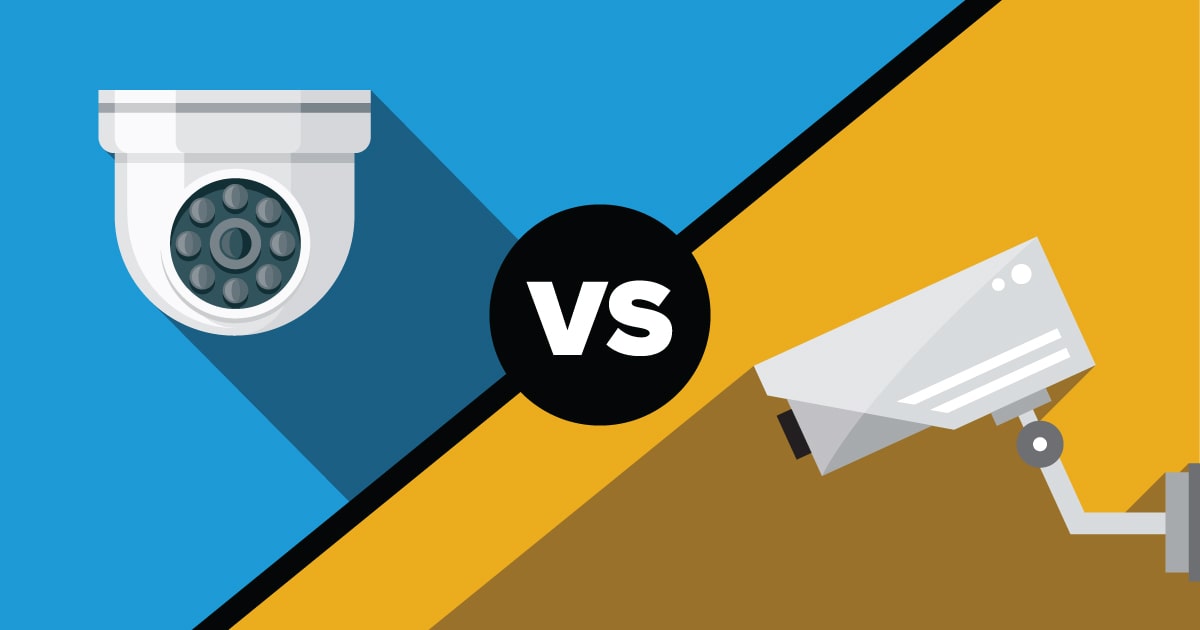
Dome vs. Bullet Cameras: Key Differences
Security cameras are an integral part of a security system in any home or business. They give you access to a video stream of what is happening inside a building or on your property while also giving the owner the ability to look back on footage if necessary. There are many different types of CCTV cameras out…

Has Chicago’s CCTV System Helped Lower Crime Rates?
It’s been 19 years since the Chicago Police Department (CPD) kicked off its pilot of Police Observation Devices (PODs). Today, there’s a network of 50,000+ surveillance cameras in use all over the city. But Are They Working? This simple question has no simple answer. According to the Chicago Police Department, in some areas, narcotic related crimes…

How Your Internet Speed Affects Your Security System
Internet speed is a precious commodity in today’s connected homes. Internet speed is responsible for how quickly or slowly data moves from the internet to the application on your computer. Things like your mobile phone, television, computer, gaming system, and even appliances use the internet. And your home security system probably does too. The average…
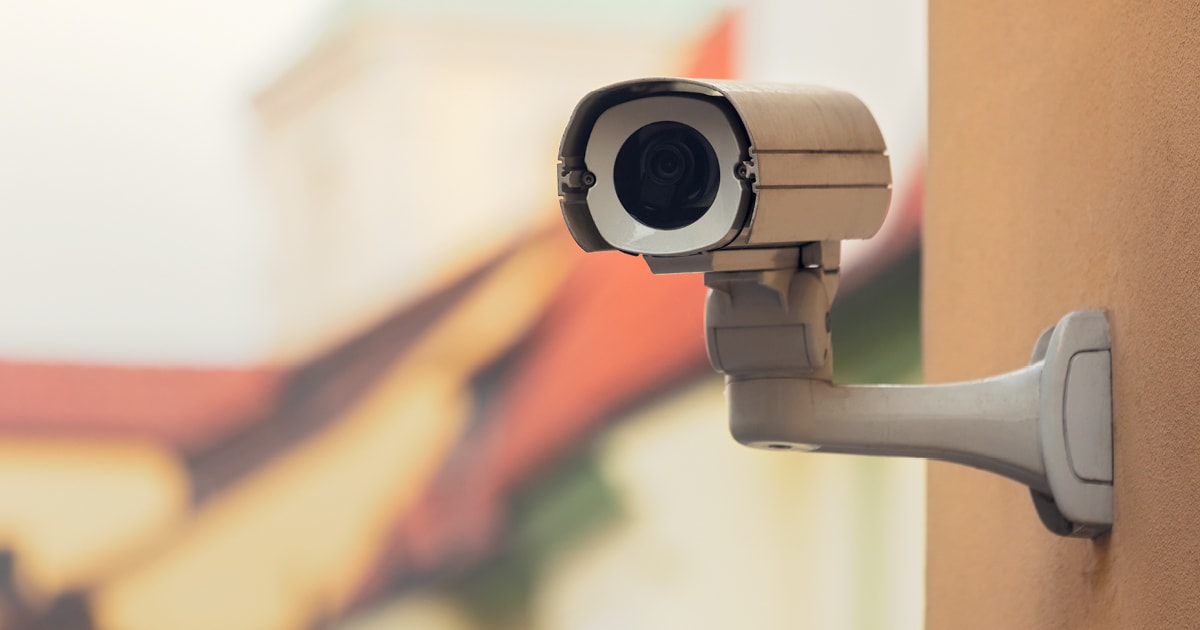
What are the Best Outdoor Security Cameras?
Outdoor security cameras do more than record what happens around a property—they help you see clearly, respond faster, and document events when you need answers. Whether you’re protecting your home’s front porch and driveway or monitoring your company’s parking lot, loading dock, or perimeter gate, the “best” outdoor security camera is the one that fits…

What are the Different Kinds of Security Video Storage?
Security Video Recordings Storage How much storage does a security camera have? It is a seemingly simple question, with a surprisingly complicated answer. Security and surveillance cameras can use a variety of storage types, each with their own advantages and disadvantages. To choose the right security video storage for you, you will need to consider…
Can Your CCTV and Access Control Systems be Integrated?
When setting up security for your business, you might consider adding CCTV and access control systems. These two security measures work great to deter crime on their own, and provide even greater security when integrated. This pairing has many advantages, but it is also a complex setup that may not be right for you. There…
Will CCTV Work Without Internet?
Closed-circuit television (CCTV) is a TV system where the signal isn’t publicly broadcast but is watched and monitored, usually for surveillance and security purposes. From city streets and highways to retail stores and banks, CCTV cameras are placed in most places to protect property and deter crime. Learn whether a commercial CCTV system can work…
Wired vs. Wireless Security Cameras
Wired or Wireless? When we talk about wired versus wireless in-home security, it has little to do with whether a piece of equipment has physical wires attached to it. The terms wired and wireless refer to the communication signal that is transmitted from one piece of security equipment to another. For a security system to…

The Risky Business of Ring’s Vulnerable Security
If you are like the rest of Americans, you have noticed that the Ring Security company has been in the news lately— and not for anything useful. Between security hacks and lawsuits, the company has landed itself in hot water. Surveillance Camera Hacks Homeowners have security cameras installed in their homes to give them peace…