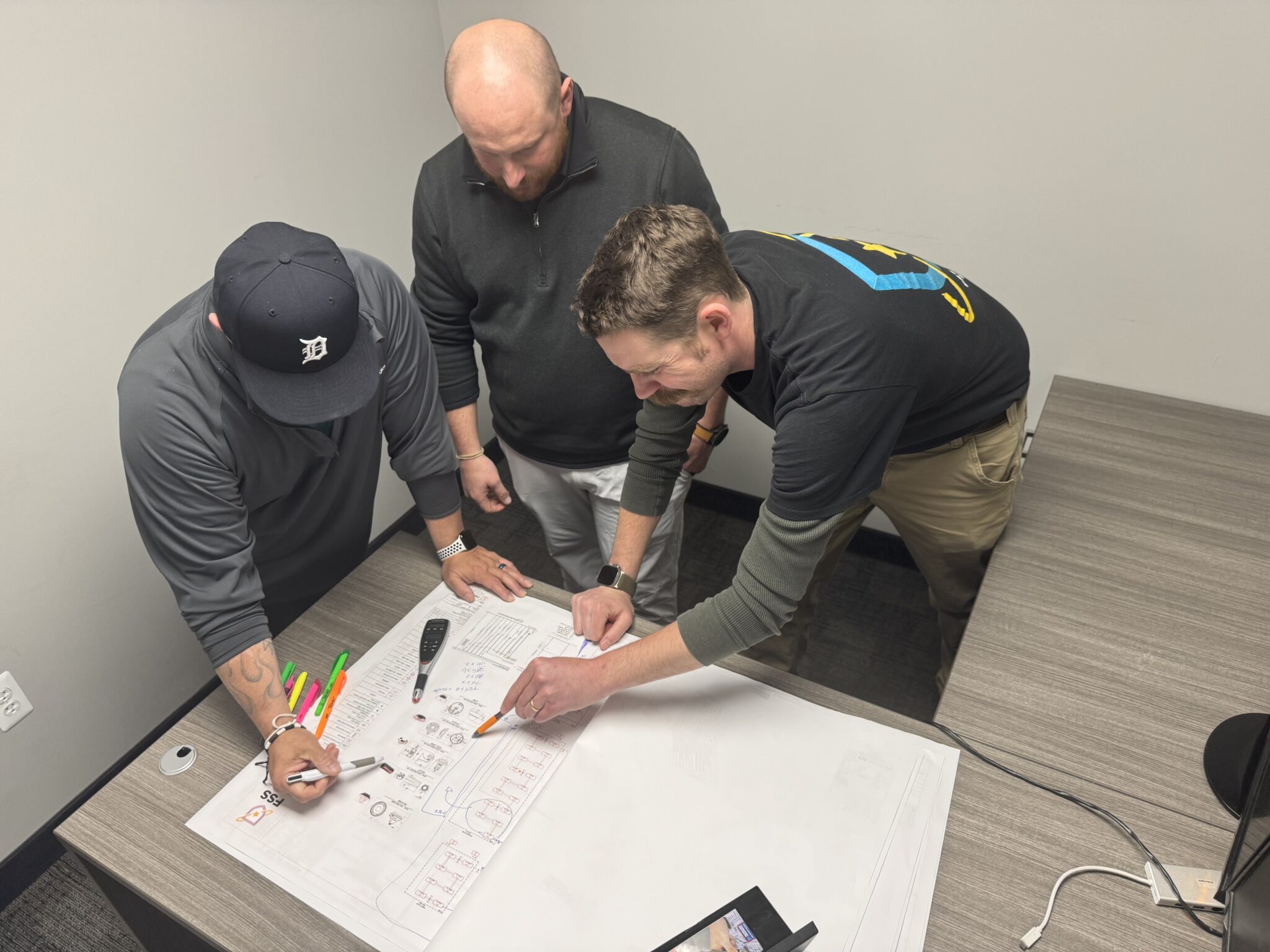
FSS Technologies provides design, installation, inspection, testing, and maintenance for commercial fire alarm systems. Expert technicians build each system to meet NFPA and local AHJ requirements, from initial programming and device placement through ongoing functional testing and documentation. Whether it’s a new build, a system upgrade, or a retrofit, each setup is designed for protection and compliance.
Get comprehensive support for systems and devices like:
- Fire alarm control panels
- Smoke and heat detectors
- Manual pull stations
- Notification appliances (horns and strobes)
- Voice evacuation systems
- Duct detectors
- Annunciators
Features
Frequently Asked Questions
FSS Technologies delivers fire alarm design, installation, and ongoing support backed by code expertise and UL-listed monitoring integration. Your systems are built and maintained to meet NFPA 72 and local AHJ requirements from day one.
The fire alarm control panel sends a signal to the central monitoring station, where operators identify the alarm type and location, then dispatch fire services and notify designated contacts according to a site-specific response plan.
In most commercial settings, yes. NFPA 72 requires fire alarm systems to be connected to a UL-listed central monitoring station for 24/7 response, unless specific exceptions apply for small occupancies with local-only alarms.
NFPA 72 requires monthly visual inspections, quarterly testing of certain initiating devices, and annual full-system functional testing. All results must be documented and available for review by the Authority Having Jurisdiction (AHJ).
Voice evacuation systems use speakers to deliver pre-recorded or live emergency messages directing occupants to exit safely. They are required in certain occupancies, such as high-rise buildings and assembly areas exceeding 1,000 occupants per IBC and NFPA 101.
Related Blogs
Upgrading Legacy Fire Alarm Systems: When & Why
A Practical Guide for Facility Managers, Property Owners, and Safety Leaders Fire alarm systems don’t last forever. As systems age, parts become harder to find, reliability declines, and the risk of inspection failures increases. If your system is outdated or experiencing issues, a proactive upgrade can help you avoid costly emergencies and maintain reliable protection….

POTS Phase-Out: Impact on Life Safety Systems
When businesses hear about the POTS line phase-out, they often think only of desk phones. In reality, traditional copper phone lines have supported a much wider range of building systems, including fire alarms, security systems, elevator phones, and more. As carriers continue moving away from copper infrastructure, those connections may become more expensive, less reliable,…
Emergency Egress 101 for Commercial Buildings
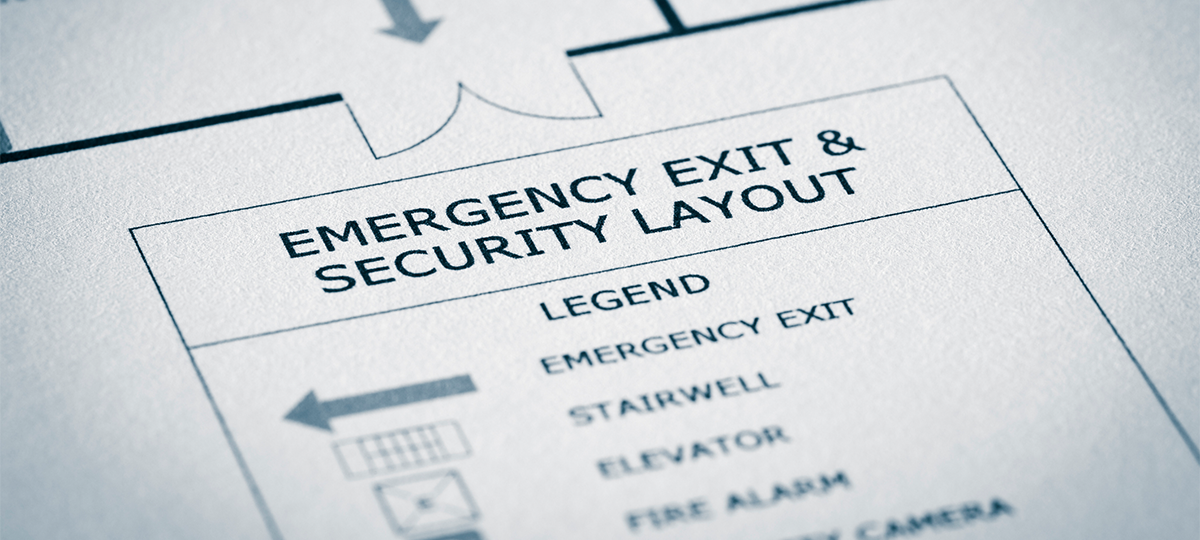
When people think about emergency egress, they usually picture exit signs and the nearest door. In reality, egress is the entire route occupants rely on to get out quickly and safely—often under heightened stress, reduced visibility, and crowded conditions. When a means of egress isn’t clear or usable, even a minor emergency can turn into…
Fire Alarm Troubleshooting Tips
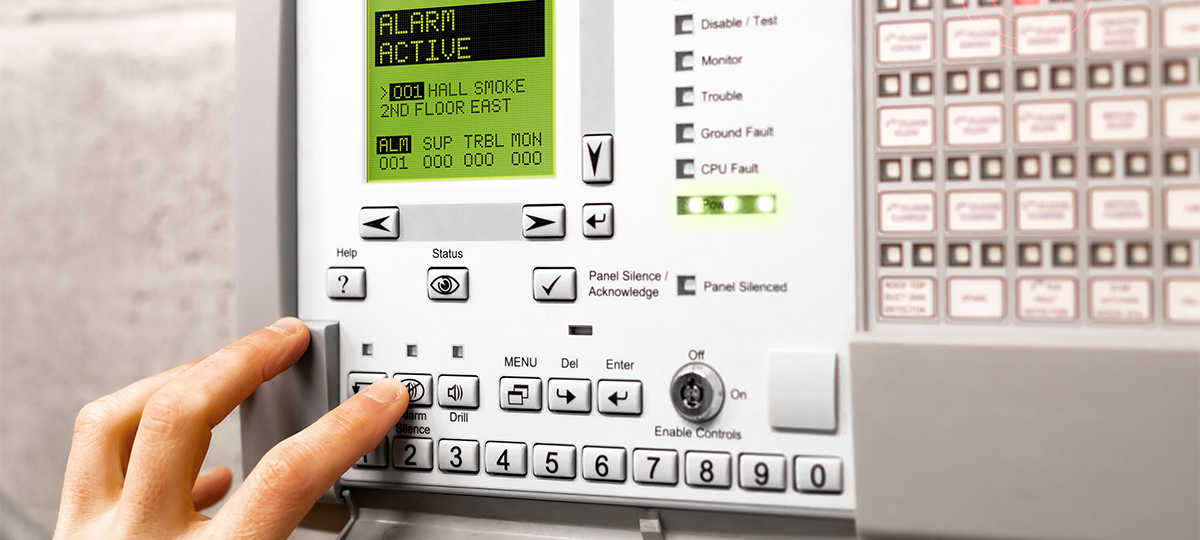
Your commercial fire alarm system plays a critical role in protecting your building, occupants, and operations. When it works as intended, it provides early warning and supports a safe, coordinated response from your team and first responders during an emergency. When it doesn’t, even small issues can lead to compliance concerns, inspection findings, or unnecessary…
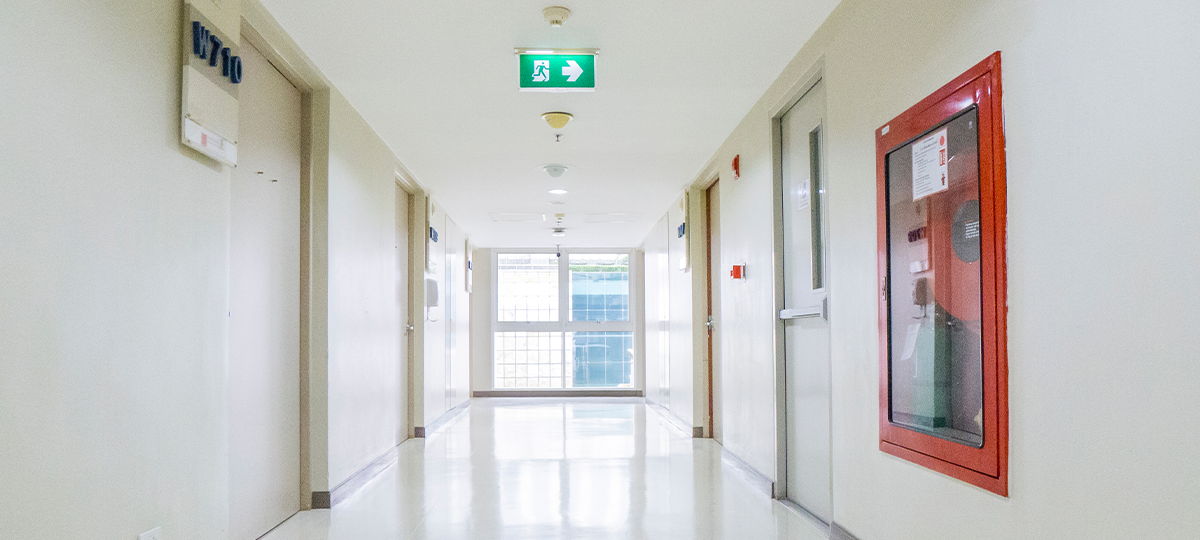
Fire Systems for the Healthcare Industry
Healthcare facilities face uniquely complex life safety challenges and fire hazards. Unlike other commercial properties, hospitals, clinics, and long-term care centers must safeguard patients and protect equipment that’s both expensive and essential to life safety, and maintain 24/7 operations with no downtime. With vulnerable lives at stake, the healthcare industry must adhere to strict fire…
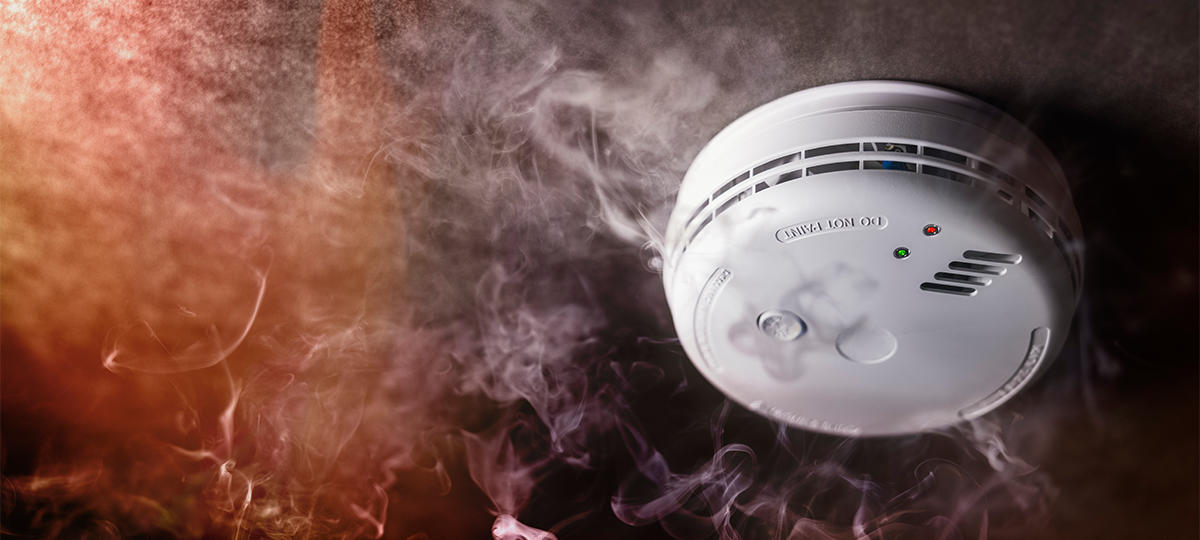
What are the Different Types of Smoke Detectors?
Smoke detectors are vital to fire safety for homes and businesses. Because they protect lives from fires or gas leaks, it’s essential to choose the best detector for your environment. There are various options to choose from, meaning you need to understand the benefits each one offers before making a selection. Learn more about the…
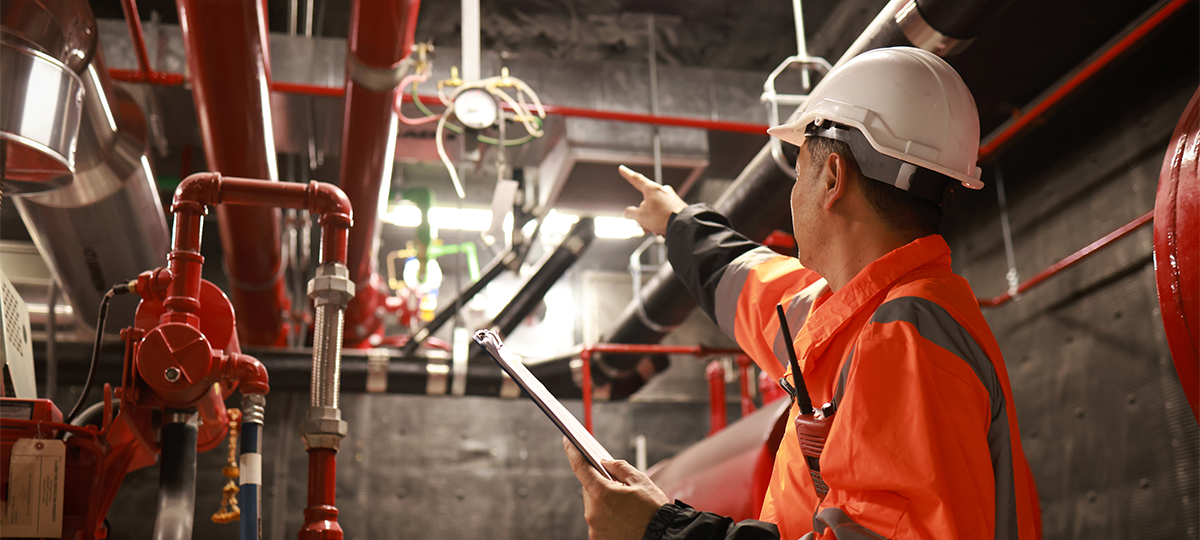
Fire Systems for the Manufacturing Industry
Few industries face as many fire safety concerns as manufacturing does, and the consequences of poor fire safety can be catastrophic. From 2017 to 2021, roughly 36,784 fires occurred yearly at industrial or manufacturing properties, causing $1.5 billion in direct property damage. With materials prone to combust or explode, industrial businesses must take extra care…
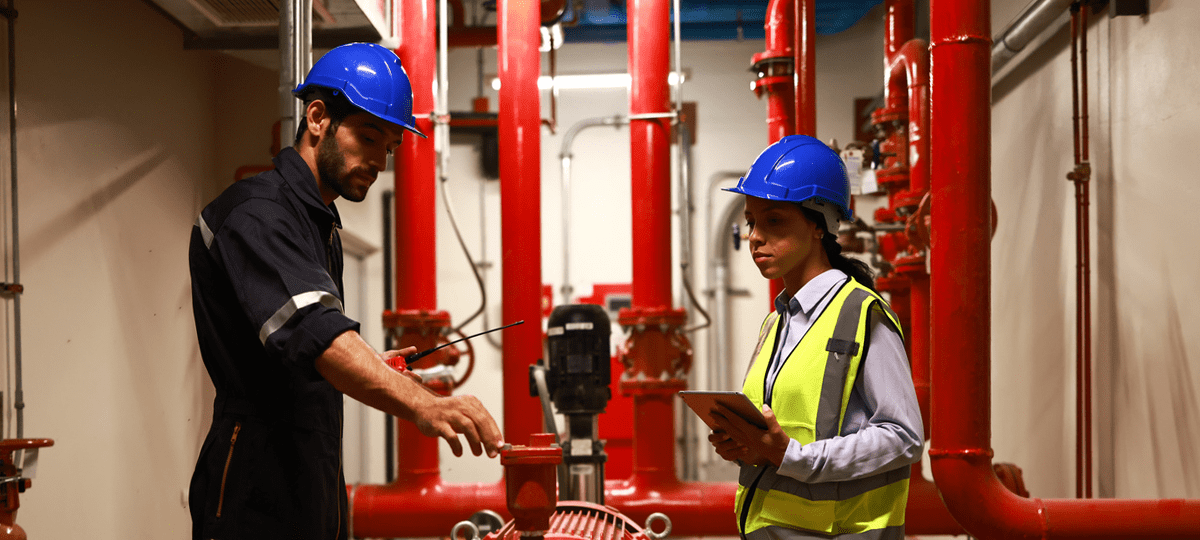
What Does a Commercial Fire System Include?
Fire safety is critical for all businesses, but the components within commercial fire systems vary significantly between industries and functions. Fires can stem from common causes that affect any commercial property and sources unique to specific fields, so fire systems must address every threat using detection, prevention, protection, and suppression. With many options available for…
Fire Systems for Commercial Properties
Commercial property management companies have portfolios varying in scale and specialty. Still, they all share the standard responsibility of understanding and implementing fire safety measures for their operations. Fires pose a significant but avoidable threat to your properties, occupants, and sources of revenue. While not all fires can be prevented, some can cause catastrophic damage…

Fire Systems for the Restaurant Industry
Companies in varying industries face fire hazards in their standard operations to a certain degree. Businesses that operate commercial kitchens, however, are at significant risk for fire-related hazards because cooking equipment is a leading cause of commercial fires. According to the U.S. Fire Administration, an estimated 50% of non-residential fires were caused by cooking in…