What are Fire Ratings?
Any business owner would be devastated by a fire, and most turn to fire safety systems for preventative and protective solutions. Still, many are unaware that their building’s materials can directly influence how a fire impacts their building’s structure. In addition to investing in a comprehensive fire safety system, it is critical to consider the fire ratings of your building to ensure your system fits the unique needs of your structure’s components. Learn how fire ratings are determined and why they matter for structural fire safety.
What are fire ratings?
A fire rating is a grade given to specific materials based on various factors related to how they respond to fires. Different tests are conducted to determine two types of fire ratings for materials that resist or protect against fires. Fire resistance ratings relate to how a structure’s foundational materials would respond in the event of a fire, and fire protection ratings are specific to the protective qualities of elements like fire doors.
Ratings were developed to categorize building materials based on how they performed regarding fire protection and prevention. The National Fire Protection Association (NFPA) details fire-resistant building construction requirements, and specific tests help identify a building’s overall fire safety needs and risks based on the fire rating of its materials.
To help standardize how fire ratings are determined in the US, the American Society for Testing and Materials (ASTM) recognized two tests that help determine a material’s fire rating: the ASTM E84 and the ASTM E119. Similar tests that are on par with these have been developed by the NFPA and Underwriters Laboratories (UL) to assist in creating national and international standards for building safety. These tests are recognized using specific criteria from the International Building Code (IBC) for each test.
Also referred to as the Steiner Tunnel Test, the ASTM E84 measures the fire-resistant characteristics of various building materials. Using a contained testing area with controlled airflow and fire exposure, the test measures how a specific material reacts to an active flame. The two primary measurements from this test that impact a fire rating are how quickly the flame progresses and how much smoke develops.
In addition to those metrics, the ASTM E84 also measures:
- Time to ignition
- Flame spread distance over time
- Maximum flame spread distance
- Temperature over time
- Time to maximum temperature
- Smoke area over time
In contrast, the ASTM E119 is a time-based test with its own criteria that identifies how long a structural component can withstand a fire. Instead of a single material, an entire assembly, such as a wall or column, undergoes a fire-resistance test to see if it can maintain structural integrity while containing a fire and protecting the rest of a building. The results are measured in whole hours, so a rating of “one hour” means a specific structure can withstand a fire for up to an hour.
Once an ASTM E84 or similar test is conducted, materials are categorized into one of three classes determined by the IBC based on how quickly a fire would spread and how much smoke would develop. The Flame Spread Index (FSI) is measured on a scale of 0 to 200, and scores are rounded to the nearest multiple of 5. The Smoke Developed Index (SDI) ranges between 0 and 450; values less than 200 are rounded to the nearest multiple of 5, while values over 200 are rounded to the nearest multiple of 50. Considering the FSI and SDI identified in a test, a material is rated as Class A, B, or C.
Class A (or Class 1) is considered the best fire rating with an FSI of 0 to 25. Buildings such as hospitals often require Class A ratings for their building materials as a fire safety measure. Class B (or Class 2) materials have an FSI between 26 and 75; the FSI for Class C (or Class 3) materials ranges from 76 to 200.
What are the 5 fire resistance ratings?
While fire ratings are specific to certain materials in a building, the NFPA’s fire resistance ratings assess a building’s components and give it a collective rating based on how long it can maintain its structural integrity during a fire. These are the five types according to the NFPA 220:
- Type 1: Multistory buildings over 75 feet tall that are designed to resist high temperatures and prioritize evacuation from a fire through stairwells
- Type 2: Newer commercial structures made of non-combustible materials, such as schools or malls
- Type 3: Brick-and-joist structures, like homes, that are composed of combustible materials
- Type 4: Buildings where the majority of the structural composition is combustible, but certain elements are non- or limited-combustible
- Type 5: Buildings with a combustible frame and other structural elements
Depending on a building’s designated type, certain elements can help boost the non-combustibility of the structure. Applying a fire-resistant coating to flammable surfaces is a more affordable option that can help achieve excellent resistance without replacing structural elements.
For a more costly solution that offers additional benefits, elements of a building can be replaced with better materials such as:
- Flame-treated natural products
- Fire-resistant glass for windows
- Stucco, brick, or concrete
- Components made with gypsum
Whether your building is considered a high-risk Type 5 or a highly non-combustible Type 1 or Type 2, FSS Technologies can help you assess your company’s fire hazards and develop a fire safety system that fits your unique needs. With decades of experience, our FSS service technicians can ensure your building meets commercial code requirements and is equipped with the proper fire prevention, protection, and suppression systems. From installations to inspections and everything in between, FSS Technologies has your business covered. Contact us today to learn how we can help you bolster your fire safety.
Explore Our Other Blogs

The Cost of Alarm Monitoring vs. the Cost of a Break-In
Property crime in the United States is costly. According to the FBI’s Uniform Crime Reporting (UCR) program, property crimes in 2018 resulted in an estimated $16.4 billion of losses. The Cost of Crime Larceny-theft is the most common of all property crimes, accounting for 73.4 percent. Larceny-theft is defined as the unlawful taking, carry, leading,…

Best Security System Setups for Senior Citizens
According to the American Association of Retired Persons (AARP), nearly 90% of senior citizens want to stay in their homes as they age even if they need day-to-day assistance or have ongoing health issues like early-stage Alzheimer’s or dementia. Unfortunately, criminals often target senior citizens as victims. Thieves assume older people will not be able…

Renter’s Insurance Discounts and Security Systems
Home invasions or burglaries are a threat to any household, regardless of where they are located. One of the biggest deterrents for burglars is a home security system that could record evidence of their actions or could notify the authorities at the time of a break-in. This is a huge motivator for homeowners when deciding…
Winter Fire and Security System Maintenance Tips
Winter weather often comes with operational headaches and hazards for business owners. Long periods of cold temperatures and snowfall can impact companies in different ways, from reducing foot traffic to extending process timelines. One of the most noticeable impacts is an uptick in fire safety and security device issues, especially if you have yet to…
Why Are Fire Hydrants Different Colors?
The eye-catching colors of a fire hydrant are hard to miss, whether you’re walking through a city or driving around a neighborhood. What many don’t realize, however, is that these colors are integral in helping emergency responders identify and assess their available resources when preparing to fight a fire. Fire hydrant colors are distinct to…

Alarm Monitoring Services: How They Work
An ear-piercing siren and flashing strobe lights create an immediate sense of emergency and indicate an alarm of some sort has been triggered. Now that the alarm has been triggered and the warning sirens have sounded, what happens next? If you have a monitored security system, it won’t just be the neighbors or passerby alerted to…
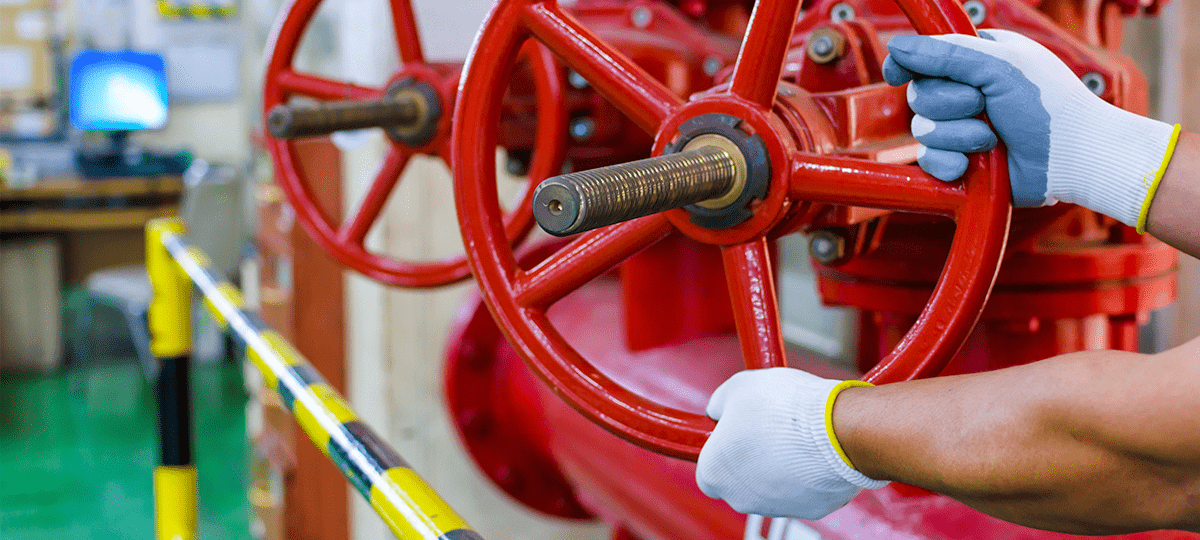
How Do Fire Sprinkler Systems Work?
Fire sprinkler systems work by detecting heat from fires and releasing water to extinguish them. Different components work together in various configurations to boost a structure’s fire and life safety measures. Learn how a fire sprinkler system works, what your options are, and why it’s a necessary investment for your business. What are the main…

Certifications That Make Us Security Experts
At FSS Technologies, we pride ourselves on the fact that we are not your typical fire safety or security company. When people call us, they don’t want a one-size-fits-all solution — they want our experts to design a system that perfectly fits their needs. We take “First in Security, First in Satisfaction” seriously to ensure every…
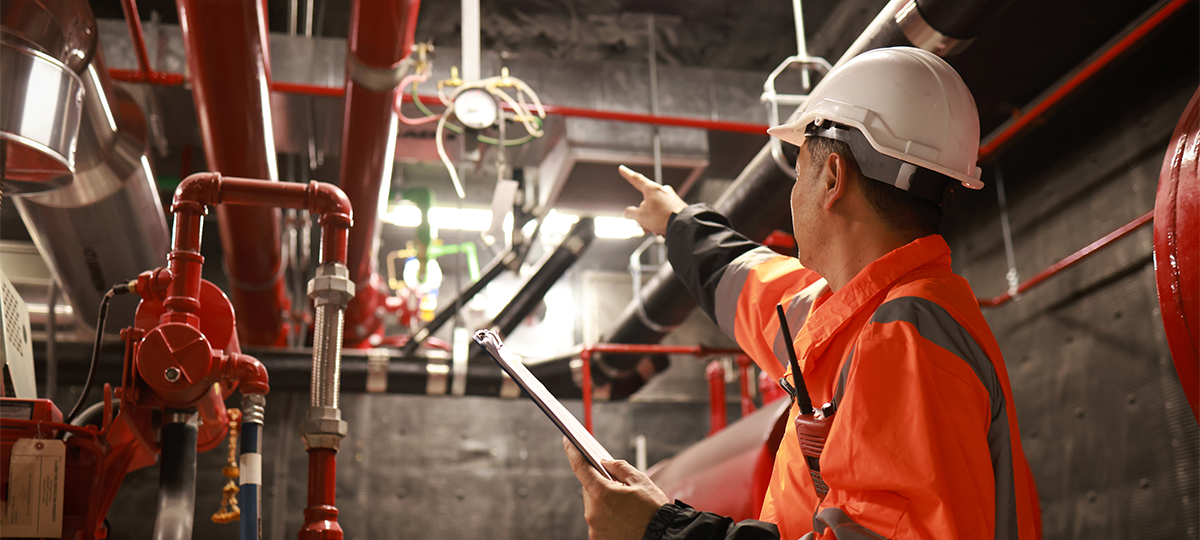
Fire Systems for the Manufacturing Industry
Few industries face as many fire safety concerns as manufacturing does, and the consequences of poor fire safety can be catastrophic. From 2017 to 2021, roughly 36,784 fires occurred yearly at industrial or manufacturing properties, causing $1.5 billion in direct property damage. With materials prone to combust or explode, industrial businesses must take extra care…

Has My Home Security System Been Hacked?
With more DIY security systems than ever available with the touch of a button, families around the world are choosing to protect their homes with easy to install cameras and alarms. The expert team at FSS Technologies aims to help homeowners make the right choice for their families when selecting a home security system. A…