Carbon Monoxide Detector Basics
What is a Carbon Monoxide Detector?
Carbon monoxide (CO) is a colorless, odorless, and tasteless gas or liquid that is poisonous to humans. Detectors are designed to identify carbon monoxide leaks and warn those in your home or business. This advanced warning can save lives as it allows you to get outside as fast as possible before being affected by the noxious gas.
The most common sources of carbon monoxide in a home are the furnace, dryer, and chimney. A broken or clogged vent can lead to a leak that can quickly turn into a preventable home emergency. In the workplace, the gas is typically caused by ovens, furnaces or even internal combustion engines.
A carbon monoxide detector determines the parts per million (ppm) of carbon monoxide in the air. Carbon monoxide is dangerous to humans after extended exposure of 150 to 200 ppm.
Carbon Monoxide Detector Placement
Carbon monoxide detectors, similar to smoke detectors, should be placed on every level of your home, as well as in every bedroom, sleeping area, and common rooms. It is best to place the detector about five feet from the ground. Any detectors used in sleeping areas should be set to an alarm level that will wake you up.
Avoid placing a detector above a fireplace or other flame-creating appliances.
How to Test
Test your detector’s batteries each month and replace the batteries every six months or as directed by the device’s manual.
Beeping
Beeping can signal an issue, but it is essential to know your alarm setting to be able to distinguish a low battery beep from a life-saving alert.
In Case of a Carbon Monoxide Leak
If your carbon monoxide detector alerts you to a dangerous level of CO in the air, you need to leave the building immediately and make sure to evacuate any children or animals. Once safely outside, call 911.
When to Replace
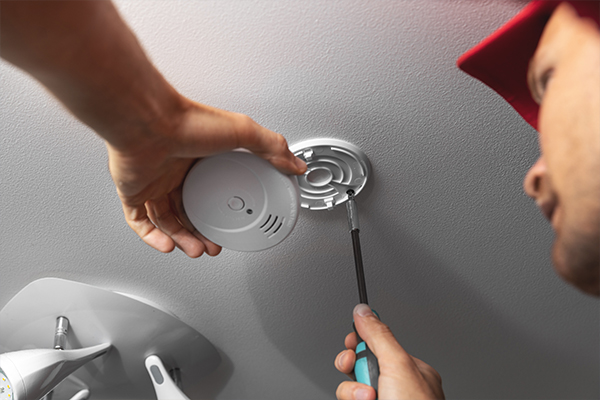
Carbon monoxide detectors, like fire alarms, have an expiration date. These devices can become less sensitive over time and should be replaced every five to seven years.
If you are looking to install or replace your carbon monoxide detectors, contact the fire and security experts at FSS Technologies. We can help you install and test your detectors or talk to you about the elements of a fire alarm system.
Explore Our Other Blogs
Emergency Egress 101 for Commercial Buildings
When people think about emergency egress, they usually picture exit signs and the nearest door. In reality, egress is the entire route occupants rely on to get out quickly and safely—often under heightened stress, reduced visibility, and crowded conditions. When a means of egress isn’t clear or usable, even a minor emergency can turn into…
Ring Doorbell Cons
Video doorbells are a great addition to home security, and Ring is the popular choice for many who prefer wireless security. Although there are some pros to the Ring Doorbell, it has some cons you should be aware of before purchasing from Ring. Monthly Fee for Storage The cheapest Ring doorbell is $59.99, with the…

Smoke Detectors for the Hearing Impaired
What are Visual Fire Alarms? If a fire breaks out, occupants of a building may have as little as two minutes to get out before the fire becomes life-threatening. Fire alarms provide an early warning notification and alert people to evacuate, but what if you are deaf or hearing impaired? How do you know there…

Items Burglars Want Most
Burglars move quickly. Because they tend to spend as little as ten minutes inside a home or business, several big-ticket items tend to fall prey to thieves. While some items on our list come to mind instantly, some may be more subtle. Outside of installing a security system, taking extra steps to secure your items…
FAQs About Fire Alarm Inspections
Fire alarm inspections are a critical part of protecting people, property, and business continuity. For commercial building owners, property managers, and facility teams, these inspections are not just a regulatory obligation—they are an essential safeguard that helps ensure fire alarm systems will function when they are needed most. Understanding how fire alarm inspections work, what…

Landlord Security System Installation Guide
Buying a home is one of the most significant investments a person can make. You upgrade your home in many ways—a fresh coat of paint, a landscaping project, or possibly adding a security system. If you go a step further and invest in rental properties, you have to do all those things and more to…

How to Maintain a Commercial Security System
Updated May 2023 With the latest advances in security technology, it’s becoming easier for small businesses to find a security system that works for their needs. Whether your business just installed your commercial security system or has been utilizing security measures for some time, proper maintenance will increase the life of your system and provide…
Holiday Security Tips
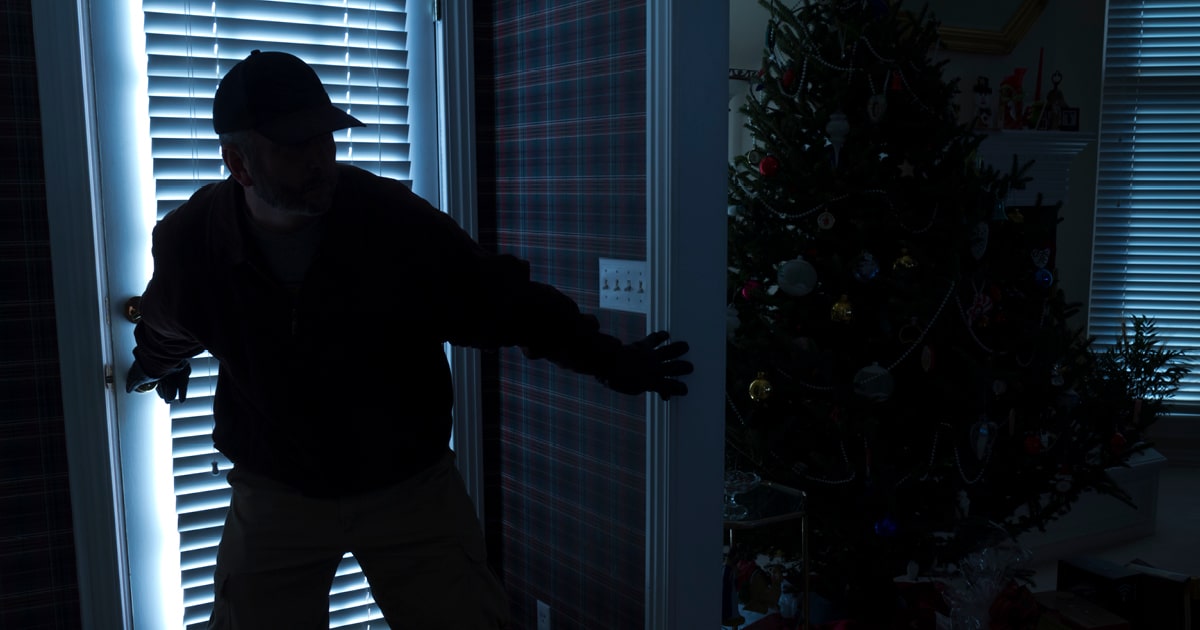
It’s a beautiful time of the year, but the holidays come with some inherent risks that you should prepare for amidst all the gift buying, cooking, and decorating. Here are some of our top holiday safety tips to keep your home and loved ones safe over the season. Theft and Burglary Prevention Do not put…
What Are Fire Alarm System Zones?
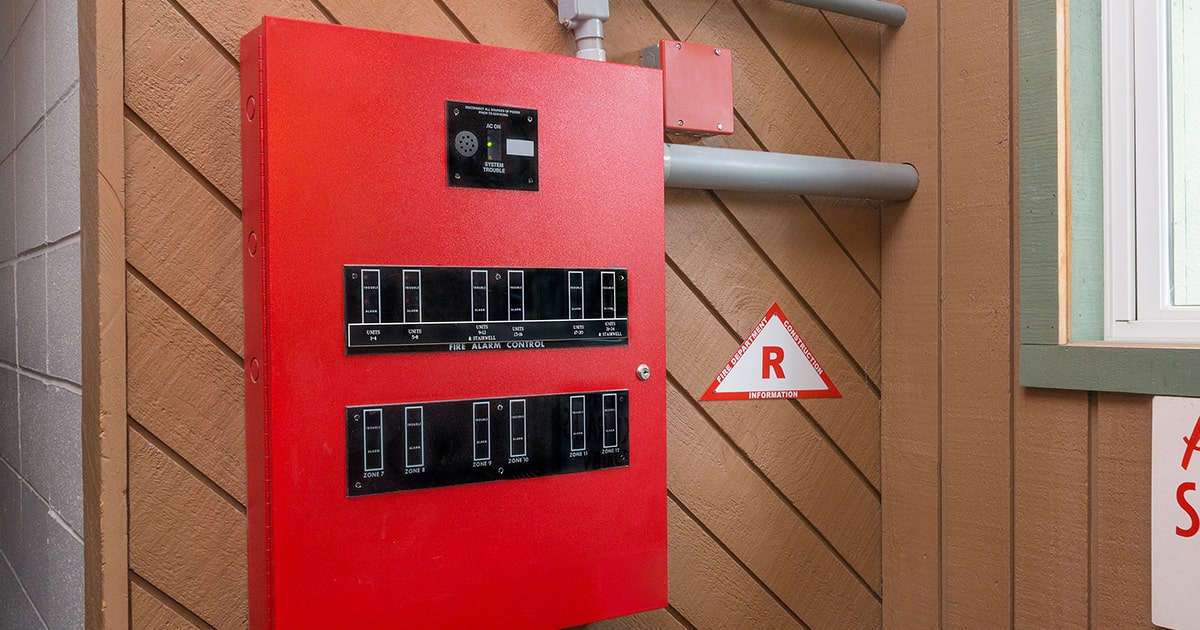
Fire alarm zones are standard in conventional fire panels. Each zone represents a different area in the building to help firefighters and professionals pinpoint the source of an alarm. However, it can be confusing to research fire alarm zones because they are not as common as they once were. Conventional and addressable systems handle communication for fire…

How to Deter Burglars
While owning a home security system automatically decreases your chances of being burglarized, there are many common mistakes and oversights that can compromise its reliability. Here are the most important safety precautions you can take in conjunction with your security system to ensure your home is safe from thieves. Create the Illusion that Someone is…