What is a Manual Pull Station?
A manual pull station is a wall-mounted fire safety device that triggers an alarm in the event of an emergency. Pull stations are commonly found in many public buildings across the United States and Canada. Most people have seen them, and some have possibly even pulled one before, whether for a real emergency or a prank (which is punishable by law in most states). Technically referred to as a manually actuated alarm-initiated device, a manual pull station serves a vital role in public safety and remains a key element in the future of fire protection.
How do manual pull stations work?
Manual pull stations are a failsafe feature required by the National Fire Protection Agency (NFPA) to protect citizens in the case that a person discovers a fire before an automatic fire alarm, such as a smoke detector or heat sensor, can. NFPA 72, the National Fire Alarm and Signaling Code®, dictates all requirements related to manual pull stations and other fire alarm system elements. Two different types of pull stations are used today: single-action and dual-action.
Single-action pull stations are activated by pulling down a lever on the alarm. In contrast, dual-action pull stations require additional action, such as lifting or breaking a glass panel over the alarm. The premise behind both types is the same: pulling down the handle will complete the circuit and trigger the alarm. Once a manual pull station is triggered, a special tool is required to deactivate and silence the device, which is why pulling one is never considered a funny joke.
Do I need manual pull stations?
The answer to that question lies in the type of building. Manual pull stations are required in all commercial buildings and any multi-family or multistory buildings, such as apartment or condominium complexes. They are not required for single-family homes. The NFPA states that fire safety should not depend only on a single alerting method, so manual pull stations are required in addition to automatic alerting systems. Specifically, NFPA mandates one manual pull station per automatic alarm per building.
So how many do you need? The size of your building dictates that answer. NFPA’s fire code states that the travel distance to the nearest manual pull station from any point in the building can be no more than 200 feet on any given floor, and they must be within five feet of each individual exit. For example, any group of doors more than 40 feet apart must have a manual pull station on each side of the grouping. The pull stations must be easily seen, unobstructed, and accessible to everyone the building serves.
Do manual pull stations need to be inspected and tested?
When a manual pull station is first installed, the building owner or a designated representative must perform a visual inspection. These visual checks must also be performed every six months following installation. Manual pull stations must also be tested annually to ensure they work correctly. These tests and any other associated services performed on the pull stations must be completed by trained professionals, and these tests are typically rolled into more comprehensive annual inspections and testing that are conducted across the entire fire safety system.
If you have questions regarding the need for manual pull stations or the functionality of your current pull stations, our expert service techs at FSS Technologies are ready to guide you through the process. We offer full-service consultations, installations, and inspections for all alarm system brands, ensuring you get the help you need every step of the way. Contact us today to get started.
Explore Our Other Blogs

Can a Security System Save My Business Money?
If you’re a business owner, you know the importance of weighing the pros and cons of major purchases before making them. A commercial security system is one of the higher-ticket items that can cause the most significant hesitation. While they can take large investments to purchase, install, and maintain, security systems can offer long-term savings…

NFPA Standards for Commercial Fire Protection
Fire protection is highly regulated and technically complex. Commercial fires cause billions in property damage each year and pose serious risks to life, property, and legal liability. The National Fire Protection Association (NFPA) establishes standards to ensure businesses implement proper systems to prevent these outcomes. As fire protection technology evolves, so do the NFPA’s requirements….
Livly: A Modern Residential Community Experience
The Livly property and tenant management system is one of the most cutting-edge and all-inclusive apartment app experiences available today. The system offers low-cost technology and fully integrated experiences that pair well with a variety of existing property management systems. As a proud partner with Livly, FSS Technologies offers this trusted technology solution for both…
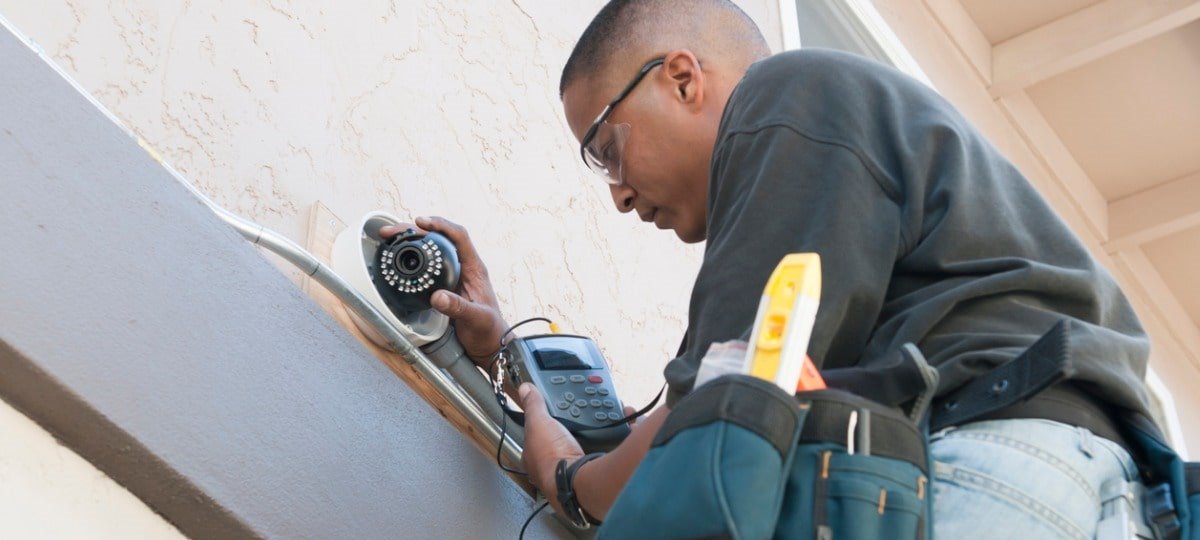
Professional Security Camera Installation Benefits
Why You Should Hire a Professional Security Camera Installer If you are not an audiovisual professional, installing quality, capable home security equipment can be a much bigger ordeal than you anticipated. The DIY home security systems advertised on television look easy to set up and install. The truth is that we’ve received many calls from…

Fire Systems for the Restaurant Industry
Companies in varying industries face fire hazards in their standard operations to a certain degree. Businesses that operate commercial kitchens, however, are at significant risk for fire-related hazards because cooking equipment is a leading cause of commercial fires. According to the U.S. Fire Administration, an estimated 50% of non-residential fires were caused by cooking in…
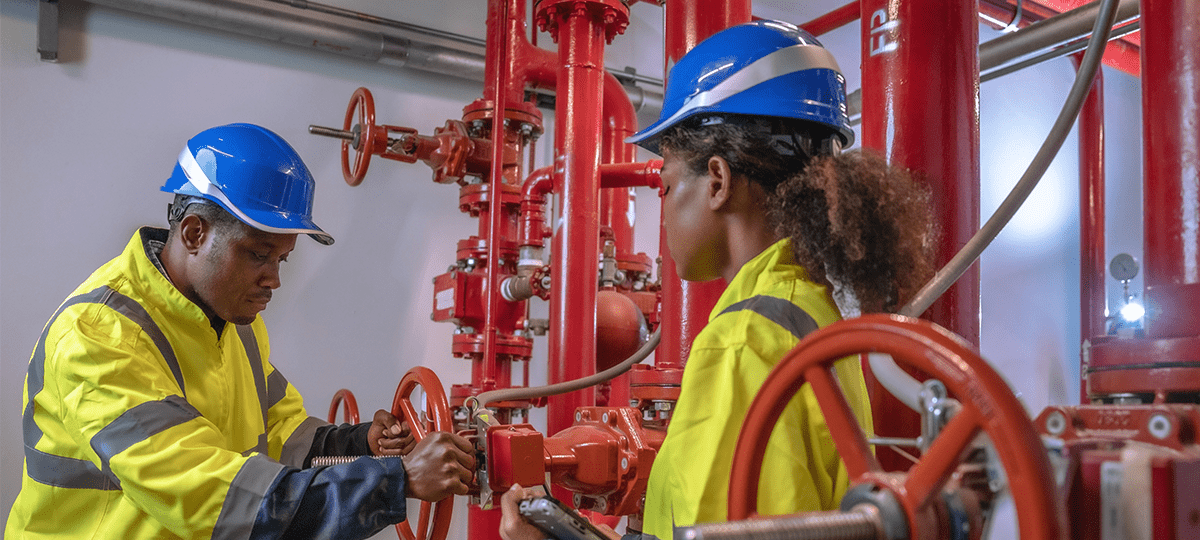
Why Fire System Inspections Matter
At FSS Technologies, we believe that safety isn’t a luxury—it’s a necessity. Our commercial fire protection services are designed to give your business peace of mind, knowing that your properties, people, and assets are secure and compliant with fire and life safety codes. We specialize in fire sprinkler systems, fire extinguishers, and backflow preventer inspections…

Best Security System Setups for Senior Citizens
According to the American Association of Retired Persons (AARP), nearly 90% of senior citizens want to stay in their homes as they age even if they need day-to-day assistance or have ongoing health issues like early-stage Alzheimer’s or dementia. Unfortunately, criminals often target senior citizens as victims. Thieves assume older people will not be able…
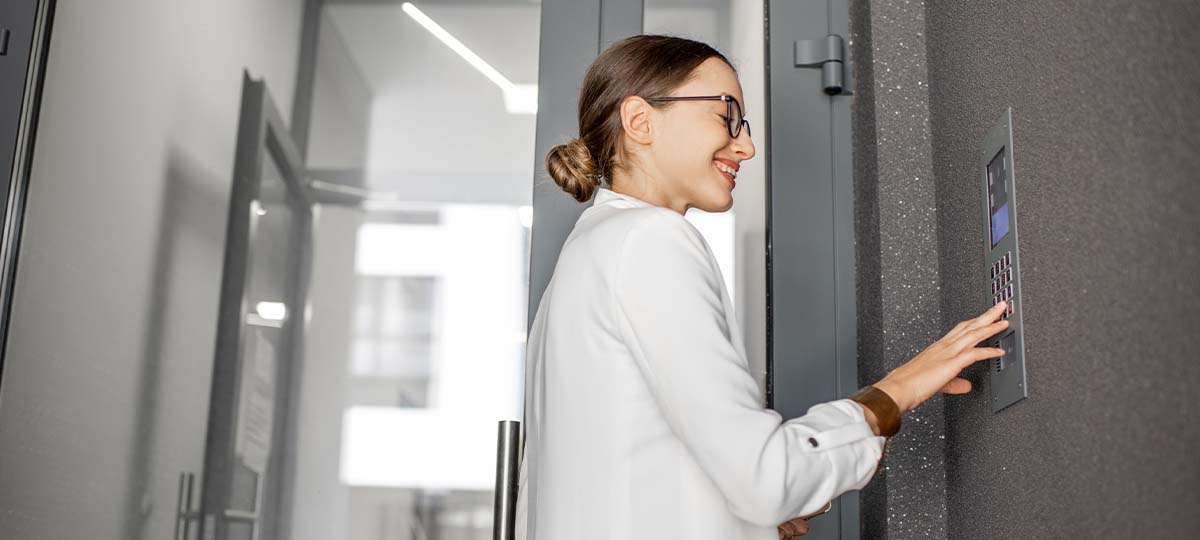
Does My Business Need an Access Control System?
Does My Business Need an Access Control System? Before determining whether your business could benefit from an access control system, let’s go over the different types and their capabilities. In short, an access control system is a type of security system that lets you control who, where, and when someone can enter or exit your…

Items Burglars Want Most
Burglars move quickly. Because they tend to spend as little as ten minutes inside a home or business, several big-ticket items tend to fall prey to thieves. While some items on our list come to mind instantly, some may be more subtle. Outside of installing a security system, taking extra steps to secure your items…
ADT Home Security Settlement
ADT home security is facing a class-action lawsuit. The plaintiffs allege that ADT failed to disclose wireless sensors’ vulnerability to evasion and jamming. Why should you care? Although this settlement is for ADT, this is a vulnerability all wireless security systems face. Let’s talk about wireless technology for a second. All home Wi-Fi networks are…