Where Should Smoke Detectors Be Placed?
Smoke Detector Placement
Fire can spread extremely fast. In just minutes, a building can be fully engulfed in flames. Smoke detectors are critical to give people inside homes and commercial buildings early warnings so they have time to get out. Proper smoke detector placement is also key when it comes to keeping your home or business safe.

Residential Smoke Detector Placements
At a minimum, The National Fire Protection Agency (NFPA) recommends that smoke detectors be placed:
- Inside every sleeping room
- Outside every sleeping room
- On every level of your home, including the basement
Additionally, the NFPA recommends the installation of smoke alarms near the stairways leading to different levels of your home and at least 10 feet from cooking appliances. The NFPA also suggests interconnecting all smoke alarms, so when one alarm sounds, they all sound. This can be done with hard-wiring or wireless technology. It’s recommended that you test your smoke alarms at least once a month and replace them every 10 years. Dead batteries caused one-quarter (26%) of the smoke alarm failures
There are two types of smoke alarms that are used in residential homes – ionization and photoelectric. For the best protection, a combination ionization-photoelectric warning, known as a dual-sensor smoke alarm, is recommended. Make sure the detector is approved by Underwriters Laboratories (UL), which sets strict testing and safety requirements.
Commercial Smoke Detector Placements
In commercial buildings, the location of smoke detectors are set by the Authority Having Jurisdiction (AHJ). The AHJ is defined as the organization, office, or individual responsible for enforcing the requirements of a code or standard, and for approving equipment, materials, installation, or a procedure.
Fire codes and standards are based on the codes and standards of the NFPA. However, there can be many differences between AHJs in how the codes are enforced and what codes are enforced. Many times, fire alarm systems require the approval of multiple jurisdictions (local, state, and joint commission). There are also federal Occupational Safety and Health Administration (OSHA) regulations and inspections to be considered, and OSHA inspectors can override the local AHJ.
Smoke Detector Testing & Maintenance
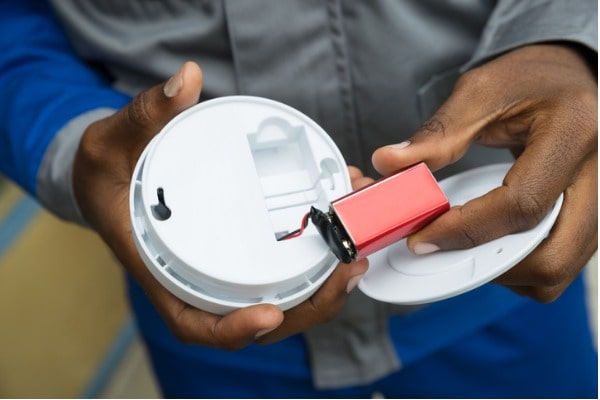
Once your smoke detectors are installed, it’s critical to test them regularly and maintain them.
For residential smoke detectors, the NFPA recommends that you:
- Test smoke detectors every month.
- Change the smoke detector batteries every year.
- Replace your smoke detectors every ten years.
For commercial buildings, inspection, testing, and maintenance requirements will also be set by the AHJ. In order to test industrial smoke detectors, you must be certified by the National Institute for Certification in Engineering Technologies (NICET) or licensed by the state.
Smoke Detectors Save Lives
According to data from the NFPA, nearly two-thirds of home fire deaths resulted from fires in homes without smoke detectors or without working smoke detectors. Smoke detectors are one of the most critical parts of a home safety system.
At FSS Technologies, our fire alarm system designers and installers are NICET certified. We understand the nuances of installing fire alarms in most jurisdictions. If your home or business needs a fire safety system, contact us for a free consultation.
Explore Our Other Blogs

Professional vs. Self-Monitoring: Cost Comparison
We recently talked about the various codes required for your security and fire protection systems. We also talked about why monitoring is vital as part of a business’s fire safety system—mainly because the code may require it. This blog will address the pros and cons of self-monitoring your business’ entire alarm system versus the cost of professional security monitoring. First, what is the difference between the two? Professional vs. Self…

3 Ways Security Contracts Help You
Are Contracts Required with All Security Companies? No. Not all security companies require a contract, but that doesn’t necessarily mean a no-contract company is a better option. There are pros and cons to contracts. The key is to know what you are paying for in a contract and details about the reputation of the company….
Fire Systems for Commercial Properties
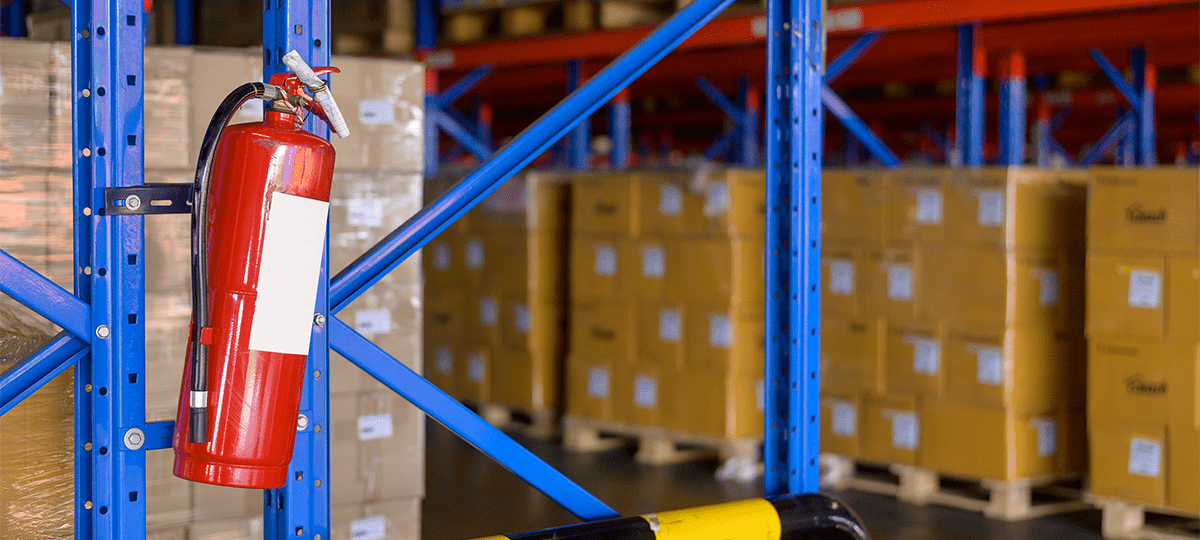
Commercial property management companies have portfolios varying in scale and specialty. Still, they all share the standard responsibility of understanding and implementing fire safety measures for their operations. Fires pose a significant but avoidable threat to your properties, occupants, and sources of revenue. While not all fires can be prevented, some can cause catastrophic damage…
Is the Use of CCTV Cameras in the Workplace Illegal?
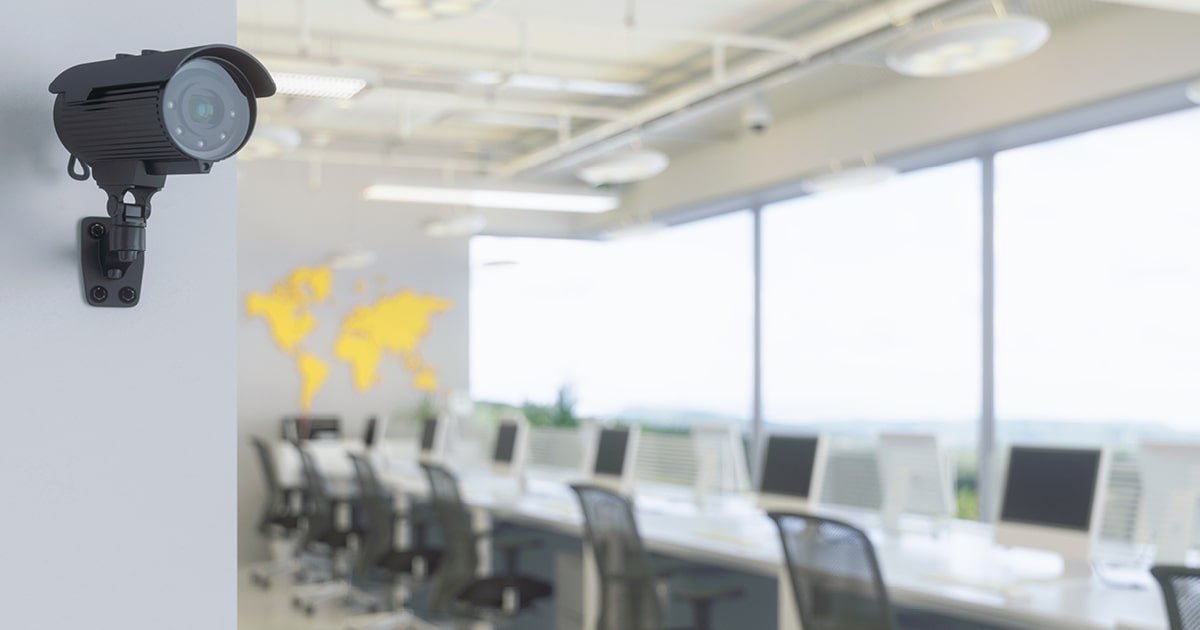
Know the Law Business owners are responsible for the security and well-being of their employees and company property. Many companies use technology such as cameras, motion detectors, and other tools to keep an eye on their building or cash areas. Many new businesses and employees may be wondering: Are CCTV cameras illegal in the workplace? Let’s…

How Does Fire Alarm Monitoring Work?
According to the National Fire Protection Association (NFPA), there is a fire reported in the United States every 23 seconds. If a fire occurs in your home or business, you want to be notified right away. You might be asking yourself, so how does this work? How can I ensure I am protected at all…
Where Should Fire Alarm Pull Stations Be Located?
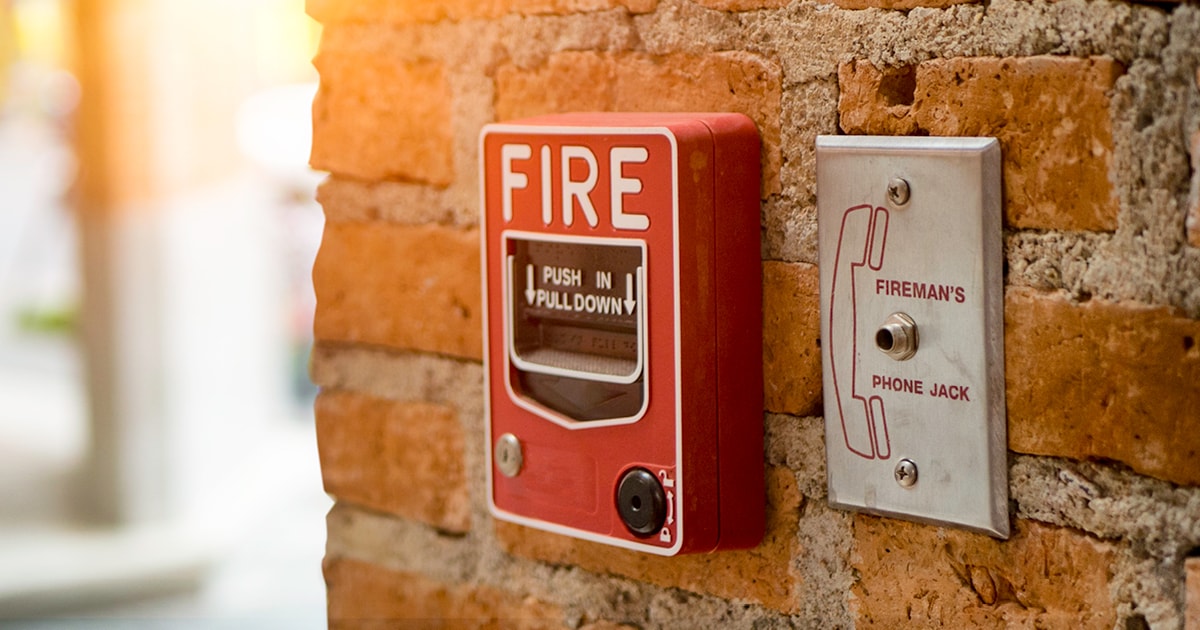
While they generally go unnoticed until a moment of need, fire alarm pull stations are an integral part of a business or large residential building’s commercial fire system. What is a fire alarm pull station? As opposed to a smoke detector or sensor, human intervention activates a manual pull station and is the catalyst for setting…

What Causes False Alarms on Home Security Systems
False alarms on home security systems are not only an annoyance for homeowners, but they take up the valuable time and resources of our local law enforcement officials. In fact, many cities and towns now charge homeowners a fee for false alarms. In order to save you the frustration and potential financial hit, let’s look…

Why Fire Alarm Monitoring is Essential for Your Business
We’ve talked about the National Fire Protection Association (NFPA) in previous blogs and how it is essential to understand and obey their standards when installing, testing, and maintaining fire alarm systems. Fire Alarm Monitoring is the Law Your business might need to include monitoring as part of its fire safety system due to NFPA 101® . NFPA…
Lowe’s Iris Line Goes Under
Many consumers are seeing red with the recent news that big-box retailer Lowe’s is shutting down service to its Iris smart home platform. Lowe’s launched its Iris cloud service in 2012 so it could sell its own smart home products to the public. Customers with an Iris smart hub, the heart of the network, could…

5 Common Fire Safety Violations
For business owners, maintaining a commercial fire safety system is crucial for day-to-day protection. Ensuring your system and its components are in order is especially important when your business’ fire inspection occurs each year. Even if you do everything you can to prepare for your next fire inspection, you may only realize you missed something…