What is an Emergency Action Plan?
The purpose of an Emergency Action Plan is to inform employees of what actions they should take if an emergency occurs at work. It’s required by the Occupational Safety and Health Administration (OSHA), and it can be critical in preventing the loss of property, or lives, in a crisis.
If an emergency alarm went off right now at your place of business, why might it be going off? Do you have any emergency alarms in place other than a fire alarm?
What can Go Wrong at Work?
Emergency situations at work vary based on the line of work you are in, the number of people you employ, the area of the country you are in, the size of your facility, and much more.
In general, the most common emergency situations include:
- Fire
- Medical emergency
- Natural disaster, such as a tornado, flood, hurricane, or earthquake
- Chemical spills or toxic gas release
- Active shooter
To start putting together your own Emergency Action Plan, consider what risks your business faces that could threaten your employees, customers, or the public, shut down your operations, or cause physical or environmental damage?
What do I Need to Prepare as an Employer?
According to OSHA, a workplace with 10 or less employees need to communicate an emergency plan to employees. With any higher number of employees, creating a written plan is required.
While creating a plan is one part of your emergency action process, you will also need to assign roles to your employees and ensure that you have the necessary equipment for safety procedures.
What will Your Employees do if an Emergency Happens at Work?
Will they freeze? Will they panic? Will they run away? Will they look at each other blankly, not knowing what to do?
It’s impossible to predict how anyone will react in a true emergency when the fight or flight instinct kicks in, but it is probably safe to say that one of the first things you want them to do is notify someone else that your business is in trouble. Who do they report a report an emergency to?
For example, if there’s a fire, do you want your employees to evacuate the building and call the fire department, or have you designated someone who can use a portable fire extinguisher to put out the flames? Are there any employees in your office properly trained and authorized to perform rescue or medical duties?
At a minimum, OSHA requires your emergency action plan to include a means to report a fire or other emergency, evacuation procedures and escape routes, procedures for any employees who remain behind before they evacuate, as well as how you will account for employees after an emergency evacuation, rescue and medical duties for employees performing them and a list with the name or job title of every employee who may be contacted by employees who need more information about the plan or an explanation of their duties under the plan.
Alternatively, you can think of it like this:
- How can an emergency be reported? Hitting an alarm? Making a phone call? How will someone know what number to call?
- How will other employees or persons on the premises be notified of the emergency? A public-address system? An alarm? A portable radio unit?
- Should you evacuate? Who is responsible for making that decision?
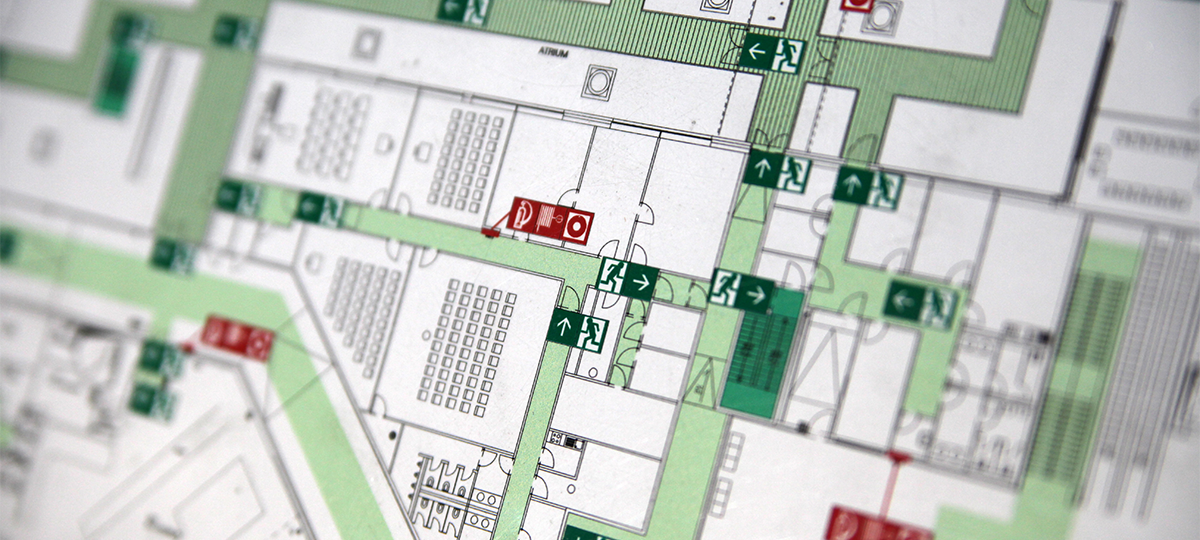
- Are evacuation routes well marked for all employees, including those with special needs? Will anyone do a final sweep to ensure everyone is out?
- Where should everyone meet up after they have left the building? How do you know who was in the building to begin with, so you can account for everyone that has left?
- What should your employees do next?
While not a requirement, a practical consideration you might want to make is designating an off-site communication center your employees can use in the event of an evacuation to contact key personnel and access emergency contact lists or other essential records.
How do You Train Employees on Your Plan?
Going through the process of writing your Emergency Action Plan down on paper is just the first step. A plan collecting dust on a shelf somewhere will not be of any use in a real emergency.
Determine: How are you going to train your employees on your plan? Do they just have to read it? Are you going to run drills? Is the plan someplace visible and accessible? Is there anyone in your office who is trained in first aid? How often will you update your plan?
There is a lot to think about a business owner and the development and implementation of your Emergency Action Plan should always be at the top of your list, not the bottom.
Additionally, you will need to figure out how to create ongoing trainings and orientation when it relates to your Emergency Action Plan.
For more resources, ask for help from other businesses or local emergency responders in reviewing your plan, or visit OSHA for free education, training or onsite consultation services.
The security experts at FSS Technologies are always available to answer your questions and develop unique security solutions for your business.
Explore Our Other Blogs
7 NFPA Codes Every Business Should Know
Business owners have an enormous responsibility to ensure their employees and customers are protected from fire hazards. Companies in industries like manufacturing and property management each face unique challenges in preventing fires and meeting code requirements. The National Fire Protection Association (NFPA), one of the world’s leading experts in fire and life safety, has published…

Business Security Camera Placement Guide
Security camera placement in a business needs to be strategically decided based on several important factors. Areas that store valuables, have high foot traffic, and enable access to your building should be some of the essential locations. Learn more about what kinds of security cameras you can use and where they should be installed in…

8 Home Security Tips
With more than 45 years of experience in the home and business security industry, here are our top eight tips for discouraging intruders and burglars from targeting your home. 1. Create the illusion that someone is at your house. If you are going to be gone for an extended time, leave a light or TV…

Smart Home Security & How to Implement
Home Security Paired with Home Automation Security vs. home automation is the friendliest rivalry around. Why? Because they play so well together. Security systems used to have a singular focus—keeping unwanted people out of a house. But as technology evolves, security equipment placement throughout the home for protection performs a dual purpose: Helping homeowners with…

Can a Security System Save My Business Money?
If you’re a business owner, you know the importance of weighing the pros and cons of major purchases before making them. A commercial security system is one of the higher-ticket items that can cause the most significant hesitation. While they can take large investments to purchase, install, and maintain, security systems can offer long-term savings…

Ins and Outs of Contract vs No Contract Security Systems
Many people see signing a long-term contract with a reputable alarm company as a stressful experience. In truth, contracts are in place to benefit both the alarm company and the homeowner. Developing a relationship and signing a long-term commitment to a security company allows you to get to know a team and benefit from the peace of mind that…

What is Video Alarm Verification?
Video alarm verification is a tried-and-true technology that is an underused component in residential and commercial security systems. Video alarm verification adds an extra element to your overall security by partnering your security system with an alarm monitoring center. When an alarm is triggered, video alarm verification allows monitoring center employees to view the situation…

Types of Fire Suppression Systems
Fire suppression is one of the most important layers in a commercial building’s life safety plan because it is designed to control a hazard early, often before conditions spread beyond the point where occupants or staff can safely intervene. That matters for more than just damage control—it affects potential interruptions, compliance issues, and emergency performance….

What Is an Area of Refuge?
Area of Refuge Systems An area of refuge, also known as an area of rescue assistance, is a place within a building where people can safely wait for rescue and call emergency responders for help. An area of refuge is part of U.S. federal law, enacted in 1990 as part of the Americans with Disabilities Act….

Do You Know How Your Alarm System Communicates?
What is alarm monitoring? One of the most sought-after features for residential and commercial security systems is 24/7 alarm monitoring. Monitored security systems are connected to a central monitoring facility with staff who review tripped alarms, verify emergencies, and contact relevant emergency services. Monitors generally reach at least two phone numbers connected to a residence…