Testing Fire Alarm Call Points
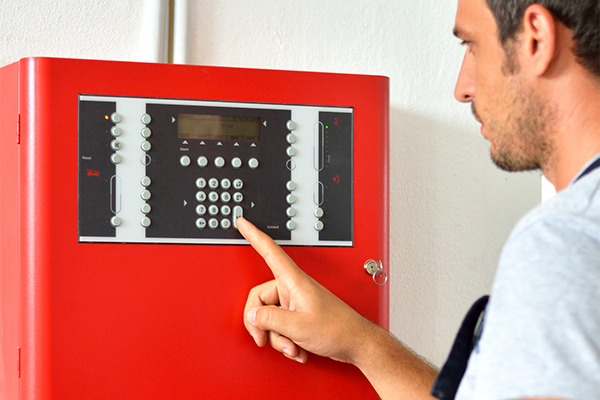
Most large commercial-grade fire alarms today are addressable systems. Unlike conventional systems that use fire alarm zones, addressable fire alarm systems assign a unique “call point” to every device. Each one sends a digital signal to the main panel, creating a two-way line of communication that shows activations and status updates. An addressable panel can then identify the location and status of every single detection and protection element in its connections.
In a conventional setup, alarms only indicate the general area of a problem. Addressable fire alarm systems communicate through scalable digital signaling networks that can be easily updated. When equipment or room layouts change, new call points can be added or reassigned without replacing the entire network. These networks enable technicians to monitor the status of each call point in real-time, helping businesses reduce downtime and ensure faster, more accurate emergency responses.
When a sensor in an addressable system triggers, the fire alarm panel notates which device or point was activated. These indications help building owners pinpoint the location of possible emergencies. Instead of searching within a larger zone, first responders can go directly to the exact site of the hazard. This targeted accuracy can make a critical difference in emergencies where every second counts.
Fire panels like these are particularly useful for promoting fire safety in large structures. Sporting venues, multistory buildings, and other large facilities can have 10,000 to 20,000 points throughout the facility. A point is anything that detects fire, smoke, or heat, such as a smoke detector or sprinkler head. With that many active components, testing each one regularly becomes essential to verify communication paths, confirm sensor sensitivity, and prevent false or failed alarms.
What does a fire alarm call point test include?
Fire alarm testing ensures that all the components of your system function correctly. Authorities typically require you to conduct full-scale fire alarm inspections and testing once a year. Depending on your industry, you may have additional standards to comply with.
While specific requirements can vary based on state and local requirements, tests usually involve:
- Activating manual pull stations to ensure that each location communicates with the alarm panel correctly
- Checking emergency and exit lighting to confirm that areas of egress are well-lit if the power goes out
- Sounding horns and running strobes to confirm that audible and visual signals operate throughout the building
- Checking smoke detectors and sprinkler heads to confirm each call point activates and is shown on the alarm panel
- Running a mock evacuation for inhabitants to ensure employees can remember and follow an established emergency action plan
Beyond comprehensive annual inspections, many facilities inspect or test key components, such as smoke detectors and other sensor-based call points, once a month or every six months. These interim checks keep systems in compliance with insurance and local fire codes while reducing the risk of system failures between annual inspections.
The National Fire Protection Association (NFPA) sets codes and standards for fire detection, signaling, and emergency communication. NFPA 72: National Fire Alarm and Signaling Code® dictates the specific testing requirements. Local municipalities base their requirements on NFPA 72, but the specifics can still vary depending on a building’s location.
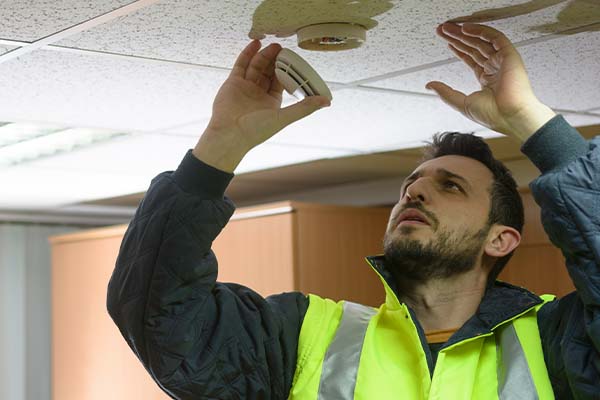
During a test, technicians document the performance of each device and verify that it communicates properly with the control panel. They may use testing tools, such as smoke or heat simulators, to ensure that detectors respond accurately. Test reports provide proof of compliance and can highlight maintenance or upgrade needs.
Why do fire alarm tests matter?
Regular testing of fire alarm call points ensures that your system works exactly as intended when it matters most. Routine tests help identify worn components, wiring issues, or environmental factors that may impact device performance. Faulty call points can delay emergency response times, so taking a proactive approach improves safety and code compliance.
Fire alarm call points serve as a direct link between people and protection. When someone notices smoke or flames, that simple action of activating a manual call point can initiate a chain of lifesaving responses. Regular testing also helps reduce nuisance alarms, which can desensitize building occupants over time. Verifying proper operation and signal integrity ensures that alarms sound only when necessary, maintaining both credibility and safety for everyone.
Who can enforce fire codes?
The Authority Having Jurisdiction (AHJ) is the organization, office, or individual responsible for enforcing fire codes and regulations. Your respective AHJ could be a county representative, city employee, or local engineer. The specifics on code enforcement and testing vary widely, so verify requirements for your system with your local AHJ. They also determine your testing schedule, so refer to them for test frequency.
In some regions, the local fire marshal or building department acts as the AHJ. In others, an AHJ could be a state fire prevention bureau or a private engineering firm. For specialized facilities such as hospitals or industrial plants, additional oversight agencies may impose more strict inspection requirements. Understanding which entity governs your property helps you stay ahead of inspections and avoid fire code violations.
Who can test fire alarm systems?
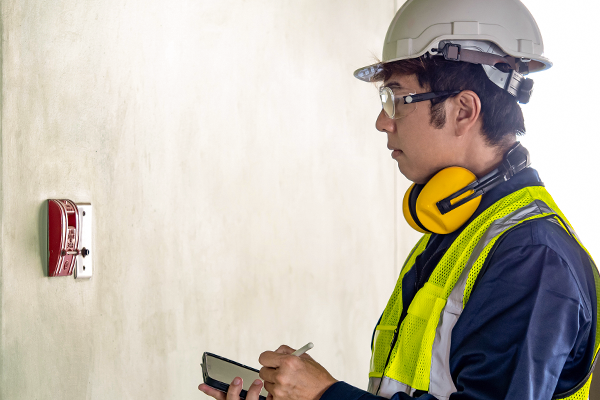
The National Institute for Certification in Engineering Technologies (NICET) certifies professional fire alarm inspectors and testers. Certification levels range from entry-level to advanced expertise, ensuring that professionals have a comprehensive understanding of older and newer fire alarm systems. NICET-certified technicians must renew their certifications on a regular basis.
Fire alarm testers often need to earn and maintain a license from their state as well. Licensing typically requires continuing education and regular certification with the state. These requirements ensure that professionals stay current with the latest fire codes, technologies, and safety practices.
Get top-to-bottom fire alarm services with FSS Technologies
At FSS Technologies, we offer custom fire protection solutions for both small and large properties. Our team focuses on your specific safety and compliance needs. With NICET certifications and high standards, our expert service technicians know how to properly install, test, and inspect fire alarms in the areas we serve.
As a Midwest-based leader in life safety, our technicians understand the local codes and standards that apply to your specific municipality. We don’t just test and inspect—build long-term service partnerships to keep your fire alarm systems reliable year-round. Contact us to schedule a free consultation and learn how we can help protect your property.
Explore Our Other Blogs

Can I Install Monitored Security in My Apartment?
The most recent FBI data estimates that there are over 1.2 million burglaries a year, resulting in around $3.4 billion in property loss. Although property crime as a whole has been on the decline, the rise in popularity of video doorbells and more comprehensive and integrated home security systems shows that Americans are no less…
What are the Different Types of Smoke Detectors?
Smoke detectors are vital to fire safety for homes and businesses. Because they protect lives from fires or gas leaks, it’s essential to choose the best detector for your environment. There are various options to choose from, meaning you need to understand the benefits each one offers before making a selection. Learn more about the…
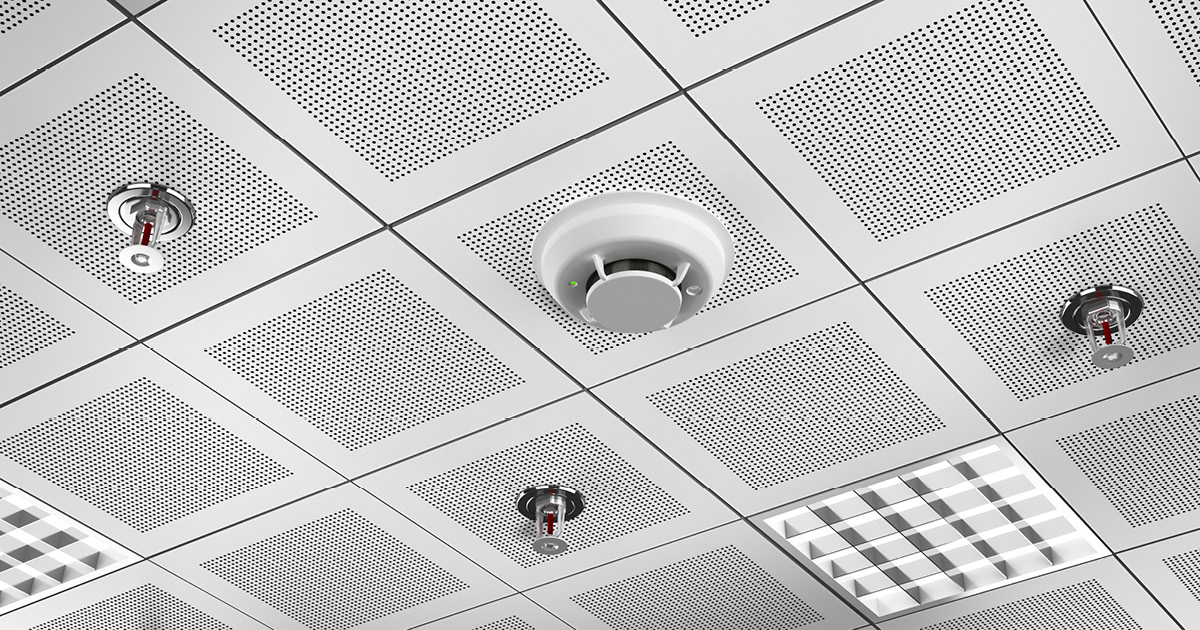
When Is Automatic Fire Detection Required?
A fire detection system is a good idea for your property, and many insurance companies offer discounts based on your level of protection. While not required in your private residence, the law does require automatic fire detection in a wide array of other facilities. Local Building Code Requirements Your state’s building code will spell out…
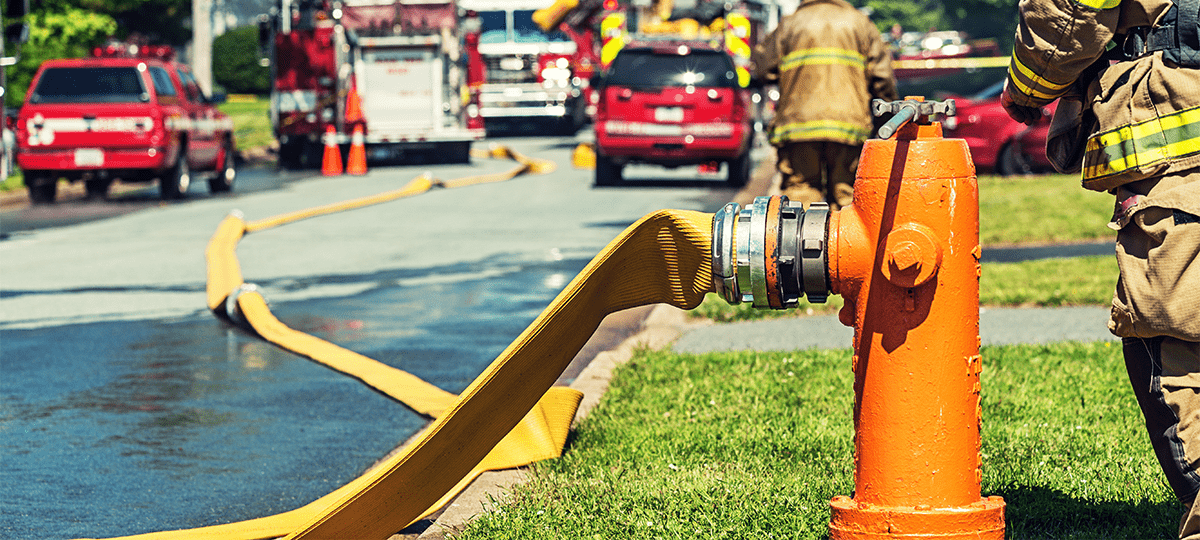
Why Are Fire Hydrants Different Colors?
The eye-catching colors of a fire hydrant are hard to miss, whether you’re walking through a city or driving around a neighborhood. What many don’t realize, however, is that these colors are integral in helping emergency responders identify and assess their available resources when preparing to fight a fire. Fire hydrant colors are distinct to…
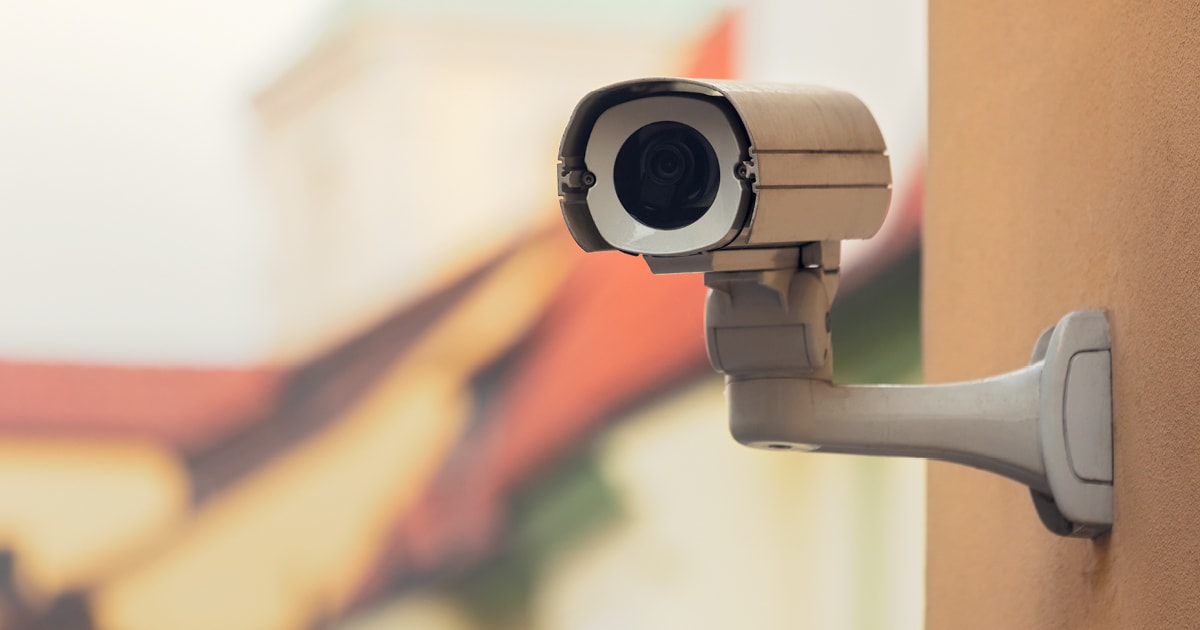
What are the Best Outdoor Security Cameras?
Outdoor security cameras do more than record what happens around a property—they help you see clearly, respond faster, and document events when you need answers. Whether you’re protecting your home’s front porch and driveway or monitoring your company’s parking lot, loading dock, or perimeter gate, the “best” outdoor security camera is the one that fits…
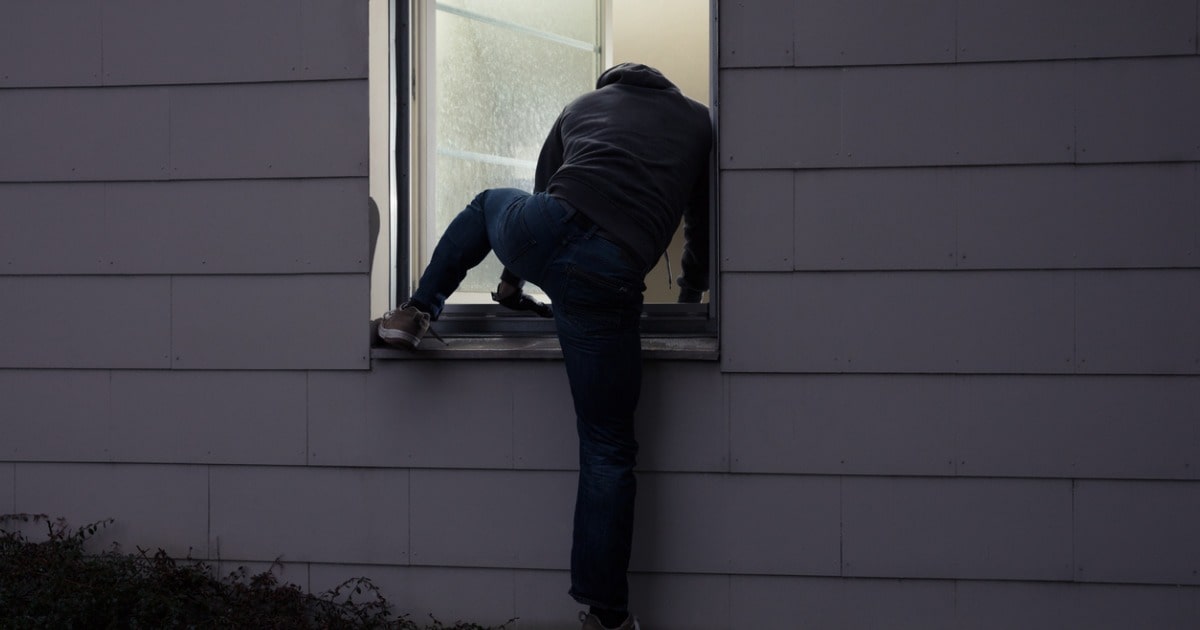
Can You Get in Trouble for Breaking into Your Own House?
Is it legal for you to break into your own house? Yes, you can get in trouble for breaking into your own house—at least temporarily. If the police are notified that there is a break-in at a residence, either by a neighbor or a security alarm, they can detain or arrest you until you can…

Certifications That Make Us Security Experts
At FSS Technologies, we pride ourselves on the fact that we are not your typical fire safety or security company. When people call us, they don’t want a one-size-fits-all solution — they want our experts to design a system that perfectly fits their needs. We take “First in Security, First in Satisfaction” seriously to ensure every…

Smoke Detectors for the Hearing Impaired
What are Visual Fire Alarms? If a fire breaks out, occupants of a building may have as little as two minutes to get out before the fire becomes life-threatening. Fire alarms provide an early warning notification and alert people to evacuate, but what if you are deaf or hearing impaired? How do you know there…
Spring Cleaning Your Security System
The unofficial countdown to summer begins for many of us each year as we “spring forward” into daylight saving time, moving the clock forward one hour to give us an extra hour of sunlight at the end of every day. Since this is the time of the year when we change our clocks, it is important…

Best Security System Setups for Senior Citizens
According to the American Association of Retired Persons (AARP), nearly 90% of senior citizens want to stay in their homes as they age even if they need day-to-day assistance or have ongoing health issues like early-stage Alzheimer’s or dementia. Unfortunately, criminals often target senior citizens as victims. Thieves assume older people will not be able…