Addressable vs. Conventional Fire Alarms
When determining what type of fire alarm systems are best for your business, it boils down to your choice between a conventional and addressable alarm system. The combination of smoke, heat, and carbon monoxide detectors work together with your control panel to keep your business safe. Additionally, you will need to determine what kind of automatic and manual fire alarms you want to be installed.
While the installation for different systems may vary, the type of system you require will be in part described by the NFPA standards and the Authority Having Jurisdiction in your area.
Conventional Fire Alarm Systems
A conventional alarm system has numerous devices on a single pair of wires and may cover up to 20,000 square feet per zone. Typically, conventional systems are used for small facilities with few devices. Because there may be numerous devices on a single pair of wires, when an alarm is activated, there is no indication of which device was initiated at the panel. In order to determine which device was initiated you will have to inspect each device. Conventional systems are typically no longer acceptable by Authorities Having Jurisdictions.
Addressable Fire Alarm Systems
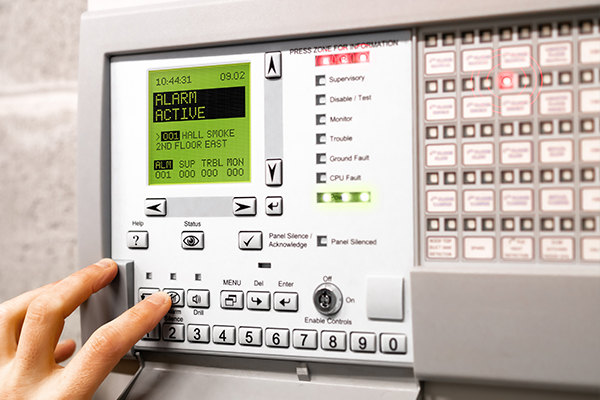
In contrast, an addressable system connects all devices using a loop, a single pair of wires for as many as 250 devices. Each device on the loop has an address as well as a description which is usually the location. When an alarm is activated, the individual address and description is displayed on the panel’s LCD. These systems are the most popular system across the industry today, and most jurisdictions require addressable systems.
These are better suited for large and complex systems because the loop technology means simplified wiring. Additionally, an addressable system offers more protection against false alarms because there are options that allow you to set up warning triggers. These warnings can help you identify potential false alarms and solve the issue before evacuating a large building.
Cost Differences
Conventional alarm systems are less expensive because the equipment required is simple, but they are more time consuming and labor intensive to install because of the multiple connections to the control panel.
An addressable system requires less wire and is a more simplified connection to the control panel itself. Addressable systems include more updated technology and advanced options, which would make it more expensive.
How to Choose
Generally, the size and type of your business will determine whether an addressable or conventional system is best suited to your building.
Addressable systems offer significantly advanced technology. New smoke detectors can tell the difference between a smoke particle and steam. Troubleshooting is significantly reduced on addressable systems due to advanced software and programming built into the system. In general, addressable systems are the best option for most facilities. If you still aren’t sure, our experts at FSS Technologies can assess your needs and help you determine what equipment and devices your building will require.
Once you have determined and installed your fire alarm system, you will be able to create fire safety procedures for your workplace and begin training your employees to be familiar with the system.
Give the fire alarm pros at FSS Technologies a call to learn more about our security and fire alarm system installation options. We are happy to answer any questions you may have.
Explore Our Other Blogs
How Savance Workplace Can Work for You
Savance Workplace is one of the nation’s leaders in workforce management solutions, offering tools that help declutter your company’s processes and optimize your productivity. With a wide variety of fully customizable products branded for your business, Savance Workplace can help your organization take its efficiency to the next level. As a trusted partner of Savance…

Has My Home Security System Been Hacked?
With more DIY security systems than ever available with the touch of a button, families around the world are choosing to protect their homes with easy to install cameras and alarms. The expert team at FSS Technologies aims to help homeowners make the right choice for their families when selecting a home security system. A…
Commercial Fire Extinguisher Compliance Guide
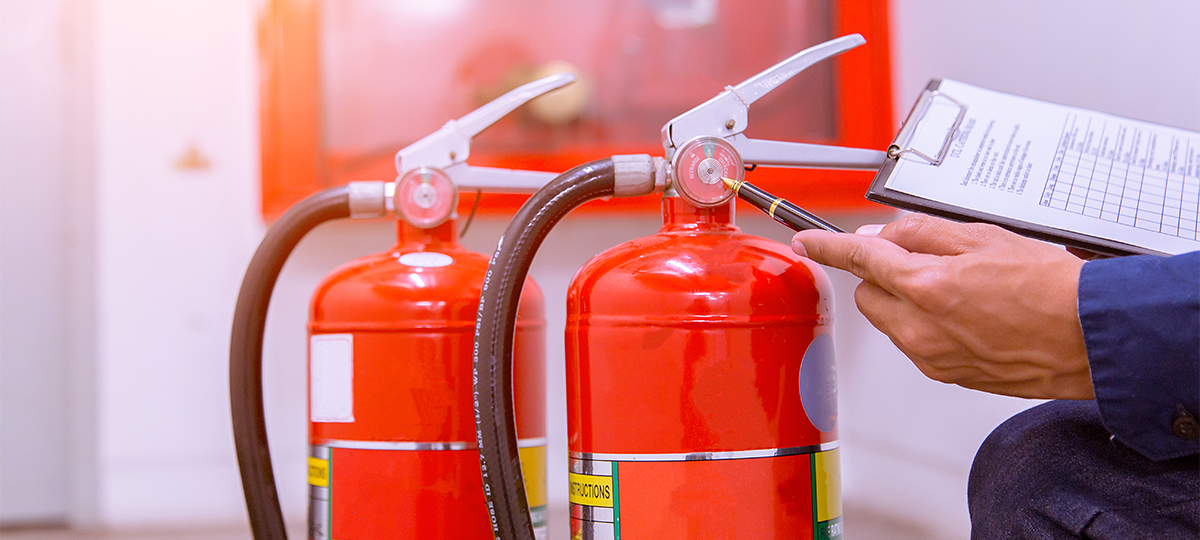
Fire extinguishers are one of the most visible fire protection tools in a building, and they’re often the first line of defense when a fire starts. But having extinguishers installed throughout a structure is only part of the equation. If a unit is blocked, missing a safety pin, damaged, partially discharged, or overdue for servicing,…

Avigilon Alta: Leading Commercial Access Control
With the rise in popularity of hybrid workspaces and flexible scheduling, more business owners are turning to access control systems to secure their investments. Not only are access control systems the latest standard for commercial security, but FSS Technologies is a proud partner with Avigilon Alta, the leading access control system manufacturer. Why Avigilon Alta?…

What Do Villages Require to Add a Security System?
What Is a Village? A village in the United States is defined as a small municipality with limited corporate powers. A village government usually consists of a village board made up of trustees and a village president. Village Building Codes Have Minimum Requirements Every village adopts its own building codes to establish minimum requirements for…
How Often Should You Inspect Your Fire Alarm System?
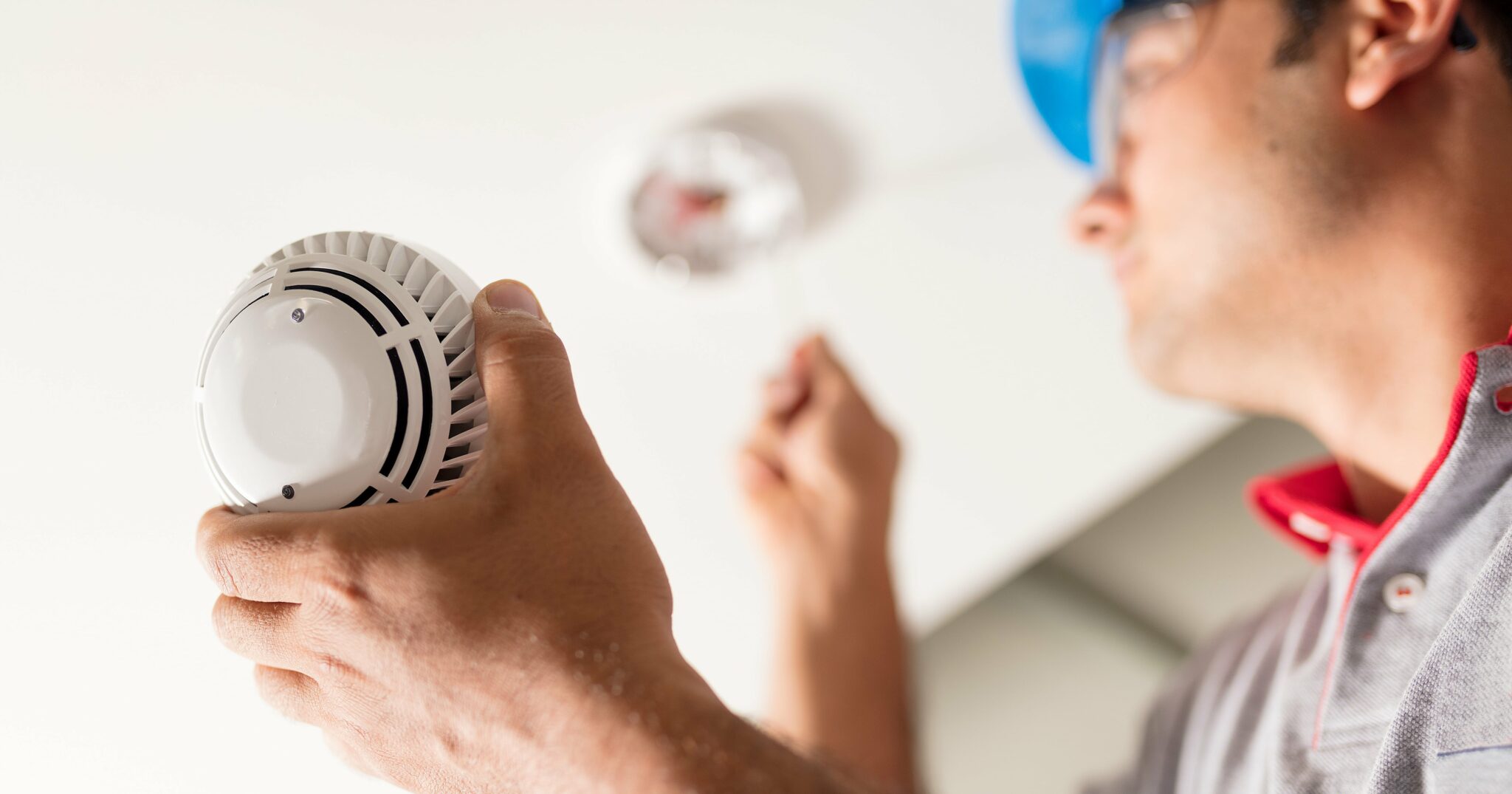
Everyone dreads the day when fire alarm systems are being tested because they are often loud and annoying. However, the importance of making sure your fire alarms are working properly outweighs the small distraction of lights and noise. Putting off a fire alarm inspection can be both risky and negligent for business owners as it…

Alarm Monitoring Services: How They Work
An ear-piercing siren and flashing strobe lights create an immediate sense of emergency and indicate an alarm of some sort has been triggered. Now that the alarm has been triggered and the warning sirens have sounded, what happens next? If you have a monitored security system, it won’t just be the neighbors or passerby alerted to…

Motion Detector Installation Basics
Motion detection devices are a crucial component of any security system, commercial or residential. They allow owners to cover a relatively large amount of space with a small number of devices. Motion detectors also are known to detect activity that window sensors might miss. When it comes time to install motion detection devices, remember these…

How Landscaping Affects Your Security
Visibility When it comes to the landscaping around your home or business, there are several considerations to keep in mind that could affect your visibility and overall security. While some suggestions to increase visibility and reduce obstructions may seem obvious, others are more subtle and could have a considerable impact. Lighting Having adequate lighting around…
5G Security Concerns & the 3G Sunset
Consumers are using the internet on the go more than ever. By 2022, it is projected that consumers will utilize nearly 11GB of data per month, primarily due to video consumption. To create a more robust and long-term solution, technology infrastructure is working towards the next generation of mobile networks: 5G. With this network upgrade…