How Video Doorbells Work
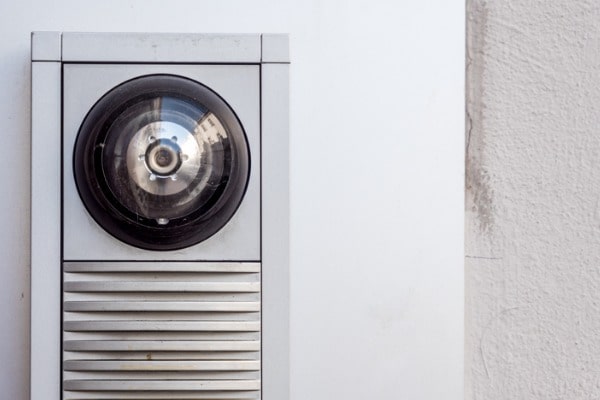
A video doorbell is a system that allows you to see who is ringing your doorbell by way of a video connection. If your video doorbell has a two-way audio system, you also can talk to the person at the front door, whether you’re home or not. How you connect your system and how you access it depends on you.
Why would I want a video doorbell?
- If your home is large, you may need to purchase multiple extenders to relay the signal further
- There is a chance of interference from other devices running on the same frequency. However, many video doorbells offer multi-channel operation features to help avoid this issue
- You will need to change the battery on your wireless doorbell, and perhaps your receivers
Why would I want a video doorbell?
There are many reasons people want a video doorbell. For some, it’s like caller ID for the front door. They want to see who is there before deciding whether or not they’ll answer the door.
For others, it’s for security, so they have a video recording of everyone who has approached or rang their front door. Also, visitors won’t realize you are not at home if you can speak to them through the two-way audio system.
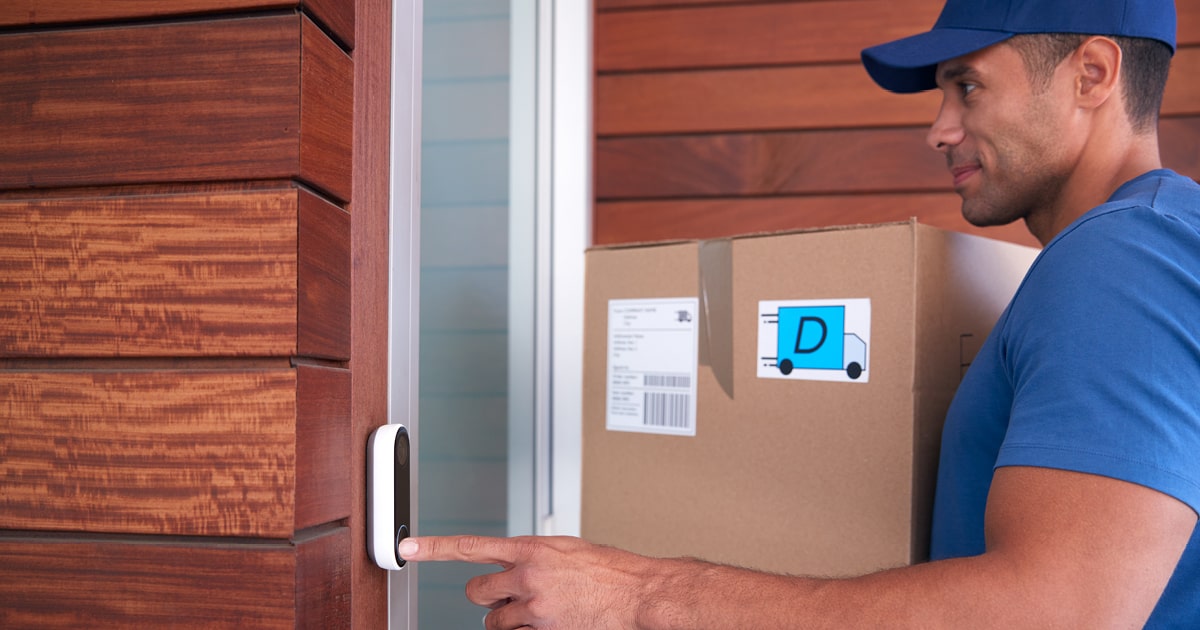
Some people like a video doorbell system for package delivery, giving them the ability to verify a package arrived and tell the delivery driver where to place a package when they are not home.
Wired vs. Wireless
A video doorbell system is installed in one of two ways: either by hardwiring the doorbell into your home’s electrical system or choosing a wireless video doorbell.
A hardwired video doorbell often can be set up using the wiring for your current doorbell and adding a new doorbell button and indoor speaker. If you live in an apartment building or rented property, you probably cannot install a wired video doorbell system without written permission from your landlord, but you can install a wireless video doorbell system.
A wireless system uses radio waves to connect the outdoor doorbell button to the receiver or speaker inside the house, so physical electrical wiring isn’t necessary.
Pros of a Hardwired Video Doorbell
- More designer choices in doorbells to match your home’s décor
- There are no batteries to worry about – your doorbell always has power, as long as the electricity is on because it is hard-wired into your electrical system
- There are no issues with interference from your neighbor’s wireless devices operating on the same frequency/channel as yours
- Consistency and reliability of operation
Cons of a Hardwired Video Doorbell
- You will have to drill holes, and you need to have some wiring knowledge, or you will need to have professional installation
- If you rent your residence, you may not be allowed to install
Pros of a Wireless Video Doorbell
- There is no need to drill holes in your house for installation
- It’s simple to move
- Wireless doorbells are affordable and feature-rich, such as the ability to have your doorbell chime play up to 50 different tones, depending on the season or the location of the door
- A wireless doorbell can be synced with other home automation systems (be sure to check the compatibility carefully before purchasing a video doorbell, not all systems are compatible)
Cons of a Wireless Video Doorbell
- If your home is large, you may need to purchase multiple extenders to relay the signal further
- There is a chance of interference from other devices running on the same frequency. However many video doorbells offer multi-channel operation features to help avoid this issue
- You will need to change the battery on your wireless doorbell, and perhaps your receivers

Video Doorbell Features
Once you’ve decided on the basic type of system you want to use, you can start the fun part of comparing all the different features available in video doorbell systems. Some of the most important things to look for in a video doorbell are:
- Camera resolution – The higher the resolution, the better quality video you get, and that will give you the ability to distinguish facial features. Ideally, look for a 1080p camera.
- App reliability – You log in to an app on your phone to watch the video of the person at your front door or to converse with them on the two-way speaker system. Make sure you purchase an app that is known for reliability and customer service.
- Night vision – If you want the camera to be able to see who is at the front door, even if the porch light isn’t on, make sure your camera has night vision.
- Field of vision – This is how wide of an angle your camera can monitor. Can it see your entire front porch or just the area directly in front of your door? If you want the best results, look for the widest field of vision available.
- Two-way speaker system – If you want to be able to speak to the person at the front door, as well as see them, you will need to make sure your system has a two-way speaker.
- Motion detection – Some people want their system to alert them that someone is at the door (and possibly start recording video) even if that person hasn’t run the bell. Motion detectors provide this feature.
- Real-time or recorded video – Not all video doorbells allow you to see the video in real-time, although most do. How frequently your camera records video is another consideration? Does it only start recording when someone presses the doorbell? When it senses motion? At what frequency does the system record over previously recorded footage? Do you want a system that gives you a continuous recording so you can see all events that happen around your door during the day?
- Video storage – Depending on how much video you record, you will have to store it somewhere. It may be in the cloud, which will involve a monthly fee for storage or on a local storage device, such as a microSD card in your camera or a digital recording device.
There’s a lot to consider when it comes to purchasing a video doorbell, but once you have it, you’ll probably wonder how you ever lived without it.
Explore Our Other Blogs

How to Maintain a Commercial Security System
Updated May 2023 With the latest advances in security technology, it’s becoming easier for small businesses to find a security system that works for their needs. Whether your business just installed your commercial security system or has been utilizing security measures for some time, proper maintenance will increase the life of your system and provide…

ADA Compliance for Fire & Security Systems
The Americans with Disabilities Act (ADA) was created to stop discrimination against and to ensure the rights of people with disabilities. It serves as an equal opportunity law for people with disabilities, defined as “physical or mental impairment that substantively limits one or more major life activities.” For businesses, the ADA means that the services…
How to Make Your First-Floor Apartment Safe
In business, getting in on the ground floor is great. You are part of a plan early on to gain an advantage. When it comes to apartment-dwelling, however, getting in on the ground floor is only an advantage in some respects. It’s easier for you and your pets to get in an out, it’s easier…

Are You a Spectrum Customer Losing Service?
When Spectrum closed the doors on its home security system business in February 2020, many customers were left high and dry. The Spectrum Backstory Spectrum is a subsidiary of Charter Communications, the second-largest cable provider in the country offering service in 42 states. Charter inherited Spectrum in a 2016 merger with Time Warner Cable and Bright House…
Is the Use of CCTV Cameras in the Workplace Illegal?
Know the Law Business owners are responsible for the security and well-being of their employees and company property. Many companies use technology such as cameras, motion detectors, and other tools to keep an eye on their building or cash areas. Many new businesses and employees may be wondering: Are CCTV cameras illegal in the workplace? Let’s…
How Security Cameras Work at Night
Security Camera Night Vision Light is crucial for a camera to work. Without light, the camera can’t see anything, so how do security cameras work at night? Infrared radiation (IR), or infrared light, is a type of electromagnetic radiation that is invisible to human eyes. It is essentially energy, a heat, that all objects emanate….
Ring Doorbell Cons
Video doorbells are a great addition to home security, and Ring is the popular choice for many who prefer wireless security. Although there are some pros to the Ring Doorbell, it has some cons you should be aware of before purchasing from Ring. Monthly Fee for Storage The cheapest Ring doorbell is $59.99, with the…

How to Choose a Security Monitoring Company
A security monitoring company is one that specializes in monitoring your alarm system. If the system detects an issue, such as a fire, break-in, or another emergency, it notifies a response team at the central monitoring agency, and sometimes, it will even inform emergency responders such as police or firefighters. Most reputable monitoring companies can…
Kidde: Innovations in Fire Safety
Your fire alarm system can protect your family, home, and belongings from fires, gas leaks, and other hazards. FSS Technologies is committed to providing its customers with top-of-the-line fire safety and emergency prevention technology, which is why we are a proud provider of products from Kidde, North America’s most installed fire safety brand. Learn about…

Winter Commercial Fire Safety Tips
While fire safety and prevention are crucial year-round, unique fire hazards accompany winter’s freezing temperatures. The National Fire Protection Association (NFPA) reports that many holiday-related factors contribute to an increased fire risk during the winter months, and commercial settings are just as vulnerable. Besides creating and reviewing company-wide fire safety procedures, here are 4 tips…