7 NFPA Codes Every Business Should Know
Business owners have an enormous responsibility to ensure their employees and customers are protected from fire hazards. Companies in industries like manufacturing and property management each face unique challenges in preventing fires and meeting code requirements. The National Fire Protection Association (NFPA), one of the world’s leading experts in fire and life safety, has published and revised over 300 codes and standards that address environments of all types.
No business owner is expected to know each code by heart. However, they’re still expected to abide by any applicable ones when running everyday operations and preparing for worst-case scenarios. While some standards are more relevant than others, several apply across industries. Here are 7 important NFPA codes every business owner should know and follow to combat fire hazards, code violations, and more.
1. NFPA 1 – Fire Code
NFPA 1 comprehensively covers the basics of fire safety essentials for commercial and residential settings, from physical equipment configurations to personnel best practices. This set of standards also addresses the basic requirements for what a commercial fire system should include, such as alarms, sprinklers, emergency exits, and other components. NFPA 1 references over 130 relevant codes to ensure business owners, inspectors, and other interested parties have whatever information they need to promote fire safety.
These are some of the most critical takeaways from NFPA 1:
- The requirements apply to new and existing structures
- Compliance is often required per regulatory standards
- Facilities must follow different rules based on function
- Employee training is vital for responding to emergencies
- Building structures and systems must enhance fire protection
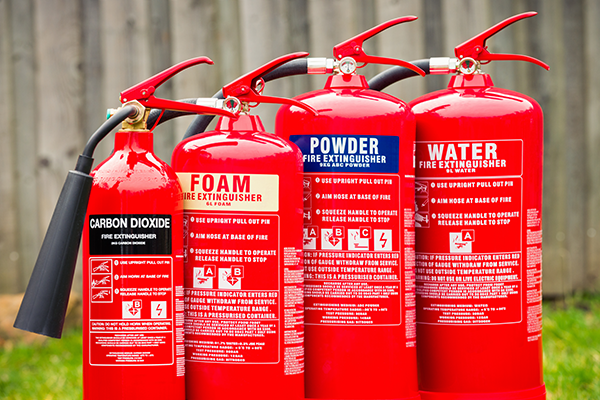
2. NFPA 10 – Standard for Portable Fire Extinguishers
NFPA 10 details requirements for fire extinguishers based on a structure’s industry and which of the 5 classes of fires it’s most likely to face. A portable fire extinguisher is a person’s first line of defense while waiting for emergency services to arrive. Business owners must ensure they supply the correct ones based on their facility’s fire ratings and hazards. This code also specifies requirements related to extinguisher maintenance, inspection, and documentation.
Business owners should know these vital things from NFPA 10:
- Class ABC fire extinguishers are recommended for most businesses
- Restaurants commonly need Class K extinguishers for grease fires
- Maintenance and inspections should occur on an annual basis
- Fire extinguishers expire and must be replaced every 10-12 years
- Train anyone expected to use an extinguisher in an emergency
3. NFPA 13 – Standard for the Installation of Sprinkler Systems
NFPA 13 discusses everything related to a structure’s sprinkler system, from how it’s designed to where it’s placed. Automatic water-based sprinklers are a crucial part of a building’s fire suppression measures, although other options are available for businesses with equipment susceptible to water damage. Based on a building’s layout and whether it’s a multistory structure, the code covers requirements for sprinkler head types, placement, and water supply.
Here are key lessons businesses should know about NFPA 13:
- Buildings are classified as having light, ordinary, or extra hazards
- Sprinkler head placement must avoid obstructions to work optimally
- Systems must be fueled by sufficient water supplies and flow rates
- Taller spaces may require systems with sprinkler heads in layers
- Sprinklers should be integrated with fire alarm systems

4. NFPA 25 – Standard for the Inspection, Testing, and Maintenance of Water-Based Fire Protection Systems
Once a structure’s sprinkler system is installed, business owners must be familiar with and follow NFPA 25 to comply with inspection deadlines, testing schedules, and maintenance requirements. Standpipes, fire pumps, tanks, and other water-based components must be examined and maintained regularly to ensure effectiveness. Thorough maintenance is key to keeping systems in good working order and avoiding issues, visible or otherwise.
These are some of NFPA 25’s many essential takeaways:
- Inspection frequency can vary based on system elements
- Keep documentation of any tests and inspections for reference
- Avoid common issues with obstructed and outdated devices
- Areas susceptible to low temperatures need reliable heat sources
- Inspection timeframes range from every day to every five years
5. NFPA 70 – National Electrical Code ®
NFPA 70, also known as the NEC, is the United States standard for electrical design, installation, and inspection requirements to safeguard people and properties from harm. While electricity is a key part of any business, it simultaneously poses a significant threat due to its unique fire hazards. This code covers the necessities for basic structures, exceptions for unique environments, and standards for renewable energy sources.
Business owners should consider these key messages from NFPA 70:
- Only licensed professionals should perform electrical work
- Wires and conductors must be color-coded for their capacities
- Special equipment like signs and machinery have unique standards
- Systems should be inspected during and after their installation
- Fire safety systems have their own subset of electrical requirements
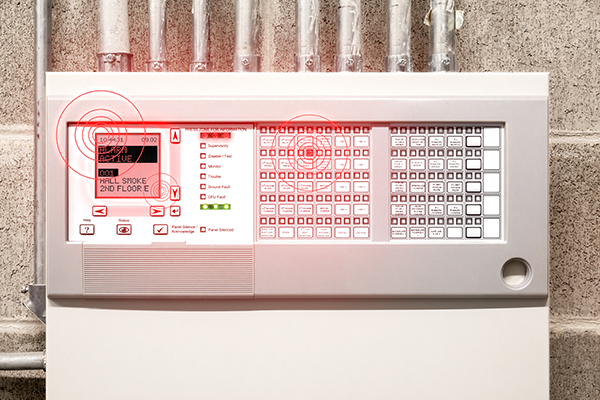
6. NFPA 72 – National Fire Alarm and Signaling Code ®
NFPA 72 standardizes fire detection, alarm signaling, and emergency communications. Alarm control panels, smoke detectors, manual pull stations, and everything in between are regulated from installation to maintenance to ensure systems are initiated in an emergency. This code applies to commercial and residential settings, and there are even provisions for mass alert systems ahead of natural disasters or crises.
Here are some of the details business owners should learn from NFPA 72:
- Different alarm system components must have distinct signals
- Fire alarms should be connected with other fire safety systems
- Inspections must be conducted by authorities with jurisdiction
- Building owners are responsible for ensuring system compliance
- All systems must have appropriate cybersecurity measures
7. NFPA 101 – Life Safety Code ®
NFPA 101 is one of the most widely implemented resources for protecting people through building construction and features from fire and other safety hazards. Crowd control measures and emergency exits play a critical role in ensuring a structure’s occupants can evacuate in a crisis. This code also addresses fundamental information on fire safety systems and building categorizations based on fire ratings.
Business owners should remember these details from NFPA 101:
- Regular and emergency exits must have proper signage and lighting
- Fire drills and emergency action plans help employees prepare
- Fire safety measures must be correlated to a structure’s fire rating
- Occupancy limits should be followed to avoid additional risks
- Buildings must have fire safety systems that promote accessibility
Let our service techs translate NFPA codes for you
With over 300 standards in active circulation, many of which apply to the country’s various fire codes, business owners face the challenge of ensuring their companies comply with any relevant requirements. For those who want or need help keeping their business in tip-top shape, the expert service techs at FSS Technologies can help. From understanding fire code requirements to evaluating whether your systems follow the proper guidelines, our team’s commercial fire services can help ensure your employees, customers, and overall livelihood are protected around the clock.
Explore Our Other Blogs
Security Camera Resolutions Explained
Different Security Camera Resolutions and Which is Right for You Welcome to the 2020s—it’s finally time to pull the trigger and get a home security camera. Now what? There are a baffling number of cameras and resolutions available on the consumer market, but the math behind figuring out what you want in a security camera…

Smoke & Carbon Monoxide Detector Lifespan
As with pretty much everything, your smoke alarm eventually expires. Sensors can become less sensitive over time, making them less adept at doing their job: detecting smoke, carbon monoxide, or potential fires. Replacing the equipment in your fire safety system is important both at home and in your business. We have developed a quick guide…
Where Should Smoke Detectors Be Placed?
Smoke Detector Placement Fire can spread extremely fast. In just minutes, a building can be fully engulfed in flames. Smoke detectors are critical to give people inside homes and commercial buildings early warnings so they have time to get out. Proper smoke detector placement is also key when it comes to keeping your home or business safe. Residential Smoke Detector Placements At a minimum, The National Fire Protection…
Smart Homes: How Automation Helps
Home automation solutions are no longer the ideas of science fiction. These intelligent home systems can save you hundreds of dollars through energy conservation, and they can provide state-of-the-art security to protect your home and the loved ones inside of it. What is A Smart Home? A smart home is equipped with lighting, heating, and…

Video Doorbell Privacy Issues
Video Doorbells In the News Video doorbells are one of the hottest home security tools on the market today. We agree. Once you have a video doorbell, you’ll probably wonder how you ever lived without it. Check out our blog on How a Video Doorbell Works to learn more. However, like any technology on the…
What are the Best Outdoor Security Cameras?
Outdoor security cameras do more than record what happens around a property—they help you see clearly, respond faster, and document events when you need answers. Whether you’re protecting your home’s front porch and driveway or monitoring your company’s parking lot, loading dock, or perimeter gate, the “best” outdoor security camera is the one that fits…
How to Hide a Camera in Plain Sight
Hidden Security Cameras When it comes to security cameras, you can choose whether you want them installed in visible locations or have them hidden within your building. There are two different perspectives with this topic. Keep them in plain sight to deter crimes from occurring. Thieves are less likely to target your home or business if they…
The Top 5 Reasons Why Your Smoke Alarm Is Beeping
One of the most critical components of any fire safety plan is the humble smoke alarm. Yet, few things are more disruptive (and potentially alarming) than a smoke alarm that won’t stop beeping. Whether you manage a bustling office, run a multi-unit residential property, or hear smoke detector beeps in your own home, understanding why…

Fire Safety Procedures for the Workplace
The bad news—a fire breaks out in your workplace. The good news—you are ready because you have done your homework and prepared for the possibility of an emergency. Emergency Action Plan The Occupational Safety and Health Administration (OSHA) requires most employers to have an emergency action plan for various scenarios, including fires in the workplace. There are…
3 Types of Security Lights
Your security system is only useful if you can see what is going on when you can’t be there. This also means that when it gets dark, your cameras need to be able to capture the image clearly. To do this past dusk will require that you set up security lighting. Additionally, check out the…