Fire Safety for Multistory Buildings
While it can seem similar to homes or businesses, multistory properties have unique demands for fire safety. Whether your property includes a mid-rise condo and business building or multiple low-rise apartment locations, it requires additional care and consideration when evaluating the protection of inhabitants from fire hazards. If a fire breaks out in one section of your building, people will be affected differently based on the location and the safety measures in place. Protecting the lives of your tenants, employees, and customers in a fire is paramount, so property managers must do what they can to prepare. Here are 4 ways to promote fire safety for your multistory property.

1. Install and test fire protection systems
Fire prevention, protection, and suppression systems are crucial to a building’s infrastructure, and their importance increases when a building has multiple stories. Comprehensive systems must be installed properly to protect anyone inside or around the building.
Your property’s fire systems should include elements like:
- Fire alarms
- Smoke control systems
- Sprinkler systems
- Smoke and carbon monoxide detectors
- Control panels
- Fire department connections
- Fire doors or protection boards
- Fire suppression systems
In addition to ensuring these systems cover every residential or commercial unit within your building, they should include any common areas like hallways, stairwells, or lobbies.
Once installed, these systems must be inspected regularly to ensure they are in good condition. Fire inspections and other maintenance efforts are critical to keeping your systems within fire codes and avoiding fines due to fire safety violations. Outside of the fire protection systems, check that any emergency power sources are in working order. Your systems will depend on those backup power sources if your building loses power, and they will not work if those sources are faulty.
2. Set fire safety rules for your tenants
While most fire prevention efforts depend on you, you can delegate some of these efforts to your tenants by setting fire safety rules for your property. If you include them in your leasing agreement and highlight them during onboarding, your building’s inhabitants can be part of a collective effort to prevent fires. Fire safety should be a collaborative, property-wide effort that starts with property managers and extends to staff and tenants.
Rules you can mention include:
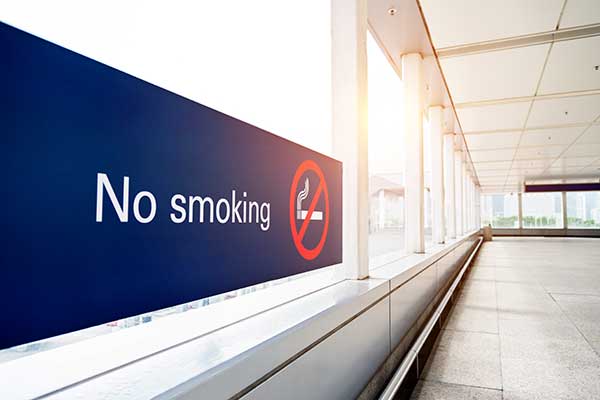
- No smoking indoors or anywhere on the property
- Do not leave candles unattended
- Keep points of entry unobstructed
If you plan to conduct semi-regular fire inspections or walkthroughs of your property’s units, ensure your tenants are informed of this and agree to it as part of their leasing agreement. Whatever you choose to do to protect your tenants, they need to be informed so they’re aware of your efforts. Additionally, this documentation can help prove your attempts to implement safety measures if an incident and subsequent investigation occur.
3. Develop and share a fire safety plan
Because smoke and fire tend to rise, a multistory building’s layout requires additional efforts to protect inhabitants because they’re at different vertical levels. Based on a building’s structure, size, and features, property managers need to assess every floor’s layout and determine the best emergency plans for employees and tenants. Standard and emergency exits should be identified and accessible at all times, and each floor should have at least two clearly outlined escape routes.
Points that you can mention in your fire safety plan might include:
- Familiarize yourself with exits near your unit
- Walk away from the building once you exit
- Do not prop stairwell or hallway doors open
- Exit through a stairwell instead of an elevator
- Notify first responders of anyone still inside
Once you’ve developed an evacuation plan for your building, you need to share it with your tenants and display relevant diagrams in your building. Conducting fire drills and appropriate safety training events can help supplement your efforts and ensure everyone in the building is as prepared for a fire as possible. Evacuation plans should be reviewed regularly, especially if your building undergoes structural changes.
4. Manage repairs and construction
While it may seem like a no-brainer to property managers, staying on top of repair requests and construction projects is more critical to fire hazards than many realize. Outside of conducting regular inspections, managing repairs means getting crucial systems back in working condition and maintaining tenant satisfaction. If left unaddressed, tenants and employees may feel inclined to implement a quick fix that can contribute to additional safety issues and fire hazards.
A typical example involves heating, ventilating, and air conditioning (HVAC) systems in a multifamily property. If a unit’s HVAC system stops working during the winter and is not repaired quickly, its residents may purchase and use multiple space heaters to stay warm. Misused heat sources are a common winter fire hazard that significantly increases the chances of a fire. If you quickly handle repair requests, your residents and employees are less likely to try DIY solutions.
Similar to repairs, construction projects can often interfere with any fire systems in the affected area. If a fire breaks out in a building’s construction zone when no one’s around, it has a greater chance of causing significant damage before the inhabitants learn of it. People trying to escape may be in greater danger with less time to evacuate or get help from first responders. Do your best to manage construction projects efficiently and monitor for increased hazards until completion.
While fire safety is a critical part of any business, putting in adequate effort can be difficult when combined with managing your property’s day-to-day operations. With FSS Technologies, property managers and business owners can rest easy knowing their fire safety plans and systems are in capable hands. Our knowledgeable team of expert service technicians is trained to build custom solutions that follow industry standards and use cutting-edge technology. From system installations to inspections and everything in between, our team and services are here to help. Contact us today to learn more about how we can help you optimize fire safety.
Explore Our Other Blogs
Business Security Camera Placement Guide
Security camera placement in a business needs to be strategically decided based on several important factors. Areas that store valuables, have high foot traffic, and enable access to your building should be some of the essential locations. Learn more about what kinds of security cameras you can use and where they should be installed in…
Can Your CCTV and Access Control Systems be Integrated?
When setting up security for your business, you might consider adding CCTV and access control systems. These two security measures work great to deter crime on their own, and provide even greater security when integrated. This pairing has many advantages, but it is also a complex setup that may not be right for you. There…

How to Make Your First-Floor Apartment Safe
In business, getting in on the ground floor is great. You are part of a plan early on to gain an advantage. When it comes to apartment-dwelling, however, getting in on the ground floor is only an advantage in some respects. It’s easier for you and your pets to get in an out, it’s easier…

Theft Prevention Tips for Businesses
Theft, unfortunately, can take a wide variety of forms. Theft in a retail business might include the loss of physical property from shoplifting or can come in the form of embezzlement. In the retail sector, a 2019 National Retail Security Survey reported the average cost per shoplifting incident is $546.67. According to the 2018 Hiscox…

The Only SimpliSafe Review You Need to Read
What is SimpliSafe? SimpliSafe is one of several do-it-yourself home security systems on the market. The challenge with any DIY home security system, in our opinion, comes down to the customer experience. SimpliSafe’s customer support offers minimal assistance to ensure you adequately install and troubleshoot your system. While they do provide an 800-telephone number, the…

What Is an Area of Refuge?
Area of Refuge Systems An area of refuge, also known as an area of rescue assistance, is a place within a building where people can safely wait for rescue and call emergency responders for help. An area of refuge is part of U.S. federal law, enacted in 1990 as part of the Americans with Disabilities Act….

Business Fire Alarm Installation Guide
A fire alarm system is part of the business security system that keeps your business, property, and employees safe. A fire can become life-threatening in two minutes and can engulf a building within five minutes. Your business could go up in flames in a matter of moments without the proper equipment and detection systems in place to protect everything…

How to Choose a Security Monitoring Company
A security monitoring company is one that specializes in monitoring your alarm system. If the system detects an issue, such as a fire, break-in, or another emergency, it notifies a response team at the central monitoring agency, and sometimes, it will even inform emergency responders such as police or firefighters. Most reputable monitoring companies can…

Can I Install Monitored Security in My Apartment?
The most recent FBI data estimates that there are over 1.2 million burglaries a year, resulting in around $3.4 billion in property loss. Although property crime as a whole has been on the decline, the rise in popularity of video doorbells and more comprehensive and integrated home security systems shows that Americans are no less…

How Your Internet Speed Affects Your Security System
Internet speed is a precious commodity in today’s connected homes. Internet speed is responsible for how quickly or slowly data moves from the internet to the application on your computer. Things like your mobile phone, television, computer, gaming system, and even appliances use the internet. And your home security system probably does too. The average…