How Do Fire Sprinkler Systems Work?
Fire sprinkler systems work by detecting heat from fires and releasing water to extinguish them. Different components work together in various configurations to boost a structure’s fire and life safety measures. Learn how a fire sprinkler system works, what your options are, and why it’s a necessary investment for your business.
What are the main parts of a sprinkler system?
Fire sprinkler systems are regulated by codes and standards from the National Fire Protection Association (NFPA). The specific codes that dictate requirements for the installation and maintenance of sprinkler systems are NFPA 13 and NFPA 25. While there are several options for what a system can use, these are some of the main components included for fire sprinklers.
Pipes
Fire-rated piping is installed in ceilings, overhead, or in walls to carry water to sprinkler heads. They’re laid out per design standards to fully cover protected areas based on the hazard levels in a building. Pipes and their joints are usually made of metals or heat-resistant plastic to ensure the entire system can still function in an active blaze.
Sprinkler heads
A sprinkler head acts like a stopper for the water stored in a system’s pipes. The main component that detects a fire by heat is a glass bulb or a fusible link. Once that element breaks or melts, water is released from the sprinkler head and bounces off a deflector plate to disperse. Escutcheons, also called trim plates, fill the gaps around sprinkler heads and prevent smoke or heat from passing the heat-sensitive component.
These are the four most common types of sprinkler heads:
- Pendent sprinkler heads hang from the ceiling and spray water in a domed or coned pattern. These heads are traditionally visible and more commonly used in standard commercial spaces.
- Upright sprinkler heads point upward and are often used when obstructions or other building elements prevent them from hanging. These are standard in manufacturing and industrial facilities.
- Sidewall sprinkler heads are installed along walls and spray water toward the center of a space. These heads are used in areas that are smaller or do not have pipes overhead or in the ceiling.
- Concealed sprinkler heads are recessed in walls or ceilings. They’re covered by a protective plate that melts at temperatures lower than the sprinkler’s heat element, enabling the head to drop and activate.
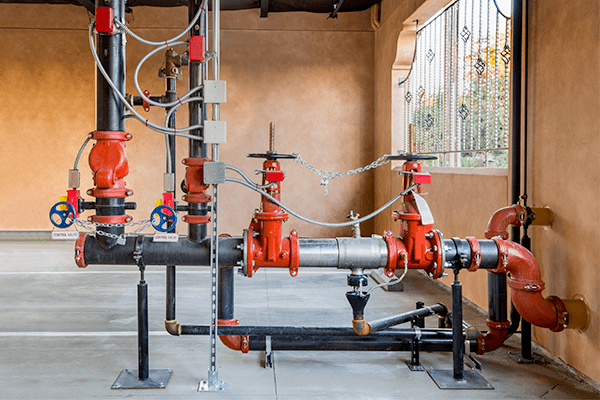
System risers
A fire sprinkler riser acts as a bridge to connect a system with a structure’s water supply. Risers are traditionally vertical pipes with valves and gauges that control and measure water flow and pressure. A fire sprinkler riser is often located in a dedicated room within a building to simplify maintenance and inspection processes.
What are the main styles of sprinkler systems?
NFPA 13 permits four types of sprinkler systems that each offer different benefits and drawbacks for various regions, industries, and price points. Depending on the needs of a structure, different types can be combined to provide optimal fire protection measures. Here’s more information on how each system works and where it’s commonly used.
1. Wet pipe
In a wet pipe layout, the entire system’s piping is filled with water constantly. If a sprinkler head’s heat detector activates, water will be released from that specific point and not from the other heads in that system. Wet pipe sprinkler systems are usually a more reliable, cost-effective option, but they’re best suited for regions and structures that won’t experience freezing temperatures.
2. Dry pipe
Dry and wet pipe systems are similar, but the main differentiator is the presence of water within the pipes. Dry pipe configurations use valves and pressurized air or nitrogen to keep water out of the system’s pipes. Once a sprinkler head is activated, the drop in pressure allows water to flow out of the system. These systems are best for structures and areas without temperature control, but they’re kept small to avoid flow delays.
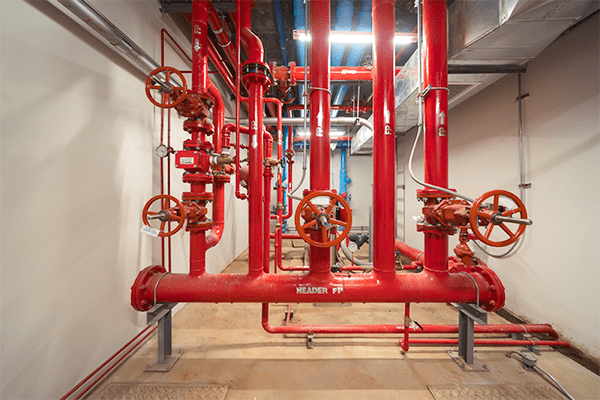
3. Pre-action
A pre-action system is a more complicated setup that can be non-interlock, single interlock, or double interlock, each of which requires specific triggers to run. These systems depend on heat or smoke detectors in addition to sprinkler heads, so an activated or broken sprinkler may or may not cause water to flow. Pre-action systems are best suited for businesses that want to avoid excessive water damage.
4. Deluge
A deluge system mimics a pre-action system in that it needs a detector to run. Detectors are typically configured to work with a valve to keep the system from filling. The main difference is that deluge systems use nozzles or open sprinklers, so a triggered system will release water from every opening. These sprinkler systems are ideal for structures with high hazard levels, such as power plants or chemical manufacturers.
How do sprinklers work within a fire alarm system?
Depending on the type of fire sprinkler system that’s in place, fire alarm integrations can be beneficial for a building’s inhabitants and first responders. A comprehensive commercial fire system can ensure that sprinklers aren’t activated from accidental damage, depending on the types of systems in place. Additionally, a triggered sprinkler can set off the alarm and notify monitoring services to seek emergency assistance.
FSS Technologies has your all-in-one solution
Understanding your options for sprinkler systems, heads, and configurations empowers you to make informed safety decisions. At FSS Technologies, we offer end-to-end fire sprinkler services that cover design, installation, inspection, and everything in between. Our NICET-certified team of service technicians is here to support you every step of the way, ensuring you achieve and maintain compliance standards and safety priorities with confidence. Contact us today to learn more and schedule a free consultation.
Explore Our Other Blogs

Smart Homes: How Automation Helps
Home automation solutions are no longer the ideas of science fiction. These intelligent home systems can save you hundreds of dollars through energy conservation, and they can provide state-of-the-art security to protect your home and the loved ones inside of it. What is A Smart Home? A smart home is equipped with lighting, heating, and…
When Is Automatic Fire Detection Required?
A fire detection system is a good idea for your property, and many insurance companies offer discounts based on your level of protection. While not required in your private residence, the law does require automatic fire detection in a wide array of other facilities. Local Building Code Requirements Your state’s building code will spell out…

Fire Systems for the Healthcare Industry
Healthcare facilities face uniquely complex life safety challenges and fire hazards. Unlike other commercial properties, hospitals, clinics, and long-term care centers must safeguard patients and protect equipment that’s both expensive and essential to life safety, and maintain 24/7 operations with no downtime. With vulnerable lives at stake, the healthcare industry must adhere to strict fire…

What Is an Area of Refuge?
Area of Refuge Systems An area of refuge, also known as an area of rescue assistance, is a place within a building where people can safely wait for rescue and call emergency responders for help. An area of refuge is part of U.S. federal law, enacted in 1990 as part of the Americans with Disabilities Act….
What are the Components of a Security System?
Security systems can vary widely in size and scale: from simple home alarms and small business surveillance systems to commercial-grade intrusion and detection systems. One system could even be comprised of enterprise-level networks that stretch across multiple locations. Understanding the essential components of a security system is the best way to start your search for…

Can You Get in Trouble for Breaking into Your Own House?
Is it legal for you to break into your own house? Yes, you can get in trouble for breaking into your own house—at least temporarily. If the police are notified that there is a break-in at a residence, either by a neighbor or a security alarm, they can detain or arrest you until you can…

What are Fire Ratings?
Any business owner would be devastated by a fire, and most turn to fire safety systems for preventative and protective solutions. Still, many are unaware that their building’s materials can directly influence how a fire impacts their building’s structure. In addition to investing in a comprehensive fire safety system, it is critical to consider the…

Fire Prevention, Protection, and Suppression Systems
Fire safety is a crucial matter that every business should prioritize. Whether it’s caused by arson or an accident, a fire can cause catastrophic damage to a company’s property, inventory, and equipment if the proper protection measures aren’t in place or there are operational issues. In more unfortunate cases, insufficient fire safety standards can put…

3 Ways Security Contracts Help You
Are Contracts Required with All Security Companies? No. Not all security companies require a contract, but that doesn’t necessarily mean a no-contract company is a better option. There are pros and cons to contracts. The key is to know what you are paying for in a contract and details about the reputation of the company….
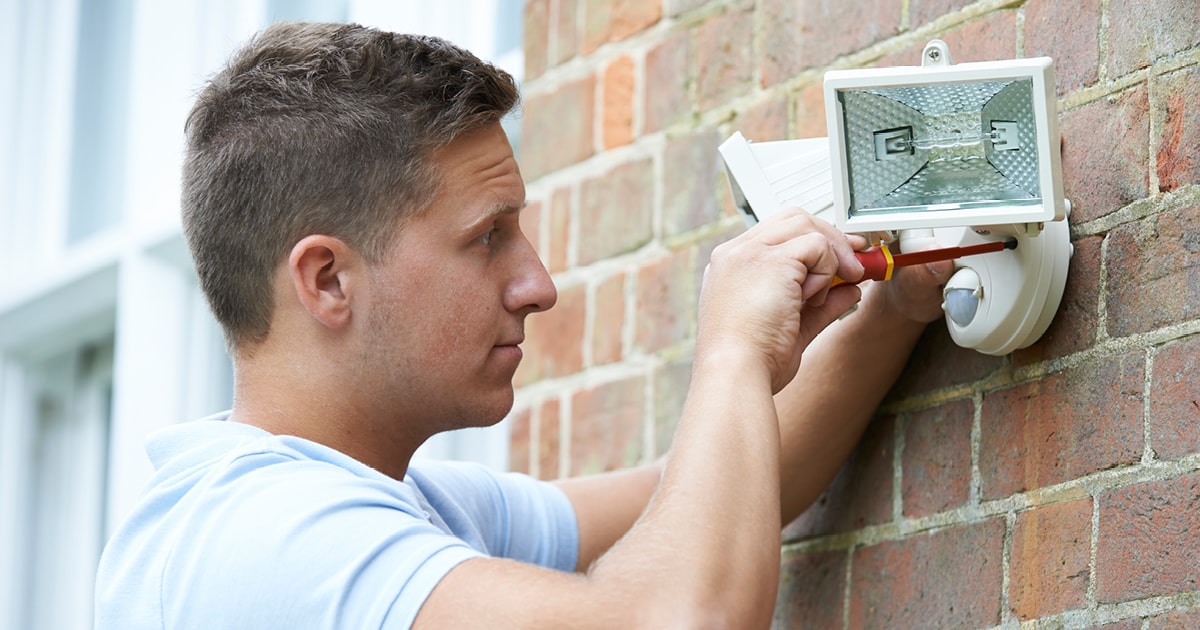
3 Types of Security Lights
Your security system is only useful if you can see what is going on when you can’t be there. This also means that when it gets dark, your cameras need to be able to capture the image clearly. To do this past dusk will require that you set up security lighting. Additionally, check out the…