How to Hide a Camera in Plain Sight
Hidden Security Cameras
When it comes to security cameras, you can choose whether you want them installed in visible locations or have them hidden within your building.
There are two different perspectives with this topic.
Keep them in plain sight to deter crimes from occurring. Thieves are less likely to target your home or business if they know cameras are recording.
You don’t want a thief to find them and disable them. Plus, you need to know what people are up to when they think no one else is watching.
Both methods have merit, and you may choose a combination of both for various reasons.
Surveillance Laws and Regulations
Before you install security cameras around your home or business, you should research any laws in your area that regulate surveillance. If you want to hide surveillance cameras within your home or private property, you are probably within your rights if you are recording video without audio. Recording conversations are subject to entirely different rules and generally require consent. Most states have restrictions to surveillance cameras in areas such as bathrooms, where there is a reasonable expectation of privacy.
If you want to hide surveillance cameras at a business or commercial property, you also need to check state laws. You are not allowed to hide cameras in areas where there is a reasonable expectation of privacy, such as restrooms, dressing rooms, hotel rooms, or locker rooms.
How to Hide a Security Camera
Hiding surveillance cameras inside your child’s stuffed animals is something that generally happens in movies, but is not always as effective in real life. If you are looking to disguise a camera in your home, you could try the following ideas.
- The foliage of a potted plant
- On a bookshelf
- In a box of tissues
- In an old appliance
- Up high in a corner or on the ceiling
- Smoke alarms
- Electrical outlets
- Shiny desk accessories
- Light switch plates
The size of your surveillance camera will make a difference as to where you can hide it. Nanny cams or smaller baby monitor-type cameras can be placed in more covert places if you are choosing to hide the cameras themselves.
If you are hiding a surveillance camera indoors, make sure the lens is not obstructed. Then, check that you have a close power source that allows for keeping the cords out of sight. Finally, ensure that the distance and field of vision on the camera is sufficient to get clear video footage. If you choose a wireless security camera, the location you select will need a stable internet signal. If you have a battery-powered camera, note approximately how long the battery will last and check it regularly to make sure it’s working.
- In a tree or shrub
- Under the eaves of your home
- In a birdhouse
- Up high on an exterior wall
- In an exterior lamp
If you setup a security camera outside, think about how you will protect it from the elements and how the camera will perform in various lighting conditions.
Bookshelf cameras, dome cameras, fisheye cameras, and bullet cameras are just a few options our team can offer for designing an effective surveillance system for your home or business. Call us today and let us provide you with a free consultation with one of our security experts.
Explore Our Other Blogs
7 NFPA Codes Every Business Should Know
Business owners have an enormous responsibility to ensure their employees and customers are protected from fire hazards. Companies in industries like manufacturing and property management each face unique challenges in preventing fires and meeting code requirements. The National Fire Protection Association (NFPA), one of the world’s leading experts in fire and life safety, has published…
Spring Cleaning Your Security System
The unofficial countdown to summer begins for many of us each year as we “spring forward” into daylight saving time, moving the clock forward one hour to give us an extra hour of sunlight at the end of every day. Since this is the time of the year when we change our clocks, it is important…
What Are the 5 Classes of Fires?
While it can be hard to tell the difference at first glance, different types of fires occur based on the materials that fuel them. Just as you wouldn’t try to put out a grease fire with water, specific ways to extinguish each fire class exist and depend on what sustains it. Some atypical classes of…
How to Prepare for a Fire Inspection
Updated May 2023 Most people learn how to react to fire alarms from a young age. The sharp, jarring noise of the sirens instantly notifies everyone within earshot of a possible emergency and the need to evacuate. These fire safety alarm systems are mandated worldwide and need regular inspections and maintenance to promote safety. As…
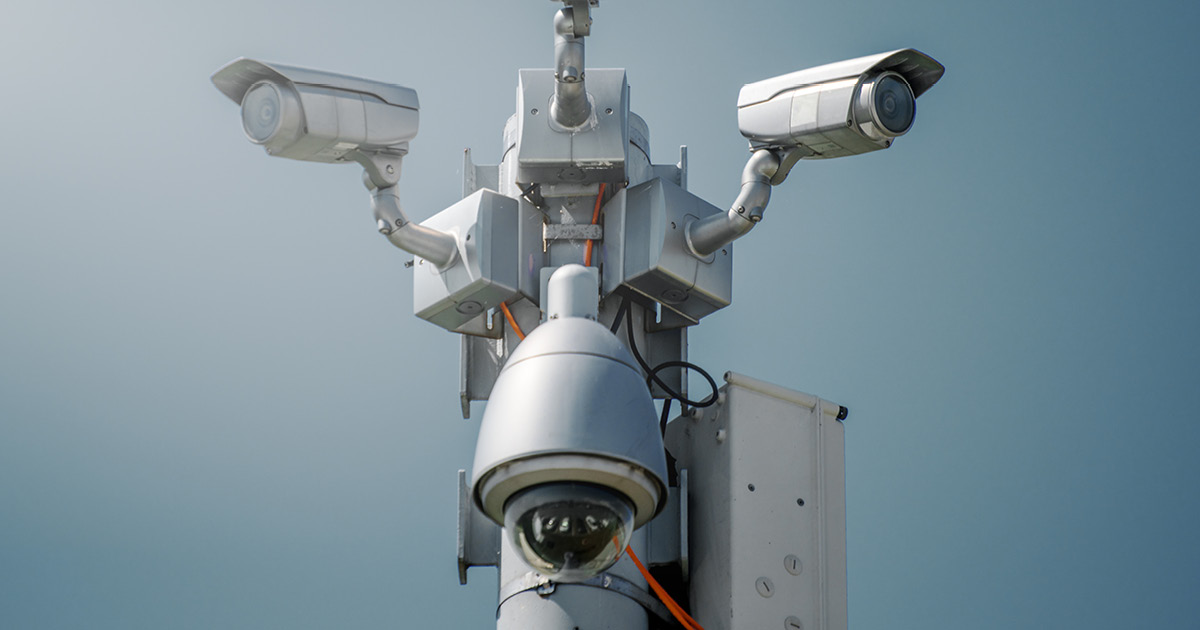
What Are The Different Types of CCTV Cameras?
Your company’s security camera is part of a closed-circuit television system (CCTV). CCTV uses one or more cameras, through either wireless or wired transmission, to send the broadcast from the camera directly to a monitor, set of monitors, or a recording device—providing you peace of mind in the case of crime, fire, theft, or accidents…
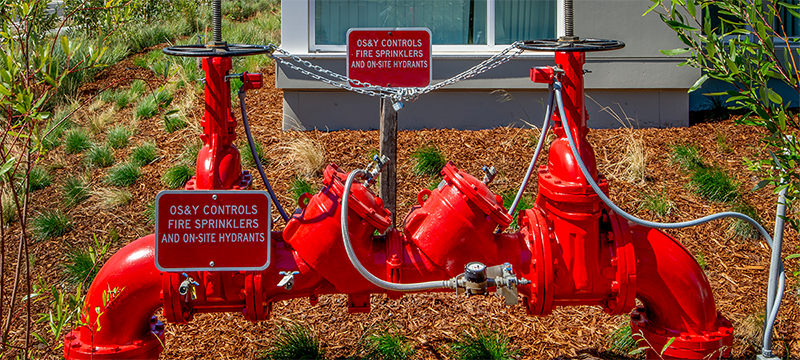
What is a Backflow Prevention Device?
Backflow prevention devices aren’t the most visible part of a building’s fire sprinkler system, but they still play an important role at the water supply connection. If water ever reverses direction in the system’s piping, it can pose a contamination risk to the potable water system. That’s why many local water authorities require backflow prevention…
What are the Different Kinds of Security Video Storage?
Security Video Recordings Storage How much storage does a security camera have? It is a seemingly simple question, with a surprisingly complicated answer. Security and surveillance cameras can use a variety of storage types, each with their own advantages and disadvantages. To choose the right security video storage for you, you will need to consider…
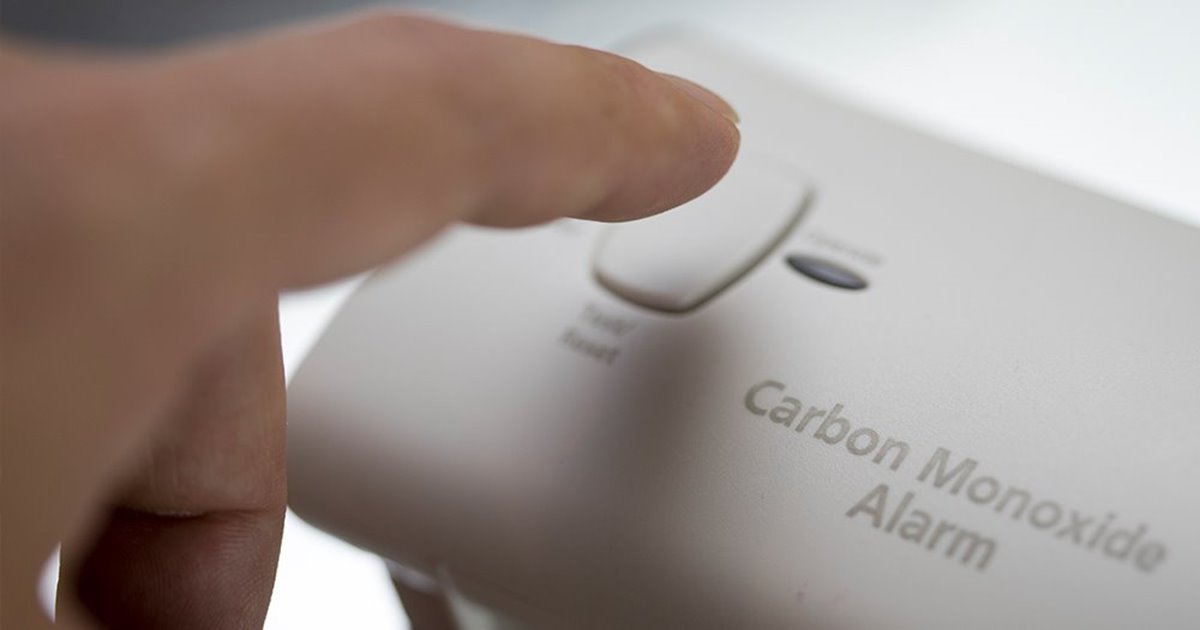
Carbon Monoxide Detector Basics
What is a Carbon Monoxide Detector? Carbon monoxide (CO) is a colorless, odorless, and tasteless gas or liquid that is poisonous to humans. Detectors are designed to identify carbon monoxide leaks and warn those in your home or business. This advanced warning can save lives as it allows you to get outside as fast as…
How Security Monitoring Benefits Businesses
Instating work from home policies to protect your employees and help to stop the potential spread of COVID-19 is one step that organizations are taking to keep their company safe. But, with all your employees at home, how can you protect the other assets that make up your business? Regardless of the type of company…
What Does a Commercial Fire System Include?
Fire safety is critical for all businesses, but the components within commercial fire systems vary significantly between industries and functions. Fires can stem from common causes that affect any commercial property and sources unique to specific fields, so fire systems must address every threat using detection, prevention, protection, and suppression. With many options available for…