Fire Prevention, Protection, and Suppression Systems
Fire safety is a crucial matter that every business should prioritize. Whether it’s caused by arson or an accident, a fire can cause catastrophic damage to a company’s property, inventory, and equipment if the proper protection measures aren’t in place or there are operational issues. In more unfortunate cases, insufficient fire safety standards can put your employees’ lives at risk, leading to injuries or even loss of life. Regardless of the impact’s severity, fires are hazardous and must be met with awareness, proactive efforts, and reactive systems.
While many business owners recognize and accept the importance of fire safety measures, it’s crucial to be aware of the different components that contribute to a holistic fire safety strategy. Learn how fire prevention, protection, and suppression differ and how each plays an integral role in protecting your business from fire hazards.
What is fire prevention?
Just as the name suggests, fire prevention is all about preventing a fire from occurring. Preventative efforts aim to reduce the maximum amount of damage a business could expect to suffer if a fire were to take place. Based on a building’s structure and contents, prevention involves assessing hazardous materials, identifying solutions, and mitigating risks to decrease the potential severity of a fire.
Besides staying vigilant to prevent fires, preparing for and complying with your annual fire inspection is an essential component of your company’s fire safety measures. Fire codes prioritize proactive efforts to prevent fires, so it’s vital for business owners to understand regulations and implement solutions.
During a fire inspection, a fire marshal will scan every inch of your business for fire code violations such as:
- Damaged, expired, or missing extinguishers
- Blocked exits
- Faulty smoke or carbon monoxide detectors
- Obstructed emergency response access
- Misused extension cords
By identifying hazards in your business that would significantly increase the damage caused by a fire, inspections help you learn what risks are present and how to mitigate them.
What is fire protection?
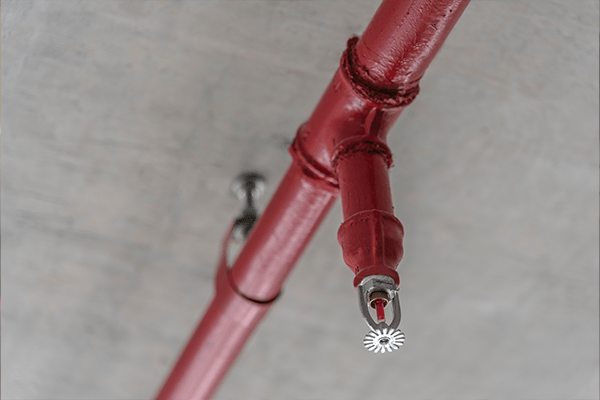
In contrast with proactive fire prevention, fire protection measures are reactive and apply when a fire occurs. Fire protection aims to aid evacuation efforts and minimize damage within a building. Protection systems are usually included in the design and construction of a building. These protection systems, categorized as active or passive, work together to help limit the spread and impact of a fire.
Active systems are designed to respond to a fire by working to contain its dangers. These systems typically involve alerting a building’s inhabitants of a fire, protecting them while they evacuate, and providing resources for fire rescue efforts.
Active protection components include:
- Fire alarm systems
- Automatic fire sprinklers
- Smoke and carbon monoxide detectors
- Control panels
- Fire department connections
- Smoke control systems
Passive systems focus on compartmentation by using structural materials to contain a fire and prevent fire and smoke from spreading throughout a facility. Instead of combusting or disintegrating, passive fire protection elements resist or absorb heat to deprive a fire of flammable materials.
Passive protection structures include:
- Fire doors
- Cavity barriers
- Firebreaks
- Fire protection boards
- Intumescent paint
With active and passive systems, fire protection achieves the goals of reducing damage and facilitating a swift exit for anyone in danger.
What is fire suppression?
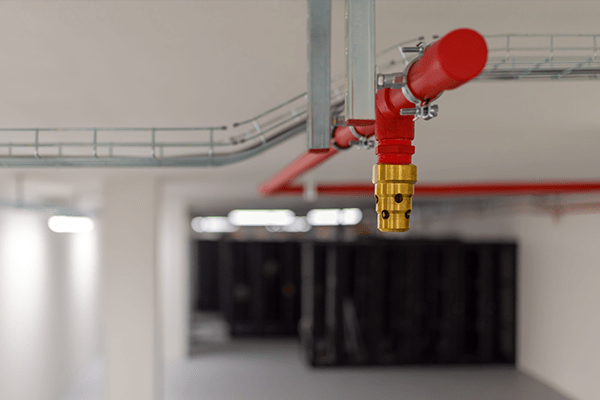
Similarly to fire protection, fire suppression systems focus on extinguishing a fire as quickly as possible while minimizing its impact on the clean-up and recovery efforts needed after a fire. Suppression systems help to protect a building’s structural integrity until the fire department arrives to extinguish the flames.
The critical difference is that modern fire suppression measures typically do not include water. While water is a cost-effective solution in combating blazes, it can often cause significant damage, require intensive clean-up efforts, or even start an electrical fire. In environments where products and assets would be significantly damaged by water, suppression measures will avoid using water entirely to prevent damage. More popular suppression systems rely on solid or liquid chemicals to extinguish fires while avoiding the additional damage, hazards, and hassle of water.
Standard suppression systems use materials like:
- Clean agents
- Inert gasses
- Wet or dry chemicals
- Carbon dioxide
By leaning on chemicals and other materials, fire suppression systems serve as a building’s last line of defense in protecting its structure and contents.
It can be challenging to understand each element of commercial fire safety and incorporate the right solutions into your building. At FSS Technologies, our team of service technicians is here to help. From complying with ADA requirements to following commercial fire code requirements, our experts can assess your business and build a custom solution that fits your needs and mitigates your building’s risks. We offer access to top-of-the-line products from manufacturers like Kidde, monitoring services for ’round-the-clock protection, and assistance before, during, and after your system installation. Contact us today to get started.
Explore Our Other Blogs

What Do Villages Require to Add a Security System?
What Is a Village? A village in the United States is defined as a small municipality with limited corporate powers. A village government usually consists of a village board made up of trustees and a village president. Village Building Codes Have Minimum Requirements Every village adopts its own building codes to establish minimum requirements for…

Landlord Security System Installation Guide
Buying a home is one of the most significant investments a person can make. You upgrade your home in many ways—a fresh coat of paint, a landscaping project, or possibly adding a security system. If you go a step further and invest in rental properties, you have to do all those things and more to…
What are the Different Types of Smoke Detectors?
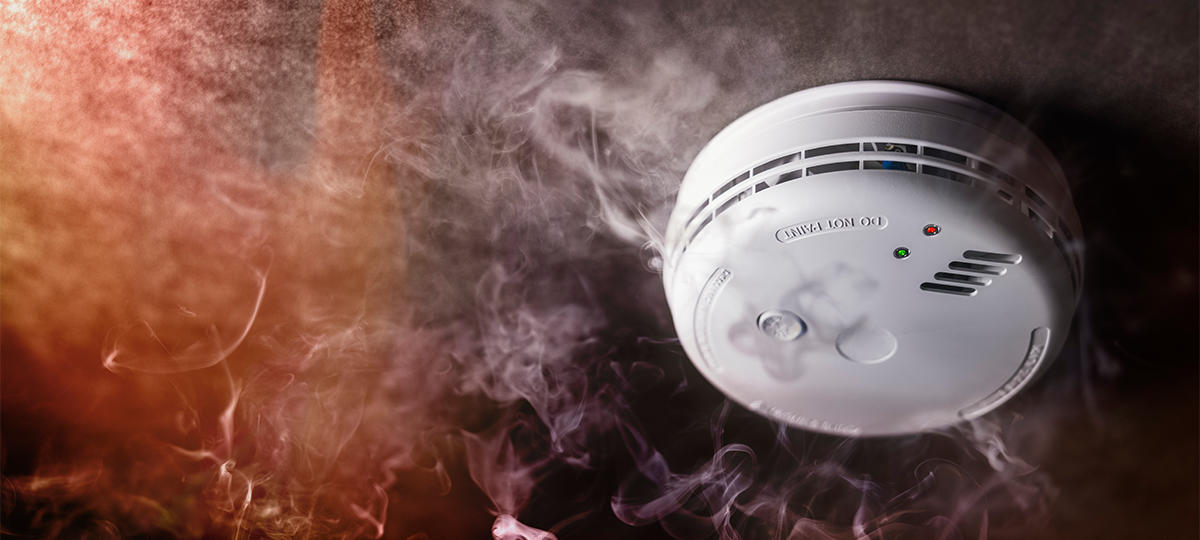
Smoke detectors are vital to fire safety for homes and businesses. Because they protect lives from fires or gas leaks, it’s essential to choose the best detector for your environment. There are various options to choose from, meaning you need to understand the benefits each one offers before making a selection. Learn more about the…

Renter’s Insurance Discounts and Security Systems
Home invasions or burglaries are a threat to any household, regardless of where they are located. One of the biggest deterrents for burglars is a home security system that could record evidence of their actions or could notify the authorities at the time of a break-in. This is a huge motivator for homeowners when deciding…

What is Video Alarm Verification?
Video alarm verification is a tried-and-true technology that is an underused component in residential and commercial security systems. Video alarm verification adds an extra element to your overall security by partnering your security system with an alarm monitoring center. When an alarm is triggered, video alarm verification allows monitoring center employees to view the situation…
How Often Should You Inspect Your Fire Alarm System?
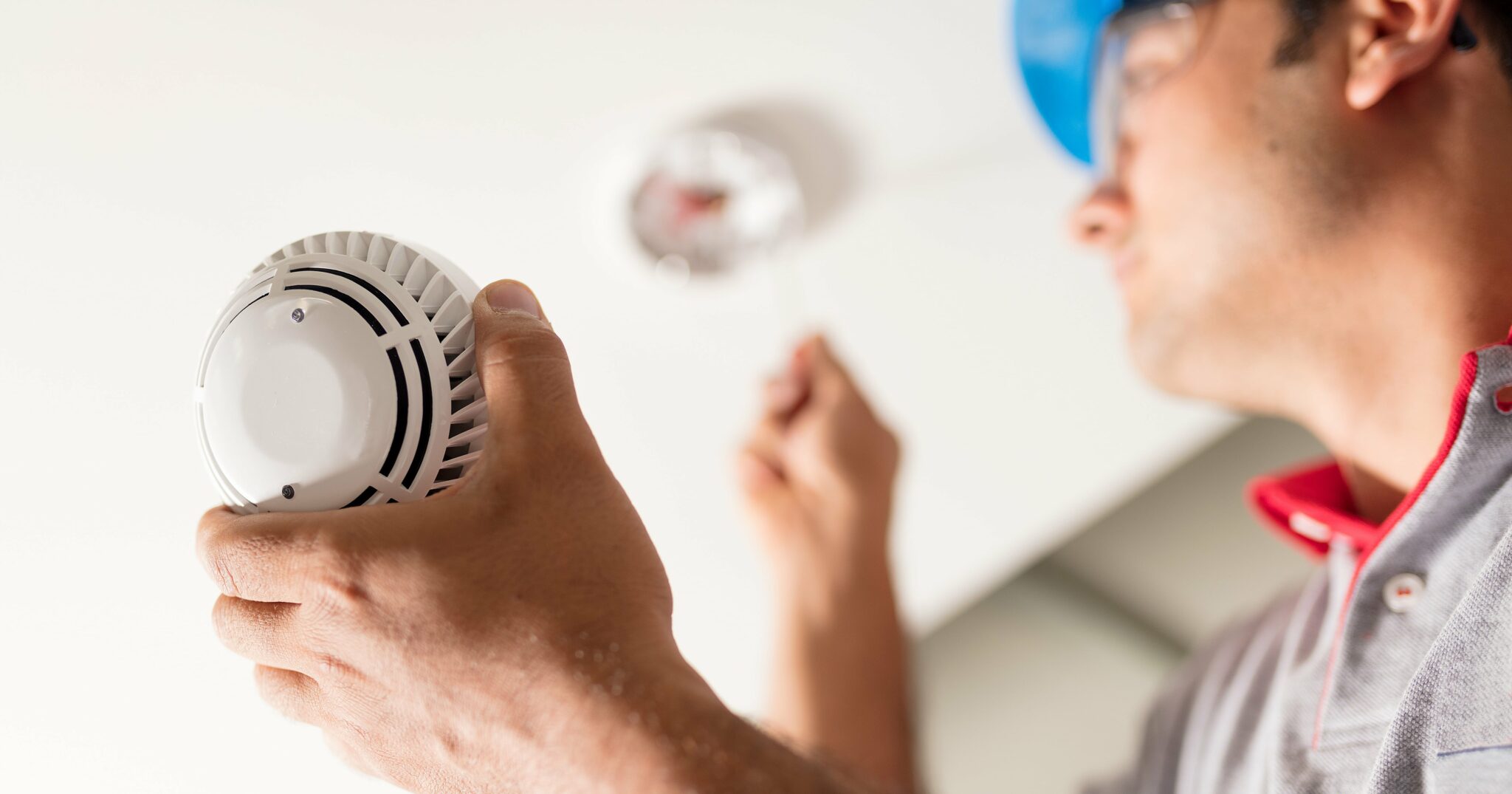
Everyone dreads the day when fire alarm systems are being tested because they are often loud and annoying. However, the importance of making sure your fire alarms are working properly outweighs the small distraction of lights and noise. Putting off a fire alarm inspection can be both risky and negligent for business owners as it…

Who Owns ADT Alarm Systems After Install?
You’ve paid to have an alarm system installed in your home. Do you own the equipment? Most likely, but not yet if you contracted with a big-box home security company like ADT. Payment Plans for Equipment Most people sign up on special offers in which they will pay an installation fee for the equipment, but…

Cons of DIY Home Security Systems
When considering getting a home security system, some people might assume they can set up a fully functioning system themselves. The reality is that DIY systems come with some significant drawbacks. Here are some of the things to consider before you decide to take on this project yourself. Not Professionally Installed The importance of having…
What Are Fire Alarm System Zones?
Fire alarm zones are standard in conventional fire panels. Each zone represents a different area in the building to help firefighters and professionals pinpoint the source of an alarm. However, it can be confusing to research fire alarm zones because they are not as common as they once were. Conventional and addressable systems handle communication for fire…
What Are the 5 Classes of Fires?
While it can be hard to tell the difference at first glance, different types of fires occur based on the materials that fuel them. Just as you wouldn’t try to put out a grease fire with water, specific ways to extinguish each fire class exist and depend on what sustains it. Some atypical classes of…