The Top 5 Reasons Why Your Smoke Alarm Is Beeping
One of the most critical components of any fire safety plan is the humble smoke alarm. Yet, few things are more disruptive (and potentially alarming) than a smoke alarm that won’t stop beeping. Whether you manage a bustling office, run a multi-unit residential property, or hear smoke detector beeps in your own home, understanding why your smoke alarm is beeping—and how to respond—is essential.
Why is my smoke alarm beeping?
Smoke alarms are designed to get your attention. A persistent beep or chirp is a warning that something needs your attention. According to NFPA 72: National Fire Alarm and Signaling Code, regular inspection, testing, and maintenance are essential for reliable operation. Ignoring a beeping smoke alarm can put your property and people at risk. Here are the top 5 causes and how to address each one.
1. Low battery
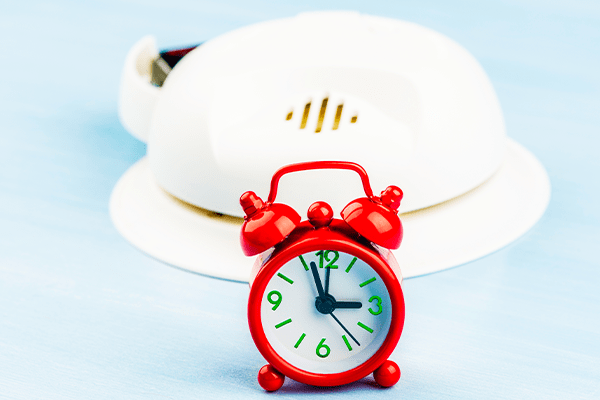
A low battery is one of the most frequent causes of smoke alarm beeping in both commercial and residential settings. Over time, batteries lose their charge, and smoke alarms are designed to alert you before the battery is completely depleted. This warning typically comes as a single chirp every 30 to 60 seconds, and ignoring this signal can leave your property unprotected if smoke or fire arises.
Here’s what you can do to troubleshoot and resolve a low battery issue:
- Check whether the detector’s current battery has expired
- Replace the battery with a new, manufacturer-recommended one
- If the smoke detector has a sealed 10-year battery, replace the unit
- Test the alarm after replacing the battery or device to ensure it works
2. Improper installation or battery placement
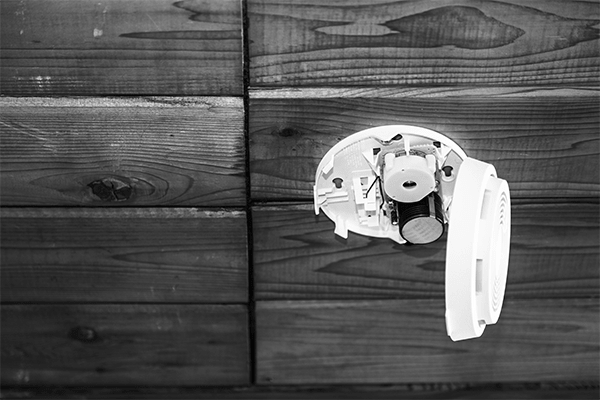
Even after replacing a smoke alarm’s battery, improper installation or poor contact can cause persistent beeping. Sometimes, the battery isn’t seated correctly, the compartment isn’t fully closed, or a pull-tab or protective film remains in place. Additionally, if the alarm is loosely attached to its bracket, not properly aligned, or installed in an unsuitable location, it may malfunction or beep intermittently.
Here are some steps to follow if you think there’s an issue with placement:
- Check that the alarm is securely mounted and properly aligned in its bracket
- Confirm that the battery is installed in the correct orientation
- Ensure the battery compartment is fully closed and latched
- Remove any pull tabs or protective films from the battery or its compartment
3. Environmental factors
High humidity, steam from showers, or cooking vapors can sometimes mimic smoke particles, triggering false alarms or beeping. Dust and debris inside the detector can also cause nuisance chirping. Additionally, extreme temperature fluctuations can affect both the battery and the alarm’s internal components. Proper smoke detector placement and regular cleaning are essential for minimizing these environmental triggers.
Here’s what you can do to troubleshoot and address environmental factors:
- Install smoke alarms away from areas with high humidity or temperature swings
- Regularly clean the alarm using a vacuum or soft brush to remove dust and debris
- Inspect the alarm for signs of insects or other contaminants and clean as needed
- If false alarms persist, consider relocating the alarm to a less problematic area
4. Power interruptions
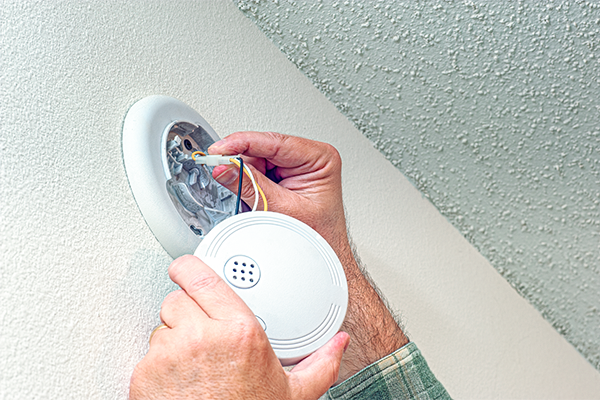
For hardwired smoke alarms, electrical issues are a frequent cause of beeping. A loose wire, power surge, or outage can disrupt the alarm’s operation, even if the backup battery is functional. In some cases, the alarm may chirp to indicate it has switched to battery backup or that the backup battery itself is depleted. Ensuring a stable power connection and a fresh backup battery is crucial for uninterrupted protection.
If your hardwired smoke detector is beeping, try these tips:
- Check that the alarm is securely connected to the building’s power supply
- Inspect the circuit breaker or fuse box for tripped breakers or blown fuses
- Replace the backup battery, even if the alarm is hardwired, to guarantee backup power
- If beeping continues after restoring power and replacing the battery, consult a licensed electrician
5. End of life
Most smoke alarms have a lifespan of 8 to 10 years, after which their sensors become less reliable and may fail to detect smoke effectively. Many alarms are programmed to emit a periodic beep at the end of their service life, signaling that replacement is necessary. Continuing to use an expired alarm—even if it isn’t beeping to indicate that it is—can put lives at risk, as the device may not function during an emergency.
Here’s what you can do if you think your smoke detector is past its best-by date:
- Locate the manufacture date on the alarm and confirm it’s not outdated
- Replace any alarm that is 10 years old or older, regardless of its apparent condition
- Mark your calendar or set reminders for future replacements of other devices
- Follow all manufacturer and NFPA 72 guidelines when replacing smoke alarms
Is it okay to leave a smoke alarm alone if it keeps beeping?
Ignoring a beeping smoke alarm—whether in a business or at home—puts lives, property, and compliance at risk. Proactive maintenance is essential for protecting people, meeting safety standards, and ensuring peace of mind. Taking small steps today, like scheduling regular smoke detector testing and planning for timely replacements, can prevent devastating consequences tomorrow.
When should I call a professional for a beeping smoke detector?
While many causes of a beeping smoke alarm can be resolved quickly, some situations call for professional assistance. Persistent issues may indicate underlying electrical problems or internal malfunctions that require expert attention. Additionally, if you’re unsure about the age or condition of your smoke detectors, a licensed professional can ensure they are installed and functioning in accordance with code.
You should consider contacting a fire safety professional if:
- A smoke alarm keeps beeping after you’ve completed basic troubleshooting
- Your smoke detector frequently triggers false alarms despite regular cleaning
- A unit doesn’t respond to the test button, even after the battery is replaced
- You notice other electrical issues that occur with your smoke alarm problems
- You want to upgrade your devices to interconnected or smart detection options
Call FSS Technologies for all your smoke alarm needs
Whether you need installation, maintenance, troubleshooting, or upgrades, we’re here to help. Our team of NICET-certified professionals can ensure your smoke alarms are installed correctly, tested regularly, and fully compliant with the latest safety standards. Don’t leave your safety to chance—get in touch to schedule a consultation or service appointment, and experience peace of mind knowing your property is protected.
Explore Our Other Blogs
Why Emergency and Exit Lighting Matter
Emergency lighting and exit lighting are vital components of life safety systems. They’re a standard part of any commercial structure and not as noticeable on a normal day. When power fails or a disaster happens, these lights guide people to safety, helping prevent panic and ensuring clear evacuation routes for everyone in a building. Whether…

How Does Fire Alarm Monitoring Work?
According to the National Fire Protection Association (NFPA), there is a fire reported in the United States every 23 seconds. If a fire occurs in your home or business, you want to be notified right away. You might be asking yourself, so how does this work? How can I ensure I am protected at all…
Will CCTV Work Without Internet?
Closed-circuit television (CCTV) is a TV system where the signal isn’t publicly broadcast but is watched and monitored, usually for surveillance and security purposes. From city streets and highways to retail stores and banks, CCTV cameras are placed in most places to protect property and deter crime. Learn whether a commercial CCTV system can work…

Home Insurance Discounts and Security Systems
Home invasions or burglaries are a threat to any household, regardless of where they are located. One of the biggest deterrents for burglars is a home security system that could record evidence of their actions or could notify the authorities at the time of a break-in. This is a huge motivator for homeowners when deciding…
What are the Components of a Security System?
Security systems can vary widely in size and scale: from simple home alarms and small business surveillance systems to commercial-grade intrusion and detection systems. One system could even be comprised of enterprise-level networks that stretch across multiple locations. Understanding the essential components of a security system is the best way to start your search for…

DIY Home Security Cameras
DIY Security Systems Are the New Fad There are many pre-configured, DIY home security system kits on the market. They are sold under various brand names including Ring, Nest, SimpliSafe, and others. The basic idea of a DIY home security system is that you pay one low fee to purchase all of the equipment and…
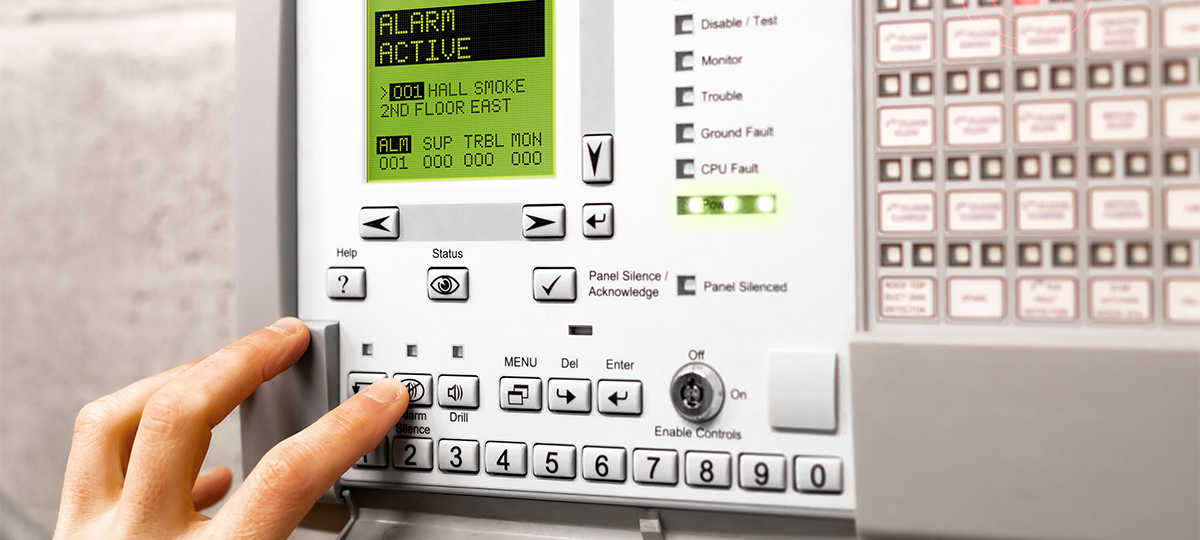
Fire Alarm Troubleshooting Tips
Your commercial fire alarm system plays a critical role in protecting your building, occupants, and operations. When it works as intended, it provides early warning and supports a safe, coordinated response from your team and first responders during an emergency. When it doesn’t, even small issues can lead to compliance concerns, inspection findings, or unnecessary…

3 Ways Security Contracts Help You
Are Contracts Required with All Security Companies? No. Not all security companies require a contract, but that doesn’t necessarily mean a no-contract company is a better option. There are pros and cons to contracts. The key is to know what you are paying for in a contract and details about the reputation of the company….
Holiday Safety Tips for Homes and Businesses
With the holiday season right around the corner, burglars are on the lookout for unguarded homes or businesses to prey on. Unlike the Grinch, holiday robbers don’t often have a heart that grows three sizes, making it more important than ever to protect your valuables and your loved ones. Our security experts have come up…
What are the Different Types of Smoke Detectors?
Smoke detectors are vital to fire safety for homes and businesses. Because they protect lives from fires or gas leaks, it’s essential to choose the best detector for your environment. There are various options to choose from, meaning you need to understand the benefits each one offers before making a selection. Learn more about the…