What are the Best Outdoor Security Cameras?
Outdoor security cameras do more than record what happens around a property—they help you see clearly, respond faster, and document events when you need answers. Whether you’re protecting your home’s front porch and driveway or monitoring your company’s parking lot, loading dock, or perimeter gate, the “best” outdoor security camera is the one that fits your environment and captures usable footage in real-world conditions.
With so many options available, it’s important to pause and consider what your situation requires in terms of features, equipment specifications, and more before making an investment and getting new or replacement cameras installed. This guide breaks down the questions you need to ask yourself to identify the features that matter most for your commercial or residential outdoor security cameras.
Should I choose wired or wireless outdoor cameras?
Before you compare the different specifications of outdoor camera options, it helps to start with how your cameras will connect and be powered. This decision greatly influences system reliability, video quality, and how easily you can expand your camera network over time. Choosing between hard-wired and wireless solutions also tends to look different in homes than in businesses, because commercial properties often have more coverage points, longer distances, and more users who need access.
If you’re planning cameras for a home, wireless options may feel like the quickest path to coverage—especially for a front porch or driveway. For a business, reliability is usually the priority, particularly at entrances, lots, and perimeter areas, where gaps in recording can be costly. In either case, you’ll want to think through how wired or wireless cameras can be installed where you need them, how far they’ll be from network equipment, and what level of maintenance and troubleshooting they’ll require.
Wired outdoor cameras
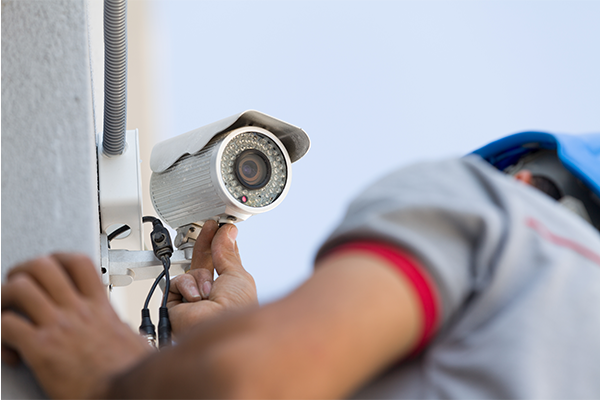
Wired cameras are often the most dependable choice for outdoor security because they don’t rely on Wi-Fi signal strength to maintain a stable connection. Many commercial systems use Power over Ethernet (PoE) devices, which allow a single cable to deliver power and data to each camera. That simplifies installation, reduces failure points, and helps ensure consistent performance—especially when cameras are mounted farther from your building or installed across larger outdoor areas, such as lots and fenced perimeters.
Wired setups can be a strong option when you need:
- Consistent video quality without wireless interference
- Reliable recording across multiple cameras at once
- A system that can scale as you add coverage points
- Centralized management and easier retention planning
Wireless outdoor cameras
Wireless cameras can work well for certain residential setups and small commercial properties, especially when the devices are close to a strong, stable signal. The trade-off is that outdoor cameras often push Wi-Fi connectivity to its limits, which can prevent them from working properly. Exterior walls, long distances, metal structures, and competing devices can all affect performance. Still, wireless devices can be a good fit if you’re comfortable planning around common constraints and maintenance needs.
Wireless setups can be a strong option when you need:
- Faster installation without cable runs
- Flexible placement for smaller coverage areas
- A solution that can work with indirect power sources (battery/solar/outlet)
- Remote viewing and alerts without building out infrastructure
How many outdoor cameras do I actually need?
Most properties need more than one outdoor security camera to avoid blind spots. One camera can tell you that something happened, but it may not show enough detail to understand what led up to an incident, where someone entered, or where they went next. Planning camera count early also helps you avoid a common problem: installing cameras in the most obvious places first, then realizing later that key angles were missed or placements could’ve been hidden in plain sight.
A simple way to plan is to think in terms of coverage zones rather than camera count. Walk the exterior of your home or business and note where people or vehicles could approach, where they would naturally pass through, and where you’d most want recorded proof if something went wrong. As you do that, consider what you want each camera to accomplish—broad monitoring, detailed identification, or both—because that will influence placement and the number of cameras you’ll need.
To start, identify your must-cover areas, such as:
- Primary entry points: Front door, side doors, gates, and overhead doors
- High-traffic paths: Walkways, drive lanes, sidewalks, and entrances
- High-value areas: Outdoor equipment, storage, and service areas
- Long sightlines: Driveways, parking lots, fence lines, and perimeter corners
Which outdoor security camera features matter most?
Once you’ve narrowed down how your cameras will connect and how many you need, the next step is evaluating the features that will determine whether your footage is actually useful when it counts. Outdoor environments are unpredictable—lighting changes throughout the day, weather can interfere with visibility, and camera placement may need to account for long distances or public access. Consider these questions to identify the types and specifications of outdoor cameras that would best suit your home or business.
How clear do I need the video resolution to be?
Resolution affects whether the video footage provides a general overview or enough detail to identify what happened. If your goal is simply to see activity like movement across a driveway or someone approaching a door, a wider field of view may matter just as much as ultra-high resolution. But if you need to recognize faces, read labels, confirm actions, or understand details from farther away in parking lots or large yards, higher resolution becomes more important.
Can the cameras withstand weather conditions?
Outdoor cameras should be rated for exterior use, but not all outdoor placements are equally demanding. A camera mounted under an overhang will face a different exposure than one mounted on a pole, fence line, or exterior wall with no protection. Extreme hot and cold temperatures, wind-driven rain, snow, dust, and even direct sunlight can all affect performance over time—especially in areas where conditions change significantly from season to season.
Do I want remote viewing and shared access?
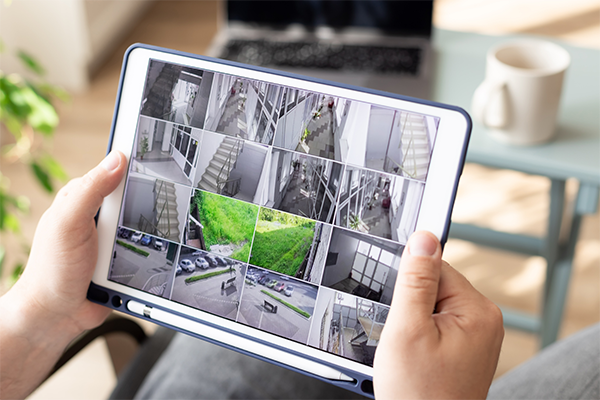
Remote viewing is a common expectation now for homeowners and business owners, but the real question is how you’ll use it day to day. For some properties, an app is mainly for convenience: checking in on a package delivery, monitoring activity while away, or receiving motion alerts. For others, remote access needs to support multiple users, enable faster incident review, and provide video alarm verification across multiple cameras or locations without lag or confusion.
Will I need to use footage that’s taken in the dark?
Many property incidents happen at night—and “it recorded something” isn’t the same as “it recorded useful footage.” Low-light performance determines whether you can make out faces, actions, and movement clearly, and not all security cameras work at night. Even in areas that look well-lit to the naked eye, your cameras may struggle if there are strong shadows, uneven lighting, or bright points of light on your property that are aimed at the lens.
How quickly do I need to pull relevant video footage?
Most people want to check cameras live and review recordings after the fact, but the type of storage determines how far back you can realistically go and how easy it is to access those recordings. Some situations are discovered right away, while others may not be noticed until days later. Your storage needs depend on how often you expect to review footage, how many cameras you have, and how long you want recordings to be kept.
Should I choose DIY or professional outdoor camera installation?
It’s easy to assume outdoor security cameras are a simple project, especially with so many consumer systems marketed as plug-and-play. In reality, installation is the difference between a camera system that technically works and one that consistently captures clear, usable footage. Outdoor environments introduce variables that are hard to solve after the fact, and it can be hard to make simple adjustments without spending excessive time, effort, and money.
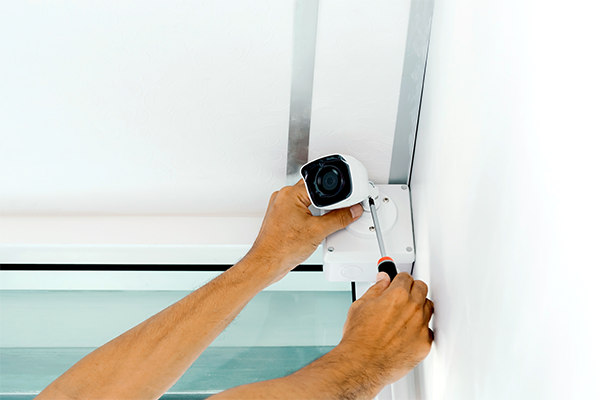
DIY installation can be a reasonable option if you’re covering a small area with a limited number of cameras and you’re comfortable handling setup, troubleshooting, and ongoing maintenance. But for most homes and businesses, professional installation is the best way to ensure your system is reliable, scalable, and configured correctly from day one. Working with a security company means connecting to professionals who know exactly what to look for and how to deliver outdoor camera solutions that last.
Keep your outdoor security cameras reliable with FSS Technologies
Outdoor camera decisions don’t stop at choosing the right features—they come down to whether your system performs consistently when conditions change around your building. If you’ve ever dealt with blurry night footage, unreliable connectivity, blind spots, or recordings that don’t go back far enough, you already know how quickly a “quick install” can turn into a frustrating and expensive trial-and-error process.
FSS Technologies provides professional security camera consultations, installation, integrations, maintenance, and ongoing support to help you get a comprehensive system you can count on. Whether you’re upgrading outdated cameras, expanding coverage, or building a new setup, our team helps you choose the right equipment, place it strategically, and configure it for the clarity and reliability you expect. Contact us today to discuss your outdoor camera needs and get expert guidance on your next steps.
Explore Our Other Blogs

How to Conduct a Physical Security Audit
Protecting your livelihood is at the top of every business owner’s mind, but how do you know if your business is truly protected? By performing a physical security audit, you can fully assess any threats that your business might be subject to and take the necessary steps to mitigate those threats. During a physical security audit, each aspect of the business and its security…

Fire Systems for the Restaurant Industry
Companies in varying industries face fire hazards in their standard operations to a certain degree. Businesses that operate commercial kitchens, however, are at significant risk for fire-related hazards because cooking equipment is a leading cause of commercial fires. According to the U.S. Fire Administration, an estimated 50% of non-residential fires were caused by cooking in…
5 Common Causes of Commercial Fires
Many business owners and employees think their chances of dealing with a fire in the workplace are improbable, but the numbers tell a different story. According to the U.S. Fire Administration (USFA), an estimated 116,500 commercial fires were reported nationally in 2021. These fires contributed to 115 deaths, 1,025 injuries, and over $3.6 billion in…
How to Make Your First-Floor Apartment Safe
In business, getting in on the ground floor is great. You are part of a plan early on to gain an advantage. When it comes to apartment-dwelling, however, getting in on the ground floor is only an advantage in some respects. It’s easier for you and your pets to get in an out, it’s easier…
Business Security Camera Placement Guide
Security camera placement in a business needs to be strategically decided based on several important factors. Areas that store valuables, have high foot traffic, and enable access to your building should be some of the essential locations. Learn more about what kinds of security cameras you can use and where they should be installed in…
Kidde: Innovations in Fire Safety
Your fire alarm system can protect your family, home, and belongings from fires, gas leaks, and other hazards. FSS Technologies is committed to providing its customers with top-of-the-line fire safety and emergency prevention technology, which is why we are a proud provider of products from Kidde, North America’s most installed fire safety brand. Learn about…

8 Home Security Tips
With more than 45 years of experience in the home and business security industry, here are our top eight tips for discouraging intruders and burglars from targeting your home. 1. Create the illusion that someone is at your house. If you are going to be gone for an extended time, leave a light or TV…

Winter Commercial Fire Safety Tips
While fire safety and prevention are crucial year-round, unique fire hazards accompany winter’s freezing temperatures. The National Fire Protection Association (NFPA) reports that many holiday-related factors contribute to an increased fire risk during the winter months, and commercial settings are just as vulnerable. Besides creating and reviewing company-wide fire safety procedures, here are 4 tips…
ADT Home Security Settlement
ADT home security is facing a class-action lawsuit. The plaintiffs allege that ADT failed to disclose wireless sensors’ vulnerability to evasion and jamming. Why should you care? Although this settlement is for ADT, this is a vulnerability all wireless security systems face. Let’s talk about wireless technology for a second. All home Wi-Fi networks are…
Why Emergency and Exit Lighting Matter
Emergency lighting and exit lighting are vital components of life safety systems. They’re a standard part of any commercial structure and not as noticeable on a normal day. When power fails or a disaster happens, these lights guide people to safety, helping prevent panic and ensuring clear evacuation routes for everyone in a building. Whether…