Winter Fire and Security System Maintenance Tips
Winter weather often comes with operational headaches and hazards for business owners. Long periods of cold temperatures and snowfall can impact companies in different ways, from reducing foot traffic to extending process timelines. One of the most noticeable impacts is an uptick in fire safety and security device issues, especially if you have yet to start winterizing your equipment. Here are some helpful commercial fire and security system maintenance tips to keep your employees and customers protected during the winter.
How can I winterize my fire safety system?
When temperatures drop, the elements in your fire prevention, protection, and suppression systems likely need special attention and care. In addition to following normal maintenance processes, these three tips can help your commercial fire safety systems perform optimally during the winter.
1. Inspect and prepare fire suppression systems
If a fire breaks out in your business, fire suppression measures are one of the few protections available until first responders arrive. Depending on the type of suppression system you have, water may be crucial to your building’s fire safety. During the winter, your fire sprinklers or pipes could be compromised if temperatures drop below freezing. If you have a water-based sprinkler system, wet or dry, it’s vital to inspect every component and prepare for cold weather.
A helpful way to avoid sprinkler issues is by maintaining a minimum temperature of 40 degrees inside your building. Pay extra attention to any fire sprinkler components that store water or develop condensation. Consider adding insulation or heat trace systems to pipes that are located in areas of your building that don’t retain heat well. If you use antifreeze in your sprinklers during the winter, work with a professional to ensure you use enough.
2. Keep all access points unobstructed
Snow and ice can quickly accumulate outside your building during the winter, especially if it freezes for long periods. Fire hydrants and emergency exits aren’t always a priority when shoveling snow is on your team’s to-do list, but skipping them can be a critical mistake. If a fire breaks out, first responders may take longer to get into your facility or connect to fire-fighting resources.
A go-to winter commercial fire safety tip is to keep emergency access points clear at all times. Depending on the weather forecast in your area, consider checking exits and hydrants daily to see if they’re blocked and remove any obstructions. Doing so will guarantee that your business, employees, and customers are as prepared as possible for worst-case scenarios.
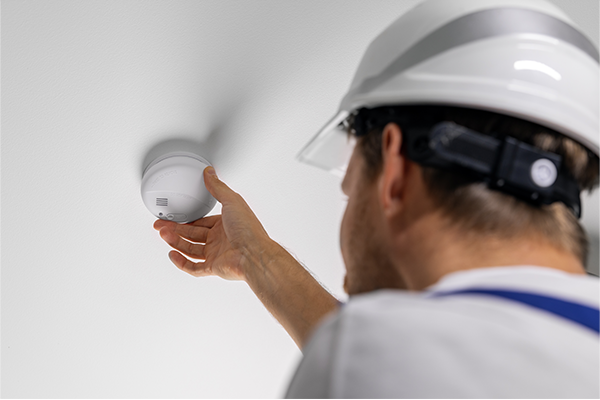
3. Check and test smoke and CO detectors
Smoke detectors are your fire safety system’s first line of defense, and they may need additional inspection and maintenance during the winter. Batteries, including those in smoke and carbon monoxide (CO) detectors, can perform less efficiently in colder temperatures. If your detectors are older, overdue for an inspection, or dependent on battery power alone, the winter can contribute to malfunctions like false alarms or excessive beeping.
While the best practice is to check them on a monthly basis, you should check your smoke detectors more often during colder months. Ensure that batteries are replaced on an annual basis in models that have interchangeable batteries. If your detectors use sealed, long-term batteries and are nearing their expiration, replace them ahead of schedule. Any hardwired detectors should be tested and have fresh backup batteries installed if possible.
How should I winterize my security system?
Deterring burglars from your business should be a year-round practice, and you should significantly increase those efforts during the holiday season. Here are three tips for winterizing your commercial security system to protect against colder weather and potential criminals seeking high-value items.
1. Inspect and test cameras and detectors
Outdoor security cameras, motion detectors, and access control systems play an integral role in ensuring that only authorized personnel and customers can get in during business hours. With so many components working together to protect your business, it can be easy to forget to check certain parts during routine inspections. Combined with colder temperatures, technical malfunctions and potential vulnerabilities could slip through the cracks.
As part of your winterization efforts, every sensor, access point, CCTV camera, and other piece of security equipment should be assessed and tested. Ensure anything exposed to the outdoors has the proper weather resistance ratings and is securely installed. Cameras and sensors should be pointed downward to avoid blockages from rain, ice, or snow. If they need to be pointed upward, consider repositioning them in a covered area.
2. Install software updates when available
Security systems are typically intended to prevent theft and other forms of criminal activity, but they often face digital vulnerabilities. Technology in any form has inherent weaknesses, from everyday issues like experiencing reduced internet speeds to more severe concerns like having your security system hacked. Your company’s system could be more prone to problems and threats if the software is outdated or missing critical security updates.
While it should be done at least weekly throughout the year, ensure you check for and install software updates for each part of your security system. Even if your CCTV and access control systems are integrated, checking each part for missed updates is essential. By ensuring software updates are installed soon after they’re released, you’re better protecting your systems against heightened threats during the holiday season.
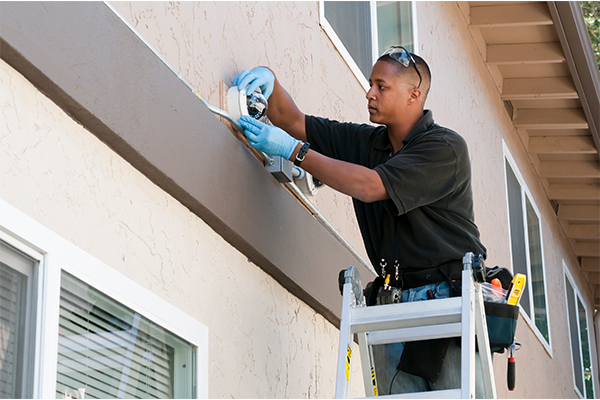
3. Regularly clean lenses and sensors
Your company’s cameras and sensors are vital to maintaining your business’s security, but that’s only the case when they’re working correctly. Snow and ice can accumulate and block camera lenses and detection sensors, rendering at least parts of your security system obsolete. If they’re not cleared regularly, excess build-ups can leave your business defenseless and sometimes damage your devices.
Even if your CCTV footage appears clear, you should routinely clean any lenses and sensors that are exposed to harsher elements. Keeping the outdoor parts of your security system unobstructed can be a hassle, but it’s better to be overly cautious and keep your business as protected as possible. If these devices continue to be obstructed after a snowstorm, consider moving them to a covered location or adding some form of weather protection.
FSS Technologies can help your business prepare
These winter maintenance best practices for fire safety and security systems are practically the tip of the iceberg, and handling these tasks on your own can be challenging on top of running your business. When you need a team of experts on your side, the service technicians at FSS Technologies are here to help. Our staff provides top-notch services for fire safety, security, and monitoring services that help businesses of all sizes and industries focus on their employees and customers. Contact us today to learn how we can assist you year-round.
Explore Our Other Blogs
Holiday Security Tips
It’s a beautiful time of the year, but the holidays come with some inherent risks that you should prepare for amidst all the gift buying, cooking, and decorating. Here are some of our top holiday safety tips to keep your home and loved ones safe over the season. Theft and Burglary Prevention Do not put…
Addressable vs. Conventional Fire Alarms
When determining what type of fire alarm systems are best for your business, it boils down to your choice between a conventional and addressable alarm system. The combination of smoke, heat, and carbon monoxide detectors work together with your control panel to keep your business safe. Additionally, you will need to determine what kind of automatic…

Best Security System Setups for Senior Citizens
According to the American Association of Retired Persons (AARP), nearly 90% of senior citizens want to stay in their homes as they age even if they need day-to-day assistance or have ongoing health issues like early-stage Alzheimer’s or dementia. Unfortunately, criminals often target senior citizens as victims. Thieves assume older people will not be able…
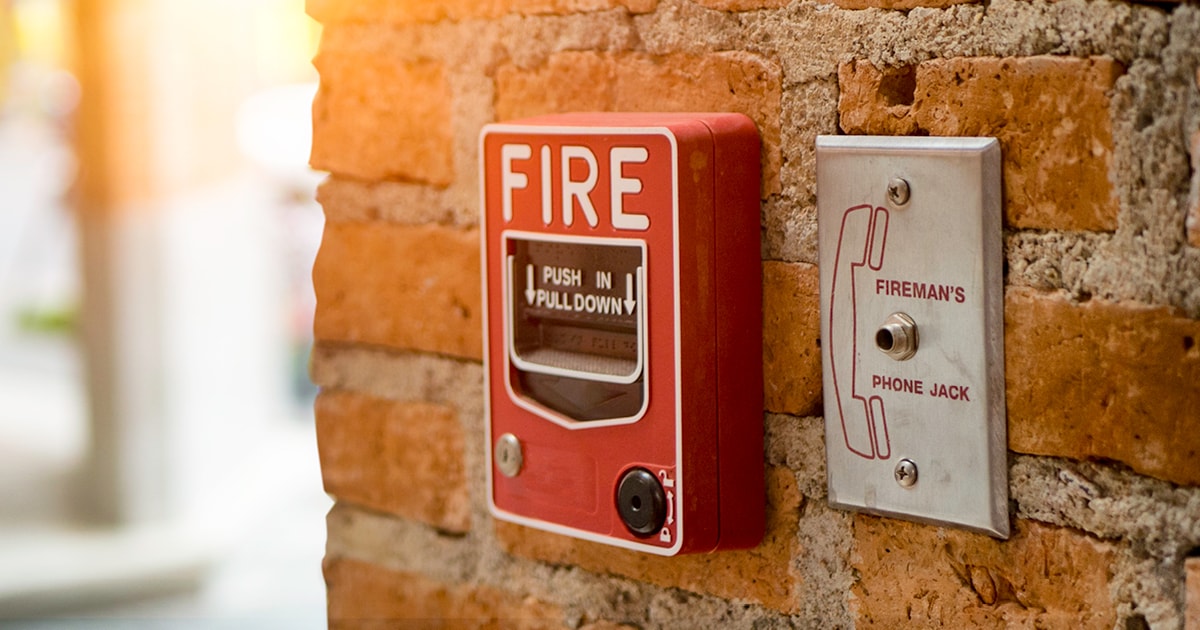
Where Should Fire Alarm Pull Stations Be Located?
While they generally go unnoticed until a moment of need, fire alarm pull stations are an integral part of a business or large residential building’s commercial fire system. What is a fire alarm pull station? As opposed to a smoke detector or sensor, human intervention activates a manual pull station and is the catalyst for setting…
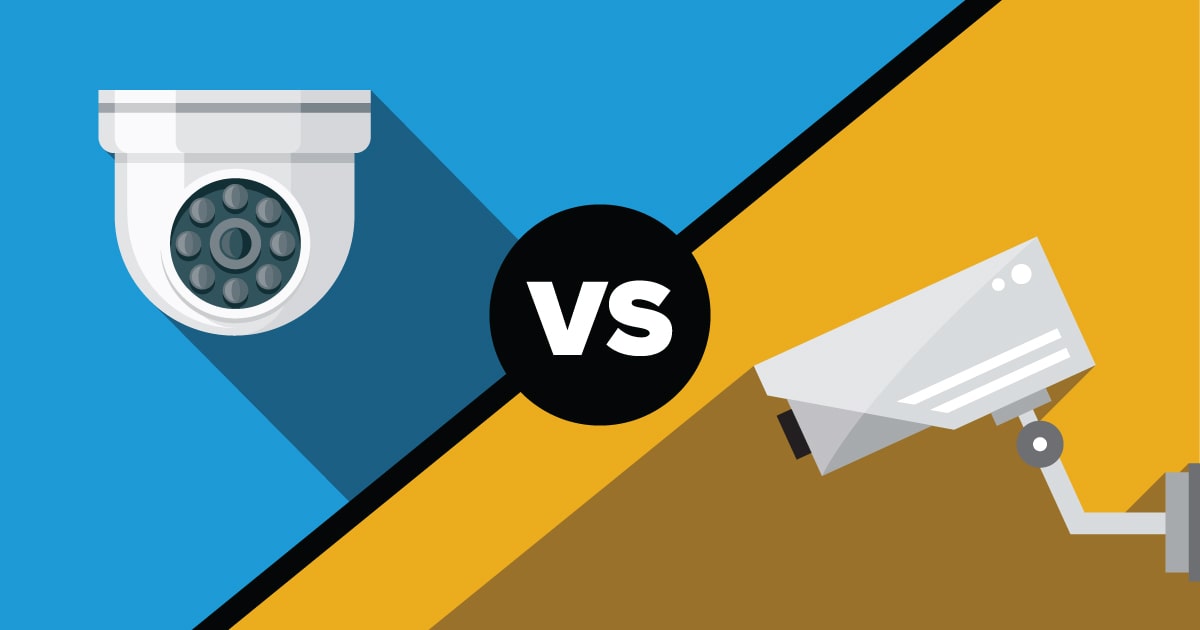
Dome vs. Bullet Cameras: Key Differences
Security cameras are an integral part of a security system in any home or business. They give you access to a video stream of what is happening inside a building or on your property while also giving the owner the ability to look back on footage if necessary. There are many different types of CCTV cameras out…
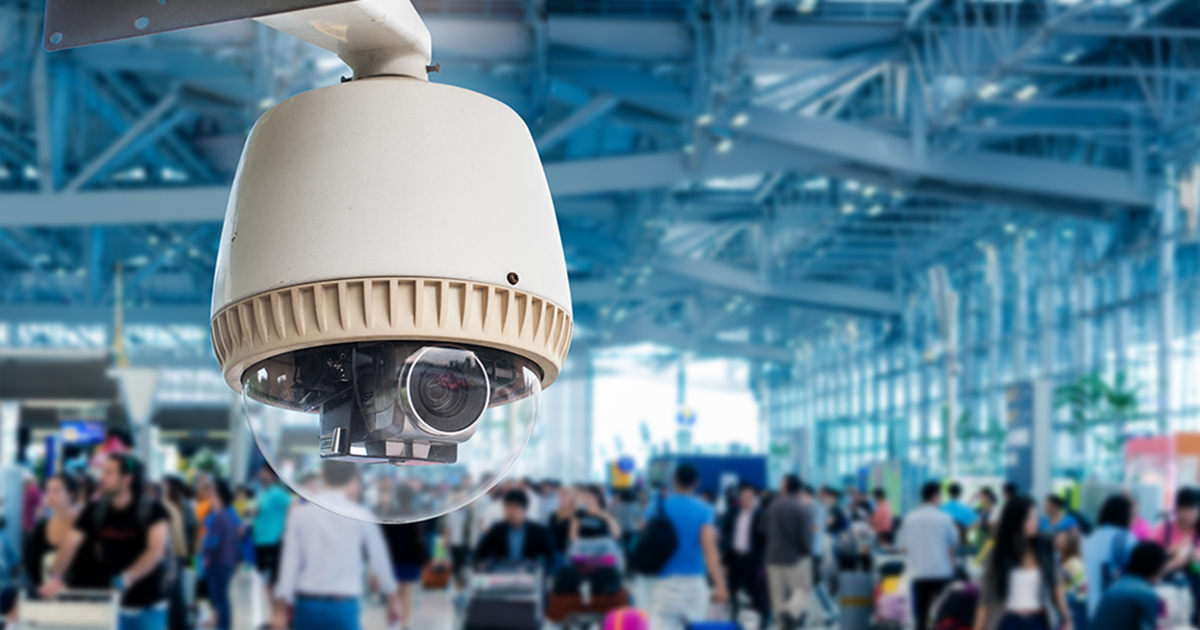
Security Camera Resolutions Explained
Different Security Camera Resolutions and Which is Right for You Welcome to the 2020s—it’s finally time to pull the trigger and get a home security camera. Now what? There are a baffling number of cameras and resolutions available on the consumer market, but the math behind figuring out what you want in a security camera…
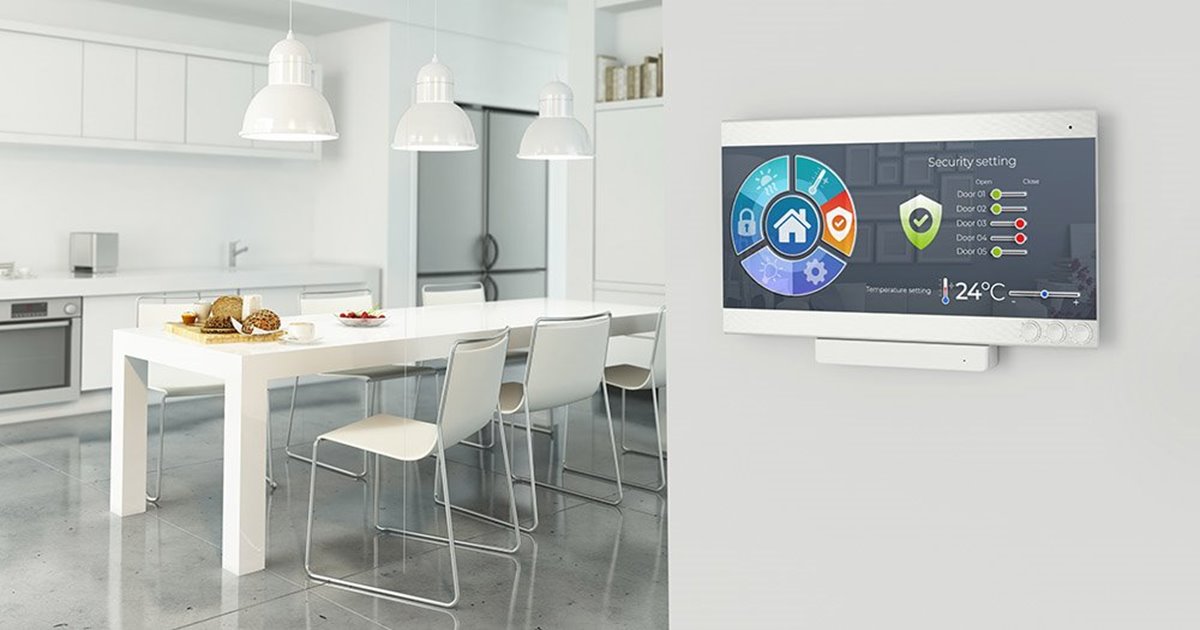
Smart Home Security & How to Implement
Home Security Paired with Home Automation Security vs. home automation is the friendliest rivalry around. Why? Because they play so well together. Security systems used to have a singular focus—keeping unwanted people out of a house. But as technology evolves, security equipment placement throughout the home for protection performs a dual purpose: Helping homeowners with…
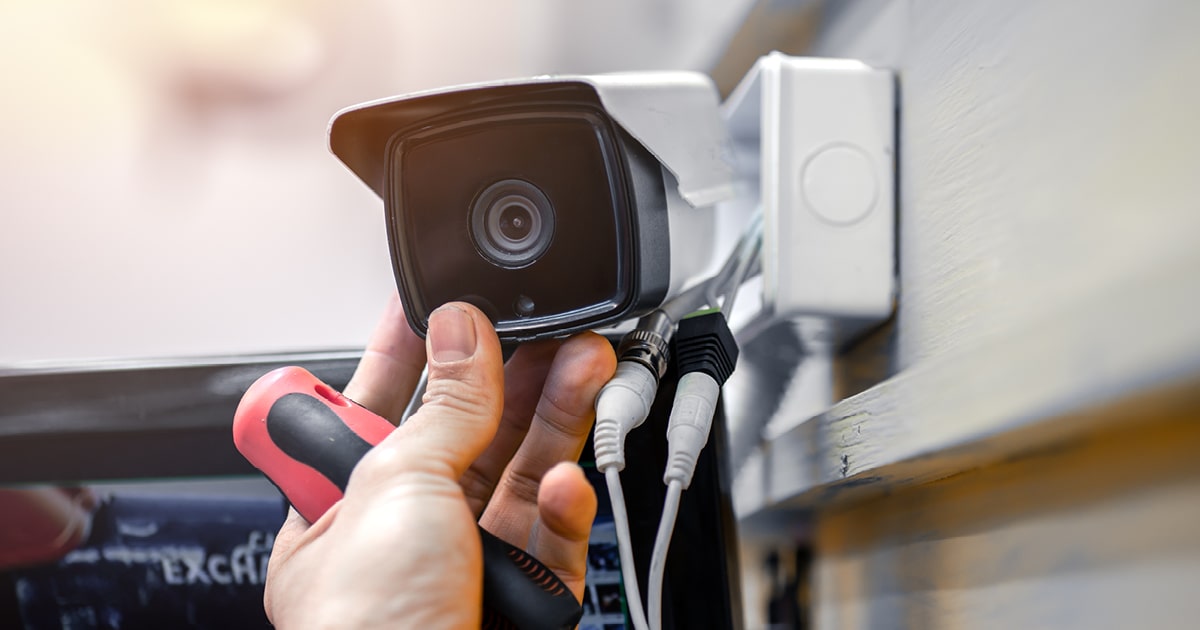
What are the Components of a Security System?
Security systems can vary widely in size and scale: from simple home alarms and small business surveillance systems to commercial-grade intrusion and detection systems. One system could even be comprised of enterprise-level networks that stretch across multiple locations. Understanding the essential components of a security system is the best way to start your search for…
Choosing a Safe Neighborhood in Chicago
There are a lot of great places to live in Chicago. From the historic vibe of Printers Row to the ultra-stylish River North, there are neighborhoods to fit every personality. But are they safe? It turns out, many of them are. According to Niche.com—which ranks neighborhoods based on crime, schools, cost of living, etc.—the short commuting times…
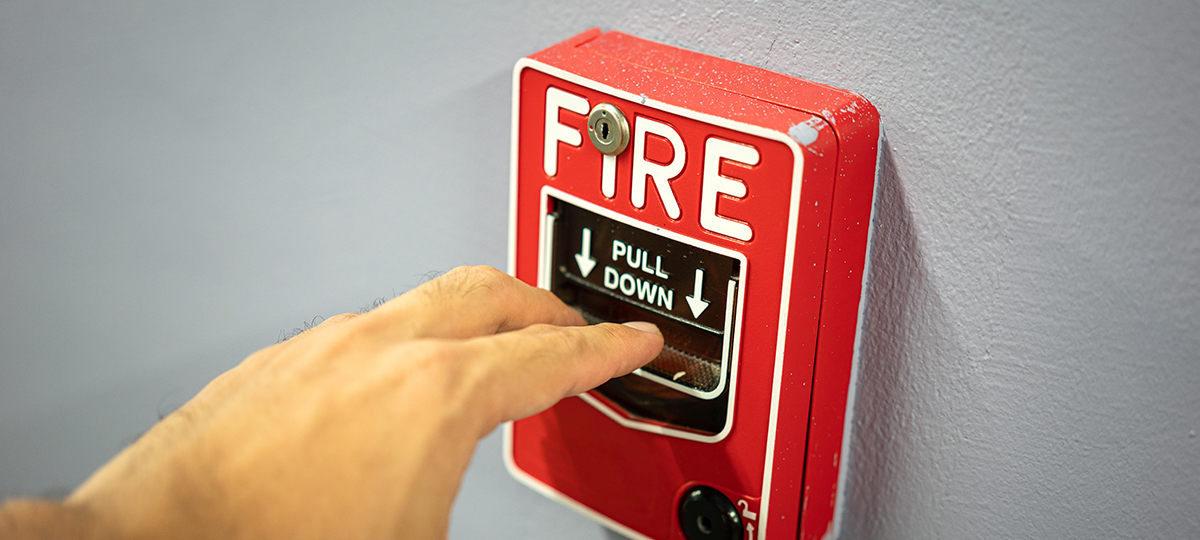
What is a Manual Pull Station?
A manual pull station is a wall-mounted fire safety device that triggers an alarm in the event of an emergency. Pull stations are commonly found in many public buildings across the United States and Canada. Most people have seen them, and some have possibly even pulled one before, whether for a real emergency or a…