Theft Prevention Tips for Businesses
Theft, unfortunately, can take a wide variety of forms. Theft in a retail business might include the loss of physical property from shoplifting or can come in the form of embezzlement.
In the retail sector, a 2019 National Retail Security Survey reported the average cost per shoplifting incident is $546.67.
According to the 2018 Hiscox Embezzlement Study, the average loss to a business from embezzlement is $359,650. The types of businesses most frequently affected by embezzlement theft include financial services, municipalities and government, manufacturing, and real estate.
The statistics are telling. If you’re running a business, theft is a real threat. What can you do to protect yourself?
Know the Signs
Careful screening of your employees is your first line of defense in preventing theft at your business. Through a process of multiple interviews and carefully chosen honesty questions, employers can evaluate the integrity of the person they are hiring to represent their business.
Criminal conviction checks, drug screening, past employment history, personal reference checks, education verification, driving history, and credit checks are all tools available to screen potential new employees.
What are some of the warning signs that an employee might become a potential thief? According to the Hiscox study, there are common signs, including:
- Intelligent and curious – embezzlers pick up on things quickly and are eager to know how everything in the office works. Once they learn the processes, they can manipulate them for their own gain.
- Extravagant – embezzlers may flaunt their wealth, so watch out for employees who are living a lifestyle out of proportion to their salary.
- Egotistical – embezzlers often are rule breakers both in and out of their work life, from speeding tickets to overusing sick time.
- Disgruntled – an employee who feels they are being treated unfairly may be tempted to steal.
Carefully Supervise Your Team
Instituting a system of checks and balances in your business and limiting employee alone-time is first and foremost in a safety plan. Both employee theft and shoplifting often happens when an employee is alone at the store or register. Make sure your cash register is always attended to and keep interaction with vendors in open areas. Keep stock and back storage rooms organized and neat. This will help to keep an eye on your products and inventory and make it easy to see if anything has been moved or taken.
Use purchase orders in your business and make sure the payment, receipt, and preparation of purchase orders are handled by different individuals. Also, make sure balancing sales slips and register receipts is done by someone other than the salesclerk. Ensure all bank statements and cancelled checks are reviewed by more than one person and have corporate bank statements delivered to the business owner, preferably to a home address.
Finally, make unannounced audits in the workplace and consider having an outside firm conduct an official yearly audit.
Train Employees
Loss prevention awareness and training programs are important for everyone on your staff. Topics you should consider conducting recurring training on include: managing disgruntled customers, handling and counting money, and making important areas are constantly monitored.
Consider inviting local law enforcement to your business to teach employees what actions may signal shoplifting is occurring and what to do in the event of a robbery.
Also, set up an employee tip line so employees can confidentially report suspicious behavior and consider rewarding staff who provide information that prevents theft.
Monitor Your Business
Keeping a close watch on your employees and customers, as well as installing the proper security and surveillance methods is critical.
Some quick theft prevention tips:
- Install computer security measures to prevent diverting of money or inventory.
- Restrict access to computer terminals and limit access to online files based on an employee’s need to know.
- Properly dispose of sensitive data by shredding documents containing confidential information and removing data from electronic devices before disposing of them.
- Keep your software and operating systems up to date, encrypt data and install and use antivirus protection on all your machines.
- Use strong password protections and periodically change entry codes.
Finally, invest in loss prevention systems. The top systems in use in the retail sector include burglar alarms, digital video recorders, armored car deposit pick-ups, live closed captioning TV monitoring, secured fixture displays, magnetic tagging of merchandise, and employing door greeters and receipt checkers.
At FSS Technologies, our security team is trained on the latest technology and will take the time to walk you through each step of the process and provide you with a custom security system that fits your business and your budget.
Explore Our Other Blogs
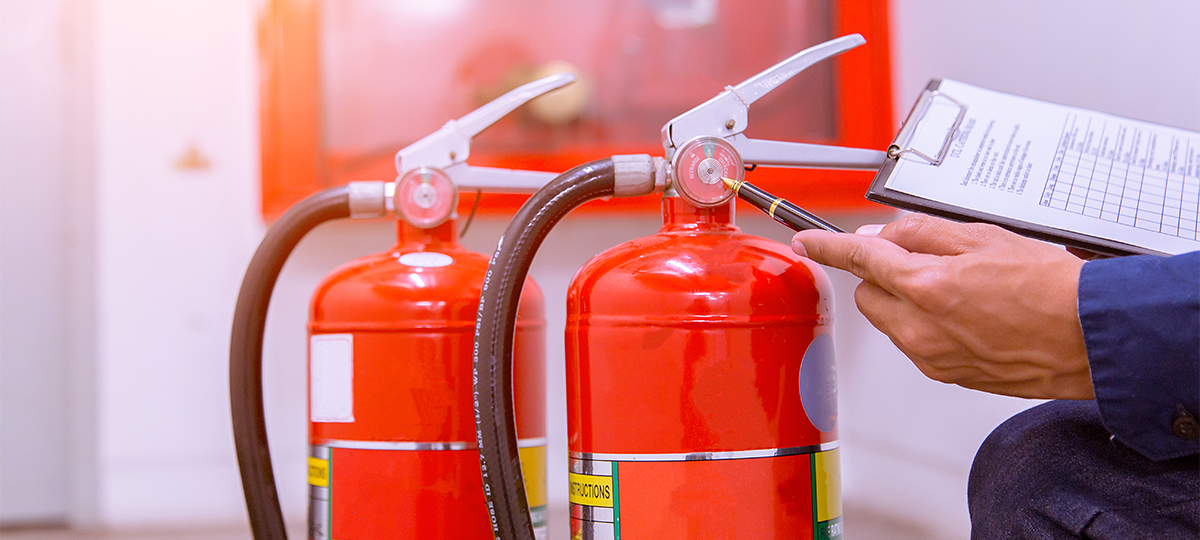
Commercial Fire Extinguisher Compliance Guide
Fire extinguishers are one of the most visible fire protection tools in a building, and they’re often the first line of defense when a fire starts. But having extinguishers installed throughout a structure is only part of the equation. If a unit is blocked, missing a safety pin, damaged, partially discharged, or overdue for servicing,…

How Often Should You Check Your Smoke Detectors?
Fire Alarm Testing Whether your fire alarm is protecting your home or a commercial facility, regular testing of your fire alarm system is critical to ensure it is working correctly. This test guarantees that everyone occupying the home or office understands what to do when the fire alarm sounds, gives you a chance to check…

Wired vs. Wireless Security Cameras
Wired or Wireless? When we talk about wired versus wireless in-home security, it has little to do with whether a piece of equipment has physical wires attached to it. The terms wired and wireless refer to the communication signal that is transmitted from one piece of security equipment to another. For a security system to…

Reasons to Choose a Local Security Company
Whether you’re considering investing in a home or commercial security system or switching providers, you may be weighing local and national companies. Which companies can you trust? Is there a difference in service between your options? Does a larger company necessarily mean better service? There are pros and cons to both sizes of company, but…

5G Security Concerns & the 3G Sunset
Consumers are using the internet on the go more than ever. By 2022, it is projected that consumers will utilize nearly 11GB of data per month, primarily due to video consumption. To create a more robust and long-term solution, technology infrastructure is working towards the next generation of mobile networks: 5G. With this network upgrade…

Tips to Prevent Your Security System from Being Hacked
The Risky Business of Ring’s Vulnerable Security and other DIY security systems can leave your home as a potential target for hackers or thieves. When you are investing in a security system, you are hoping for peace of mind, and you are trusting this technology with your safety and property. Have I Been Hacked? A hacker may…

Fire Systems for the Healthcare Industry
Healthcare facilities face uniquely complex life safety challenges and fire hazards. Unlike other commercial properties, hospitals, clinics, and long-term care centers must safeguard patients and protect equipment that’s both expensive and essential to life safety, and maintain 24/7 operations with no downtime. With vulnerable lives at stake, the healthcare industry must adhere to strict fire…
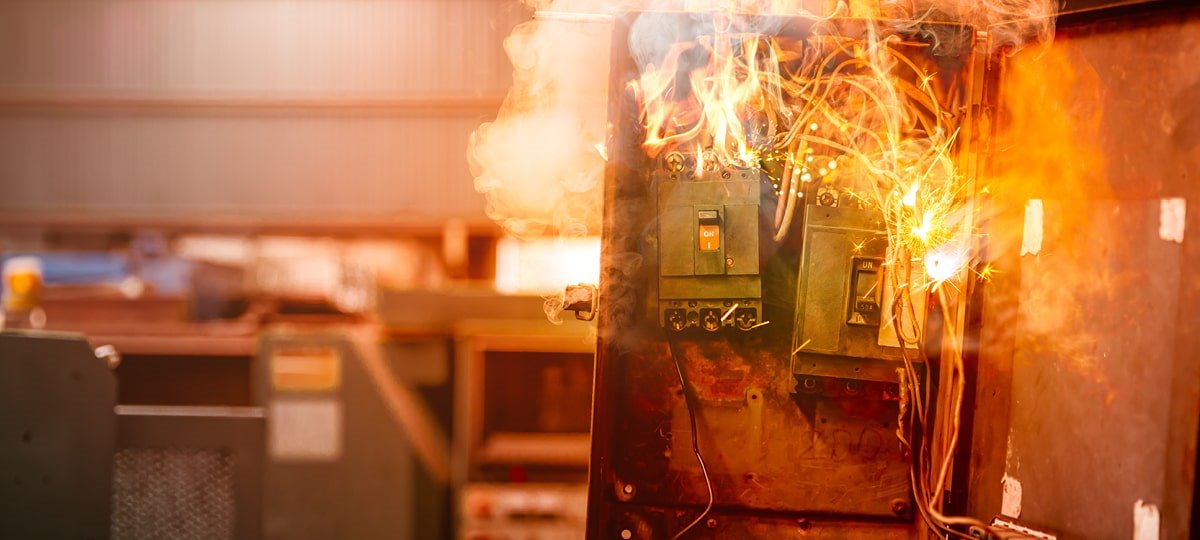
How Fast Can Fire Spread?
What Is Fire? Fire is the result of a chemical reaction called oxidation. Oxidation is the combination of oxygen with another substance. In the case of a fire, the oxidation happens so quickly that light, heat, and sound are released. A fire needs oxygen, heat and fuel to burn. These factors are frequently referred to…
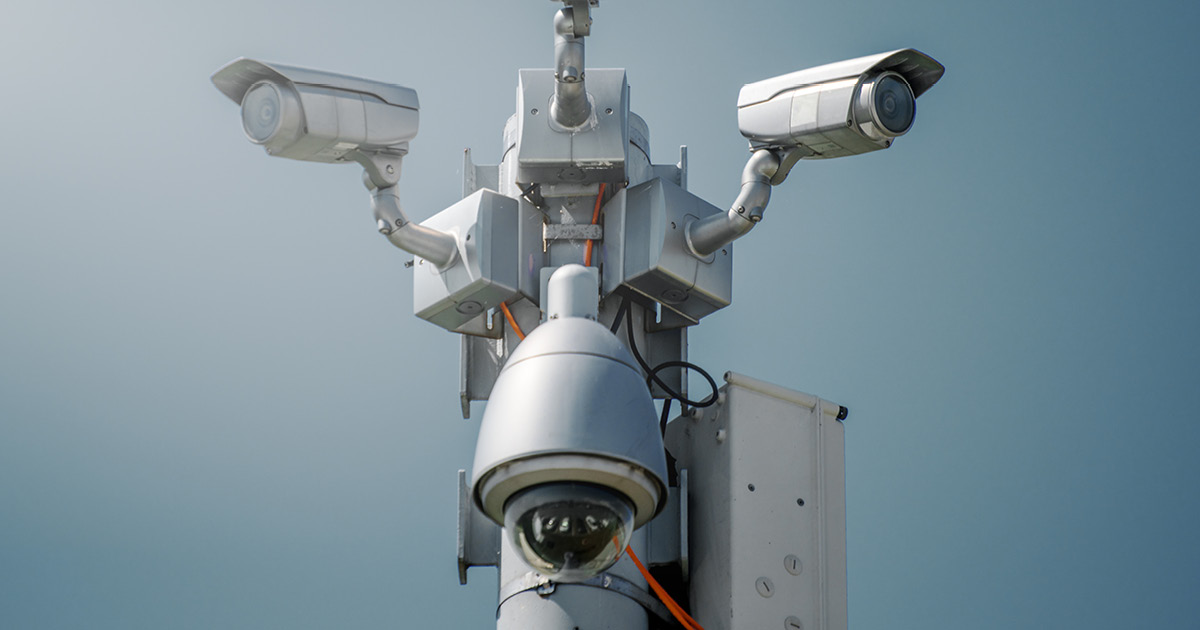
What Are The Different Types of CCTV Cameras?
Your company’s security camera is part of a closed-circuit television system (CCTV). CCTV uses one or more cameras, through either wireless or wired transmission, to send the broadcast from the camera directly to a monitor, set of monitors, or a recording device—providing you peace of mind in the case of crime, fire, theft, or accidents…

Business Security Camera Placement Guide
Security camera placement in a business needs to be strategically decided based on several important factors. Areas that store valuables, have high foot traffic, and enable access to your building should be some of the essential locations. Learn more about what kinds of security cameras you can use and where they should be installed in…