What Are The Different Types of CCTV Cameras?
Your company’s security camera is part of a closed-circuit television system (CCTV). CCTV uses one or more cameras, through either wireless or wired transmission, to send the broadcast from the camera directly to a monitor, set of monitors, or a recording device—providing you peace of mind in the case of crime, fire, theft, or accidents in the workplace.
While most use CCTV systems for surveillance as part of their security system, other uses include safety monitoring or video streaming to larger audiences for a limited-space event, such as an additional viewing room outside of a crowded courtroom during a trial. Learn more about the different CCTV camera options for your business.
What are some common CCTV camera styles?
We’ve explained the two primary kinds of security cameras and their resolutions, but let’s go a little deeper. There are several different styles of cameras under the analog and IP camera umbrellas. Their names may not be super creative; however, they tend to indicate the location of the installation or even the appearance.
Here are some of the most common types of CCTV cameras your business can use:
- Dome cameras are named for their rounded shape and are popular because they are visible yet blend well with their surroundings. Their design makes it difficult for people to know exactly where the lens is looking. Some multi-camera CCTV systems use decoy domes, keeping people guessing as to whether or not there’s an active camera in use at any given position or moment. It’s a good idea to change up which cameras are and are not in use if you employ this tactic in your security system.
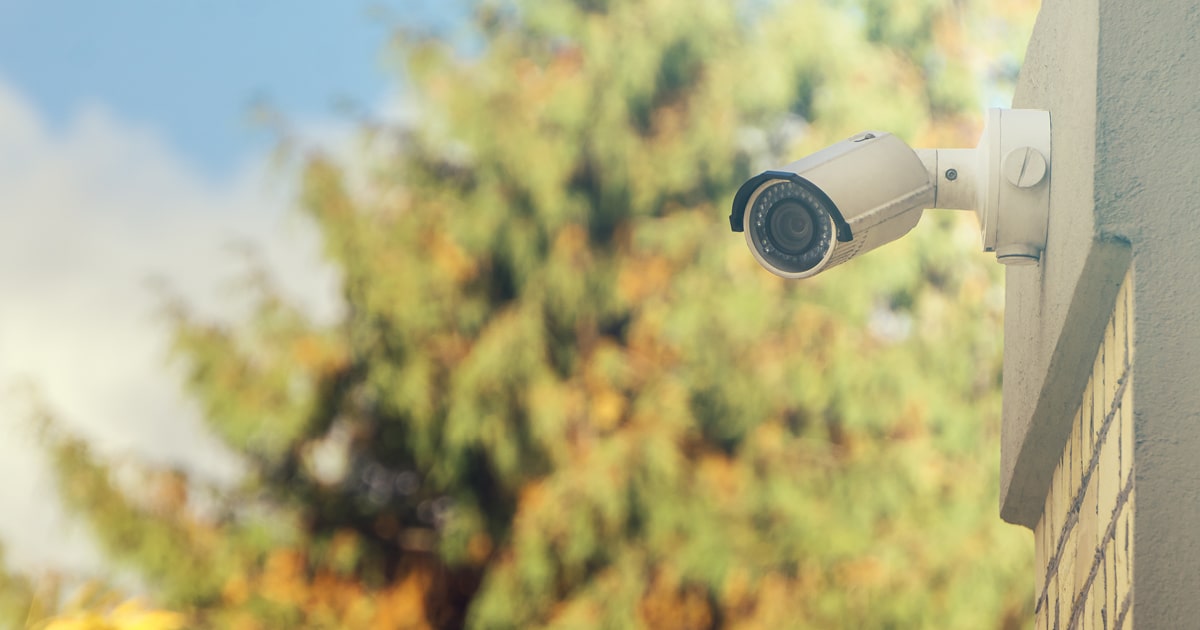
- Bullet cameras, also known as lipstick cameras, tend to be mounted outdoors and focused on a specific area. Bullet cameras mainly differ from dome cameras because they generally have a more extended range, making them ideal for viewing larger areas like parking lots. Most bullet cameras need a protective case and have a small lip to protect against glare and weather.
- Fisheye or panoramic cameras usually come in 180- or 360-degree models to cover a wide angle. They can even provide legally admissible facial recognition footage up to 15 feet from the mounted position.
- Pan-tilt-zoom (PTZ) cameras move left to right (pan), up and down (tilt), and have an optical zoom to get a close look at distant areas. Users can control positioning remotely via a keyboard, joystick, mouse, or even a phone app. Some PTZ security cameras feature presets and automatically scan between predetermined locations.
- Turret cameras are a version of dome cameras. The turret is a ball-and-socket joint, similar to your hip, that swivels to allow for easy adjustment of the camera’s position after installation.
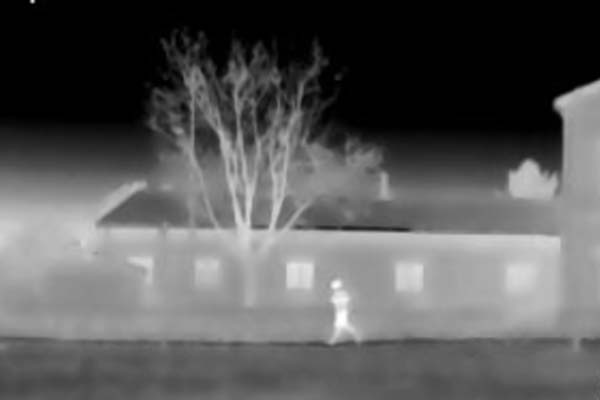
Do CCTV cameras have night vision?
Some kinds of security cameras work at night, which is a cost-effective solution for around-the-clock surveillance in comparison to installing a separate infrared system for monitoring after dark. Cameras switch to night mode when light levels dip below a certain point. Expect a 10- to 15-percent drop in resolution compared to daylight, but rest assured, that level of performance is more than sufficient for most scenarios.
However, more is not always better when it comes to night vision. Be sure to select a camera with a range of no more than double the expected viewing distance. For example, if your desired viewing distance is 40 to 50 feet away, choose a camera with a 100-foot night vision range. The sweet spot is 50 to 80 percent of the camera’s max night distance. Going over this range can create hot spots that look bright white on your monitor.
How do you store CCTV recordings?
The two primary devices that support security video storage are a Digital Video Recorder (DVR) and a Network Video Recorder (NVR). The difference between the two is how they process the video captured by the camera. DVR systems handle the footage at the recorder, meaning everything is stored in one device.
In contrast, NVR systems encode and process the video at the camera and stream it to the NVR recorder for storage and remote viewing. Most DVRs are used with analog cameras and are part of a wire-based system, whereas NVRs work with IP cameras and can be part of a wired or wireless network.
Our expert service techs are here to help
Security cameras are better left to the professionals, especially when it comes to installation. Whether you’re ready to make a security decision or need help weighing your options, we at FSS Technologies are here for you. From selecting the right systems to scheduling installation and maintenance, our expert service technicians will support you every step of the way. Contact us today to learn more.
Explore Our Other Blogs

Inside the Mind of a Burglar
What Message Are You Sending? Whether you know it or not, your business could send a message to potential burglars about how easy or difficult it is to break in. Professional thieves can quickly assess a property, also known as “casing,” to determine if it could be an easy and lucrative target. Unfortunately, many employees…
What to Know About Smart Locks
Smart locks have been on the market for several years and continually gain features as technology advances. Learn how useful they can be and how to find the best option for your home or business. What’s a smart lock? Smart locks are door locks controlled digitally. These locks can be monitored and controlled by an…

Do Smoke Detectors Call the Fire Department?
One of the most asked questions about fire alarm systems is whether smoke detectors call the fire department. The belief that a smoke detector or fire alarm will automatically activate the fire department or send a signal to local first responders is a common misunderstanding. While some systems may be integrated with monitoring services, that’s not always…

Tips to Prevent Your Security System from Being Hacked
The Risky Business of Ring’s Vulnerable Security and other DIY security systems can leave your home as a potential target for hackers or thieves. When you are investing in a security system, you are hoping for peace of mind, and you are trusting this technology with your safety and property. Have I Been Hacked? A hacker may…

Best Small Business Security Systems
While no two small businesses are the same, they share commonalities when it comes to what they want in a security system. Most small business owners want to do three things: Protect their people, property, and assets from fire Protect their people, property, and assets from theft See what is happening in their business even…
Smart Homes: How Automation Helps
Home automation solutions are no longer the ideas of science fiction. These intelligent home systems can save you hundreds of dollars through energy conservation, and they can provide state-of-the-art security to protect your home and the loved ones inside of it. What is A Smart Home? A smart home is equipped with lighting, heating, and…
How to Make Your First-Floor Apartment Safe
In business, getting in on the ground floor is great. You are part of a plan early on to gain an advantage. When it comes to apartment-dwelling, however, getting in on the ground floor is only an advantage in some respects. It’s easier for you and your pets to get in an out, it’s easier…

Certifications That Make Us Security Experts
At FSS Technologies, we pride ourselves on the fact that we are not your typical fire safety or security company. When people call us, they don’t want a one-size-fits-all solution — they want our experts to design a system that perfectly fits their needs. We take “First in Security, First in Satisfaction” seriously to ensure every…
How Much Data Does a Wifi Security Camera Use?
Internet Speed Bandwidth Internet bandwidth is a significant issue nowadays. Everything is tapping into the internet— from our phones to our refrigerators. If you’re installing internet protocol (IP) security cameras, they will inevitably use some of the bandwidth from your network. The question is, how much? When you purchase home internet service, you typically get…

Smoke & Carbon Monoxide Detector Lifespan
As with pretty much everything, your smoke alarm eventually expires. Sensors can become less sensitive over time, making them less adept at doing their job: detecting smoke, carbon monoxide, or potential fires. Replacing the equipment in your fire safety system is important both at home and in your business. We have developed a quick guide…