What Is CCTV Footage?
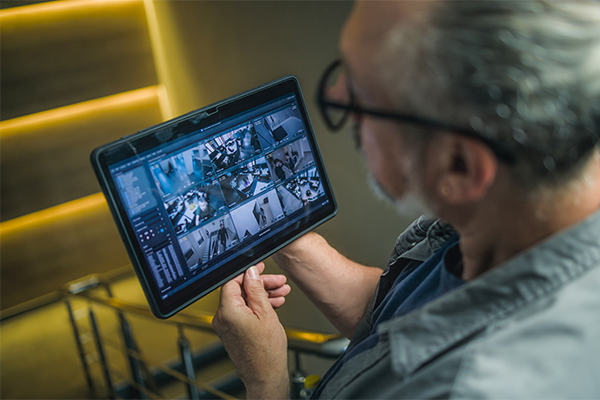
CCTV stands for closed-circuit television, in which video cameras transmit a signal to a specific, limited set of monitors. Wired and wireless cameras in a CCTV system are usually used for surveillance and security purposes. The footage can help prevent crime, aid in the capture of a suspect if an offense occurs, or serve as evidence in court. Cameras may transfer the footage to monitors for real-time viewing, or it may be recorded for future viewing.
What is CCTV used for?
In commercial environments, CCTV cameras are commonly placed in high-traffic customer and employee areas that are often the locations of crime, such as entrances and exits, cash registers, or inventory storage. The goal is to help businesses save money and lower the risk of incidents such as shoplifting, arson, burglary, or vandalism. CCTV cameras can also help monitor areas of a building, lab, or industrial facility that aren’t safe for people to enter.
In residential settings, CCTV cameras are often used to deter potential criminals or unwanted visitors, giving homeowners greater peace of mind. These cameras can help monitor blind spots around the home that can’t be seen from windows. CCTV can also be used to keep an eye on caregivers, pets, or children in the house while the homeowner is away.
Some of the most common types of CCTV cameras include:
- Dome
- Turret
- Bullet
- 360 fisheye
- Doorbell
- Pan-tilt-zoom (PTZ)
How long do you have to keep CCTV footage?
If CCTV cameras record footage, there’s no required length of time for the footage to be kept. Most home and business owners decide how long they hold onto the footage based on the available storage space and the amount of footage they must store. The amount of footage to be saved also depends on factors such as the number of cameras recording, the resolution of the cameras, and more. In general, most security footage is stored anywhere from 7 to 90 days.
Are there rules for using CCTV footage?
There are no hard and fast rules regarding who can watch CCTV footage and how it can be used. State and federal laws related to CCTV and electronic monitoring vary from state to state. Also, there are differences in the statutes for video monitoring and audio monitoring, which is why CCTV camera footage often lacks audio.
In general, businesses can legally use cameras as long as they aren’t placed in areas where there is a reasonable expectation of privacy, like bathrooms and changing rooms. For employers, it’s generally accepted practice to alert employees and customers that a CCTV system is in use in their workplace.
For homeowners, it may be legal to record video without the consent of the person being recorded. Still, we recommend checking with a lawyer to make sure. Placing cameras in a bedroom or bathroom, even in your own home, can have legal implications, especially if children are involved. Additionally, outdoor cameras should only record your property.
Practically speaking, most home and business owners usually post signs letting others know an area is under surveillance to deter trouble from ever taking place. If someone wants to view the CCTV footage on which he or she was recorded, it’s also not clear-cut what is or is not allowed. Without a subpoena, no private person or business is required to provide the footage.
Make the most of CCTV with FSS Technologies
There’s a lot to know about installing and using a CCTV system in residential and commercial settings, and that’s why we’re here to help. Our expert service technicians are well-versed in all things security, enabling us to build a custom-fit solution that meets your needs and goals. If you’re interested in learning more about installing a CCTV system at your home or business, contact us today for a free consultation.
Explore Our Other Blogs

Smoke Detectors for the Hearing Impaired
What are Visual Fire Alarms? If a fire breaks out, occupants of a building may have as little as two minutes to get out before the fire becomes life-threatening. Fire alarms provide an early warning notification and alert people to evacuate, but what if you are deaf or hearing impaired? How do you know there…

Home Security Solutions for People with Disabilities
According to the Centers for Diseases Control and Prevention (CDC), one in five American adults live with a disability. The most common disabilities are hearing or vision impairments, mobility issues like arthritis or a diminished ability to live independently, speech and language challenges, and cognitive conditions including dementia and Alzheimer’s disease. Recently we talked about…
Types of Fire Suppression Systems
Fire suppression is one of the most important layers in a commercial building’s life safety plan because it is designed to control a hazard early, often before conditions spread beyond the point where occupants or staff can safely intervene. That matters for more than just damage control—it affects potential interruptions, compliance issues, and emergency performance….

Local Alarm System vs. National Home Security Company
When looking for home security, you may find yourself stuck between local alarm companies and national home security. Find out why more and more people are turning to local home security companies. Knowledge One of the biggest advantages of using a local company is that they will be familiar with local safety concerns, any jurisdiction regulations…
Security Cameras Are Not Created Equal
The Difference in Security Cameras Cameras are one of the most critical components in your security arsenal, and not all security cameras are the same. Why you ask? Consider these differences: Various types and sizes of cameras Indoor vs. outdoor cameras Cameras that are easy to camouflage Cameras that provide high-quality video footage Wired cameras vs. wireless…

Business Fire Alarm Installation Guide
A fire alarm system is part of the business security system that keeps your business, property, and employees safe. A fire can become life-threatening in two minutes and can engulf a building within five minutes. Your business could go up in flames in a matter of moments without the proper equipment and detection systems in place to protect everything…
Reasons to Choose a Local Security Company
Whether you’re considering investing in a home or commercial security system or switching providers, you may be weighing local and national companies. Which companies can you trust? Is there a difference in service between your options? Does a larger company necessarily mean better service? There are pros and cons to both sizes of company, but…

5 Reasons Why You Need a Home Security System
A home security system protects your home and the ones you love. While there are many reasons you may need to invest in a home security system, we have highlighted some key ones: 1. Peace of Mind Have you heard a noise in the night and ever wondered what made the noise? A home security…
What to Know About Smart Locks
Smart locks have been on the market for several years and continually gain features as technology advances. Learn how useful they can be and how to find the best option for your home or business. What’s a smart lock? Smart locks are door locks controlled digitally. These locks can be monitored and controlled by an…
Can Your CCTV and Access Control Systems be Integrated?
When setting up security for your business, you might consider adding CCTV and access control systems. These two security measures work great to deter crime on their own, and provide even greater security when integrated. This pairing has many advantages, but it is also a complex setup that may not be right for you. There…