Professional vs. Self-Monitoring: Cost Comparison
We recently talked about the various codes required for your security and fire protection systems. We also talked about why monitoring is vital as part of a business’s fire safety system—mainly because the code may require it.
This blog will address the pros and cons of self-monitoring your business’ entire alarm system versus the cost of professional security monitoring.
First, what is the difference between the two?
Professional vs. Self
A professionally monitored system—as the name implies—is actively and continuously observed by professionally trained personnel at a central monitoring station. These workers are trained, certified, and on standby 24/7 to receive and react to alarm signals. If a glass-break sensor is triggered, for example, the central monitoring station receives an immediate notification. Depending on protocols established with the business owner, the central monitoring station may first contact the owner or may immediately notify the local authorities.
In a self-monitored system, the business owner is responsible for the security system. This is generally hosted on a smartphone app that will send the business owner a text or email if an alarm is triggered. It is then up to the business owner to investigate the cause of the signal or to notify emergency responders, if necessary.

Pros of Professional Security Monitoring
Convenience is one of the biggest pros for a professionally monitored system. Outsourcing monitoring offers freedom and a reliable process for your business. You know that if you’ve gone out to dinner or away on vacation, continuous security monitoring is keeping an eye on your investment. You can relax knowing it’s in good hands because a monitored system will automatically notify the host company’s security team and often makes a direct connection to emergency services.
Cons of Professional Security Monitoring
The added expense is the main downside for a professionally monitored system. Most require a contract for a minimum period with monthly charges for the service.

Pros of Self-Monitoring Security
The primary upside of a self-monitored system is the cost. After the initial purchase of the security equipment, there are no more expenses. There are no contracts or monthly monitoring fees once the system is in place.
Cons of Self-Monitoring Security
Self-monitored systems usually require Wi-Fi and power connections. If the power goes out, your security system can be compromised. If you have a bad Wi-Fi signal or have turned off your phone, there’s no way to check on your business remotely.
The hidden up-front costs of self-monitoring can also be considered a disadvantage of self-monitored security. It can take you a lot of time to install the equipment and to respond to alarm signals at any time of the day.
Get Your Free Consultation
FSS and its certified technicians work with customers to create, install, and monitor individualized security systems made for every need and budget. We keep you, your business, and customers safe and give you peace of mind.
Explore Our Other Blogs

Video Doorbell Privacy Issues
Video Doorbells In the News Video doorbells are one of the hottest home security tools on the market today. We agree. Once you have a video doorbell, you’ll probably wonder how you ever lived without it. Check out our blog on How a Video Doorbell Works to learn more. However, like any technology on the…

Who Are the Best Security Companies in Indiana?
Finding the right company to install and monitor the security in your home (or business) is an important choice. You need to know and trust the people who will be responsible for keeping you safe. In Indiana, we know that there are many teams ready and capable of protecting your home and business. To help…
Commercial Fire Extinguisher Compliance Guide
Fire extinguishers are one of the most visible fire protection tools in a building, and they’re often the first line of defense when a fire starts. But having extinguishers installed throughout a structure is only part of the equation. If a unit is blocked, missing a safety pin, damaged, partially discharged, or overdue for servicing,…

Ins and Outs of Contract vs No Contract Security Systems
Many people see signing a long-term contract with a reputable alarm company as a stressful experience. In truth, contracts are in place to benefit both the alarm company and the homeowner. Developing a relationship and signing a long-term commitment to a security company allows you to get to know a team and benefit from the peace of mind that…
What Matters in a Fire Alarm Inspection?
At FSS Technologies, we understand that safety and reliability are paramount when it comes to fire alarm systems. While installing commercial fire safety systems is a critical first step in protecting your business, your efforts can’t stop there. Fire alarm inspections are just as necessary to ensure your building is prepared for emergencies. Learn about what…

5 Common Causes of Commercial Fires
Many business owners and employees think their chances of dealing with a fire in the workplace are improbable, but the numbers tell a different story. According to the U.S. Fire Administration (USFA), an estimated 116,500 commercial fires were reported nationally in 2021. These fires contributed to 115 deaths, 1,025 injuries, and over $3.6 billion in…

The Risky Business of Ring’s Vulnerable Security
If you are like the rest of Americans, you have noticed that the Ring Security company has been in the news lately— and not for anything useful. Between security hacks and lawsuits, the company has landed itself in hot water. Surveillance Camera Hacks Homeowners have security cameras installed in their homes to give them peace…
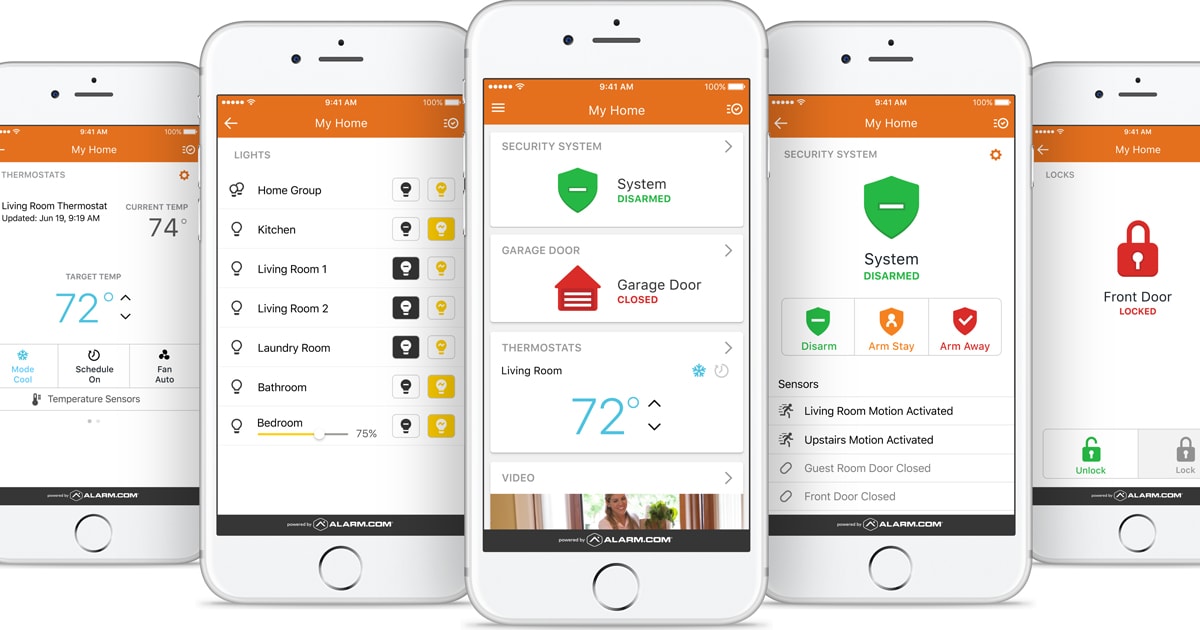
What Is Alarm.com?
How Does Alarm.com Work? Alarm.com is a cloud-based service that allows customers to manage their security alarms and home automation systems remotely. Alarm.com does not manufacture security components, like alarm panels and cameras. Instead, its cutting-edge software is integrated into hardware systems provided by highly regarded manufacturers. What sets Alarm.com apart? Alarm.com Products Alarm.com’s partnership…

Cost of Home Security Systems
Getting a security system for your home is a wise investment. While the obvious benefit is protection for your family, home, and belongings, it’s hard to put a price on the peace of mind that comes from knowing that you and your family will have professional help in case of an emergency. Still, you must…

Home Security Solutions for People with Disabilities
According to the Centers for Diseases Control and Prevention (CDC), one in five American adults live with a disability. The most common disabilities are hearing or vision impairments, mobility issues like arthritis or a diminished ability to live independently, speech and language challenges, and cognitive conditions including dementia and Alzheimer’s disease. Recently we talked about…