Can Motion Sensors be Triggered by Light?
Motion sensors are a common part of our world today. Wave your hand under the faucet and the water runs. Pull open the closet door and the light turns on. Walk near the doors of the grocery store and they automatically slide open.
Motion sensors are devices that detect movement. They are common features in automated technology like doors and faucets but are very common as a part of a security system. Motion detectors are useful both indoors and outdoors because they can keep watch for any unexpected movement while you are asleep or away from home.
How do motion sensors work? It depends on what kind of motion sensors they are.
Active Motion Sensors
Active motion sensors use microwaves to detect motion. In this case. microwaves are a type of electromagnetic radiation — waves of electrical and magnetic energy moving together through space, not the kind that heats up your ramen. This is how radar and pregnancy ultrasounds work.
An active motion sensor emits microwaves and then analyzes the waves that are reflected to the sensor. When the pattern of waves are disturbed, such as when a person walks by, it triggers the sensor to send a signal. This signal may open a door, turn on the water, or activate an alarm.
These types of sensors are great in harsh, high heat environments, but they also can cause false alarms if a small animal scurries by or the wind blows too hard. Active motion sensors need a continuous power source or strong batteries because they are actively working to send out microwaves and detect motion.
Passive Motion Sensors
Passive motion sensors generate energy when exposed to heat or infrared light. Infrared light is a form of light we can’t see with our eyes but can feel on our skin as heat. When a passive motion sensor detects heat, it generates energy that triggers the detection, thus causing the lights to turn on or the alarm to sound.
It’s passive because the sensor doesn’t generate or radiate energy for detection purposes, like how the active sensor emits microwaves to test the environment around it. Rather, it works entirely by detecting any energy emitted from other objects.
Some infrared sensors can ignore objects or animals below a specified size, meaning your cat running around at 2 am won’t trigger the system.
If you live in a hot climate where temperatures can climb above 95 degrees F, this type of sensor won’t work. A high-quality passive motion sensor can last multiple years on one battery.
What can Accidentally Trigger Your Motion Sensor?
So back to our original question: can motion sensors be triggered by light? Yep. But not likely just your normal lights turning on and off in the living room. A passive motion sensor would more likely be triggered by sun shining on it or an extremely hot bulb close to the sensor. You’ll also want to keep passive motion sensors away from the heating vents and radiators.
Active motion sensors aren’t foolproof either. As we already said, small animals, insects or the wind can potentially trigger an active motion sensor.
To prevent false alarms, today’s motion sensors are usually a combination of passive and active sensors so both microwaves and heat must both be detected to trigger the sensor.
Motion Sensor Placement
As we mentioned, infrared sensors can be triggered by heat sources, so it is important to make sure your sensors are clear of any fireplaces, heaters, and away from direct sunlight.
When planning the placement of your motion sensors, consider high-traffic areas that would be hard to avoid in a home. This can include an entryway, stairwell, or primary hallway depending on the set up of your home.
Installing Motion Sensors
The team at FSS Technologies has years of training and expertise on the planning, placement, installation, and testing of motion sensors. We can help guide you through the process of determining how many you need and where to place them in your home.
Explore Our Other Blogs

Monitored vs. Unmonitored Security Systems
If you’re thinking about installing a security system, you may be wondering if monitoring is a necessary feature. While an unmonitored system is better than nothing at all, there are some critical things you should consider before making a decision. The Benefits of Monitoring The noise and commotion caused by the sirens and lights associated…

Renter’s Insurance Discounts and Security Systems
Home invasions or burglaries are a threat to any household, regardless of where they are located. One of the biggest deterrents for burglars is a home security system that could record evidence of their actions or could notify the authorities at the time of a break-in. This is a huge motivator for homeowners when deciding…

How to Prepare for a Fire Inspection
Updated May 2023 Most people learn how to react to fire alarms from a young age. The sharp, jarring noise of the sirens instantly notifies everyone within earshot of a possible emergency and the need to evacuate. These fire safety alarm systems are mandated worldwide and need regular inspections and maintenance to promote safety. As…

How to Conduct a Physical Security Audit
Protecting your livelihood is at the top of every business owner’s mind, but how do you know if your business is truly protected? By performing a physical security audit, you can fully assess any threats that your business might be subject to and take the necessary steps to mitigate those threats. During a physical security audit, each aspect of the business and its security…

Holiday Safety Tips for Homes and Businesses
With the holiday season right around the corner, burglars are on the lookout for unguarded homes or businesses to prey on. Unlike the Grinch, holiday robbers don’t often have a heart that grows three sizes, making it more important than ever to protect your valuables and your loved ones. Our security experts have come up…

Fire Safety Procedures for the Workplace
The bad news—a fire breaks out in your workplace. The good news—you are ready because you have done your homework and prepared for the possibility of an emergency. Emergency Action Plan The Occupational Safety and Health Administration (OSHA) requires most employers to have an emergency action plan for various scenarios, including fires in the workplace. There are…

Why Fire Alarm Monitoring is Essential for Your Business
We’ve talked about the National Fire Protection Association (NFPA) in previous blogs and how it is essential to understand and obey their standards when installing, testing, and maintaining fire alarm systems. Fire Alarm Monitoring is the Law Your business might need to include monitoring as part of its fire safety system due to NFPA 101® . NFPA…
What are the Components of a Security System?
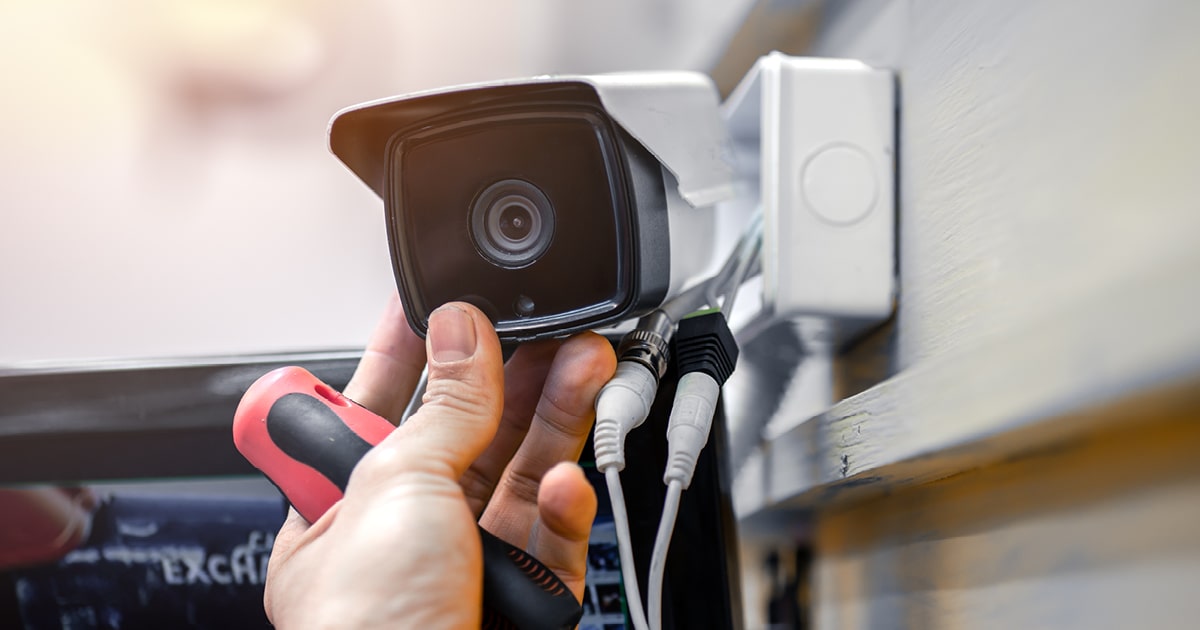
Security systems can vary widely in size and scale: from simple home alarms and small business surveillance systems to commercial-grade intrusion and detection systems. One system could even be comprised of enterprise-level networks that stretch across multiple locations. Understanding the essential components of a security system is the best way to start your search for…

Cons of DIY Home Security Systems
When considering getting a home security system, some people might assume they can set up a fully functioning system themselves. The reality is that DIY systems come with some significant drawbacks. Here are some of the things to consider before you decide to take on this project yourself. Not Professionally Installed The importance of having…

Wired vs. Wireless Security Cameras
Wired or Wireless? When we talk about wired versus wireless in-home security, it has little to do with whether a piece of equipment has physical wires attached to it. The terms wired and wireless refer to the communication signal that is transmitted from one piece of security equipment to another. For a security system to…