Do You Know How Your Alarm System Communicates?
What is alarm monitoring?
One of the most sought-after features for residential and commercial security systems is 24/7 alarm monitoring. Monitored security systems are connected to a central monitoring facility with staff who review tripped alarms, verify emergencies, and contact relevant emergency services. Monitors generally reach at least two phone numbers connected to a residence or business to alert a homeowner or employer of the tripped alarm system. If no point of contact is reached, the monitor will immediately contact emergency personnel and request that they address the potential issue.
Alarm monitoring services are not required for your security system but are strongly recommended. Your alarm system is a solid line of defense against intruders or other issues, but monitoring elevates the level of protection for your home or office by giving you around-the-clock security measures that work just as well when you’re away.
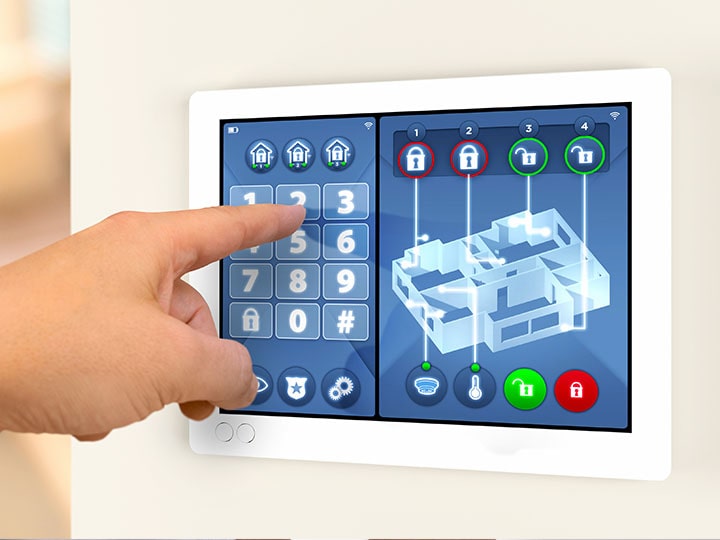
How do alarm systems communicate with monitoring companies?
Monitoring is a dependable and helpful service, but its semantics are not always understood. For monitoring to be effective, your alarm system must communicate directly and efficiently with the alarm monitoring company. Many alarm systems have various communication configurations, each with specific benefits and drawbacks. Knowing how your alarm system communicates could significantly impact the overall effectiveness of your system and its 24/7 monitoring capabilities.
Four ways alarm systems communicate with monitoring companies
The telephone landline is the original form of communication for telephones and alarm systems. This monitoring method connects a business or home’s telephone line to the alarm panel to communicate signals. While this type of communication has been tested and confirmed, technological advances have spurred weaknesses in landline-based alarm systems. Potential thieves could easily cut a phone line, leaving your business or home vulnerable. Because the technology is significantly outdated compared to newer options, landline connections are often viewed as a last resort.
Broadband internet is a newer and far more flexible communication type. The alarm panel typically connects directly to your home or business Wi-Fi network to access the internet. This option has gained popularity due to its lower costs and ease of installation and use. Unfortunately, an internet connection can sometimes be unstable, and a clever intruder could sever an internet cable to disconnect your alarm from its monitoring service. Also, if your panel and Wi-Fi setup lack a battery backup, a power outage would render your system and monitoring services useless.
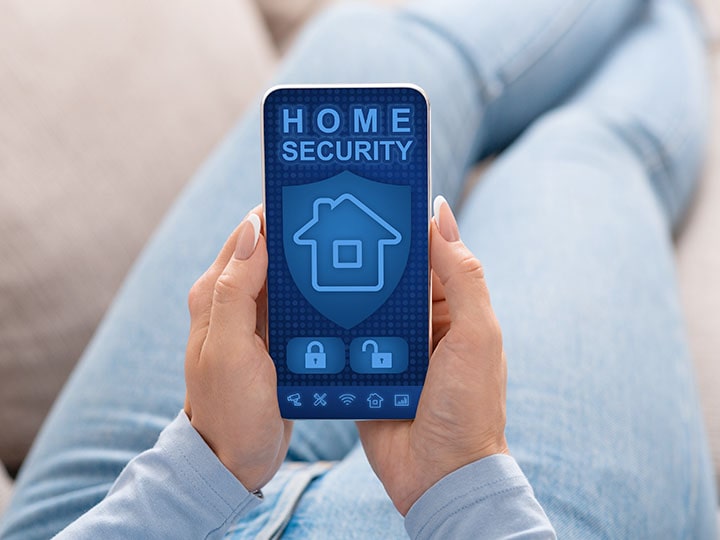
This communication method transmits information through wireless signals and is steadily gaining popularity. One of the significant benefits of choosing a cellular alarm system is that it is far less vulnerable to tampering or inconsistencies. An intruder cannot sever a wireless signal, and most models include battery backups to maintain function if your home or office building loses power.
Before committing to a cellular system, homeowners and employers should note their potential system’s specific wireless transmission specifications. If you decide to invest in a cellular alarm system, purchase a brand or model that uses LTE wireless data instead of 3G or other older technology methods. Older wireless technologies are constantly being phased out, so any technology older than LTE could become unusable. Today’s LTE wireless technology is designed to be updated, so it is likely to remain viable.
This is the latest and greatest technology for alarm monitoring communication. It combines internet and cellular signals and chooses the faster, more reliable connection path that is available at the time of need. This type of alarm system typically relies on its internet connection as a primary path since it can transmit more data faster. The cellular connection is available as a backup if the system’s internet connection or power supply experiences disruptions. If the internet connection performs slower than the cellular connection, the system can change its primary method to accommodate any issues with communication.
How do I choose?
Finding the right security system and monitoring service for your residence or business can be difficult. When selecting an alarm monitoring communication method, consider all your options and think holistically about your security needs. If you need help finding the right solution, the security professionals at FSS Technologies are experts on the cutting-edge security technology required to protect your home or business.
Explore Our Other Blogs
What is a Manual Pull Station?
A manual pull station is a wall-mounted fire safety device that triggers an alarm in the event of an emergency. Pull stations are commonly found in many public buildings across the United States and Canada. Most people have seen them, and some have possibly even pulled one before, whether for a real emergency or a…
How Fast Can Fire Spread?
What Is Fire? Fire is the result of a chemical reaction called oxidation. Oxidation is the combination of oxygen with another substance. In the case of a fire, the oxidation happens so quickly that light, heat, and sound are released. A fire needs oxygen, heat and fuel to burn. These factors are frequently referred to…

How to Deter Burglars
While owning a home security system automatically decreases your chances of being burglarized, there are many common mistakes and oversights that can compromise its reliability. Here are the most important safety precautions you can take in conjunction with your security system to ensure your home is safe from thieves. Create the Illusion that Someone is…

Cons of DIY Home Security Systems
When considering getting a home security system, some people might assume they can set up a fully functioning system themselves. The reality is that DIY systems come with some significant drawbacks. Here are some of the things to consider before you decide to take on this project yourself. Not Professionally Installed The importance of having…
What Matters in a Fire Alarm Inspection?
At FSS Technologies, we understand that safety and reliability are paramount when it comes to fire alarm systems. While installing commercial fire safety systems is a critical first step in protecting your business, your efforts can’t stop there. Fire alarm inspections are just as necessary to ensure your building is prepared for emergencies. Learn about what…

Who Owns ADT Alarm Systems After Install?
You’ve paid to have an alarm system installed in your home. Do you own the equipment? Most likely, but not yet if you contracted with a big-box home security company like ADT. Payment Plans for Equipment Most people sign up on special offers in which they will pay an installation fee for the equipment, but…

Hard-Wired vs Wireless Security Systems
The chicken or the egg. Not asking which came first in this case, just which one you like better. In the world of security systems, which came first between wired and wireless was answered long ago. But the question of which is better remains. Let’s start with a quick overview of how each of these…
What are the Different Types of Smoke Detectors?
Smoke detectors are vital to fire safety for homes and businesses. Because they protect lives from fires or gas leaks, it’s essential to choose the best detector for your environment. There are various options to choose from, meaning you need to understand the benefits each one offers before making a selection. Learn more about the…

Best Security System Setups for Senior Citizens
According to the American Association of Retired Persons (AARP), nearly 90% of senior citizens want to stay in their homes as they age even if they need day-to-day assistance or have ongoing health issues like early-stage Alzheimer’s or dementia. Unfortunately, criminals often target senior citizens as victims. Thieves assume older people will not be able…

Types of Fire Alarm Systems
How Does a Fire Alarm Work? Fire alarm systems have two main functions: Alert the occupants of a building to a fire emergency enabling a safe evacuation Notify firefighters of the fire emergency. Options for Fire Alarms Manual Fire Alarms Manual fire alarms, also known as manual pull stations, are a way for people to alert…