Fire Systems for the Healthcare Industry
Healthcare facilities face uniquely complex life safety challenges and fire hazards. Unlike other commercial properties, hospitals, clinics, and long-term care centers must safeguard patients and protect equipment that’s both expensive and essential to life safety, and maintain 24/7 operations with no downtime. With vulnerable lives at stake, the healthcare industry must adhere to strict fire safety requirements.
Fire protection systems in these environments must do more than detect and suppress flames—they must also help ensure uninterrupted care, support smooth evacuations, and meet rigorous compliance standards. Explore the critical NFPA codes that shape fire protection in healthcare and the fire systems these facilities typically rely on to ensure safety and compliance.
What NFPA codes apply to the healthcare industry?
Healthcare buildings face some of the strictest fire and life safety regulations of any industry. The National Fire Protection Association (NFPA) outlines several standards specifically designed for medical environments, with two of the most important codes being NFPA 99 and NFPA 45. In addition to these, a broader set of codes that apply across industries also impacts healthcare facilities.
NFPA 99: Health Care Facilities Code
NFPA 99 is one of the most specific standards in the NFPA catalog for healthcare facilities. Rather than tying requirements to building size or occupancy as other codes do, NFPA 99 employs a risk-based approach that assesses the potential impact of system failures and other related emergencies on patient safety. This approach makes it especially important for hospitals, outpatient centers, and specialty clinics.
For healthcare facilities, some of the most important NFPA 99 areas include:
- Fire protection and detection requirements for patient care areas
- Electrical systems and backup power, including emergency generators and life safety branches
- Gas and vacuum systems, such as medical oxygen, which significantly increase fire risk
- HVAC and ventilation standards that support smoke control and protect sensitive environments
- Inspection, testing, and maintenance requirements for fire alarm and suppression systems
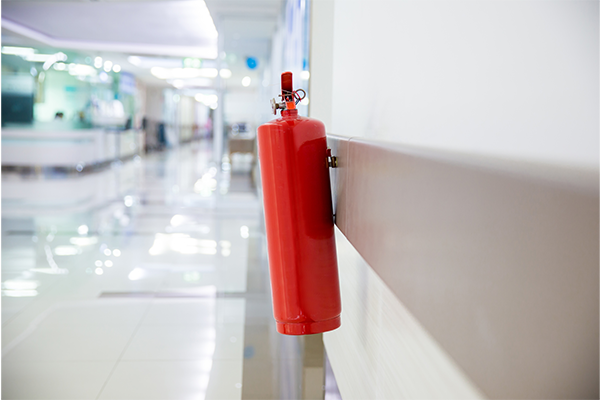
By identifying building systems that pose the highest potential risk, NFPA 99 helps facilities prioritize the fire protection equipment they need most while prioritizing patient safety and care standards.
NFPA 45: Standard on Fire Protection for Laboratories Using Chemicals
Many healthcare facilities contain on-site laboratories for diagnostics, research, or specialized testing. These labs introduce additional fire risks because of their use of chemicals, heat-producing equipment, and specialized ventilation systems. NFPA 45 provides detailed guidance on how these areas should be designed, constructed, and operated to reduce the risk of fire and protect both staff and patients.
NFPA 45 outlines requirements for:
- Laboratory hazard classifications, which determine construction type and fire-resistance needs
- Chemical fume hood regulations, including ventilation performance and emergency shutoff capabilities
- Fire suppression systems that may include sprinklers or clean agent systems, depending on chemical hazards and equipment considerations
- Proper storage and handling of flammable and combustible liquids
- Staff fire safety training and emergency planning, especially around chemical spills or flash-fire risks
In healthcare environments where laboratory spaces often sit near patient-care areas, NFPA 45 plays a vital role in ensuring fire protection systems adequately address chemical hazards and other safety concerns.
NFPA 101: Life Safety Code
While NFPA 101 is a general code that addresses numerous industries, chapters 18 through 21 specifically apply to healthcare locations that provide inpatient and outpatient care. Hospitals, surgical centers, and other similar facilities must comply with this code, with specific requirements outlined for both new and existing structures.
For general and ambulatory healthcare facilities, NFPA 101 sets standards for:
- Building construction and fire-resistance ratings, including smoke barriers and compartmentation
- Means of egress, such as corridor widths, exit access, and travel distances
- Sprinkler protection, which is typically required in new facilities and strongly encouraged in existing ones
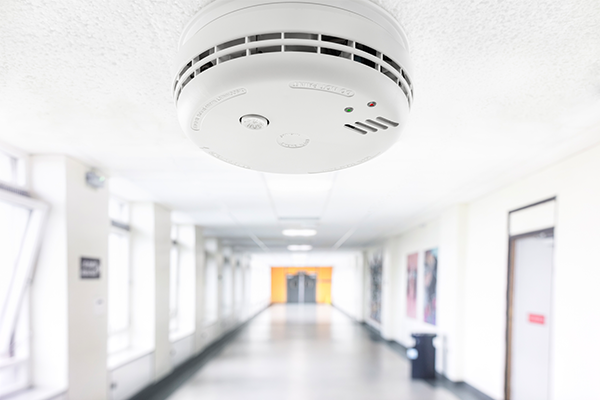
- Fire detection and alarm systems, with allowances for patient-sensitive notification methods
- Smoke compartments to support horizontal evacuation, especially important in inpatient settings
- Protection of hazardous areas, including storage rooms, mechanical spaces, and labs
- Special locking arrangements, such as controlled egress for behavioral health or memory care units
- Allowances for existing construction, offering more flexibility for older hospitals and clinics
Are there other codes that healthcare facilities must follow?
In addition to the three primary codes above, these important NFPA codes influence the healthcare industry’s fire and life safety systems:
- NFPA 1: Fire Code
- NFPA 10: Standard for Portable Fire Extinguishers
- NFPA 13: Standard for the Installation of Sprinkler Systems
- NFPA 25: Standard for the Inspection, Testing, and Maintenance of Water-Based Fire Protection Systems
- NFPA 70: National Electrical Code
- NFPA 72: National Fire Alarm and Signaling Code
Together, these standards help ensure a cohesive, compliant fire protection strategy that accounts for all active and passive fire protection components.
What should a healthcare fire and life safety system include?
Given the sensitive and complex nature of medical environments, healthcare facilities use a combination of fire detection, suppression, and passive protection measures to address a wide variety of risk factors. Below are the systems typically used in these settings, along with their implementation to support a facility’s unique needs while protecting its patients and personnel.
Fire alarm systems
A reliable fire alarm system is essential for early detection and quick response. In healthcare facilities, this often includes:
- Addressable fire alarm panels precisely identify the location of an alarm’s trigger.
- Heat and smoke detectors safeguard patient rooms, hallways, cafeterias, labs, and storage areas.
- Duct detectors in HVAC equipment prevent smoke from spreading through ventilation systems.
- ADA-compliant voice evacuation and emergency lighting systems provide clear direction during emergencies.
Sprinkler systems
Fire sprinkler systems play a central role in suppressing fires in healthcare facilities. Depending on the area, different types of systems may be used:
- Wet pipe systems are ideal for patient care areas because they provide the fastest response.
- Pre-action systems can be used in MRI or CT rooms where accidental water discharge must be avoided.
- Dry pipe systems are often used in areas where freezing temperatures are possible.
- Deluge systems are used selectively in high-risk zones where rapid water flow is required.
Special hazard suppression systems
In areas with sensitive equipment or high-risk materials, fire suppression systems may be a better option than water-based sprinklers. Here are some examples of different suppression materials that can be used:
- Clean agents may be installed in server rooms, imaging suites, and electrical rooms to extinguish fires without leaving residue that can damage electronics.
- Carbon dioxide can be used in unoccupied mechanical spaces where clean agents or sprinklers may worsen an electrical fire.
- Wet or dry chemicals can be used in cafeterias to quickly suppress grease-fueled flames, which account for the majority of hospital fires.
- Water mist systems can provide effective suppression while reducing water usage and collateral damage.
Passive fire protection
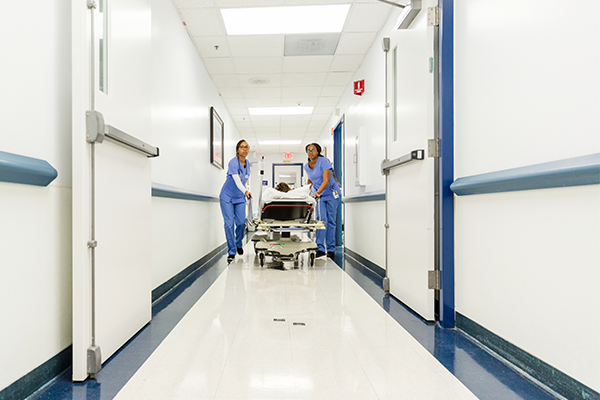
While active protection is important, passive protection is equally crucial in healthcare facilities because it supports safe evacuations. Key components of passive fire protection include:
- Fire-rated walls, ceilings, and doors can prevent the spread of smoke and flames.
- Fire doors and barriers are often used to support horizontal evacuation procedures.
- Smoke control systems can help maintain visibility and breathable air during emergencies.
Portable fire suppression
Portable extinguishers remain essential tools in healthcare settings. Different types are placed strategically throughout the facility based on their fire classes, including:
- Medical gas storage rooms
- Kitchens and food service areas
- Operating rooms
- Mechanical rooms
- Laboratories
- Waiting rooms
- Administrative spaces
Choose FSS Technologies for fire safety systems that won’t flatline
Healthcare facilities rely on fire and life safety systems that strike a balance between code compliance and dependability to protect vulnerable patients and dedicated personnel. With complex environments that include patient care areas, surgical suites, laboratories, and long-term care wings, your fire protection measures require a level of precision and reliability that goes far beyond standard commercial needs.
At FSS Technologies, we understand the unique demands of promoting fire safety in healthcare facilities across the Midwest. Our team delivers advanced solutions for fire alarm and suppression systems, access control, nurse call technology, and more—all tailored to support your goals without interrupting your operations. We prioritize innovation and consistent service, so your team can remain focused on what matters most: delivering world-class care in a safe and secure environment.
Whether your facility needs system upgrades, routine inspections, or a complete fire and life safety redesign, get in touch to learn how our expert service technicians and support team can help you stay compliant, protected, and prepared for the future.
Explore Our Other Blogs

How Poor Security Can Cost Your Business
Poor security practices have hidden costs With the many expenses that business owners must juggle for day-to-day operations, security often falls by the wayside. Even though it seems like an easy way to save money, the cost of handling a break-in can surpass the money you’d spend on installing and maintaining a security system. Here…
What Does a Commercial Fire System Include?
Fire safety is critical for all businesses, but the components within commercial fire systems vary significantly between industries and functions. Fires can stem from common causes that affect any commercial property and sources unique to specific fields, so fire systems must address every threat using detection, prevention, protection, and suppression. With many options available for…

Smoke Detectors for the Hearing Impaired
What are Visual Fire Alarms? If a fire breaks out, occupants of a building may have as little as two minutes to get out before the fire becomes life-threatening. Fire alarms provide an early warning notification and alert people to evacuate, but what if you are deaf or hearing impaired? How do you know there…
What Are the 5 Classes of Fires?
While it can be hard to tell the difference at first glance, different types of fires occur based on the materials that fuel them. Just as you wouldn’t try to put out a grease fire with water, specific ways to extinguish each fire class exist and depend on what sustains it. Some atypical classes of…
3 Types of Security Lights
Your security system is only useful if you can see what is going on when you can’t be there. This also means that when it gets dark, your cameras need to be able to capture the image clearly. To do this past dusk will require that you set up security lighting. Additionally, check out the…

DIY Home Security Cameras
DIY Security Systems Are the New Fad There are many pre-configured, DIY home security system kits on the market. They are sold under various brand names including Ring, Nest, SimpliSafe, and others. The basic idea of a DIY home security system is that you pay one low fee to purchase all of the equipment and…
How to Make Your First-Floor Apartment Safe
In business, getting in on the ground floor is great. You are part of a plan early on to gain an advantage. When it comes to apartment-dwelling, however, getting in on the ground floor is only an advantage in some respects. It’s easier for you and your pets to get in an out, it’s easier…

Tips to Prevent Your Security System from Being Hacked
The Risky Business of Ring’s Vulnerable Security and other DIY security systems can leave your home as a potential target for hackers or thieves. When you are investing in a security system, you are hoping for peace of mind, and you are trusting this technology with your safety and property. Have I Been Hacked? A hacker may…

Ring Doorbell Cons
Video doorbells are a great addition to home security, and Ring is the popular choice for many who prefer wireless security. Although there are some pros to the Ring Doorbell, it has some cons you should be aware of before purchasing from Ring. Monthly Fee for Storage The cheapest Ring doorbell is $59.99, with the…

Why Cheaper Isn’t Better When It Comes to Security
What is DIY Security? The development of home security technology using wireless transmission connections and battery power has made it possible for DIY options to enter the home security market. One of the biggest misconceptions about DIY home security is that it is so easy that a person with absolutely zero background on audiovisual equipment…