FAQs About Fire Alarm Inspections
Fire alarm inspections are a critical part of protecting people, property, and business continuity. For commercial building owners, property managers, and facility teams, these inspections are not just a regulatory obligation—they are an essential safeguard that helps ensure fire alarm systems will function when they are needed most.
Understanding how fire alarm inspections work, what they include, and how often they’re required can help your business stay compliant, avoid unexpected issues, and reduce long-term risk.
Below, we address 12 of the most frequently asked questions about fire alarm inspections and explain why regular inspections are a vital component of a comprehensive fire protection strategy.
1. What is a fire alarm inspection?
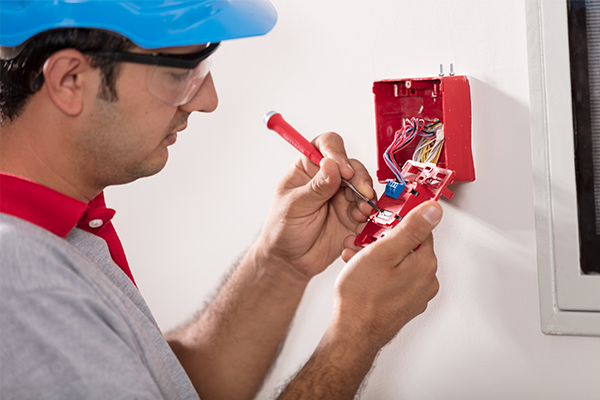
A fire alarm inspection is a visual and functional evaluation of your fire alarm system to confirm that all required components are present, accessible, and in acceptable condition. The purpose of an inspection is to verify that the system has not been altered, damaged, or obstructed since its last service.
During an inspection, technicians confirm that devices are installed in their proper locations, control panels show normal conditions, and equipment remains visible and legible. Inspections are required under NFPA 72, National Fire Alarm and Signaling Code, and are often enforced by local fire officials, insurance providers, and building codes.
2. What’s the difference between inspection, testing, and maintenance?
Inspection, testing, and maintenance are closely related but distinct parts of fire alarm system care. While these terms are often used interchangeably, each serves a distinct purpose in maintaining the reliability and compliance of your system. Fire alarm inspections primarily focus on visual checks, but they can also include reviews of indicators or conditions to confirm that your system appears to be operating normally.
Testing goes further by confirming that your devices and the overall system operate as intended. These tests may include activating initiating devices, verifying notification appliances, and confirming signals are properly received by monitoring systems. Maintenance involves repairing or replacing components to correct issues identified through inspections or tests and restore the system to proper working condition.
3. Why do I need to have my fire alarm inspected?
Fire alarm inspections are required to help ensure your systems remain capable of performing as intended over time. Even a properly installed system can develop issues due to normal wear and tear, environmental conditions, building modifications, or changes in occupancy. Without routine inspections, these issues may go unnoticed until your system fails or a fire official identifies a deficiency.
From a compliance standpoint, inspections support your company’s adherence to NFPA standards, local fire codes, insurance requirements, and other applicable regulations. From a safety standpoint, they help verify that the system protecting your building and its occupants has not been compromised. Regular inspections also provide documentation that demonstrates due diligence and a commitment to life safety.
4. How often are fire alarm system inspections required?
Fire alarm inspection and testing frequencies depend on the type of system installed, the devices within that system, and applicable code requirements. NFPA 72 establishes minimum inspection and testing intervals on an annual basis, but your local authorities having jurisdiction (AHJs) may require more frequent service based on building use, occupancy type, or local ordinances.

Fire alarm inspection schedules are typically spread across multiple intervals throughout the year to ensure consistent reliability and effectiveness. Some components require monthly visual inspections, while others are inspected or tested quarterly, semiannually, or annually. Requirements can vary, so it’s best to work with a qualified fire protection provider to ensure your schedule follows national and local expectations.
5. Who is qualified to perform a fire alarm inspection?
Fire alarm inspections should be performed by trained professionals who understand both system design and applicable fire codes. Inspectors are typically licensed and may hold certifications such as NICET, depending on your jurisdiction. Working with a qualified provider in your area ensures inspections are completed properly, documented accurately, and accepted by local fire officials and insurers.
6. What happens during a fire alarm system inspection?
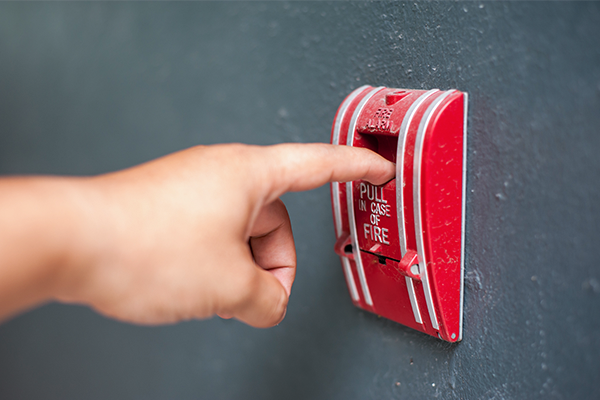
During a fire alarm inspection, technicians review system components to verify they are present, accessible, and in acceptable condition. This includes confirming devices have not been damaged, obstructed, painted over, or improperly modified since the last service. Inspection checklist items typically include smoke and heat detectors, manual pull stations, notification appliances, and your fire alarm control panel.
Technicians may also check system indicators or conditions to confirm your system appears to be operating normally, even if full functional testing is not being performed during that visit. Any deficiencies and recommendations identified during the inspection should be thoroughly documented and shared with you in a report, so you can schedule any necessary follow-up testing, maintenance, or repairs.
7. How long does a fire system inspection take?
The time required to complete your fire alarm inspection varies depending on the size and complexity of the system, the number of devices, and the building’s layout. Smaller systems may be inspected in one to two hours, while larger facilities or multi-building campuses may require several hours or more. Inspections are typically scheduled to minimize disruption, and your inspector should be able to estimate the full duration.
8. Will a fire alarm inspection disrupt my business?
In most cases, fire alarm inspections cause minimal disruption to your day-to-day operations. Visual inspections and limited system checks typically do not require alarms to sound or occupants to evacuate, allowing your business to continue running as usual. If functional testing is scheduled as part of the same visit, activating your notification devices is a temporary interruption that should not last long.
9. What documentation will I receive after an inspection?
After your inspection, you should receive documentation that outlines the condition of your system and any issues identified. These records are an essential component of industry compliance standards, insurance requirements, and best practices for ongoing system management. Fire officials, insurance providers, property managers, or internal safety teams can request to view your documentation at any time.
Inspection reports typically include a summary of the inspected components, identified deficiencies or concerns, the date of the inspection, the technician’s information, and other relevant details determined by your AHJ. If any issues are found during your inspection, your report should also include recommendations and relevant code references to help you plan for corrective action or next steps.
10. What are the most common issues found during fire alarm inspections?
Fire alarm inspections often uncover issues that develop gradually over time, particularly in active commercial environments. Even systems that have passed previous inspections may experience building or tenant changes that affect compliance or performance. Identifying these issues early helps prevent code violations, false alarms, and potential system failures during an emergency.
Common issues found during a fire alarm system inspection can include:
- Obstructed or blocked detectors
- Painted or damaged devices
- Broken or faulty pull stations
- Missing or outdated labeling
- Low or failing backup batteries
- Control panel trouble signals

11. How much does a fire alarm system inspection cost?
Fire alarm inspection costs vary depending on several factors, including system size, number of devices, building type, inspection frequency, and local fire codes. Costs may also be influenced by whether testing or maintenance services are included as part of the inspection visit. The typical price for an inspection is based on the number of devices on the system, with most companies averaging five minutes per device.
Generally, you can expect an annual expense of $200 to $800 to have a licensed technician or firm visit your facility and test your fire alarm system. While pricing does vary, routine inspections are generally far less expensive than emergency repairs, fines, or liabilities associated with noncompliance or system failure. Regular inspections also help reduce unexpected costs by identifying issues before they escalate.
12. How should my business prepare for our fire alarm inspection?
Preparing for your fire alarm inspection can help the process run more smoothly while reducing the likelihood of avoidable deficiencies and potential fines. Your administrative and facility teams can support inspections by ensuring system components are accessible and communicating inspection schedules to other employees in advance.
Helpful preparation steps to take ahead of your inspection may include:
- Clearing obstructions from emergency exits
- Checking detectors and pull stations for blockages
- Ensuring fire alarm control panels are accessible
- Organizing paperwork if documentation is needed
- Notifying employees or tenants about the inspection
Navigate the inspection process confidently with FSS Technologies
Managing inspections, testing, and maintenance across multiple vendors can create unnecessary complexity and documentation gaps. At FSS Technologies, we offer a more streamlined approach with NICET-certified service technicians delivering custom-fit inspection solutions. By working with us for your fire alarm inspections, testing, and maintenance, you gain consistency, clear documentation, and a complete view of your system’s history. Contact us today to schedule your next fire alarm inspection.
Explore Our Other Blogs

How Your Internet Speed Affects Your Security System
Internet speed is a precious commodity in today’s connected homes. Internet speed is responsible for how quickly or slowly data moves from the internet to the application on your computer. Things like your mobile phone, television, computer, gaming system, and even appliances use the internet. And your home security system probably does too. The average…
7 NFPA Codes Every Business Should Know
Business owners have an enormous responsibility to ensure their employees and customers are protected from fire hazards. Companies in industries like manufacturing and property management each face unique challenges in preventing fires and meeting code requirements. The National Fire Protection Association (NFPA), one of the world’s leading experts in fire and life safety, has published…

Home Insurance Discounts and Security Systems
Home invasions or burglaries are a threat to any household, regardless of where they are located. One of the biggest deterrents for burglars is a home security system that could record evidence of their actions or could notify the authorities at the time of a break-in. This is a huge motivator for homeowners when deciding…

5 Reasons Why You Need a Home Security System
A home security system protects your home and the ones you love. While there are many reasons you may need to invest in a home security system, we have highlighted some key ones: 1. Peace of Mind Have you heard a noise in the night and ever wondered what made the noise? A home security…

The Risky Business of Ring’s Vulnerable Security
If you are like the rest of Americans, you have noticed that the Ring Security company has been in the news lately— and not for anything useful. Between security hacks and lawsuits, the company has landed itself in hot water. Surveillance Camera Hacks Homeowners have security cameras installed in their homes to give them peace…
Can You Get in Trouble for Breaking into Your Own House?
Is it legal for you to break into your own house? Yes, you can get in trouble for breaking into your own house—at least temporarily. If the police are notified that there is a break-in at a residence, either by a neighbor or a security alarm, they can detain or arrest you until you can…
Commercial Fire Extinguisher Compliance Guide
Fire extinguishers are one of the most visible fire protection tools in a building, and they’re often the first line of defense when a fire starts. But having extinguishers installed throughout a structure is only part of the equation. If a unit is blocked, missing a safety pin, damaged, partially discharged, or overdue for servicing,…

7 Tips For Small Business Security
We hope it never happens to you, but workplace crime is something that all business owners should be prepared to encounter. With one-third of our life spent at work, it is an important place to secure and monitor for your safety, and that of your employees. Luckily, there are many simple, proactive steps you can…

Choosing a Safe Neighborhood in Chicago
There are a lot of great places to live in Chicago. From the historic vibe of Printers Row to the ultra-stylish River North, there are neighborhoods to fit every personality. But are they safe? It turns out, many of them are. According to Niche.com—which ranks neighborhoods based on crime, schools, cost of living, etc.—the short commuting times…

Smart Home Security & How to Implement
Home Security Paired with Home Automation Security vs. home automation is the friendliest rivalry around. Why? Because they play so well together. Security systems used to have a singular focus—keeping unwanted people out of a house. But as technology evolves, security equipment placement throughout the home for protection performs a dual purpose: Helping homeowners with…