What Is a Central Station Alarm?
A central station alarm system is one that feeds directly into a central monitoring station. If a sensor on the central station alarm system is triggered, such as fire, smoke, C02, or burglar, the system does much more than just set off a loud siren or send an email alert telling you to log into an app. Rather, a central station alarm system sends an immediate notification to a central monitoring station where around-the-clock, specially trained staff make decisions on how to respond to the situation.
Why Consider a Central Station Alarm System?
A central station alarm is extremely beneficial for alarms that are triggered when you are not in your home or office or may have become incapacitated and can’t respond to the emergency yourself. You have peace of mind knowing that a specially trained representative will notify the proper authorities. A central station alarm system also allows you to use panic signals, ambush codes, and duress codes to help keep you and others safe.
How Does a Central Station Alarm System Work?
A central station alarm system transmits signals to the central monitoring station in several ways. Plain old telephone service (POTS) lines are quickly fading out of fashion as the method for transmission and cellular, internet, and radio network technologies are taking over in popularity.
When the central monitoring station receives the alarm signal, there usually is a verification process that occurs. The verification process may include the monitoring company calling a specified individual to verify the alarm wasn’t triggered accidentally or, if the company has CCTV cameras, the station usually has permission to access them to expedite its response time.
The central monitoring station will then alert the proper authorities to respond or reset the system if a false alarm occurred.
When is a Central Station Alarm Required?
Building codes require central station alarm systems for fire alarm and sprinkler systems in most commercial buildings. There are some exceptions if your building has 24-hour on-site security staff. However, this is extremely costly for most businesses. While they may choose to have on-site security during business hours, it is more cost-effective to have a central station alarm system for off-hours.
The central monitoring station itself must comply with the governing Underwriters Laboratories (UL) standards, as well as the National Fire Protection Association (NFPA) codes and standards. These standards include items such as 24/7 operations, trained staff, regulations for backup power, record keeping, reporting, and testing and maintenance.
FSS Technologies can provide central station alarm solutions like fire alarms, burglar alarms, and security cameras at an affordable price. Contact us today for your free estimate.
Explore Our Other Blogs
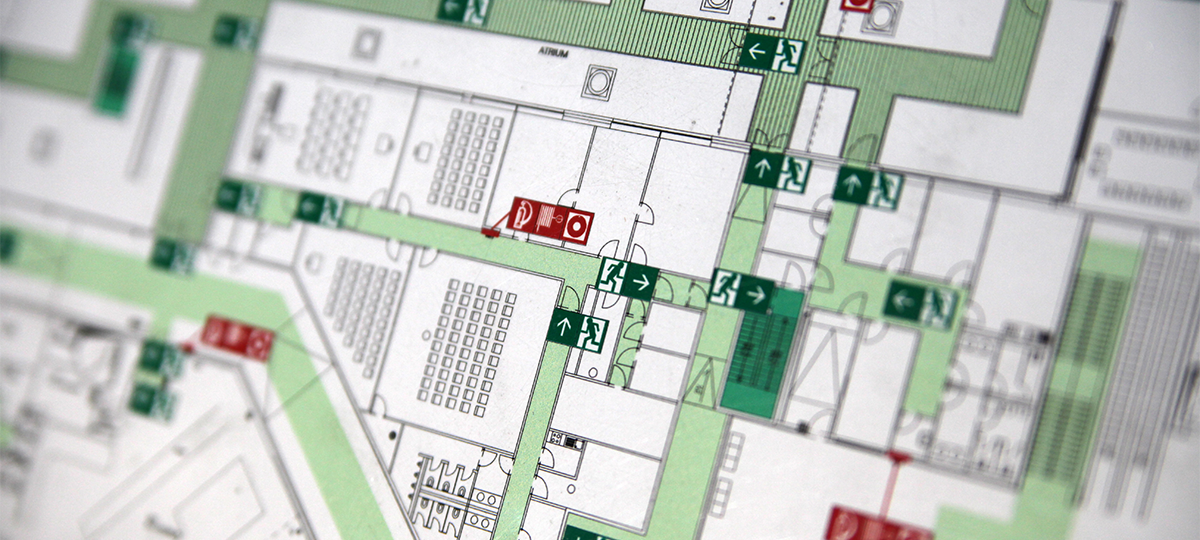
7 NFPA Codes Every Business Should Know
Business owners have an enormous responsibility to ensure their employees and customers are protected from fire hazards. Companies in industries like manufacturing and property management each face unique challenges in preventing fires and meeting code requirements. The National Fire Protection Association (NFPA), one of the world’s leading experts in fire and life safety, has published…
Kidde: Innovations in Fire Safety
Your fire alarm system can protect your family, home, and belongings from fires, gas leaks, and other hazards. FSS Technologies is committed to providing its customers with top-of-the-line fire safety and emergency prevention technology, which is why we are a proud provider of products from Kidde, North America’s most installed fire safety brand. Learn about…
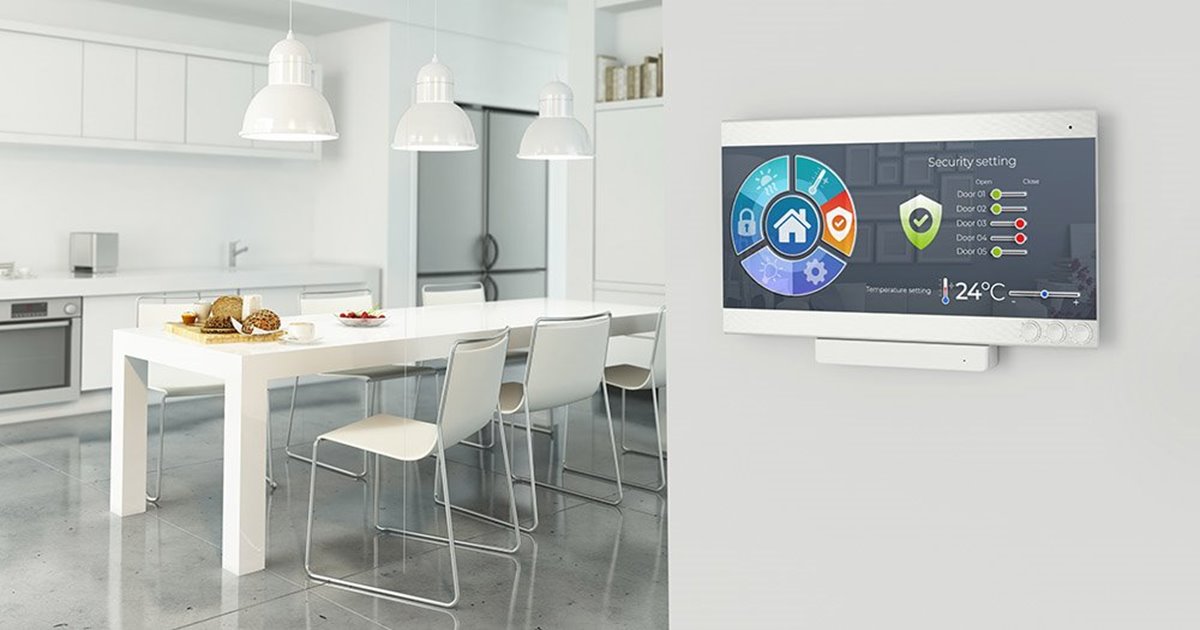
Smart Home Security & How to Implement
Home Security Paired with Home Automation Security vs. home automation is the friendliest rivalry around. Why? Because they play so well together. Security systems used to have a singular focus—keeping unwanted people out of a house. But as technology evolves, security equipment placement throughout the home for protection performs a dual purpose: Helping homeowners with…

5 Reasons Why You Need a Home Security System
A home security system protects your home and the ones you love. While there are many reasons you may need to invest in a home security system, we have highlighted some key ones: 1. Peace of Mind Have you heard a noise in the night and ever wondered what made the noise? A home security…

Should My Business Have a Panic Button?
What Exactly is a Panic Button? As the name implies, a panic button is a button or switch that an individual activates when there is an emergency that needs immediate attention. Panic buttons are often hidden from plain sight so they can be activated subtly or in secret by the correct individuals. How Does a…

Home Security Solutions for People with Disabilities
According to the Centers for Diseases Control and Prevention (CDC), one in five American adults live with a disability. The most common disabilities are hearing or vision impairments, mobility issues like arthritis or a diminished ability to live independently, speech and language challenges, and cognitive conditions including dementia and Alzheimer’s disease. Recently we talked about…

Big Name Home Security Gimmicks
We talk about choosing between a national home security company and a local company, DIY Security systems’ weaknesses, and video doorbells. Choosing a security system can be stressful and overwhelming, especially when you and your family’s security is at stake. So how do you choose a home security system? Do Your Homework It’s critical to do…

Cons of DIY Home Security Systems
When considering getting a home security system, some people might assume they can set up a fully functioning system themselves. The reality is that DIY systems come with some significant drawbacks. Here are some of the things to consider before you decide to take on this project yourself. Not Professionally Installed The importance of having…
How Savance Workplace Can Work for You
Savance Workplace is one of the nation’s leaders in workforce management solutions, offering tools that help declutter your company’s processes and optimize your productivity. With a wide variety of fully customizable products branded for your business, Savance Workplace can help your organization take its efficiency to the next level. As a trusted partner of Savance…

Why Emergency and Exit Lighting Matter
Emergency lighting and exit lighting are vital components of life safety systems. They’re a standard part of any commercial structure and not as noticeable on a normal day. When power fails or a disaster happens, these lights guide people to safety, helping prevent panic and ensuring clear evacuation routes for everyone in a building. Whether…