Residential vs. Business Security
What is the difference between a commercial and a residential security system?
Commercial real estate is a property type that is only for business or retail purposes. Residential real estate is a property type specifically designed for living purposes, if it is four units or less– anything larger than that is considered a commercial property.
Commercial and residential properties are subject to different laws and regulations, and that includes rules for security systems. Commercial property and business owners run the risk of liability claims and exposure to lawsuits if they do not maintain adequate security measures. In general, security for commercial properties is much more complex than for residential dwellings.
Identifying Security Risks
Risk identification in a residential property is relatively simple, especially since the homeowners are the ones primarily going in and out. The biggest threats to life or personal property are from a fire or theft. The most vulnerable parts of your home are the front door, garage service door, or any sliding doors. Windows are also a possible entry point for thieves, particularly if they are covered by large shrubs or the lighting is poor,. When assessing fire risks, bedrooms, basements, and any areas where there are cooking appliances or heating elements, all need protection.
Risk identification at a commercial property is much more complicated. Commercial buildings are first accessed by a wide variety of people–employees, vendors, and patrons–at varying times throughout the day. Then there is often valuable merchandise, technology, or cash that is visible and easily accessible in a commercial property. If a commercial property is an industrial facility, there are environmental factors to consider, as well as more complex safety issues.
Complex Commercial Security Considerations
- Who has access to the building and when?
- How are special areas such as storerooms, restaurant cooking facilities, or cash registers protected?
- What special regulations need to be met for securing elevators, stairwells, or parking lots?
- How will data storage and playback issues be handled to address theft, employee disagreements, or customer complaints?
Certifications and Inspections
Residential properties are generally not subject to certifications and inspections of security equipment. A home security system isn’t required at all, outside of working smoke detectors, and possibly carbon monoxide detectors, depending on the city or state you live in.
Commercial properties, on the other hand, are required to use certified security equipment and undergo regular inspections based on building codes and any local or state ordinances. Fire alarm system design and installation are driven strictly by code. Each jurisdiction has different requirements, and many times fire alarm systems may require the approval of multiple jurisdictions (local, state, and joint commission) before installation.
Accessibility
Another significant difference between residential and commercial security systems are accessibility needs. In a residential property, the homeowner is not required to make any accommodations for people with disabilities.
With a commercial building, accessibility is always a consideration. There are varying accessibility needs that must be met in commercial properties– both for entering and working inside of the building and exiting it during an emergency.
- Do you need to have audible-visible appliances to alert occupants of a building in an emergency?
- Does your elevator have a recall function or two-way voice assistance?
- Is your building required to have an area of refuge?
- Do you have an appropriate Emergency Action Plan?
With over 45 years of experience, FSS Technologies is an industry leader in providing security systems and life safety solutions appropriate for residential and commercial applications. All our technicians are NICET certified, and we understand the nuances of installing security systems in most jurisdictions. For more information on designing the right solution for your home or business, contact us today.
Explore Our Other Blogs
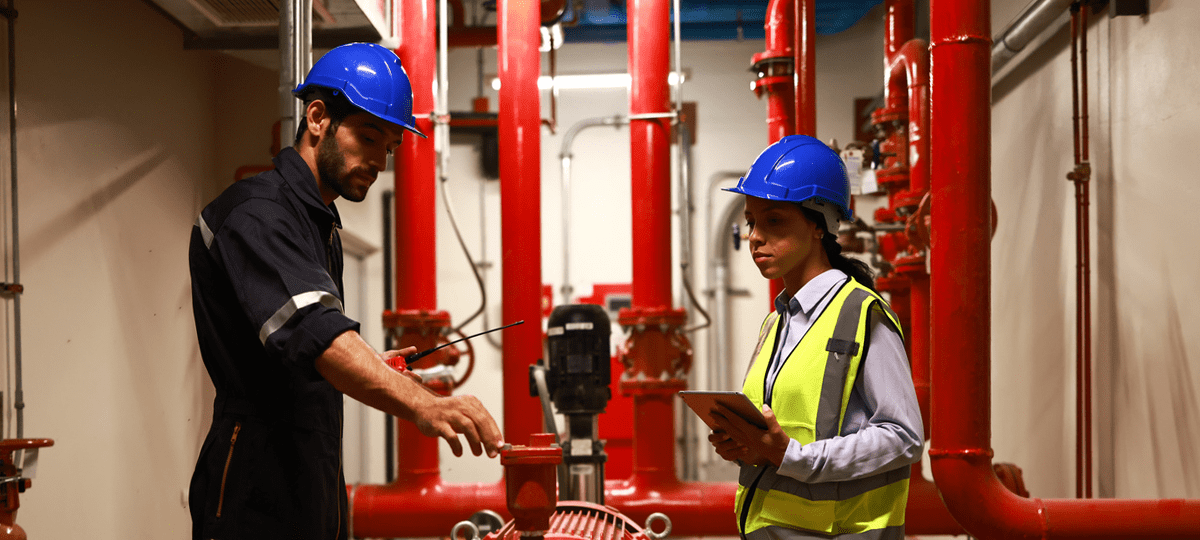
What Does a Commercial Fire System Include?
Fire safety is critical for all businesses, but the components within commercial fire systems vary significantly between industries and functions. Fires can stem from common causes that affect any commercial property and sources unique to specific fields, so fire systems must address every threat using detection, prevention, protection, and suppression. With many options available for…
Will CCTV Work Without Internet?
Closed-circuit television (CCTV) is a TV system where the signal isn’t publicly broadcast but is watched and monitored, usually for surveillance and security purposes. From city streets and highways to retail stores and banks, CCTV cameras are placed in most places to protect property and deter crime. Learn whether a commercial CCTV system can work…
Can Motion Sensors be Triggered by Light?
Motion sensors are a common part of our world today. Wave your hand under the faucet and the water runs. Pull open the closet door and the light turns on. Walk near the doors of the grocery store and they automatically slide open. Motion sensors are devices that detect movement. They are common features in…

Vacation-Proof Your Home
When planning a vacation, you are almost always considering what clothes to pack or booking a place to stay. But while you are away, you need to make sure that your home will be safe from burglars or thieves who may target an empty home. Before you pack up and leave for your vacation, there…

8 Home Security Tips
With more than 45 years of experience in the home and business security industry, here are our top eight tips for discouraging intruders and burglars from targeting your home. 1. Create the illusion that someone is at your house. If you are going to be gone for an extended time, leave a light or TV…
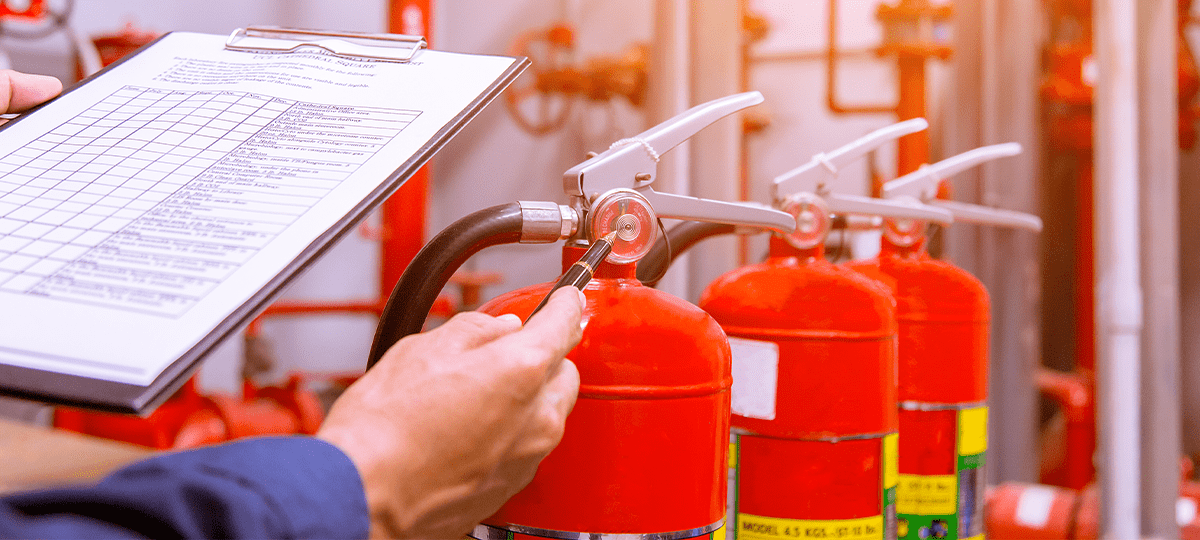
How to Prepare for a Fire Inspection
Updated May 2023 Most people learn how to react to fire alarms from a young age. The sharp, jarring noise of the sirens instantly notifies everyone within earshot of a possible emergency and the need to evacuate. These fire safety alarm systems are mandated worldwide and need regular inspections and maintenance to promote safety. As…
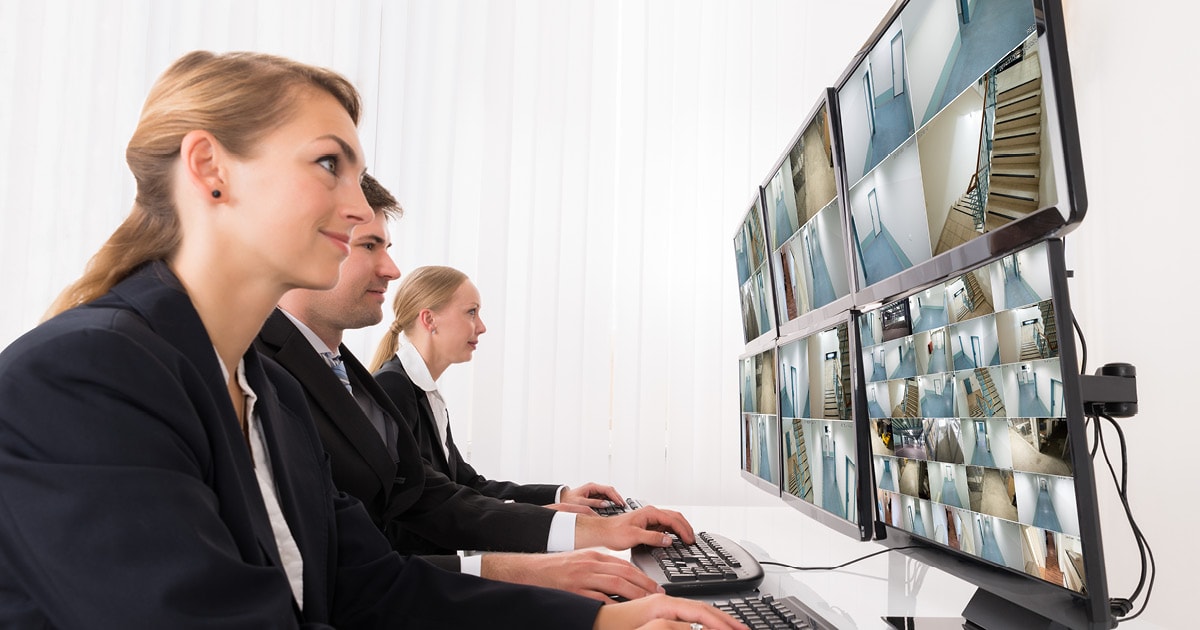
Why Fire Alarm Monitoring is Essential for Your Business
We’ve talked about the National Fire Protection Association (NFPA) in previous blogs and how it is essential to understand and obey their standards when installing, testing, and maintaining fire alarm systems. Fire Alarm Monitoring is the Law Your business might need to include monitoring as part of its fire safety system due to NFPA 101® . NFPA…

How Video Doorbells Work
A video doorbell is a system that allows you to see who is ringing your doorbell by way of a video connection. If your video doorbell has a two-way audio system, you also can talk to the person at the front door, whether you’re home or not. How you connect your system and how you…
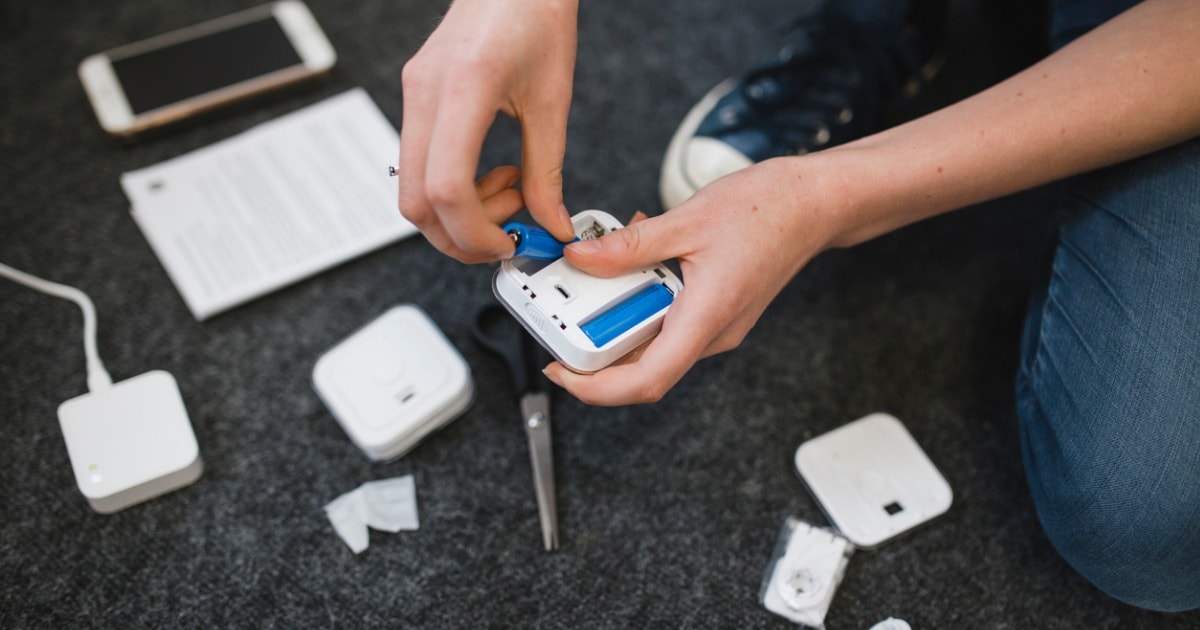
The Only SimpliSafe Review You Need to Read
What is SimpliSafe? SimpliSafe is one of several do-it-yourself home security systems on the market. The challenge with any DIY home security system, in our opinion, comes down to the customer experience. SimpliSafe’s customer support offers minimal assistance to ensure you adequately install and troubleshoot your system. While they do provide an 800-telephone number, the…
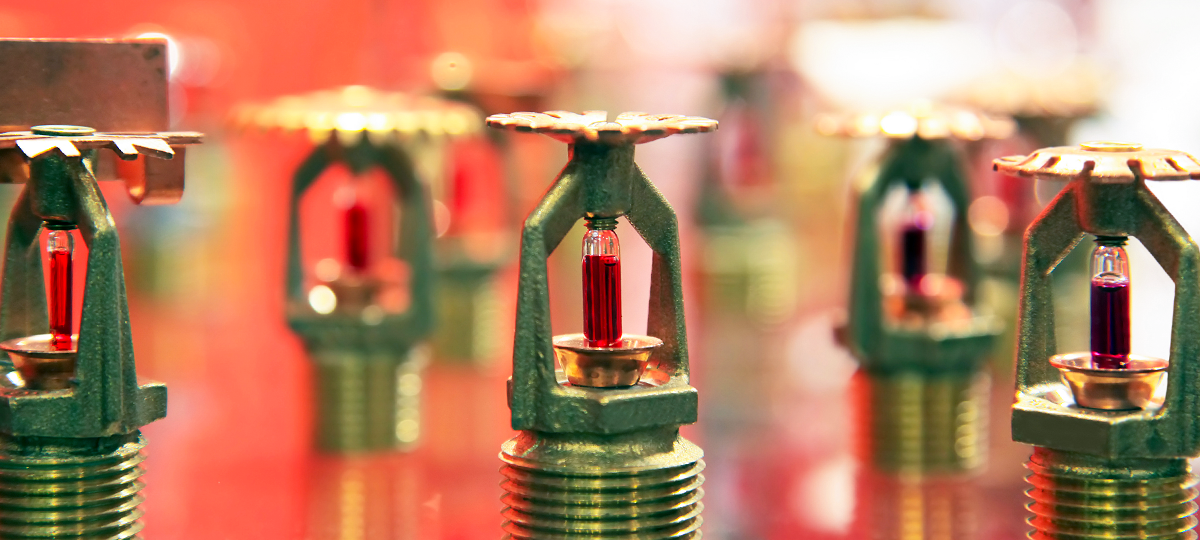
How Do Residential Fire Sprinklers Work?
Residential units are essential pieces of many commercial and mixed-use developments. Whether you’re building townhomes, low-rise apartment complexes, or single-family dwellings, fire protection requirements extend beyond nearby commercial spaces. Builders and general contractors must understand how residential fire sprinkler systems work, how they differ from commercial systems, and which codes apply to different projects. While…