Where Should Window and Motion Sensors be Placed?
Motion and window sensors are basic parts of a security system in both residential and business applications.
The expert security team at FSS Technologies has helped thousands of business and property owners stay safe with these tools.
Sensors
A motion sensor allows a system to detect movement, using waves or light to determine if someone or something is in your space. Similarly, a window sensor is used to detect when a window is opened. Together, these can become your eyes when you’re not around.
Benefits of Sensors
Sensors provide multi-functional solutions and added flexibility within your business or home automation.
- Save energy by adding motion detectors that can automatically turn lights on or off based on whether there are people in the room. Many businesses are employing this method to mitigate excess electricity usage as utility costs increase.
- Motion and window sensors can detect movement and changes to an environment in times when you are not available to monitor them closely.
- Reduce required video or digital storage space by creating an automation that begins your security camera recording when motion is detected, such as near doors or in main areas.
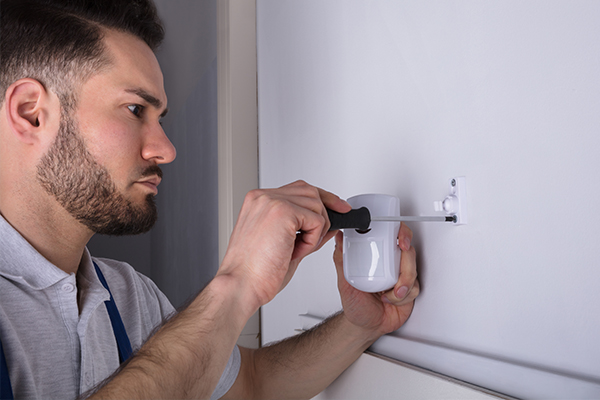
Where to Place Motion Sensors
When planning the placement of your motion sensors, consider high-traffic areas that would be hard to avoid. This can include an entryway or primary hallway depending on the set up of your building. Motion detectors should be installed high on walls, around six to eight feet from the ground, to allow them to have a good vantage point. With these recommendations in mind, putting one in the corner near the ceiling in a main area pointed toward your main entrance would be a great place to start.
It is important to remember that motion sensors can’t see through solid objects, so setting up a sensor behind a door or furniture can severely limit its capacity.
Infrared sensors can be triggered by heat sources, so it is important to make sure your sensors are clear of any fireplaces, heaters, and away from direct sunlight.
Some ideas on where to place motion sensors:
- Basements
- In the corner of a room
- Outdoor patios

Window Contact Sensors
A window sensor uses magnets to determine if a window or sliding door is open. Someone trying to sneak into your basement window in the middle of the night will immediately trigger this as soon as the magnet is separated. Lower windows on a first floor can seem easily accessible, especially if you forget to lock it before leaving the house. In older homes, windows may not have locks and can be simple to pry open.
The window and door sensors work with your central home security system and monitoring to trigger a sound or an alarm.
Other Types of Sensors
There is a long list of sensor types that can be used around your home or in your place of business. Flood sensors, such as the zWave water detector, can save you from thousands in water damage, and freeze sensors can protect your pipes. Sensors within your security system can be personalized to assuage your concerns.
Glass break sensors are often placed around windows or sliding glass doors and will detect the noise created by breaking glass. These resolve the concern of property owners who have window contact sensors but worry about someone simply breaking the glass and not triggering the sensor.
Installing Sensors
Getting started with motion and window sensors is easy, especially when you are working with the friendly professionals at FSS Technologies. Give us a call or send us a message to learn more on how to better protect your home or business from unwanted intrusion.
Explore Our Other Blogs

Residential vs. Business Security
What is the difference between a commercial and a residential security system? Commercial real estate is a property type that is only for business or retail purposes. Residential real estate is a property type specifically designed for living purposes, if it is four units or less– anything larger than that is considered a commercial property….

Cons of DIY Home Security Systems
When considering getting a home security system, some people might assume they can set up a fully functioning system themselves. The reality is that DIY systems come with some significant drawbacks. Here are some of the things to consider before you decide to take on this project yourself. Not Professionally Installed The importance of having…

How to Maintain a Commercial Security System
Updated May 2023 With the latest advances in security technology, it’s becoming easier for small businesses to find a security system that works for their needs. Whether your business just installed your commercial security system or has been utilizing security measures for some time, proper maintenance will increase the life of your system and provide…
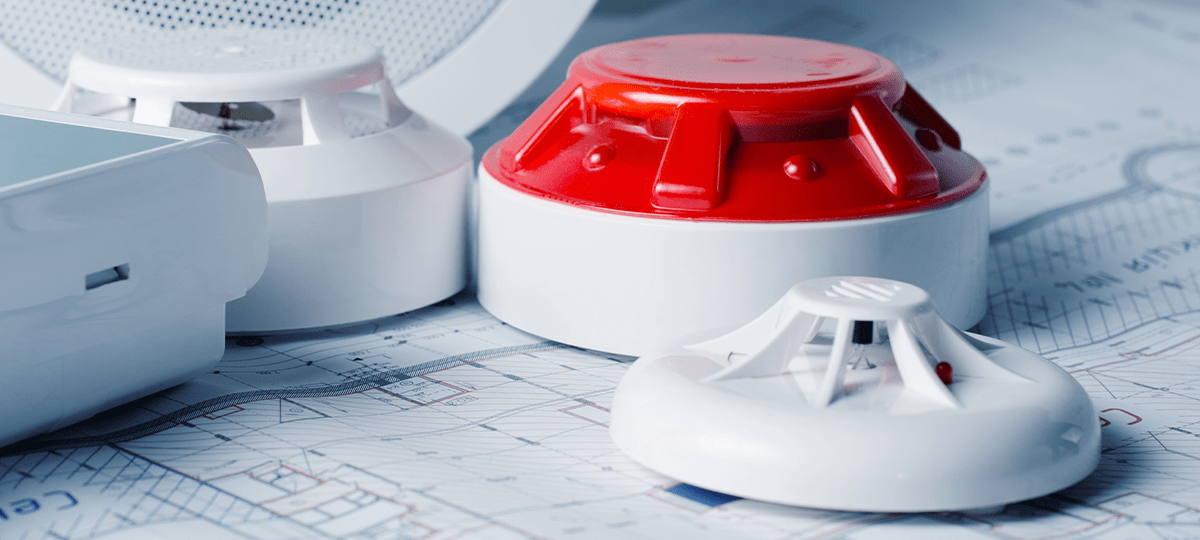
Where Should Smoke Detectors Be Placed?
Smoke Detector Placement Fire can spread extremely fast. In just minutes, a building can be fully engulfed in flames. Smoke detectors are critical to give people inside homes and commercial buildings early warnings so they have time to get out. Proper smoke detector placement is also key when it comes to keeping your home or business safe. Residential Smoke Detector Placements At a minimum, The National Fire Protection…

How Does Fire Alarm Monitoring Work?
According to the National Fire Protection Association (NFPA), there is a fire reported in the United States every 23 seconds. If a fire occurs in your home or business, you want to be notified right away. You might be asking yourself, so how does this work? How can I ensure I am protected at all…
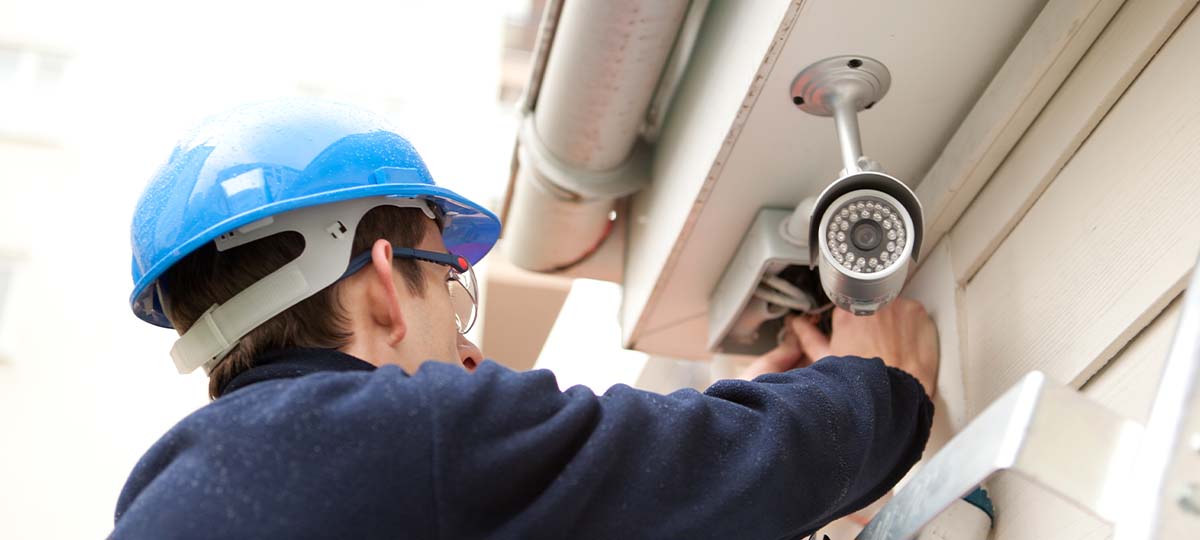
Security Cameras Are Not Created Equal
The Difference in Security Cameras Cameras are one of the most critical components in your security arsenal, and not all security cameras are the same. Why you ask? Consider these differences: Various types and sizes of cameras Indoor vs. outdoor cameras Cameras that are easy to camouflage Cameras that provide high-quality video footage Wired cameras vs. wireless…
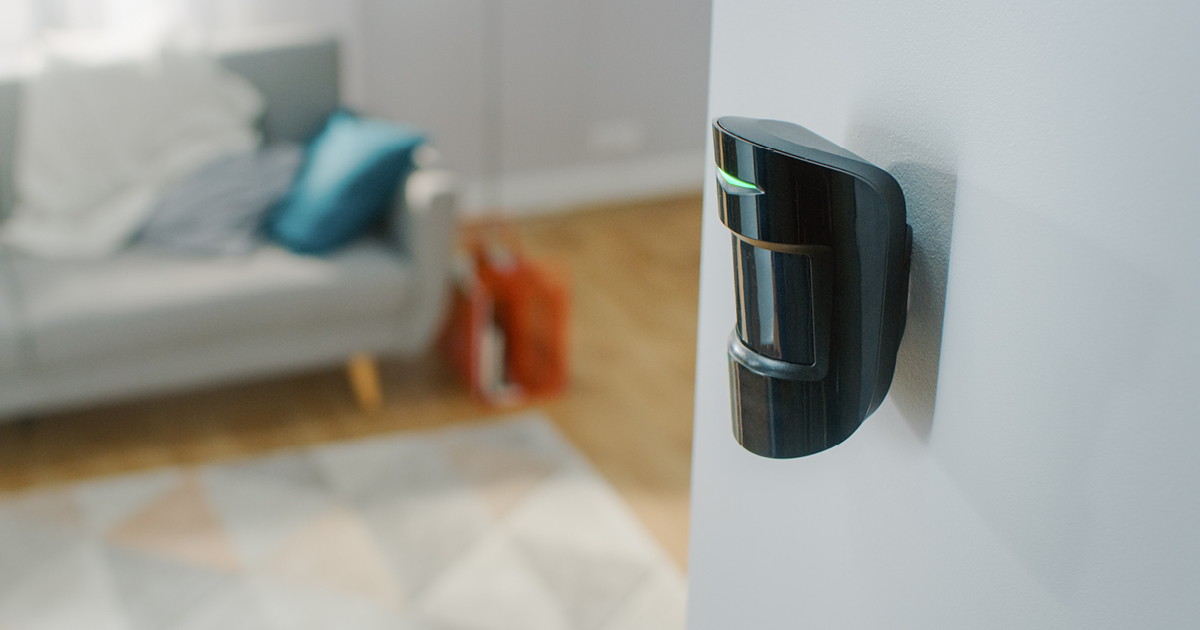
Where Should Window and Motion Sensors be Placed?
Motion and window sensors are basic parts of a security system in both residential and business applications. The expert security team at FSS Technologies has helped thousands of business and property owners stay safe with these tools. Sensors A motion sensor allows a system to detect movement, using waves or light to determine if someone or…

Can a Security System Save My Business Money?
If you’re a business owner, you know the importance of weighing the pros and cons of major purchases before making them. A commercial security system is one of the higher-ticket items that can cause the most significant hesitation. While they can take large investments to purchase, install, and maintain, security systems can offer long-term savings…

ADA Compliance for Fire & Security Systems
The Americans with Disabilities Act (ADA) was created to stop discrimination against and to ensure the rights of people with disabilities. It serves as an equal opportunity law for people with disabilities, defined as “physical or mental impairment that substantively limits one or more major life activities.” For businesses, the ADA means that the services…

What to Do After a Break In
No one ever wants to be victimized by a burglar, but the fact is that many will encounter a theft or break-in at some point in their lifetime. A recent study by Bankrate shows that there are over 1 million burglaries in the United States each year, with a new burglary happening approximately every 26…