7 Tips For Small Business Security
We hope it never happens to you, but workplace crime is something that all business owners should be prepared to encounter. With one-third of our life spent at work, it is an important place to secure and monitor for your safety, and that of your employees.
Luckily, there are many simple, proactive steps you can take if you own or run a small business to promote worker safety and prevent workplace crime.
1. Limit Employee Alone-Time
Try to have more than one employee on duty at all time. If there are periods (breaks, lunches, etc.) when an employee is alone, make sure they have an easy way to call for help should they need it. Consider providing an accessible landline phone or allow employees to keep their cell phones near them. Another option is to install a panic button.
2. Create and Follow Protocols for Monitoring the Sales Floor
Even if your sales floor consists of one small room, create guidelines to help employees keep a watchful eye on merchandise and customers. Instruct employees to interact with customers as soon as they walk in the door. Employees should do their best to greet or acknowledge every person who walks into your business.
Great customer service not only is important for ensuring customers make purchases in your store, but for safeguarding them while they do it. Instruct your employees to ask customers if they need help and to maintain frequent eye contact with customers who are shopping. One of the most efficient ways to do this is by dividing your sales floor into “zones” and assigning each employee a zone to monitor.
3. Create and Follow Protocols for Monitoring the Cash Register
The cash register contains the lifeblood of your business: your money. Take time to develop best practices for keeping an eye on the till. Instruct employees who are responsible for running it to never leave the drawer open or unattended.
Always have someone within proximity to the cash register. If employees need to leave their post to help a customer, set guidelines for how far from the register they can go and how long they can be away (e.g. they can be 10 feet from the register and must return to it every 10 to 15 minutes).
Additionally, installing a business security system, including security monitoring and cameras facing your cash register, will provide you with backup and peace of mind that your register is always under surveillance.
4. Maintain a Clear Line of Sight
Carefully consider the positioning of displays, shelves, and signs so customers and employees can see each other clearly. Open areas allow others to see what is taking place, reducing hiding spots for thieves, and deterring crime. Lower shelf and fixture heights make it easier for employees to keep watch throughout the store, as do wide, clear aisles, strategic placement of mirrors, and good lighting.
5. Train Your Employees
With all the demands of a thriving small business, it can be difficult to set aside time for employee training on security, but it is imperative for the safety of your business. Consider running trainings on managing disgruntled customers, handling and counting money, and making sure the register area and locations where expensive merchandise is on display are constantly monitored.
Consider inviting local law enforcement to your business to teach employees what actions may signal shoplifting is occurring and what to do in the event of a robbery.
6. Manage Vendor Interaction and Stock Rooms
Keep vendors and interaction with vendors in open areas. Keep stock rooms and back storage rooms organized and neat. This will help to keep an eye on your products and inventory and make it easy to see if anything has been moved or taken.
7. Install a Professional Monitoring System
While you try to keep an eye on your business all day, every day, sometimes it’s just not possible. With a security system installed by professionals and monitored by trained and trusted professionals, you have an added layer of protection for your small business and employees.
Let FSS become your security department and take a long deserved deep breath.
Explore Our Other Blogs

3 Ways to Prevent Shoplifting
Preventing shoplifting is a big deal if you’re a retailer. According to the 2018 National Retail Security Survey, shoplifting continues to be the leading cause of inventory loss for retailers. Loss of stock is a big deal in this country to the tune of nearly $47 billion. The survey also identifies the top ways retailers try…
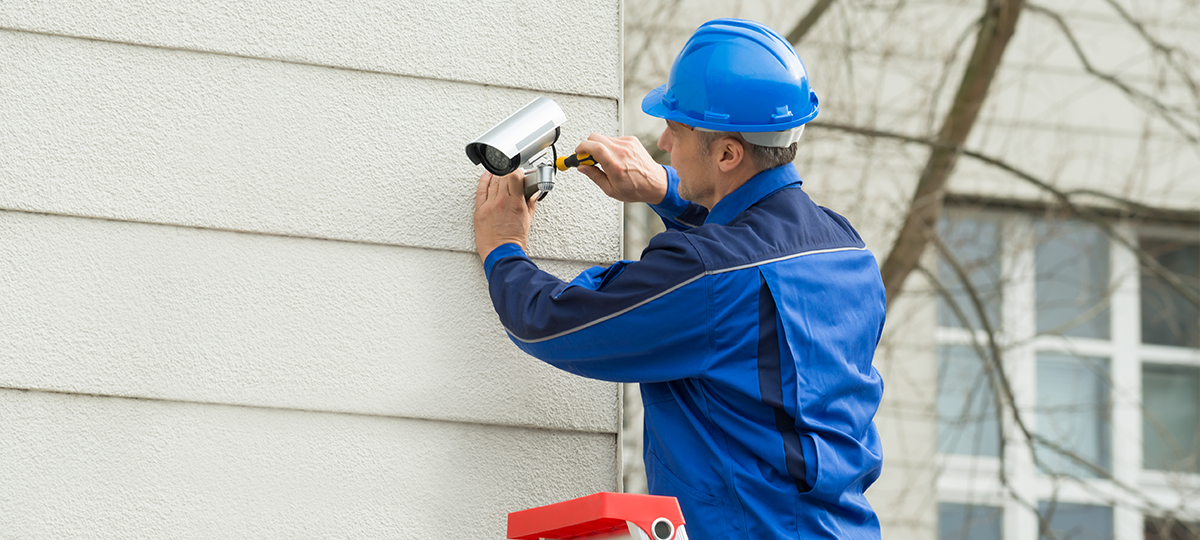
Reasons to Choose a Local Security Company
Whether you’re considering investing in a home or commercial security system or switching providers, you may be weighing local and national companies. Which companies can you trust? Is there a difference in service between your options? Does a larger company necessarily mean better service? There are pros and cons to both sizes of company, but…

Monitored vs. Unmonitored Security Systems
If you’re thinking about installing a security system, you may be wondering if monitoring is a necessary feature. While an unmonitored system is better than nothing at all, there are some critical things you should consider before making a decision. The Benefits of Monitoring The noise and commotion caused by the sirens and lights associated…
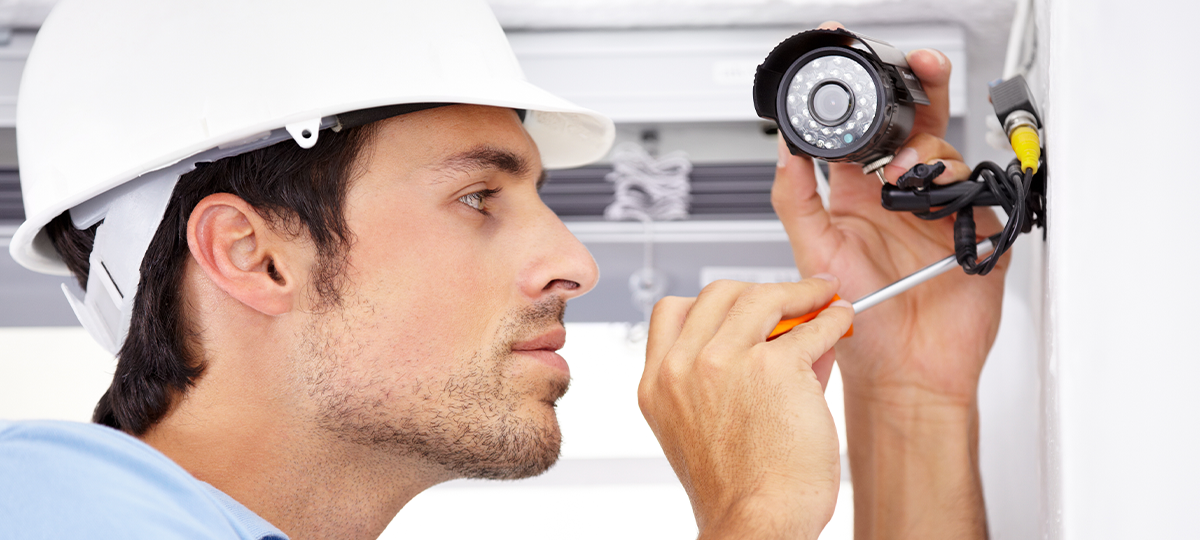
How to Hide a Camera in Plain Sight
Hidden Security Cameras When it comes to security cameras, you can choose whether you want them installed in visible locations or have them hidden within your building. There are two different perspectives with this topic. Keep them in plain sight to deter crimes from occurring. Thieves are less likely to target your home or business if they…
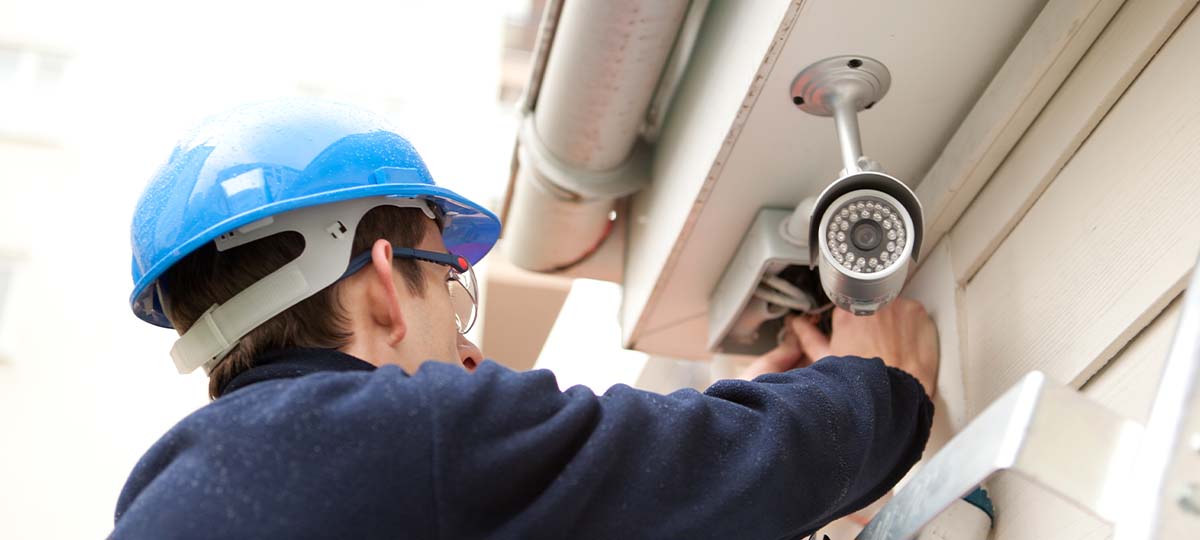
Security Cameras Are Not Created Equal
The Difference in Security Cameras Cameras are one of the most critical components in your security arsenal, and not all security cameras are the same. Why you ask? Consider these differences: Various types and sizes of cameras Indoor vs. outdoor cameras Cameras that are easy to camouflage Cameras that provide high-quality video footage Wired cameras vs. wireless…
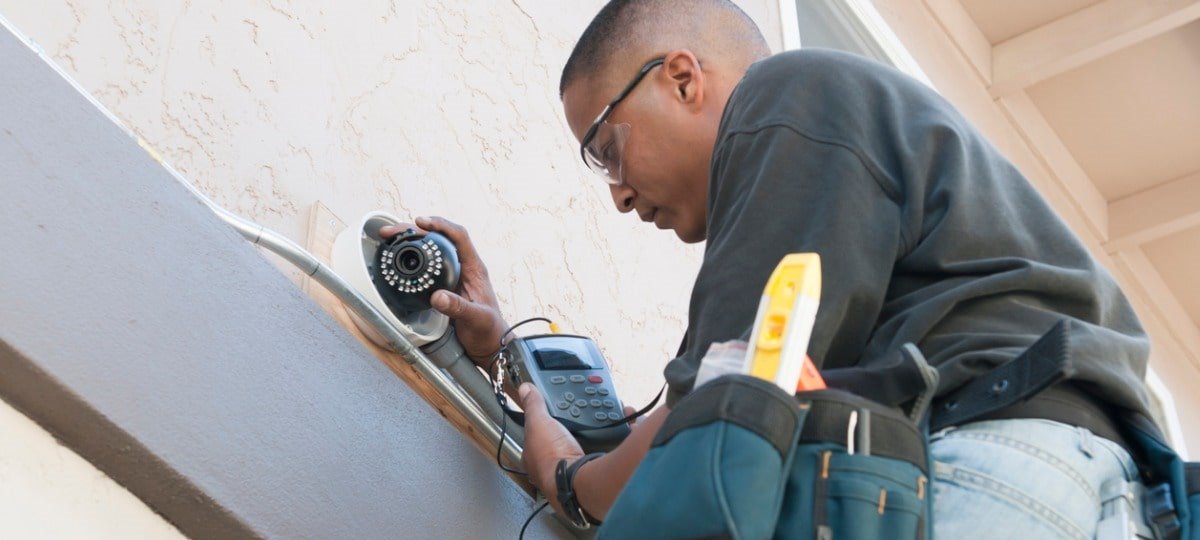
Professional Security Camera Installation Benefits
Why You Should Hire a Professional Security Camera Installer If you are not an audiovisual professional, installing quality, capable home security equipment can be a much bigger ordeal than you anticipated. The DIY home security systems advertised on television look easy to set up and install. The truth is that we’ve received many calls from…

Local Alarm System vs. National Home Security Company
When looking for home security, you may find yourself stuck between local alarm companies and national home security. Find out why more and more people are turning to local home security companies. Knowledge One of the biggest advantages of using a local company is that they will be familiar with local safety concerns, any jurisdiction regulations…

DIY Security Systems
DIY home security systems have been on the market for years, offering homeowners the ability to order and install a simple-to-use system for their property. A DIY system often boasts cheap and easy security solutions for a home but are not the right fit for all homes. Cost-Benefits As with almost everything in life, cheaper isn’t…

How to Choose a Security Monitoring Company
A security monitoring company is one that specializes in monitoring your alarm system. If the system detects an issue, such as a fire, break-in, or another emergency, it notifies a response team at the central monitoring agency, and sometimes, it will even inform emergency responders such as police or firefighters. Most reputable monitoring companies can…

7 Ways Home Monitoring Keeps Your Pets Safe
Your family’s safety is at the forefront of your mind when installing a security system, and that includes your pets as well. When researching a security product that suits your needs, consider the ways that this technology can help your pets stay safe too. We have detailed some of the most common hazards as well…