How Security Cameras Work at Night
Security Camera Night Vision
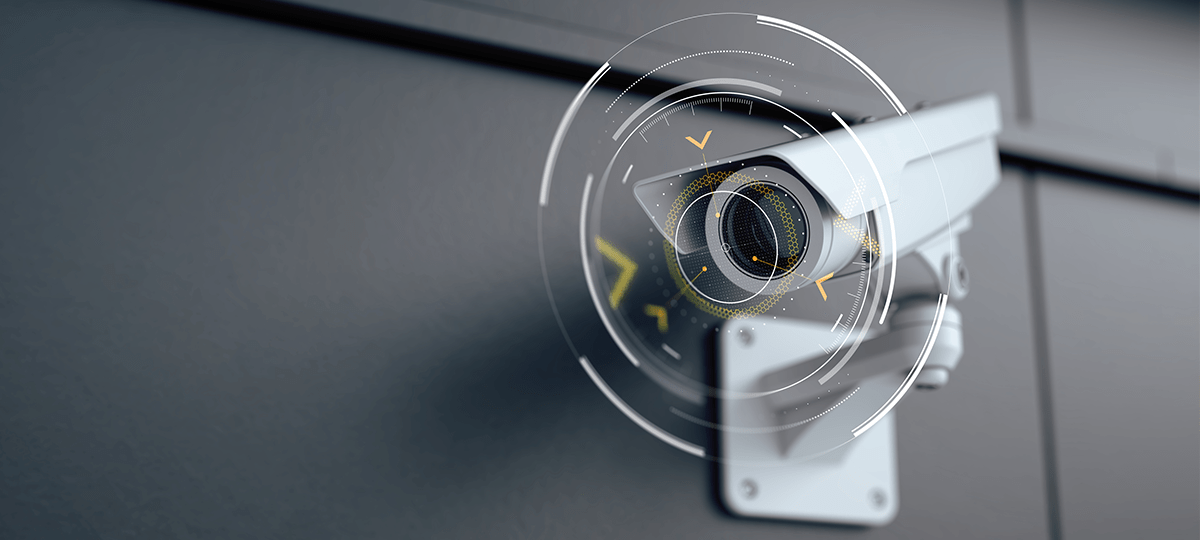
Light is crucial for a camera to work. Without light, the camera can’t see anything, so how do security cameras work at night?
Infrared radiation (IR), or infrared light, is a type of electromagnetic radiation that is invisible to human eyes. It is essentially energy, a heat, that all objects emanate. An infrared camera detects this infrared energy and converts it to an electronic signal, which is processed to produce an image.
An infrared camera also has infrared light-emitting diode (LED) lights positioned on the outside of the camera, around the lens. These act as a spotlight to help illuminate the images you want the camera to capture. The more LEDs the camera has built-in, the further away the camera can see. For example, High-quality IR cameras can illuminate objects up to 150 feet away. If your security camera is only meant to monitor your front porch, you don’t need a camera with that field of distance.
Infrared cameras generally record a black and white image to ensure optimal low-light image quality. Some infrared cameras are advertised as color night vision, but you can only use the color feature if there is ambient light in the area, such as porch or streetlight.
Another option to make sure your security cameras work at night is to turn on the lights.
Motion detector lights also detect infrared waves from moving objects. When the motion detector senses an object moving across its field of view, it can electronically turn on the lights, allowing your security camera to see what’s going on.
Motion detector lighting for external use can include floodlights or decorative lighting. Floodlights usually have a field of view of up to 240 degrees and a distance range that can extend to 70 feet or more. Decorative motion-detector lighting includes lights that come on around areas like decks, patios, stairways, or swimming pools.
Many security cameras also work in low-light conditions, frequently called day/night cameras. These cameras have image intensifiers that increase the intensity of available light. Unlike infrared cameras, day/night cameras don’t have LED lights, so there must be ambient light in the area.
In photography, lux is used as a measure of the intensity of light that hits or passes through a surface, as perceived by the human eye.
Security cameras have a lux rating, so the lower the lux number, the less light is needed to capture an image. Cameras with a lux rating of 0.000 can capture an image with no external light required.
Most security cameras must work in diverse lighting conditions so they can protect a home or office during the day and night. How the security camera adapts to changes in lighting conditions is one of the most important components in choosing a good security camera.
For example, cameras pointed at a front door must deal with changing lighting situations. When the door is opened, sunlight pours in, flooding the camera’s sensor. Without the ability to adapt to this lighting change, the camera will show a bright scene outside the doorway, but the person entering the house will be a dark blur.
High Dynamic Range (HDR) cameras have special light-handling features that handle changes in lighting situations like these.
Need help choosing the right security cameras for your building? At FSS, we stay on top of industry trends and provide the most reliable security surveillance equipment on the market. Contact us for a free consultation.
Explore Our Other Blogs
How to Deter Burglars From Your Business
Burglaries are often considered crimes of opportunity, leaving businesses struggling to recover in the aftermath. Although there is no all-powerful solution to protect your business, you can implement various preventative measures that bolster your security efforts. Here are 5 actions you can take to help deter burglars from casing and breaking into your business. 1….

7 Ways Home Monitoring Keeps Your Pets Safe
Your family’s safety is at the forefront of your mind when installing a security system, and that includes your pets as well. When researching a security product that suits your needs, consider the ways that this technology can help your pets stay safe too. We have detailed some of the most common hazards as well…

What to Do If a Package Is Stolen
According to a recent study, nearly one in four people report being a victim of package theft and nearly half know someone who has had a package stolen. Of course, the uptick in package theft is not that surprising, considering consumers purchased $2.86 trillion in online retail goods in& 2018. Many of these items land squarely in…

Alarm Monitoring Services: How They Work
An ear-piercing siren and flashing strobe lights create an immediate sense of emergency and indicate an alarm of some sort has been triggered. Now that the alarm has been triggered and the warning sirens have sounded, what happens next? If you have a monitored security system, it won’t just be the neighbors or passerby alerted to…
Who Owns ADT Alarm Systems After Install?
You’ve paid to have an alarm system installed in your home. Do you own the equipment? Most likely, but not yet if you contracted with a big-box home security company like ADT. Payment Plans for Equipment Most people sign up on special offers in which they will pay an installation fee for the equipment, but…
Lowe’s Iris Line Goes Under
Many consumers are seeing red with the recent news that big-box retailer Lowe’s is shutting down service to its Iris smart home platform. Lowe’s launched its Iris cloud service in 2012 so it could sell its own smart home products to the public. Customers with an Iris smart hub, the heart of the network, could…
Can I Install Monitored Security in My Apartment?
The most recent FBI data estimates that there are over 1.2 million burglaries a year, resulting in around $3.4 billion in property loss. Although property crime as a whole has been on the decline, the rise in popularity of video doorbells and more comprehensive and integrated home security systems shows that Americans are no less…

Fire Safety for Multistory Buildings
While it can seem similar to homes or businesses, multistory properties have unique demands for fire safety. Whether your property includes a mid-rise condo and business building or multiple low-rise apartment locations, it requires additional care and consideration when evaluating the protection of inhabitants from fire hazards. If a fire breaks out in one…

Testing Fire Alarm Call Points
Most large commercial-grade fire alarms today are addressable systems. Unlike conventional systems that use fire alarm zones, addressable fire alarm systems assign a unique “call point” to every device. Each one sends a digital signal to the main panel, creating a two-way line of communication that shows activations and status updates. An addressable panel can then identify…
What Are Fire Alarm System Zones?
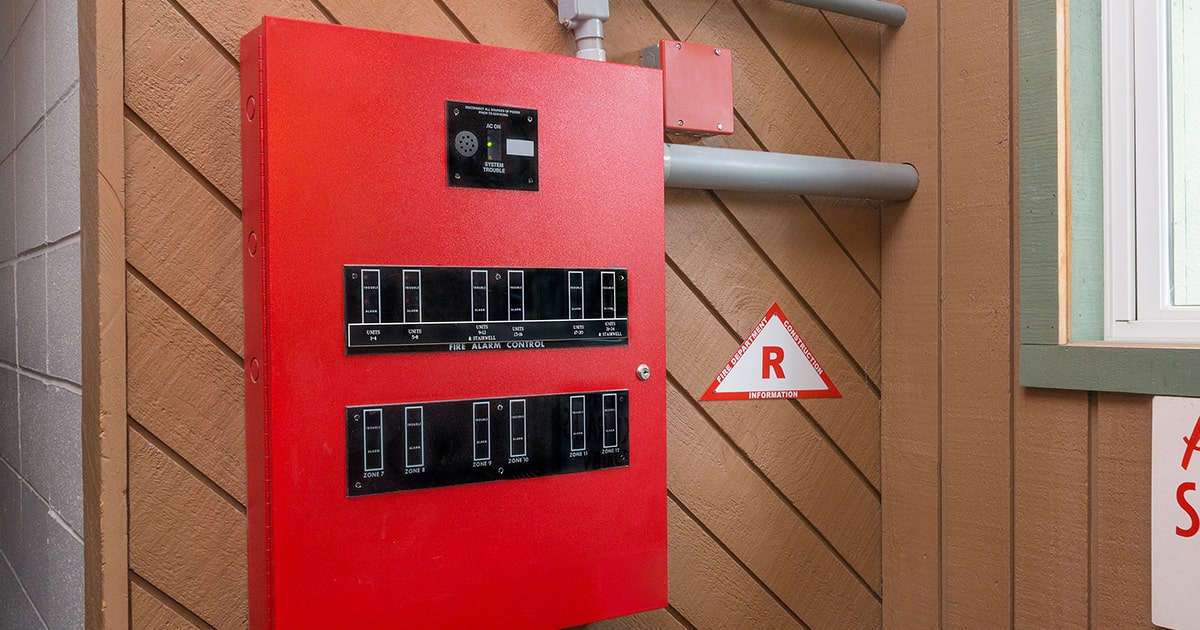
Fire alarm zones are standard in conventional fire panels. Each zone represents a different area in the building to help firefighters and professionals pinpoint the source of an alarm. However, it can be confusing to research fire alarm zones because they are not as common as they once were. Conventional and addressable systems handle communication for fire…