How Much Data Does a Wifi Security Camera Use?
Internet Speed Bandwidth
Internet bandwidth is a significant issue nowadays. Everything is tapping into the internet— from our phones to our refrigerators. If you’re installing internet protocol (IP) security cameras, they will inevitably use some of the bandwidth from your network. The question is, how much?
When you purchase home internet service, you typically get unlimited data with your package. You may think the fact that you have unlimited data means you should have no issue with uploads, but that isn’t true. The reason internet prices increase is because companies are actually charging you for upload and download speeds. A typical home internet service package may come with 1GB of upload speed and 250 MBPS of download speed.
Simple One or Two-Camera Setup
Your typical home internet can probably support a one or two-camera system setup. So, if you want to set up a camera by your front and back doors that you could access from your phone, you will likely have enough upload speed to upload the images to the network video recorder (NVR) or cloud storage system.
Considerations for a More Complex System
Beyond this simple home monitoring setup, there are a ton of variables that come into play that will affect the upload speeds you need. We have outlined some security camera and upload speed considerations including camera resolution, frames per second, and dynamic range.
What Resolution is Your Camera Shooting at?
The higher the resolution your camera is shooting at, the clearer the picture will be. This higher resolution leads to larger files and increased bandwidth usage.
Digital camera resolution is measured in megapixels (MP) or millions of pixels per inch. Pixels are the tiny squares that make up an image. The more pixels an image contains, the clearer the image. Pixel size is sometimes given in horizontal and vertical dimensions. So, a camera that is 1280 x1024 resolution contains 1,280 pixels horizontally and 1,024 pixels vertically or 1,310,720 pixels total. Divided by 1,000,000, you get 1,310,720 or 1.3MP (1.3 million pixels per inch). To be considered a high-definition camera, the camera must shoot at a resolution of 1MP.
How Many Frames Per Second (FPS) are You Recording?
Frames per second (FPS) is how many pictures are taken in one second of time. The higher your camera’s FPS is, the more realistic-looking motion you’ll get on video, and the more bandwidth you’ll use. Security cameras can typically shoot anywhere from 1FPS to 30FPS, with the average frame rate usually around 10-15. Anything higher than this will significantly increase the size of the footage being stored.
What is the Dynamic Range of Your Camera?
Another critical factor that affects the clarity of images is the dynamic range of the video your camera is recording. Dynamic range is the measurement between the whitest whites and the blackest blacks in an image, or the range in which a camera can successfully capture the lightest and darkest areas of an image without losing detail. The wider or higher the dynamic range, the better images your camera will deliver and the greater bandwidth they’ll demand.
How Many Cameras are You Installing?
The more cameras you are using, the higher your Internet speed requirements will be. How many cameras you will need for your home or business depends on a few factors: why you need the cameras, what areas you want to monitor, how large a space you need to watch, the type of security camera you purchase and whether you are going to install a wired or wireless system.
In addition to all the above considerations, there are a host of other variables that can affect your security cameras’ performance and the upload speeds. Variables like where the cameras are placed, the type of router you operate, and whether you are recording continuously or intermittently.
Today’s homes and businesses need a lot of power and resources. While today’s security technology is better than ever and less expensive, you don’t want a slow connection or inadequate Wi-Fi coverage to prevent you from accessing your security system when you need it.
How Fast is My Internet?
You can contact your internet service provider and inquire about the internet speeds in your area. Your service provider will be able to give you more detail and help you upgrade your bandwidth if necessary. Free online tools such as speed tests can help you learn more.
Where to Begin?
The security experts at FSS Technologies are experienced professionals who have helped many home and business owners optimize their internet and security system requirements. Contact us to learn more about our security options and ask any questions you may have.
Explore Our Other Blogs

What to Know About Smart Locks
Smart locks have been on the market for several years and continually gain features as technology advances. Learn how useful they can be and how to find the best option for your home or business. What’s a smart lock? Smart locks are door locks controlled digitally. These locks can be monitored and controlled by an…
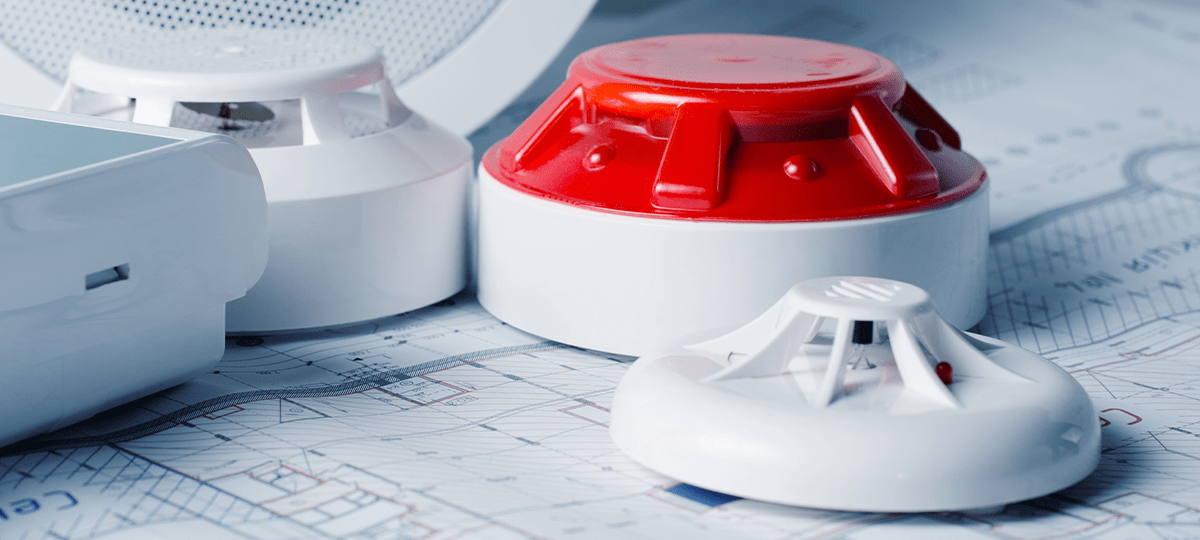
Where Should Smoke Detectors Be Placed?
Smoke Detector Placement Fire can spread extremely fast. In just minutes, a building can be fully engulfed in flames. Smoke detectors are critical to give people inside homes and commercial buildings early warnings so they have time to get out. Proper smoke detector placement is also key when it comes to keeping your home or business safe. Residential Smoke Detector Placements At a minimum, The National Fire Protection…

Best Security System Setups for Senior Citizens
According to the American Association of Retired Persons (AARP), nearly 90% of senior citizens want to stay in their homes as they age even if they need day-to-day assistance or have ongoing health issues like early-stage Alzheimer’s or dementia. Unfortunately, criminals often target senior citizens as victims. Thieves assume older people will not be able…

Testing Fire Alarm Call Points
Most large commercial-grade fire alarms today are addressable systems. Unlike conventional systems that use fire alarm zones, addressable fire alarm systems assign a unique “call point” to every device. Each one sends a digital signal to the main panel, creating a two-way line of communication that shows activations and status updates. An addressable panel can then identify…
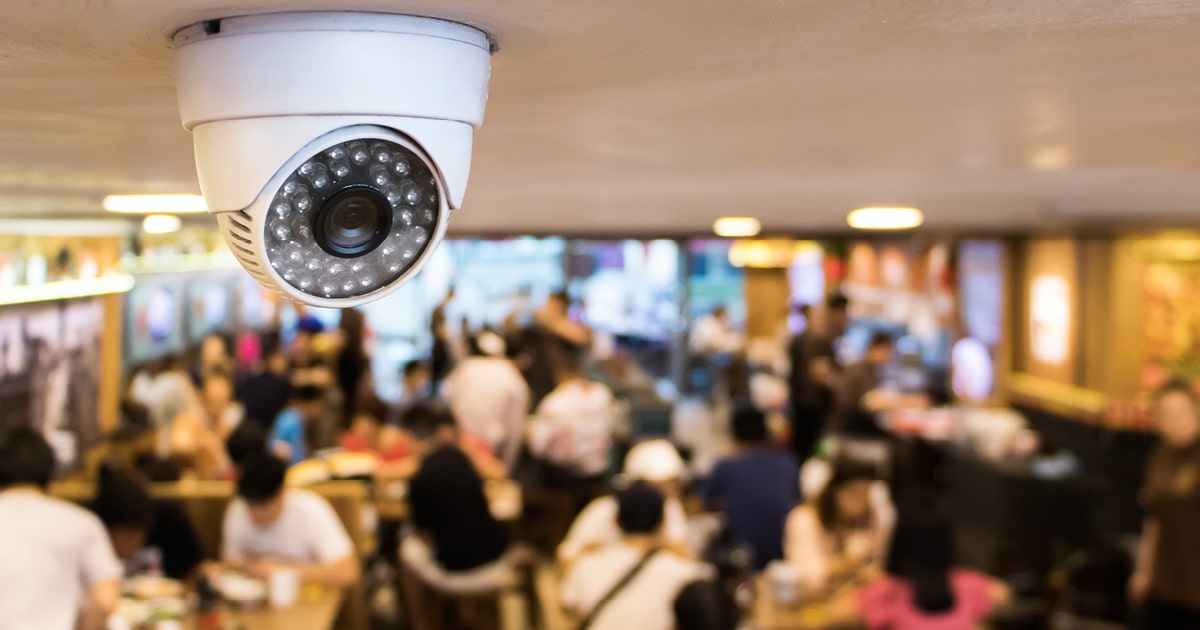
Business Security Camera Placement Guide
Security camera placement in a business needs to be strategically decided based on several important factors. Areas that store valuables, have high foot traffic, and enable access to your building should be some of the essential locations. Learn more about what kinds of security cameras you can use and where they should be installed in…

Can Video Doorbells Be Used in Apartments?
It is at the discretion of your building manager as to whether you can use a video doorbell for your apartment. There usually are two concerns that arise when it comes to video doorbell usage in a rented property: installation concerns and privacy concerns. Issues with Video Doorbells Installation Concerns Many video doorbell systems require…

Has Chicago’s CCTV System Helped Lower Crime Rates?
It’s been 19 years since the Chicago Police Department (CPD) kicked off its pilot of Police Observation Devices (PODs). Today, there’s a network of 50,000+ surveillance cameras in use all over the city. But Are They Working? This simple question has no simple answer. According to the Chicago Police Department, in some areas, narcotic related crimes…

Ins and Outs of Contract vs No Contract Security Systems
Many people see signing a long-term contract with a reputable alarm company as a stressful experience. In truth, contracts are in place to benefit both the alarm company and the homeowner. Developing a relationship and signing a long-term commitment to a security company allows you to get to know a team and benefit from the peace of mind that…

What to Do After a Break In
No one ever wants to be victimized by a burglar, but the fact is that many will encounter a theft or break-in at some point in their lifetime. A recent study by Bankrate shows that there are over 1 million burglaries in the United States each year, with a new burglary happening approximately every 26…
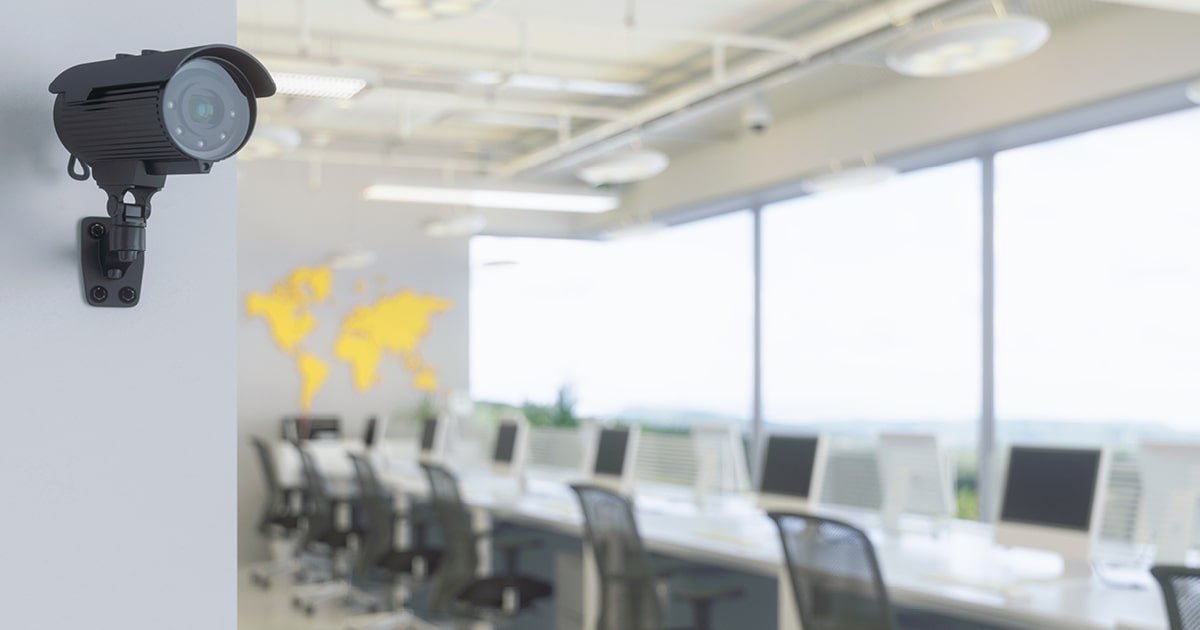
Is the Use of CCTV Cameras in the Workplace Illegal?
Know the Law Business owners are responsible for the security and well-being of their employees and company property. Many companies use technology such as cameras, motion detectors, and other tools to keep an eye on their building or cash areas. Many new businesses and employees may be wondering: Are CCTV cameras illegal in the workplace? Let’s…