5 Common Causes of Commercial Fires
Many business owners and employees think their chances of dealing with a fire in the workplace are improbable, but the numbers tell a different story. According to the U.S. Fire Administration (USFA), an estimated 116,500 commercial fires were reported nationally in 2021. These fires contributed to 115 deaths, 1,025 injuries, and over $3.6 billion in losses.
With a 20% increase in fires and a 70% increase in fatalities between 2010 and 2021, inadequate fire prevention, protection, and suppression measures pose increasingly dire consequences for business owners. It’s critical for businesses to recognize the risks and impacts a fire has on their company, employees, and customers. The good news? Some causes are more prominent, meaning they’re better reported, researched, and preventable than others. Additionally, many requirements are often addressed and standardized by the National Fire Protection Association’s fire codes.
What factors cause commercial fires?
With the prevalence and far-reaching risks of non-residential fires, it’s essential to learn what commonly causes fires in commercial settings to avoid the consequences and protect your business. Here are 5 common factors that contribute to commercial fires and how to prevent each type.
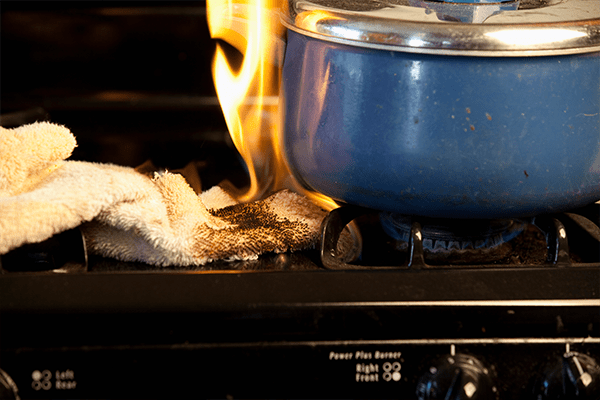
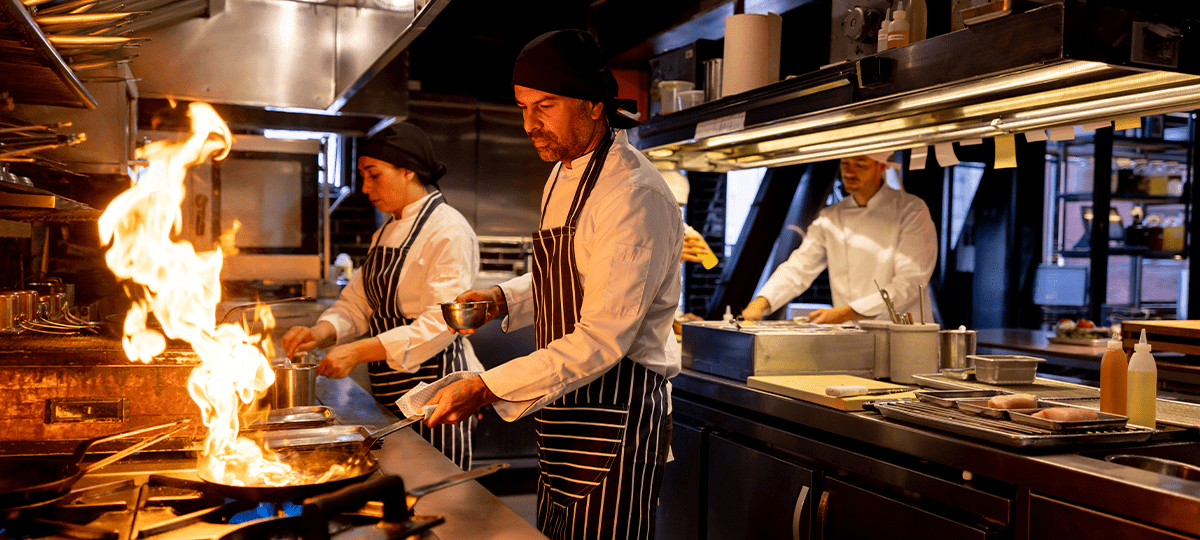
Kitchen-related issues are the leading cause of fires by a wide margin. Cooking accounted for an estimated 27% of fires and $72.1 million in losses in 2021 alone, according to the USFA. The rate of cooking fires has steadily increased over the years, jumping by 14% between 2012 and 2021. While many people default to thinking that these fires occur in the restaurant industry, any other business with cooking equipment on the premises can also fall victim. Whether it’s everyone gathering for an office potluck or an everyday employee heating their lunch in a breakroom, cooking mishaps could cause significant damage in healthcare, education, and other commercial environments.
Businesses within and outside of the restaurant industry can follow these protective measures to help prevent kitchen fires:
- Never leave any cooking appliances unattended
- Keep combustible materials away from heat sources
- Regularly clean cooking appliances and equipment
- Keep a fire extinguisher nearby at all times
- If a grease fire occurs, do not use water to extinguish it
Arson is the second-leading cause of commercial fires, accounting for 15% of all reported fires and $208.4 million of reported losses in 2021, and the frequency of these incidents has increased at a staggering rate. Between 2012 and 2021, the USFA reported an astonishing 92% increase in intentionally set fires in non-residential settings. Businesses of any specialty and size can fall victim to arson, so preparing for the worst is essential.
While there’s no foolproof way to protect your business from arsonists, standard fire safety and security system elements can help and may include:
- Smoke detectors
- Physical security audits
- Security cameras
- Security-friendly landscaping
- Video alarm verification
- Sprinkler systems
- Access control systems
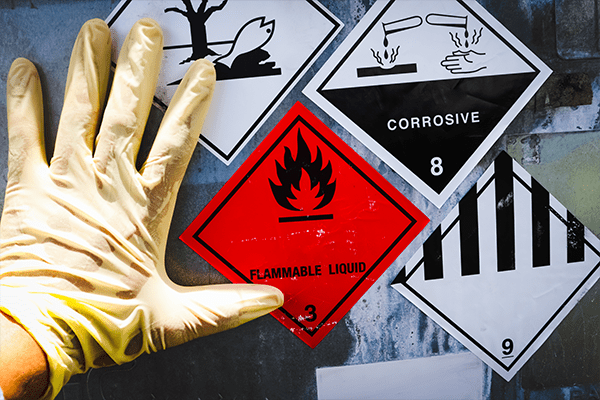
Accidents genuinely do happen, and fires in commercial settings are no exceptions. Mistakes and mishandlings can lead to unintentional fires, whether it’s a mishap with flammable materials at work or an employee forgetting to put out a cigarette after a smoke break. The USFA estimated that 12% of reported fires in 2021 were due to unintentional, careless fires and contributed to $542 million in losses. These fires are also on a steady rise, with unintentional fires increasing in frequency by 55% between 2012 and 2021.
Similar to intentional fires, unintentional fires are best prevented by following fire safety best practices. If you manage a multi-story property, ensure you develop an emergency response plan for your employees and tenants. For any business, knowing the flammability of your building’s materials and communicating the locations of fire alarm pull stations is vital to emergency preparedness in an accidental fire.
Accidental fires are followed closely by fires due to electricity issues, with roughly 12% of fires and $501 million in losses reported to the USFA attributed to electrical malfunctions. Issues with a building’s wiring or misuse of power outlets can lead to an electrical fire, also known as a Class C fire, which is even more difficult to extinguish because it’s fueled by electricity. While these fires may be more common for companies that regularly use appliances, machinery, and other electrical tools, any business can be susceptible to electrical fires.
During the holidays, many businesses encounter additional risks related to winter commercial fire safety, and electrical issues are especially a concern when outlets are overused by power strips connected to multiple extensions or multiple space heaters. Misused extension cords are one of the most common fire safety violations year-round, so ensuring your building’s power sources are inspected and utilized correctly is paramount.
Sharing with other local businesses is a helpful part of being present in a community, but the last thing you’d want to share is fire. The least-attributed specific cause of commercial fires is exposure fires, meaning a fire that starts outside of a building and spreads to it. The USFA estimates that roughly 2% of non-residential fires in 2021 occurred due to exposure to other fires, but that small percentage caused $532 million in losses.
Defending against other fires can directly depend on the fire ratings of your building’s materials and the degree to which it can withstand a blaze. Emergency services respond with enough time to contain a blaze in ideal situations, but your building’s landscaping and other exterior obstructions can impede efforts to extinguish the fire and keep your building secure.
Proactively identifying and avoiding fire risks is your best protection against commercial fires. If your business could benefit from added fire protection, the experts at FSS Technologies can provide an initial consultation, help you develop an actionable emergency plan, and expose any potential hazards you might have missed. With options for alarm systems, monitoring services, and detectors from trusted brands like Kidde, our professionals can outfit your building with a fully customized fire and security solution to give you around-the-clock peace of mind. Contact us today to get started.
Explore Our Other Blogs

Big Name Home Security Gimmicks
We talk about choosing between a national home security company and a local company, DIY Security systems’ weaknesses, and video doorbells. Choosing a security system can be stressful and overwhelming, especially when you and your family’s security is at stake. So how do you choose a home security system? Do Your Homework It’s critical to do…
Does My Business Need an Access Control System?
Does My Business Need an Access Control System? Before determining whether your business could benefit from an access control system, let’s go over the different types and their capabilities. In short, an access control system is a type of security system that lets you control who, where, and when someone can enter or exit your…
Can Your CCTV and Access Control Systems be Integrated?
When setting up security for your business, you might consider adding CCTV and access control systems. These two security measures work great to deter crime on their own, and provide even greater security when integrated. This pairing has many advantages, but it is also a complex setup that may not be right for you. There…
Fire Systems for the Restaurant Industry
Companies in varying industries face fire hazards in their standard operations to a certain degree. Businesses that operate commercial kitchens, however, are at significant risk for fire-related hazards because cooking equipment is a leading cause of commercial fires. According to the U.S. Fire Administration, an estimated 50% of non-residential fires were caused by cooking in…
What Does a Commercial Fire System Include?
Fire safety is critical for all businesses, but the components within commercial fire systems vary significantly between industries and functions. Fires can stem from common causes that affect any commercial property and sources unique to specific fields, so fire systems must address every threat using detection, prevention, protection, and suppression. With many options available for…
Are All Home Security Systems the Same?
Home security used to be synonymous with burglar alarms, but this is no longer the case. Home security today is not only about protection, but also comfort, convenience, communication, and information. All home security systems never were the same—there were different manufacturers, different types of equipment, and various providers. Today, there are entirely new categories…

Cons of DIY Home Security Systems
When considering getting a home security system, some people might assume they can set up a fully functioning system themselves. The reality is that DIY systems come with some significant drawbacks. Here are some of the things to consider before you decide to take on this project yourself. Not Professionally Installed The importance of having…
Who Owns ADT Alarm Systems After Install?
You’ve paid to have an alarm system installed in your home. Do you own the equipment? Most likely, but not yet if you contracted with a big-box home security company like ADT. Payment Plans for Equipment Most people sign up on special offers in which they will pay an installation fee for the equipment, but…
Livly: A Modern Residential Community Experience
The Livly property and tenant management system is one of the most cutting-edge and all-inclusive apartment app experiences available today. The system offers low-cost technology and fully integrated experiences that pair well with a variety of existing property management systems. As a proud partner with Livly, FSS Technologies offers this trusted technology solution for both…
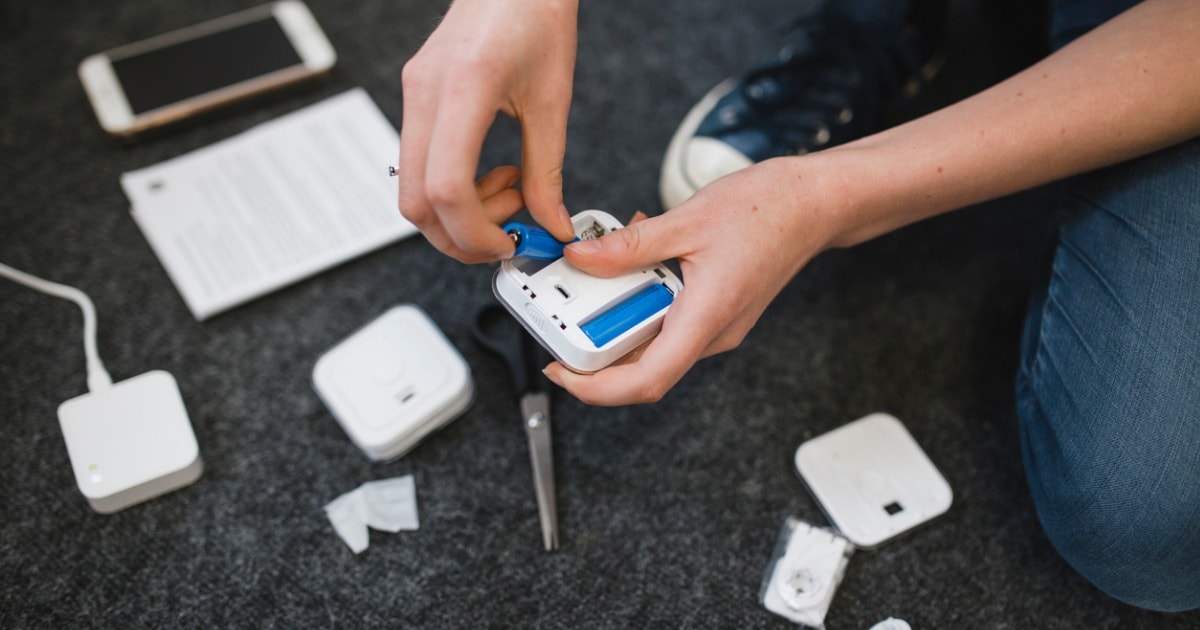
The Only SimpliSafe Review You Need to Read
What is SimpliSafe? SimpliSafe is one of several do-it-yourself home security systems on the market. The challenge with any DIY home security system, in our opinion, comes down to the customer experience. SimpliSafe’s customer support offers minimal assistance to ensure you adequately install and troubleshoot your system. While they do provide an 800-telephone number, the…