What Is CCTV Footage?
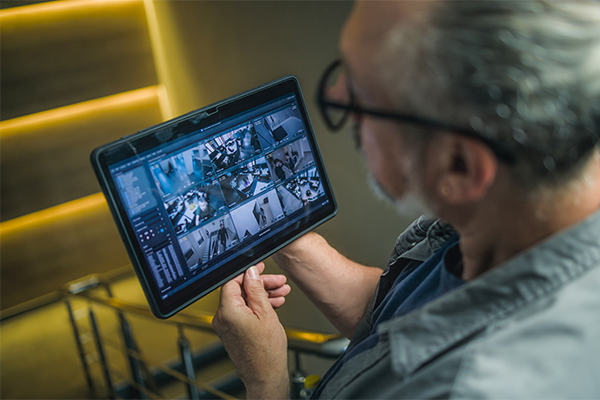
CCTV stands for closed-circuit television, in which video cameras transmit a signal to a specific, limited set of monitors. Wired and wireless cameras in a CCTV system are usually used for surveillance and security purposes. The footage can help prevent crime, aid in the capture of a suspect if an offense occurs, or serve as evidence in court. Cameras may transfer the footage to monitors for real-time viewing, or it may be recorded for future viewing.
What is CCTV used for?
In commercial environments, CCTV cameras are commonly placed in high-traffic customer and employee areas that are often the locations of crime, such as entrances and exits, cash registers, or inventory storage. The goal is to help businesses save money and lower the risk of incidents such as shoplifting, arson, burglary, or vandalism. CCTV cameras can also help monitor areas of a building, lab, or industrial facility that aren’t safe for people to enter.
In residential settings, CCTV cameras are often used to deter potential criminals or unwanted visitors, giving homeowners greater peace of mind. These cameras can help monitor blind spots around the home that can’t be seen from windows. CCTV can also be used to keep an eye on caregivers, pets, or children in the house while the homeowner is away.
Some of the most common types of CCTV cameras include:
- Dome
- Turret
- Bullet
- 360 fisheye
- Doorbell
- Pan-tilt-zoom (PTZ)
How long do you have to keep CCTV footage?
If CCTV cameras record footage, there’s no required length of time for the footage to be kept. Most home and business owners decide how long they hold onto the footage based on the available storage space and the amount of footage they must store. The amount of footage to be saved also depends on factors such as the number of cameras recording, the resolution of the cameras, and more. In general, most security footage is stored anywhere from 7 to 90 days.
Are there rules for using CCTV footage?
There are no hard and fast rules regarding who can watch CCTV footage and how it can be used. State and federal laws related to CCTV and electronic monitoring vary from state to state. Also, there are differences in the statutes for video monitoring and audio monitoring, which is why CCTV camera footage often lacks audio.
In general, businesses can legally use cameras as long as they aren’t placed in areas where there is a reasonable expectation of privacy, like bathrooms and changing rooms. For employers, it’s generally accepted practice to alert employees and customers that a CCTV system is in use in their workplace.
For homeowners, it may be legal to record video without the consent of the person being recorded. Still, we recommend checking with a lawyer to make sure. Placing cameras in a bedroom or bathroom, even in your own home, can have legal implications, especially if children are involved. Additionally, outdoor cameras should only record your property.
Practically speaking, most home and business owners usually post signs letting others know an area is under surveillance to deter trouble from ever taking place. If someone wants to view the CCTV footage on which he or she was recorded, it’s also not clear-cut what is or is not allowed. Without a subpoena, no private person or business is required to provide the footage.
Make the most of CCTV with FSS Technologies
There’s a lot to know about installing and using a CCTV system in residential and commercial settings, and that’s why we’re here to help. Our expert service technicians are well-versed in all things security, enabling us to build a custom-fit solution that meets your needs and goals. If you’re interested in learning more about installing a CCTV system at your home or business, contact us today for a free consultation.
Explore Our Other Blogs
How Do Fire Sprinkler Systems Work?
Fire sprinkler systems work by detecting heat from fires and releasing water to extinguish them. Different components work together in various configurations to boost a structure’s fire and life safety measures. Learn how a fire sprinkler system works, what your options are, and why it’s a necessary investment for your business. What are the main…

How to Choose a Security Monitoring Company
A security monitoring company is one that specializes in monitoring your alarm system. If the system detects an issue, such as a fire, break-in, or another emergency, it notifies a response team at the central monitoring agency, and sometimes, it will even inform emergency responders such as police or firefighters. Most reputable monitoring companies can…
How to Hide a Camera in Plain Sight
Hidden Security Cameras When it comes to security cameras, you can choose whether you want them installed in visible locations or have them hidden within your building. There are two different perspectives with this topic. Keep them in plain sight to deter crimes from occurring. Thieves are less likely to target your home or business if they…
What Is a Central Station Alarm?
A central station alarm system is one that feeds directly into a central monitoring station. If a sensor on the central station alarm system is triggered, such as fire, smoke, C02, or burglar, the system does much more than just set off a loud siren or send an email alert telling you to log into…
What are BDA Systems?
As technology continues to evolve and building codes grow more stringent, bi-directional amplifier (BDA) systems are no longer just a luxury—they’re a critical component in ensuring your building’s safety and compliance. Whether you’re a property owner, facilities manager, or contractor, understanding BDA systems is essential, and choosing the right partner for installation makes all the difference….
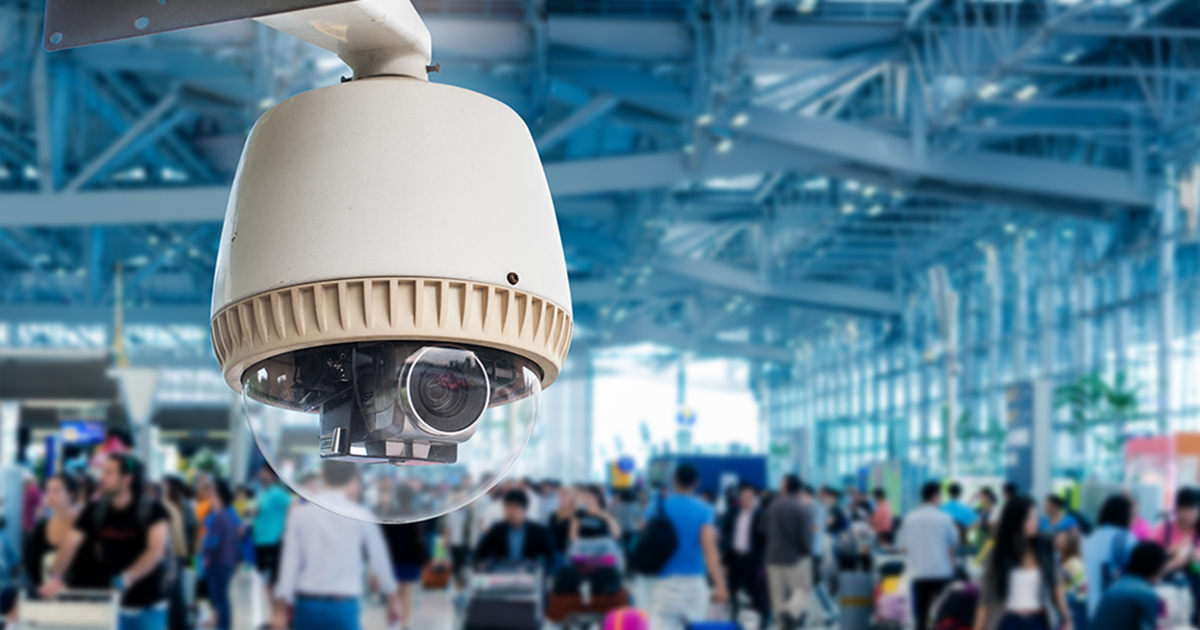
Security Camera Resolutions Explained
Different Security Camera Resolutions and Which is Right for You Welcome to the 2020s—it’s finally time to pull the trigger and get a home security camera. Now what? There are a baffling number of cameras and resolutions available on the consumer market, but the math behind figuring out what you want in a security camera…
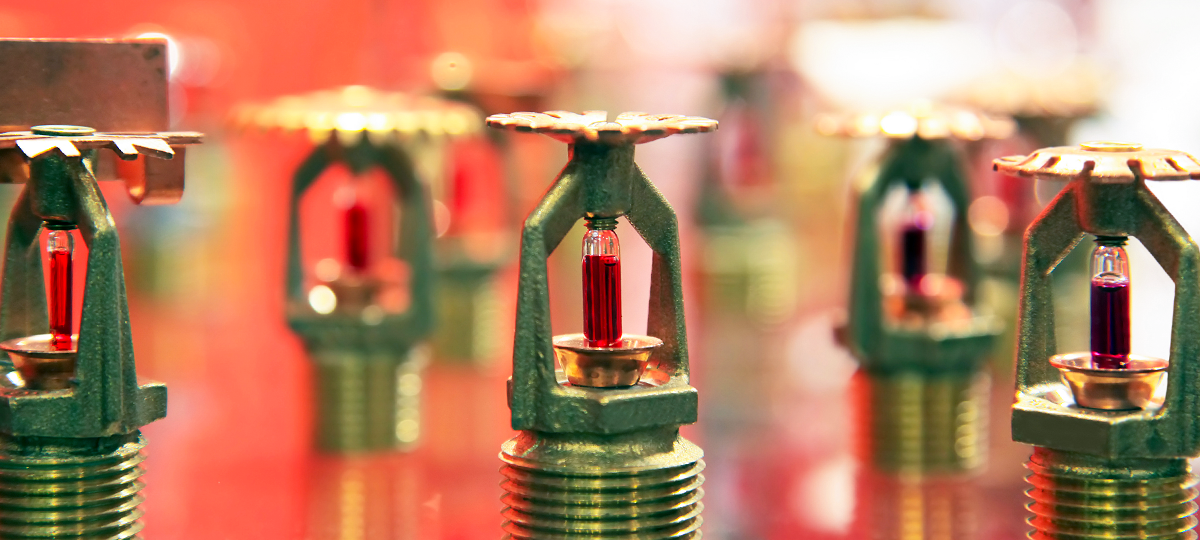
How Do Residential Fire Sprinklers Work?
Residential units are essential pieces of many commercial and mixed-use developments. Whether you’re building townhomes, low-rise apartment complexes, or single-family dwellings, fire protection requirements extend beyond nearby commercial spaces. Builders and general contractors must understand how residential fire sprinkler systems work, how they differ from commercial systems, and which codes apply to different projects. While…
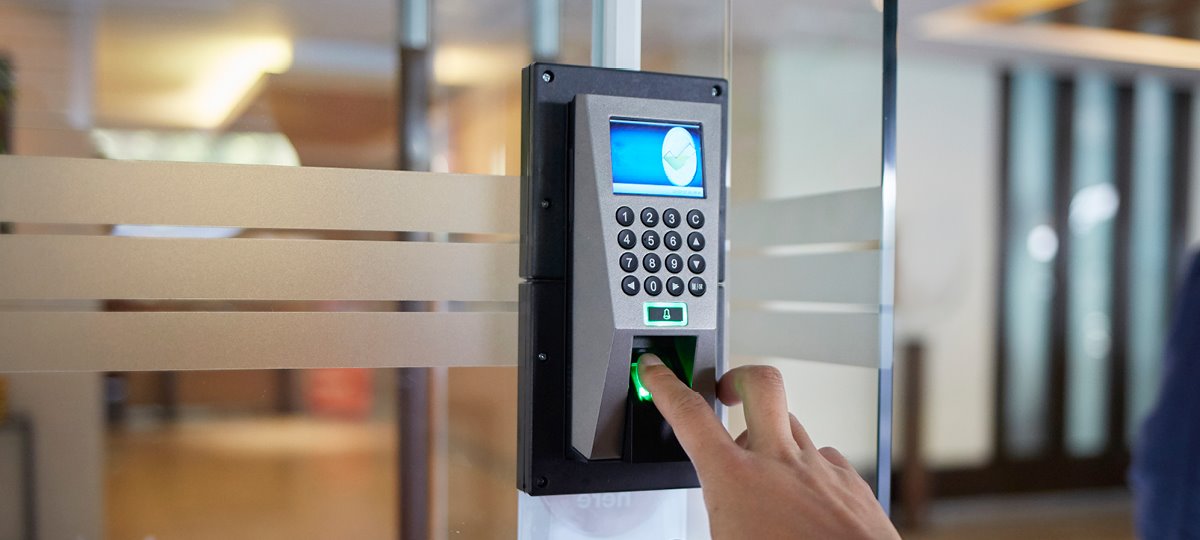
Can Your CCTV and Access Control Systems be Integrated?
When setting up security for your business, you might consider adding CCTV and access control systems. These two security measures work great to deter crime on their own, and provide even greater security when integrated. This pairing has many advantages, but it is also a complex setup that may not be right for you. There…
What is the Difference Between Dome Cameras and Bullet Cameras?
Security cameras are an integral part of a security system in any home or business. They give you access to a video stream of what is happening inside a building or on your property while also giving the owner the ability to look back on footage if necessary. There are many different types of CCTV cameras out…
Can Motion Sensors be Triggered by Light?
Motion sensors are a common part of our world today. Wave your hand under the faucet and the water runs. Pull open the closet door and the light turns on. Walk near the doors of the grocery store and they automatically slide open. Motion sensors are devices that detect movement. They are common features in…