How Do Residential Fire Sprinklers Work?
Residential units are essential pieces of many commercial and mixed-use developments. Whether you’re building townhomes, low-rise apartment complexes, or single-family dwellings, fire protection requirements extend beyond nearby commercial spaces. Builders and general contractors must understand how residential fire sprinkler systems work, how they differ from commercial systems, and which codes apply to different projects.
While fire sprinklers are widely associated with commercial buildings, residential systems play a critical role in saving lives. According to FEMA’s U.S. Fire Administration, the risk of dying in a home fire decreases by 82% when both smoke detectors and sprinklers are present. For contractors, residential sprinkler systems aren’t just a code requirement—they’re a vital safety feature that can also reduce long-term risk and liability.
What NFPA standards apply to residential fire sprinkler systems?
NFPA 13, 13D, and 13R are the three primary National Fire Protection Association (NFPA) codes that are relevant to builders. Your local Authority Having Jurisdiction (AHJ) and building codes determine which one applies to a construction project in a residential zone. Additionally, factors like a building’s size, height, and occupancy can influence which code applies.
NFPA 13 is the complete automatic sprinkler code. It requires thorough coverage, water flow calculations, and other measures that boost life safety and property protection. In some large or mixed-use buildings, the AHJ may require this standard for both residential and commercial areas.
NFPA 13D is generally the least demanding of the three codes. Smaller one- and two-family residences often use designs with fewer sprinklers and reserved flow rates. The goal of these systems is to make time for occupants to escape, not to suppress large fires.
NFPA 13R applies to low-rise residential buildings up to four stories. Its objective is to protect inhabitants during the evacuation process, not necessarily to prevent all property damage. This code allows omissions for less critical areas like attics, small closets, or concealed spaces under certain conditions.
Remember that your local AHJ may require higher standards than what you think applies to your project. AHJs have varying standards between counties and states, especially for larger mixed-use or high-value developments. Always confirm the standard early to avoid setbacks.
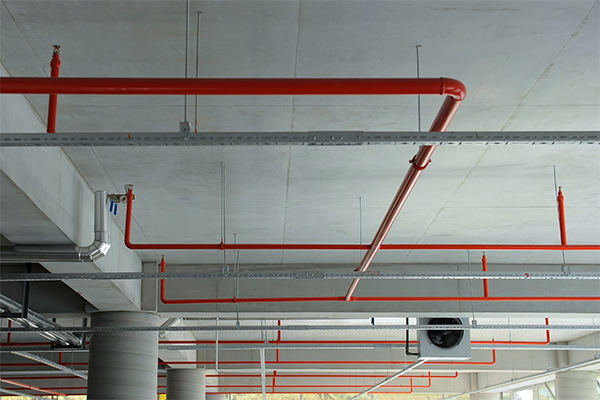
What design differences separate residential and commercial fire sprinklers?
Residential and commercial fire sprinklers operate on the same principle, but their design priorities differ. Systems in NFPA 13D focus on life safety, while NFPA 13R and NFPA 13 systems also prioritize property protection. Additionally, some commercial-grade components may not be usable in residential projects. These distinctions drive differences in what elements, water supply, and installation options you can pursue.
Here are some of the features that vary between residential and commercial fire sprinkler systems:
- Residential sprinkler heads usually respond quickly and use smaller openings to control a fire with specific spray patterns. Commercial systems often use sprinkler heads with larger openings and stricter spacing to suppress larger fires across bigger areas.
- NFPA 13 commercial systems often require water supplies, pumps, and other elements that support higher flow rates and volume. NFPA 13D and 13R systems use lower flow rates and can usually be connected to domestic water supplies, which can make them more direct and cost-effective.
- Commercial systems under NFPA 13 typically require full coverage of a structure, including concealed and storage areas. Residential standards allow you to skip installations in low-risk spaces such as small closets, attics, or bathrooms, which can reduce the required materials and labor without compromising life safety.
- Commercial systems usually need to support monitoring of alarms, switches, and other system-wide controls. Residential systems are designed to be more streamlined and don’t usually require monitoring. However, they still require clear shut-off valves, labeling, and other safeguards like freeze protection.
For builders, the key takeaway is that residential systems are typically more flexible than commercial ones. Still, they require careful coordination during the design process to ensure each project is efficient without compromising on code and standard compliance. Ultimately, it’s essential to work with your AHJ to understand which codes apply and avoid roadblocks in your project timelines.
Are home fire sprinklers required?
The requirement for home fire sprinklers depends on whether states and localities adopt building and fire codes. The NFPA recommends that new one- and two-family homes include fire sprinklers, but not every code enforces this. Some cities require them in new builds, while others only mandate sprinklers in larger homes or neighborhoods with one access point.
The most important factor for builders and contractors is that their AHJ determines requirements. While national codes provide strong guidance, local regulations ultimately dictate whether home fire sprinklers are mandatory for your project. Confirming your requirements ahead of time avoids costly design changes, delays, and potential compliance issues down the line.
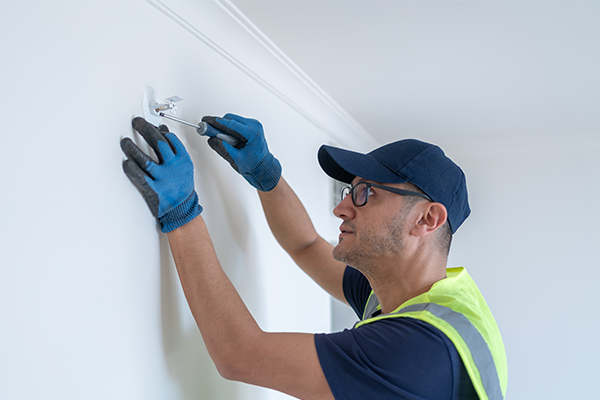
What do builders need to consider when installing residential sprinklers?
Builders and contractors should consider these factors early on to keep fire protection measures on schedule and within budget:
- Water supply: NFPA 13 systems often need fire pumps or storage tanks due to higher water demand, while NFPA 13D and 13R systems can be connected to the domestic water supply. Identifying the necessary infrastructure at the start can help prevent redesigns later.
- Sprinkler head selection and layout: Residential sprinklers are designed to activate quicker and use spray patterns optimized for life safety. NFPA 13D permits certain omissions, but NFPA 13 requires comprehensive coverage. Coordination with framing, plumbing, and HVAC teams is essential to avoid issues.
- Cold-weather protection: In colder climates, spaces such as garages or attics pose freeze risks. Dry pipe systems, antifreeze loops, or additional insulation may be necessary. Addressing these concerns early keeps projects moving and ensures compliance at inspection.
- Integration with monitoring systems: Even in residential settings, valves must be accessible, labeled, and supervised. Sprinkler systems in mixed-use buildings often rely on teamwork between trades to connect with fire alarm and monitoring systems.
Why do residential fire sprinklers matter in commercial-scale projects?
Fire sprinklers aren’t just a code-driven requirement—they are also a key part of reducing risks. NFPA data shows that fire sprinklers can control fires, save lives, and reduce injury and property damage rates. For contractors, installing the correct system demonstrates due diligence, reduces liability, and adds value to the project.
Understanding the distinctions between NFPA 13, 13D, and 13R systems also helps with accurate bidding and project planning. A misstep in determining the correct standard could mean unexpected expenses, delays, or costly redesigns. Being proactive ensures smoother delivery and better client satisfaction.
Prioritize efficiency and compliance with FSS Technologies
While residential sprinkler systems may appear less complex than commercial ones, they require the same attention to detail. The differences between NFPA codes can significantly impact system design, cost, and scheduling. Partnering with fire protection professionals ensures that your projects meet code requirements, protect occupants, and maintain efficiency.
At FSS Technologies, we help you design and install residential fire sprinklers that align with your project goals and code requirements. Our team of NICET-certified service technicians delivers fire protection and monitoring solutions that keep residents safe and projects on track. Contact us today to learn how we can support your residential fire sprinkler project needs.
Explore Our Other Blogs

How Do Wireless Doorbells Work?
A doorbell is a pretty self-explanatory tool—you press the button outside, and a chime goes off inside, alerting the homeowner that someone is at the front door. Like everything else, though, today’s technology has brought even the humble doorbell into the limelight as an indispensable tool for convenience and security. Pros and Cons of Wireless…

Items Burglars Want Most
Burglars move quickly. Because they tend to spend as little as ten minutes inside a home or business, several big-ticket items tend to fall prey to thieves. While some items on our list come to mind instantly, some may be more subtle. Outside of installing a security system, taking extra steps to secure your items…
Security Cameras Are Not Created Equal
The Difference in Security Cameras Cameras are one of the most critical components in your security arsenal, and not all security cameras are the same. Why you ask? Consider these differences: Various types and sizes of cameras Indoor vs. outdoor cameras Cameras that are easy to camouflage Cameras that provide high-quality video footage Wired cameras vs. wireless…
The Only SimpliSafe Review You Need to Read
What is SimpliSafe? SimpliSafe is one of several do-it-yourself home security systems on the market. The challenge with any DIY home security system, in our opinion, comes down to the customer experience. SimpliSafe’s customer support offers minimal assistance to ensure you adequately install and troubleshoot your system. While they do provide an 800-telephone number, the…

Best Security System Setups for Senior Citizens
According to the American Association of Retired Persons (AARP), nearly 90% of senior citizens want to stay in their homes as they age even if they need day-to-day assistance or have ongoing health issues like early-stage Alzheimer’s or dementia. Unfortunately, criminals often target senior citizens as victims. Thieves assume older people will not be able…

Vacation-Proof Your Home
When planning a vacation, you are almost always considering what clothes to pack or booking a place to stay. But while you are away, you need to make sure that your home will be safe from burglars or thieves who may target an empty home. Before you pack up and leave for your vacation, there…
How to Hide a Camera in Plain Sight
Hidden Security Cameras When it comes to security cameras, you can choose whether you want them installed in visible locations or have them hidden within your building. There are two different perspectives with this topic. Keep them in plain sight to deter crimes from occurring. Thieves are less likely to target your home or business if they…
Livly: A Modern Residential Community Experience
The Livly property and tenant management system is one of the most cutting-edge and all-inclusive apartment app experiences available today. The system offers low-cost technology and fully integrated experiences that pair well with a variety of existing property management systems. As a proud partner with Livly, FSS Technologies offers this trusted technology solution for both…
Can Your CCTV and Access Control Systems be Integrated?
When setting up security for your business, you might consider adding CCTV and access control systems. These two security measures work great to deter crime on their own, and provide even greater security when integrated. This pairing has many advantages, but it is also a complex setup that may not be right for you. There…

Why Night Staff Should Have Fire Alarm Training
In the years that I traveled as a Sales Representative, I experienced many times when a fire alarm would go off throughout the night. As the hotel guests evacuated, I often found that the night staff didn’t know what to do. In almost every case, it was an accidental alarm, and in many cases, night…