Hard-Wired vs Wireless Security Systems
The chicken or the egg.
Not asking which came first in this case, just which one you like better. In the world of security systems, which came first between wired and wireless was answered long ago. But the question of which is better remains.
Let’s start with a quick overview of how each of these systems works.
How Wired and Wireless Security Systems Work
When talking about how wired vs. wireless security systems work, we are referring to how the components of your security system transmit information to one another. For example, if an opened window triggers the window sensor, how does the signal from the sensor get to the main control panel?
In wired security systems, communication signals travel through wires, like telephone or cable lines, while in wireless security systems, they can transmit wirelessly, using radio waves or the internet. However, each system has its pros and cons.
Pros of Wired Security Systems
In the pro column for wired systems, hardware cost tends to be less expensive because it usually requires fewer components.
This type of system faces little to no outside network interference or interruption since they are self-contained. This aspect makes them extremely reliable, and generally offers higher quality images than their wireless counterparts.
Wired systems also won’t affect your network speed for other wireless applications. Powering wired cameras requires only one ethernet cable, so adjusting locations at a later time only calls for access to another ethernet plug.
Cons of Wired Security Systems
The main downside of a wired system is aesthetic. Unless the system is being installed at a renovated or newly built property, you will likely have unsightly cables running along the walls of your home. Either that or you take on the expense of tucking wires into the walls.
While the hardware of wired systems costs less, installation costs are generally higher because electrical knowledge is required.
Since wired systems do not use Wi-Fi, they do not have the capability to be controlled remotely, like their wireless counterparts. This means no self-monitoring of your cameras or changing the security settings while you’re away from home.
While wired systems are not vulnerable to hackers, simply cutting the wire renders the system useless. Making sure your cables aren’t exposed—which can get pricey—and knowing your system’s response if a cord does get cut are essential.

Pros of Wireless Security Systems
In the pro column for wireless systems, the main advantage is the out-of-the-box convenience. Many systems tout the ease of setup and lack of expert knowledge needed to get the system in place and running right away.
Another benefit of a wireless system is the ease of placement. While a wired system needs proximity to an ethernet outlet, a wireless system can go basically anywhere you see fit if the wireless internet signal allows.
Finally, most wireless systems allow you to monitor and adjust security settings from your mobile device, so you don’t have to be home to see home. Some even feature audio functions that enable you to have live two-way conversations with your children when they arrive home from school.
Cons of Wireless Security Systems
A big downside for a wireless system is bandwidth and possible network interference. A passing ambulance, police car, or even a nearby competing wireless network can trigger an interruption in your wireless service. And the more cameras you have connected to your system, the more bandwidth you will need to have them all operating correctly. Read our blog on How Your Internet Speed Affects Your Security System and check with your internet provider to make sure you can run your system adequately.
While the name is “wireless,” most wireless systems are not entirely wireless. Cameras require a constant power source, which usually requires connection to a power outlet.
Even if a system is truly wireless, cameras still need a constant power source, and batteries do not last very long. Making sure you know your battery life, creating and adhering to a schedule to change batteries can be a hassle and sometimes leave you with dead cameras, meaning blind spots in your system.
Wireless systems also experience lag time. Unlike a wired system, the time of the actual event and the time you see it on a screen usually has a slight delay ranging from two to five seconds, which may be critical in some cases.
Also, with a wireless system, hackers can use a device called a software-defined radio (SDR) to jam transmissions and disable your security. If your Wi-Fi router does not have the proper network security set up, you leave yourself vulnerable to hackers getting into your system.
As always, we recommend consulting with a security professional—and preferably hiring an installer—to help you through the process of deciding which route to take. FSS Technologies has both wired and wireless options and can help you choose the security system that best fits your needs. Contact us for a free security evaluation and consultation.
Explore Our Other Blogs

Monitored vs. Unmonitored Security Systems
If you’re thinking about installing a security system, you may be wondering if monitoring is a necessary feature. While an unmonitored system is better than nothing at all, there are some critical things you should consider before making a decision. The Benefits of Monitoring The noise and commotion caused by the sirens and lights associated…

Vacation-Proof Your Home
When planning a vacation, you are almost always considering what clothes to pack or booking a place to stay. But while you are away, you need to make sure that your home will be safe from burglars or thieves who may target an empty home. Before you pack up and leave for your vacation, there…
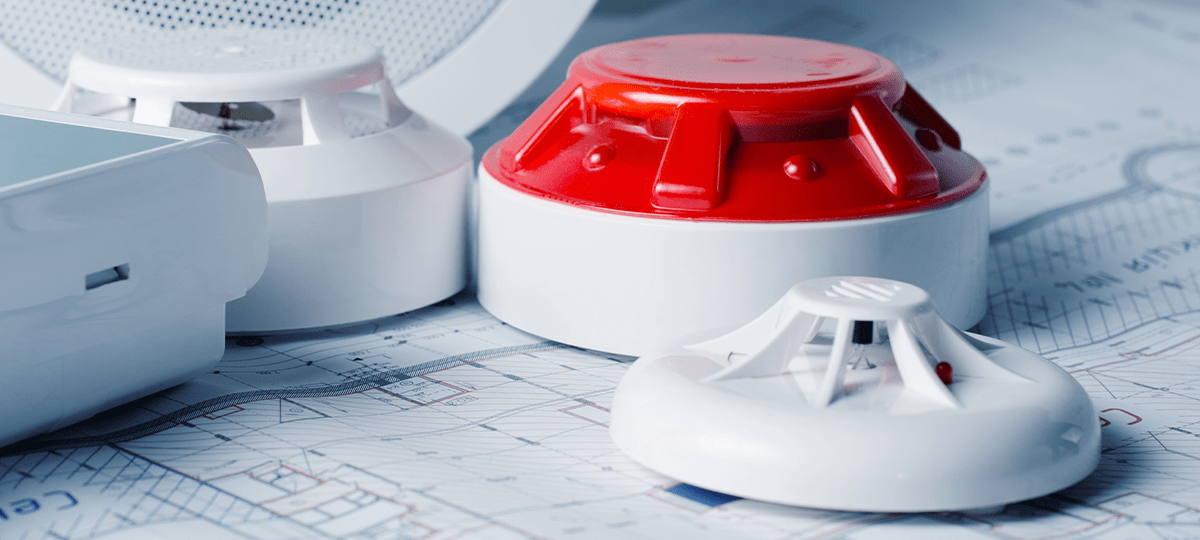
Where Should Smoke Detectors Be Placed?
Smoke Detector Placement Fire can spread extremely fast. In just minutes, a building can be fully engulfed in flames. Smoke detectors are critical to give people inside homes and commercial buildings early warnings so they have time to get out. Proper smoke detector placement is also key when it comes to keeping your home or business safe. Residential Smoke Detector Placements At a minimum, The National Fire Protection…

Home Security Solutions for People with Disabilities
According to the Centers for Diseases Control and Prevention (CDC), one in five American adults live with a disability. The most common disabilities are hearing or vision impairments, mobility issues like arthritis or a diminished ability to live independently, speech and language challenges, and cognitive conditions including dementia and Alzheimer’s disease. Recently we talked about…

How Do Wireless Doorbells Work?
A doorbell is a pretty self-explanatory tool—you press the button outside, and a chime goes off inside, alerting the homeowner that someone is at the front door. Like everything else, though, today’s technology has brought even the humble doorbell into the limelight as an indispensable tool for convenience and security. Pros and Cons of Wireless…

Livly: A Modern Residential Community Experience
The Livly property and tenant management system is one of the most cutting-edge and all-inclusive apartment app experiences available today. The system offers low-cost technology and fully integrated experiences that pair well with a variety of existing property management systems. As a proud partner with Livly, FSS Technologies offers this trusted technology solution for both…
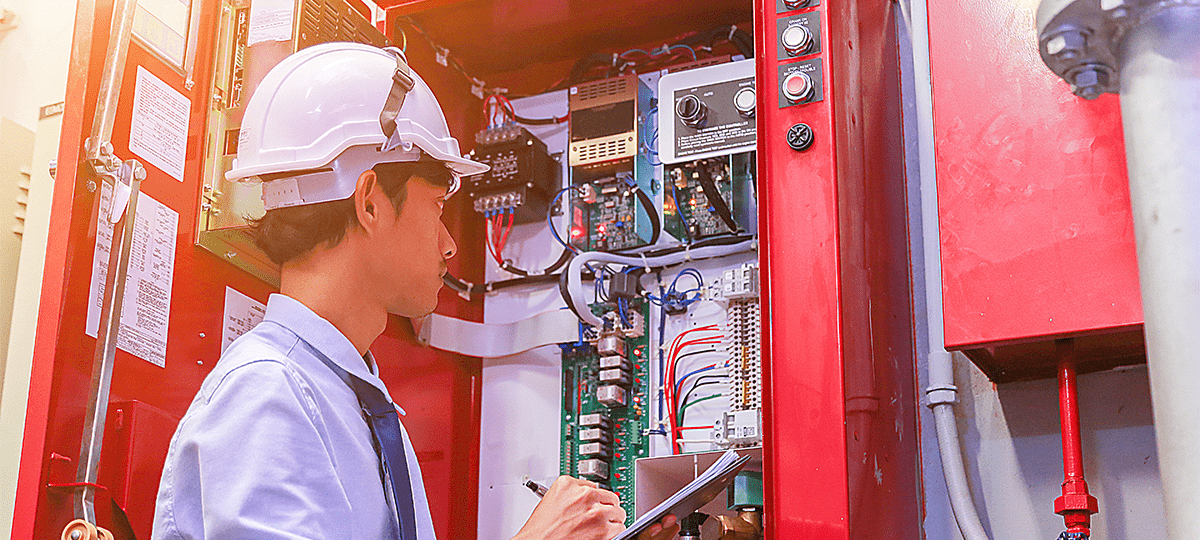
What Matters in a Fire Alarm Inspection?
At FSS Technologies, we understand that safety and reliability are paramount when it comes to fire alarm systems. While installing commercial fire safety systems is a critical first step in protecting your business, your efforts can’t stop there. Fire alarm inspections are just as necessary to ensure your building is prepared for emergencies. Learn about what…

How to Prepare for a Fire Inspection
Updated May 2023 Most people learn how to react to fire alarms from a young age. The sharp, jarring noise of the sirens instantly notifies everyone within earshot of a possible emergency and the need to evacuate. These fire safety alarm systems are mandated worldwide and need regular inspections and maintenance to promote safety. As…

Is the Use of CCTV Cameras in the Workplace Illegal?
Know the Law Business owners are responsible for the security and well-being of their employees and company property. Many companies use technology such as cameras, motion detectors, and other tools to keep an eye on their building or cash areas. Many new businesses and employees may be wondering: Are CCTV cameras illegal in the workplace? Let’s…

Will CCTV Work Without Internet?
Closed-circuit television (CCTV) is a TV system where the signal isn’t publicly broadcast but is watched and monitored, usually for surveillance and security purposes. From city streets and highways to retail stores and banks, CCTV cameras are placed in most places to protect property and deter crime. Learn whether a commercial CCTV system can work…