What Causes False Alarms on Home Security Systems
False alarms on home security systems are not only an annoyance for homeowners, but they take up the valuable time and resources of our local law enforcement officials. In fact, many cities and towns now charge homeowners a fee for false alarms.
In order to save you the frustration and potential financial hit, let’s look at the most common culprits that tend to set off your home security system.
What causes false alarms?
Motion Detectors
Motion detectors are a standard feature on many home security systems. When monitoring the exterior of a house, these sensors can be paired with lights, that illuminate your front or backyard if they detect motion or integrated into cameras that start recording when they sense movement in a given area. Other than occasionally annoying your neighbor, these motion-activated features are relatively harmless when triggered erroneously.
However, when motion sensors are paired with an alarm that emits a loud warning siren or alerts local authorities, causing a false alarm, you can run into issues. These kind of motion detectors are often used within the interior of a home, and they work in a variety of ways. Some detect changes in the heat of an area, some detect changes in sound waves, and some emit radar waves or infrared energy to sense changes in a given spot.
Unfortunately, there also are numerous ways that motion detectors can be “tricked” into action.
- The movement of blinds or curtains
- Pets
- Wildlife or insects
- Heating vents
- Hot sun shining directly on them
- Ceiling fan
- Strong winds, lightning, or thunder
- A dog barking too close
- Fireworks
- Air pressure changes
The best way to prevent these types of false alarms is to install motion detectors correctly from the get-go. Moreover, we’ll get into issues that arise from improper installation in just a moment, but other ways you can prevent false alarms on your motion detectors is to clean the equipment regularly to prevent the build-up of dead bugs, spider webs, and other dirt and debris. Spraying an insect repellant around cameras and sensors can also help keep away the creepy crawlers.
Incorrect Installation
Motion detector technology works through various mechanisms and falls into one of two buckets: active sensors or passive sensors. You can read more about the differences between these sensors in our blog. The best motion detectors utilize dual-tech technology (both passive and active sensors) to help cut down on false alarms.
What is essential during set-up is that components are correctly aligned and installed according to the manufacturer’s recommendations. Additionally, you can take the following preventative measures.
- Install outdoor components in an area where wind and rain can’t impact them.
- Placing packets of silica gel inside outdoor cameras and alarms can help keep component dry.
- Invest in a security system with a good ingress protection (IP) rating. This is a code published by the International Electrotechnical Commission that classifies and rates the degree of protection provided against the intrusion of dust, accidental contact, and water.
- Adjust camera sensitivities correctly.
- Place equipment in places where household pets can’t easily disturb it.
Low Batteries
If the power source for your security system fails, it can cause a false alarm. With the abundance of wireless equipment on the market today, low batteries are a common source of problems. Read the manufacturer’s recommendations for how long the batteries in your equipment should last and schedule regular battery replacements accordingly. It’s a good idea to always keep spare batteries on-hand for your security system components.
Unlocked or Loose Doors and Windows
Another common cause of false alarms is unlocked or loose doors and windows. Window and door security devices usually consist of a two-piece sensor with magnetic contacts, one installed on the frame and one on the window or door. If the connection between the two contacts breaks, the alarm sounds.
Wind can blow a partially closed door or window wide open, and pets have been known to open unlocked doors. Even changes in the weather can cause doors and windows to swell or contract, preventing them from closing properly.
Make it a habit to check that all doors and windows are properly closed and locked before arming your alarm system.
User Error
To err is human and that’s especially true when it comes to home security systems. User error is the number one most common reason for false alarms. The kids forgot the passcode. You forgot to tell your neighbor feeding the cat that the alarm is armed. A housecleaner or contractor enters your house and isn’t familiar with how to work your alarm system, even though you gave him or her the code. Mistakes happen, but luckily there are lots of simple steps you can take to prevent these types of false alarms:
- Train anyone entering your house on how to use the alarm system properly.
- Require dual verification before authorities are dispatched to your home in the event the alarm goes off. This means that the monitoring company calls you before calling the authorities.
- Make sure your monitoring company has your current contact information.
- Use technology, such as smartphone notifications or text messages that alert you when your alarm goes off, so you can disarm it faster.
- Keep the user manual for the alarm system in an easily accessible place and make sure your family knows where it is as well.
Home security systems are a great investment and have numerous benefits. And as long as you take the time to install and maintain your system properly and follow the best practices laid in this article, your alarm system won’t end up being a headache for you and the local authorities.
Explore Our Other Blogs

How to Make Your First-Floor Apartment Safe
In business, getting in on the ground floor is great. You are part of a plan early on to gain an advantage. When it comes to apartment-dwelling, however, getting in on the ground floor is only an advantage in some respects. It’s easier for you and your pets to get in an out, it’s easier…
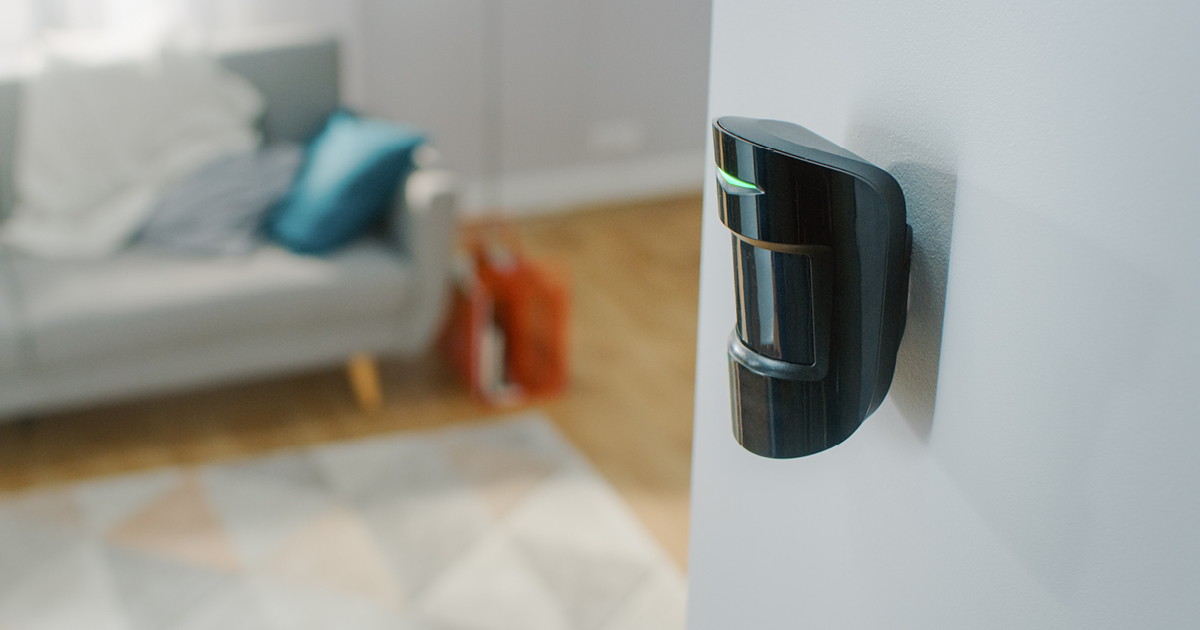
Where Should Window and Motion Sensors be Placed?
Motion and window sensors are basic parts of a security system in both residential and business applications. The expert security team at FSS Technologies has helped thousands of business and property owners stay safe with these tools. Sensors A motion sensor allows a system to detect movement, using waves or light to determine if someone or…

Elements of a Business Security System
How can I secure my business? A business security system needs to protect people, property, and assets from theft, crime, and fire at all times of the day and night. The people walking in and out the doors of a business are not only its owners, but customers, employees, vendors, and suppliers who have varying…

What are BDA Systems?
As technology continues to evolve and building codes grow more stringent, bi-directional amplifier (BDA) systems are no longer just a luxury—they’re a critical component in ensuring your building’s safety and compliance. Whether you’re a property owner, facilities manager, or contractor, understanding BDA systems is essential, and choosing the right partner for installation makes all the difference….
Holiday Safety Tips for Homes and Businesses
With the holiday season right around the corner, burglars are on the lookout for unguarded homes or businesses to prey on. Unlike the Grinch, holiday robbers don’t often have a heart that grows three sizes, making it more important than ever to protect your valuables and your loved ones. Our security experts have come up…
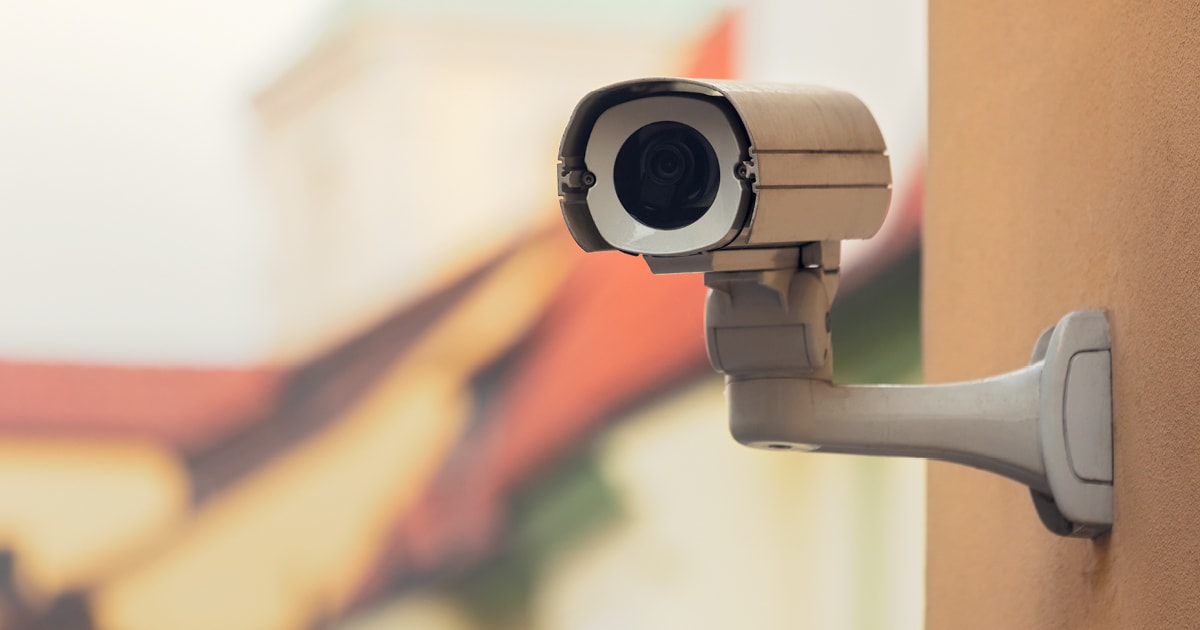
What are the Best Outdoor Security Cameras?
Outdoor security cameras do more than record what happens around a property—they help you see clearly, respond faster, and document events when you need answers. Whether you’re protecting your home’s front porch and driveway or monitoring your company’s parking lot, loading dock, or perimeter gate, the “best” outdoor security camera is the one that fits…

Cons of DIY Home Security Systems
When considering getting a home security system, some people might assume they can set up a fully functioning system themselves. The reality is that DIY systems come with some significant drawbacks. Here are some of the things to consider before you decide to take on this project yourself. Not Professionally Installed The importance of having…
Why Emergency and Exit Lighting Matter
Emergency lighting and exit lighting are vital components of life safety systems. They’re a standard part of any commercial structure and not as noticeable on a normal day. When power fails or a disaster happens, these lights guide people to safety, helping prevent panic and ensuring clear evacuation routes for everyone in a building. Whether…
Business Security Camera Placement Guide
Security camera placement in a business needs to be strategically decided based on several important factors. Areas that store valuables, have high foot traffic, and enable access to your building should be some of the essential locations. Learn more about what kinds of security cameras you can use and where they should be installed in…

3 Ways to Prevent Shoplifting
Preventing shoplifting is a big deal if you’re a retailer. According to the 2018 National Retail Security Survey, shoplifting continues to be the leading cause of inventory loss for retailers. Loss of stock is a big deal in this country to the tune of nearly $47 billion. The survey also identifies the top ways retailers try…