Why Fire System Inspections Matter
At FSS Technologies, we believe that safety isn’t a luxury—it’s a necessity. Our commercial fire protection services are designed to give your business peace of mind, knowing that your properties, people, and assets are secure and compliant with fire and life safety codes.
We specialize in fire sprinkler systems, fire extinguishers, and backflow preventer inspections to provide comprehensive solutions that help keep your systems ready when every second matters. Learn more about our inspection standards and the common issues we find and resolve.
Why do inspections matter?
Routine inspections are critical—not only for maintaining safety but also for ensuring that your systems comply with local, state, and national codes and standards issued by organizations like the National Fire Protection Association (NFPA). Whether it’s an automatic sprinkler system, a portable fire extinguisher, or a backflow prevention device, these systems must be inspected and tested regularly to ensure they’re fully operational in the event of an emergency.
Neglecting to schedule routine inspections could lead to:
- System failures in an emergency
- Code violations and fines
- Increased liability concerns
- Insurance complications
How do fire sprinkler system inspections work?
Fire sprinklers are the first line of defense in your commercial fire system that can reduce the damaging effects of an active blaze. Per NFPA 25, these systems require:
- Quarterly inspections for valve positions and gauges
- Annual inspections of mechanical parts and water flow
- 5-year internal pipe assessments to check for blockages or corrosion
During our inspections, we check for common fire sprinkler system deficiencies like:
- Closed or improperly positioned control valves
- Leaking or corroded sprinkler heads
- Improperly supported piping
- Missing signage or identification tags
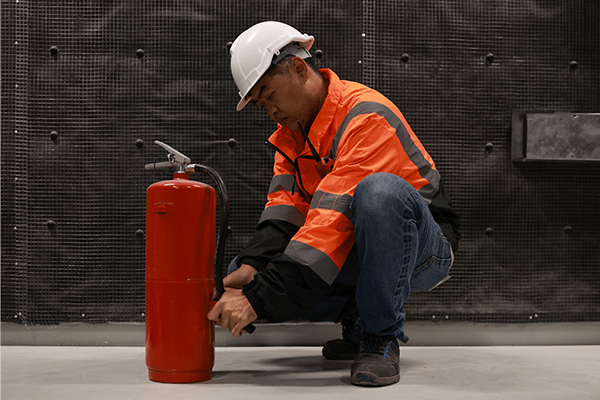
What matters in a fire extinguisher inspection?
Portable extinguishers are a critical tool in containing different classes of fires until first responders can arrive and help your business. According to NFPA 10, fire extinguishers must be:
- Visually inspected monthly
- Fully inspected and maintained annually
- Hydrostatically tested every 5-12 years, depending on the type
- Replaced every 10-12 years
Our team ensures that every portable extinguisher in your building has:
- Proper placement and accessibility
- No physical damage, corrosion, or pressure loss
- Up-to-date inspection tags and clear labeling
Our service technicians at FSS Technologies often find issues such as:
- Expired units that are partially or entirely ineffective
- Incorrect extinguisher material types for relevant hazards
- Blocked extinguishers that can delay emergency responses
What’s required in backflow inspections?
Backflow preventers keep contaminated water from flowing back into your clean water supply. Backflow prevention is a critical safety measure for any building’s plumbing and fire protection systems. Local water authorities and plumbing codes typically require annual inspections and testing.
Common deficiencies related to backflow preventers include:
- Broken or leaking valves
- Improper installation height
- Missing test ports or data tags
- Failed pressure differential tests
Our certified technicians ensure that every device is tested, repaired, or replaced to meet code requirements. By inspecting your backflow prevention systems to meet standards, you can better protect the health and safety of your building’s occupants.
Our commitment to service and excellence
At FSS Technologies, we don’t just provide inspections—we partner with you to ensure the long-term reliability and compliance of your fire protection systems. Our technicians are NICET-certified, fully trained, and equipped with cutting-edge tools to perform thorough, efficient fire safety inspections. We also provide detailed digital reports, track maintenance schedules, and help you plan for repairs or system upgrades to avoid unanticipated costs or failures.
Safety is our business. Excellence is our standard. Whether you’re managing a single facility or a large campus, we’re here to help you stay safe, compliant, and prepared. Contact our team today to schedule your next inspection or speak with a fire protection expert.
Explore Our Other Blogs

Can You Get in Trouble for Breaking into Your Own House?
Is it legal for you to break into your own house? Yes, you can get in trouble for breaking into your own house—at least temporarily. If the police are notified that there is a break-in at a residence, either by a neighbor or a security alarm, they can detain or arrest you until you can…

Can Video Doorbells Be Used in Apartments?
It is at the discretion of your building manager as to whether you can use a video doorbell for your apartment. There usually are two concerns that arise when it comes to video doorbell usage in a rented property: installation concerns and privacy concerns. Issues with Video Doorbells Installation Concerns Many video doorbell systems require…

DIY Security Systems
DIY home security systems have been on the market for years, offering homeowners the ability to order and install a simple-to-use system for their property. A DIY system often boasts cheap and easy security solutions for a home but are not the right fit for all homes. Cost-Benefits As with almost everything in life, cheaper isn’t…

Wired vs. Wireless Security Cameras
Wired or Wireless? When we talk about wired versus wireless in-home security, it has little to do with whether a piece of equipment has physical wires attached to it. The terms wired and wireless refer to the communication signal that is transmitted from one piece of security equipment to another. For a security system to…

How Burglars Break In and Where to Secure Your Home
When a burglar considers your home as a potential target, here are some of the things he or she is looking for. Easy Access An intruder doesn’t want to get caught and needs to have an easy escape. There’s not a more easily accessible entry point at your home than an unlocked door, and most…
Livly: A Modern Residential Community Experience
The Livly property and tenant management system is one of the most cutting-edge and all-inclusive apartment app experiences available today. The system offers low-cost technology and fully integrated experiences that pair well with a variety of existing property management systems. As a proud partner with Livly, FSS Technologies offers this trusted technology solution for both…
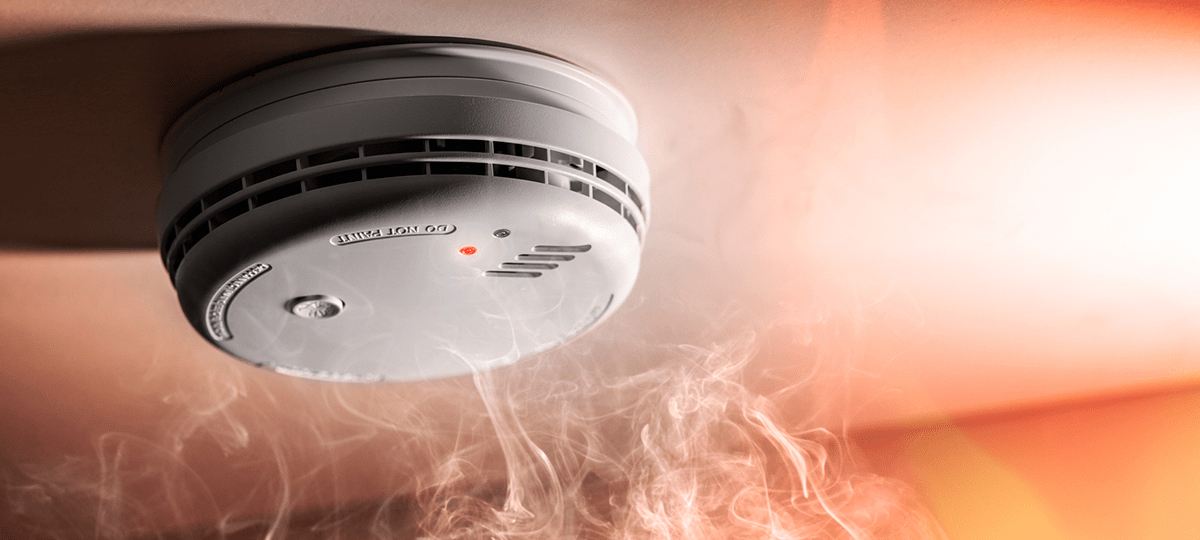
Kidde: Innovations in Fire Safety
Your fire alarm system can protect your family, home, and belongings from fires, gas leaks, and other hazards. FSS Technologies is committed to providing its customers with top-of-the-line fire safety and emergency prevention technology, which is why we are a proud provider of products from Kidde, North America’s most installed fire safety brand. Learn about…

How is a Fire Sprinkler System Designed?
While fire sprinkler systems seem the same at first glance, there’s no one-size-fits-all solution for all commercial properties. Depending on a structure’s needs and circumstances, fire sprinkler systems use different combinations of various components. The ideal design should accommodate the unique features of each industry, layout, and operation. Whether you’re looking to install a fire…

7 Ways Home Monitoring Keeps Your Pets Safe
Your family’s safety is at the forefront of your mind when installing a security system, and that includes your pets as well. When researching a security product that suits your needs, consider the ways that this technology can help your pets stay safe too. We have detailed some of the most common hazards as well…

What is an Emergency Action Plan?
The purpose of an Emergency Action Plan is to inform employees of what actions they should take if an emergency occurs at work. It’s required by the Occupational Safety and Health Administration (OSHA), and it can be critical in preventing the loss of property, or lives, in a crisis. If an emergency alarm went off…