What is the Difference Between Analog and IP Cameras in a CCTV System?
When you are considering different security systems and potentially implementing surveillance cameras into your home or business, a big question is whether you want IP or analog cameras. Global Market Insights estimates that the IP camera market will be worth more than 20 billion by 2025.
With today’s technology both IP and analog systems can be viewed from a multitude of platforms including your pc, television, and through a network connection to your smartphone or tablet. The principal differences between the two systems are cost and video quality. Analog systems are less expensive, but the quality of the picture is limited to HD. IP systems, although more expensive, provide extremely high-quality video.
Analog Cameras
Analog cameras are what most people think of when thinking of a CCTV, aka closed-circuit television, system. Typically, an analog system was a camera or cameras connected to a VCR and every day or two the tape had to be changed. Over the years, analog became a bit more complex using multiplexers and multiple VCRs. In more recent years, analog to digital converters were introduced making analog cameras more sophisticated. In today’s world, analog cameras are very similar to digital IP cameras less the picture quality and the cost. Like IP, analog can be streamed, viewed remotely, and stored in the cloud.
IP Cameras
Internet Protocol cameras, also known as network cameras, are what most businesses today are choosing because of their flexibility. IP camera systems are a bit more complex to install than analog systems since each device has its own IP address on the network. In most cases, the CCTV system will reside on its own network because the CCTV system will demand more bandwidth than is typically available on a company’s internal network. Each camera is connected directly to the network and its video is sent through routers and switches to a location determined by the user. Some cameras may be viewed live, others recorded for later viewing, and others may be sent to a mobile phone or other device. All, or a select few, can be recorded and saved either on an internal or cloud-based server.
Wireless IP cameras can also be used for small applications, such as in-home use or just for a couple of cameras in your small business. These are easy to setup in your home or small business, but again be aware that too many wireless cameras will bog down your internet speed and you may not be able to view them live remotely if you do not have enough bandwidth. The typical home might have a doorbell camera, a back patio camera, and one or two others. Any more than that and your internet speeds may be compromised.

Considerations
Designing a CCTV system can be complex. Without the proper guidance, you may not get the system you want. There are a ton of CCTV systems available online, and out of the box options at your local retail store, but none of these can give you the quality and personal service you will get from a professional. Don’t waste your money on these cheap camera systems. Use a reputable firm that provides service, support, and warranties for their products and will help you design a system that works for you.
If you are interested in learning more about different security cameras and want to find out which one will suit your needs, give the FSS Technologies experts a call!
Explore Our Other Blogs

Motion Detector Installation Basics
Motion detection devices are a crucial component of any security system, commercial or residential. They allow owners to cover a relatively large amount of space with a small number of devices. Motion detectors also are known to detect activity that window sensors might miss. When it comes time to install motion detection devices, remember these…
Winter Fire and Security System Maintenance Tips
Winter weather often comes with operational headaches and hazards for business owners. Long periods of cold temperatures and snowfall can impact companies in different ways, from reducing foot traffic to extending process timelines. One of the most noticeable impacts is an uptick in fire safety and security device issues, especially if you have yet to…
Types of Fire Suppression Systems
What is a Fire Suppression System? The goal of a fire suppression system, also known as a fixed extinguishing system, is simple, reduce the risk of a fire and extinguish it by using a substance. According to the Occupational Safety and Health Administration, a fire suppression system has detection tools that can sense the early…
5G Security Concerns & the 3G Sunset
Consumers are using the internet on the go more than ever. By 2022, it is projected that consumers will utilize nearly 11GB of data per month, primarily due to video consumption. To create a more robust and long-term solution, technology infrastructure is working towards the next generation of mobile networks: 5G. With this network upgrade…
How is a Fire Sprinkler System Designed?
While fire sprinkler systems seem the same at first glance, there’s no one-size-fits-all solution for all commercial properties. Depending on a structure’s needs and circumstances, fire sprinkler systems use different combinations of various components. The ideal design should accommodate the unique features of each industry, layout, and operation. Whether you’re looking to install a fire…
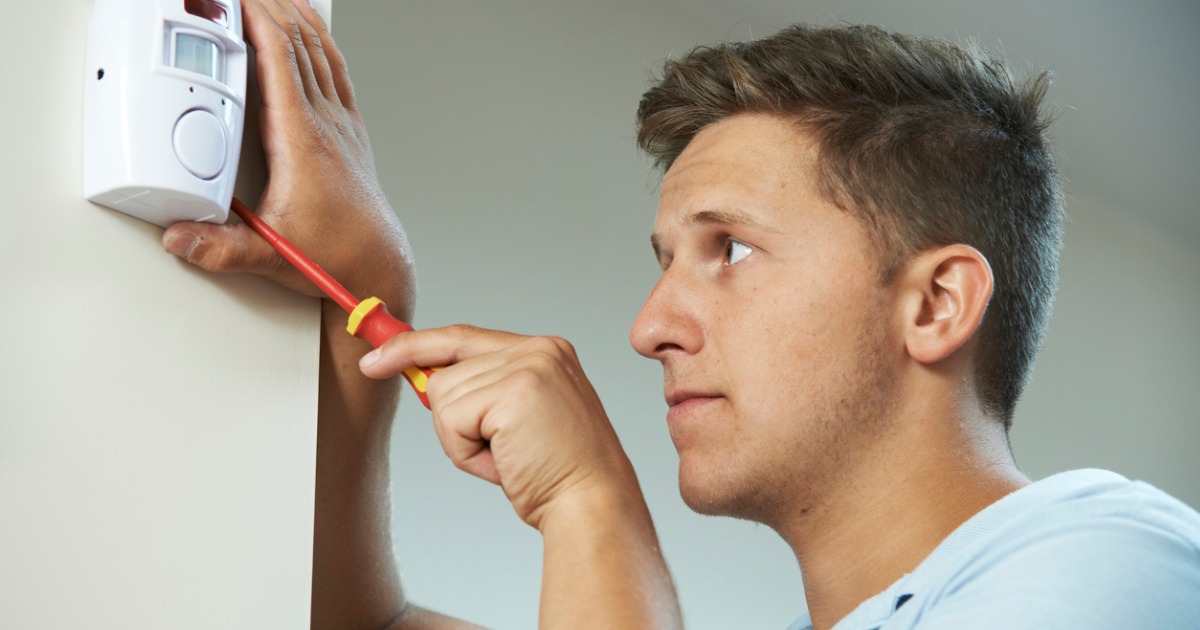
Who Owns ADT Alarm Systems After Install?
You’ve paid to have an alarm system installed in your home. Do you own the equipment? Most likely, but not yet if you contracted with a big-box home security company like ADT. Payment Plans for Equipment Most people sign up on special offers in which they will pay an installation fee for the equipment, but…

How to Make Your First-Floor Apartment Safe
In business, getting in on the ground floor is great. You are part of a plan early on to gain an advantage. When it comes to apartment-dwelling, however, getting in on the ground floor is only an advantage in some respects. It’s easier for you and your pets to get in an out, it’s easier…

Fire Safety Procedures for the Workplace
The bad news—a fire breaks out in your workplace. The good news—you are ready because you have done your homework and prepared for the possibility of an emergency. Emergency Action Plan The Occupational Safety and Health Administration (OSHA) requires most employers to have an emergency action plan for various scenarios, including fires in the workplace. There are…

7 Tips For Small Business Security
We hope it never happens to you, but workplace crime is something that all business owners should be prepared to encounter. With one-third of our life spent at work, it is an important place to secure and monitor for your safety, and that of your employees. Luckily, there are many simple, proactive steps you can…
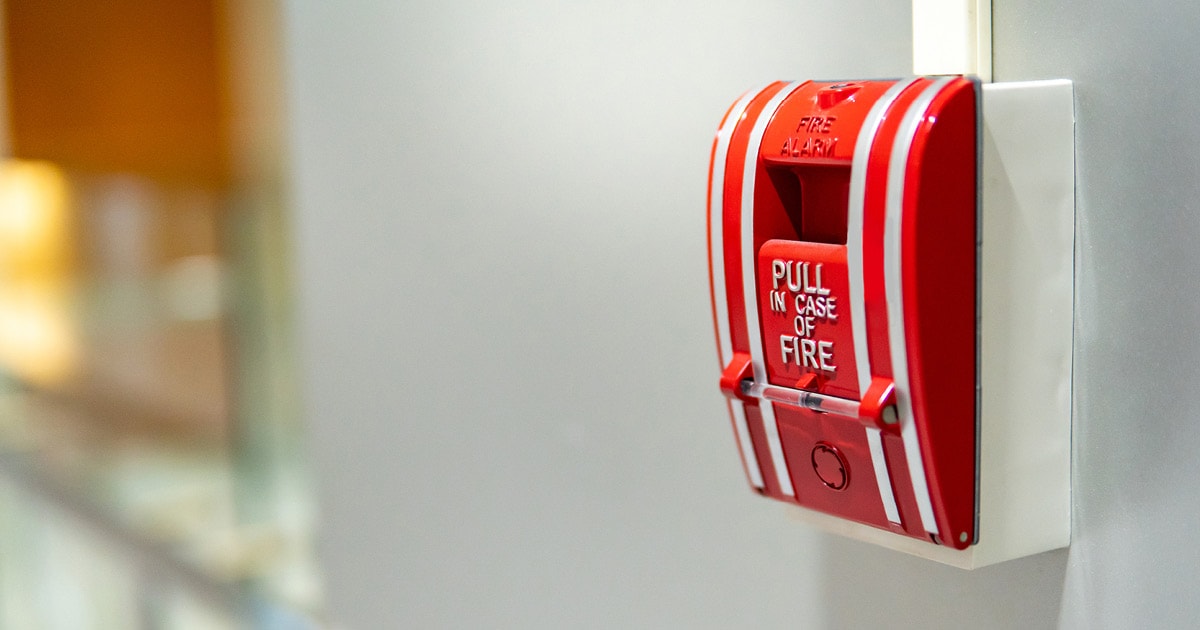
FAQs About Fire Alarm Inspections
Fire alarm inspections are a critical part of protecting people, property, and business continuity. For commercial building owners, property managers, and facility teams, these inspections are not just a regulatory obligation—they are an essential safeguard that helps ensure fire alarm systems will function when they are needed most. Understanding how fire alarm inspections work, what…