5 Ways Your DIY Security System is Failing You
In the digital age, DIY projects are the rage in all things, including home security. People turn to DIY home security because it seems easy and can save you a few bucks. Unfortunately, you really do get what you pay for if you choose a DIY security system.
Whether you are a homeowner, a business owner, or a landlord, there are many different security laws and considerations to take into account as you plan an alarm system. For example, some landlords may not know whether a video doorbell can be used in their apartment building, or whether wired or wireless alarms are the right choice.
False Alarm
Ever since do-it-yourself security systems like Ring or Simplisafe hit the market, first responders have seen a significant increase in nuisance alarms. Most homeowners are not trained security professionals and don’t always understand the nuances of installing a home security system. Some of our customers have left to use a DIY system, but 86% of them have returned within the first year because they can’t get their equipment to work properly.
The biggest problem we’ve seen are false alarms from improper installation and poor-quality equipment. It can be challenging to select the correct locations for video cameras or sensors and using the equipment without being fully educated on the features can lead to false alarms.
Poor WiFi Signal
Almost all DIY home security systems connect through your home WiFi internet connection. Residential internet can drop without notice and this can cause the security system to fail to reconnect automatically. If your equipment can’t connect to the internet, your system can’t communicate with the monitoring center. This will leave your home and family unprotected.
Additionally, depending on the video quality and storage options, your home internet speed may be affected by your home security system. Making sure you have the correct wifi set up is important and is a factor in your DIY set up process.
Power Loss
What happens if your home loses power due to a storm or outage? Most homes don’t have a battery backup for their WiFi or any plugged-in appliances. If it’s not backed up with a battery and your home loses power, you will lose internet and security protection. Even if your DIY alarm system does have a battery and may continue to work during a power loss, you might lose connection to the monitoring center. Your system could require a manual reboot to turn back on. This means, if the power goes out while you are on vacation, your alarm system could be deactivated for days before you return.
Easy to Hack
DIY security systems use common WiFi transmitters and some do not require two-factor authentication to log in. This leaves the system open to hackers, who can disarm the system, rendering your DIY security alarm ineffective. Moreover, DIY systems typically only have one communication path, which also makes it a danger. All a burglar would have to do is search the internet to find which frequency your system is on and jam the communication frequency.
Unless homeowners are conducting daily tests on their system, they are unlikely to notice an issue.
Feature Limitations
The difference between a professionally installed alarm system and a DIY alarm, is that with DIY, you are only getting a burglar alarm and maybe a smoke detector. Professional home security systems allow you to not only monitor your home security, but to monitor fire and carbon monoxide, as well as provide the added convenience of home automation.
While a do-it-yourself system might sound like a good idea now, monthly fees and time requirements may end up costing you more money in the long run. Professional systems are more affordable and reliable than you think. They can usually be installed in less than a day and you can rest assured that there is a professional security team backing you up. These professionals also know to look for things like windows that are blocked by shrubbery or doors that can’t be seen and can plan your system layout accordingly.
Let our professionals help you design a system that fits your home, family, and budget. We have multiple options for financing, and we can show you why you should choose a professional to protect your home rather than a system from the internet or a cable provider.
Explore Our Other Blogs
Can You Get in Trouble for Breaking into Your Own House?
Is it legal for you to break into your own house? Yes, you can get in trouble for breaking into your own house—at least temporarily. If the police are notified that there is a break-in at a residence, either by a neighbor or a security alarm, they can detain or arrest you until you can…

Has My Home Security System Been Hacked?
With more DIY security systems than ever available with the touch of a button, families around the world are choosing to protect their homes with easy to install cameras and alarms. The expert team at FSS Technologies aims to help homeowners make the right choice for their families when selecting a home security system. A…
What Is CCTV Footage?
CCTV stands for closed-circuit television, in which video cameras transmit a signal to a specific, limited set of monitors. Wired and wireless cameras in a CCTV system are usually used for surveillance and security purposes. The footage can help prevent crime, aid in the capture of a suspect if an offense occurs, or serve as…

3 Ways Security Contracts Help You
Are Contracts Required with All Security Companies? No. Not all security companies require a contract, but that doesn’t necessarily mean a no-contract company is a better option. There are pros and cons to contracts. The key is to know what you are paying for in a contract and details about the reputation of the company….
Holiday Security Tips
It’s a beautiful time of the year, but the holidays come with some inherent risks that you should prepare for amidst all the gift buying, cooking, and decorating. Here are some of our top holiday safety tips to keep your home and loved ones safe over the season. Theft and Burglary Prevention Do not put…
What are the Best Outdoor Security Cameras?
Outdoor security cameras do more than record what happens around a property—they help you see clearly, respond faster, and document events when you need answers. Whether you’re protecting your home’s front porch and driveway or monitoring your company’s parking lot, loading dock, or perimeter gate, the “best” outdoor security camera is the one that fits…

Types of Fire Alarm Systems
How Does a Fire Alarm Work? Fire alarm systems have two main functions: Alert the occupants of a building to a fire emergency enabling a safe evacuation Notify firefighters of the fire emergency. Options for Fire Alarms Manual Fire Alarms Manual fire alarms, also known as manual pull stations, are a way for people to alert…
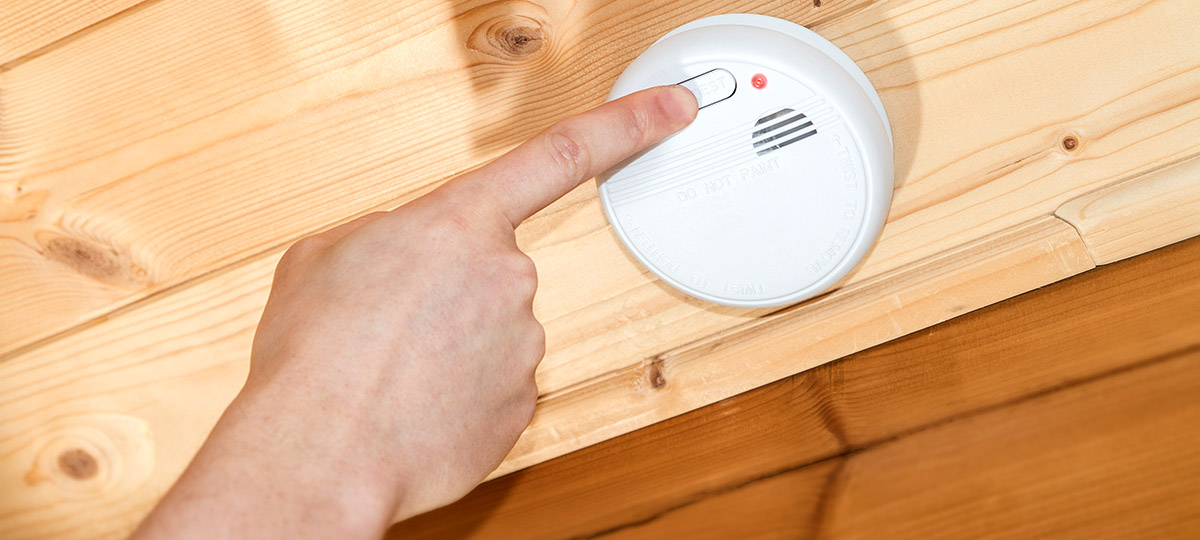
How Often Should You Check Your Smoke Detectors?
Fire Alarm Testing Whether your fire alarm is protecting your home or a commercial facility, regular testing of your fire alarm system is critical to ensure it is working correctly. This test guarantees that everyone occupying the home or office understands what to do when the fire alarm sounds, gives you a chance to check…

How Your Internet Speed Affects Your Security System
Internet speed is a precious commodity in today’s connected homes. Internet speed is responsible for how quickly or slowly data moves from the internet to the application on your computer. Things like your mobile phone, television, computer, gaming system, and even appliances use the internet. And your home security system probably does too. The average…
Elements of a Business Security System
How can I secure my business? A business security system needs to protect people, property, and assets from theft, crime, and fire at all times of the day and night. The people walking in and out the doors of a business are not only its owners, but customers, employees, vendors, and suppliers who have varying…