POTS Phase-Out: Impact on Life Safety Systems
When businesses hear about the POTS line phase-out, they often think only of desk phones. In reality, traditional copper phone lines have supported a much wider range of building systems, including fire alarms, security systems, elevator phones, and more. As carriers continue moving away from copper infrastructure, those connections may become more expensive, less reliable, or harder to support over time.
The POTS line sunset can seem simple until you take a closer look at how many critical systems still rely on these connections. If those systems aren’t identified and updated in time, you could face service interruptions, operational issues, or compliance concerns. Keep reading to learn which systems may depend on POTS lines, how much time you may have to plan, and what steps you can take to reduce disruption.
What is a POTS line?
POTS, short for “Plain Old Telephone Service,” is the traditional analog phone service delivered over copper telephone lines. For decades, POTS lines were a dependable option for basic voice communication and other low-bandwidth connections. Because they were widely available and relatively easy to deploy, these lines also became a standard option for connecting many business-critical systems.
In commercial buildings, POTS lines have often supported more than landline phone calls. They’ve been used to connect a range of systems that help businesses communicate, monitor operational activity, and keep facilities running safely. As a result, many organizations still have POTS-dependent equipment and systems in place, even if they no longer rely on traditional landline phone services.
POTS lines have often been used for systems such as:
- Fire alarm panels
- Burglar and intrusion alarms
- Elevator emergency phones
- Gate and entry systems
- Fax machines
- Point-of-sale terminals
- Remote monitoring equipment
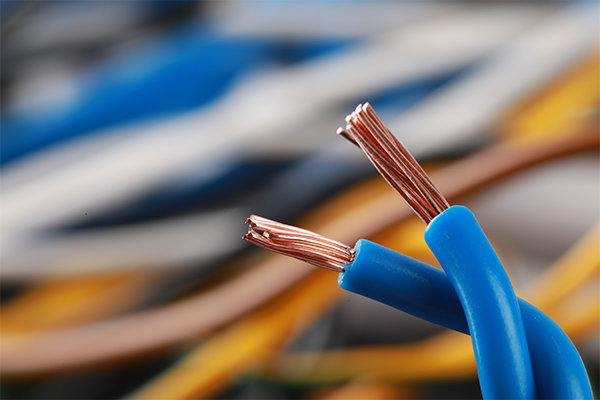
This is why the POTS line phase-out is not simply a phone system issue. A business may no longer think much about its analog lines until one of these connected systems becomes more costly to use or vulnerable to service disruption. When you view POTS as part of your overall life safety and security infrastructure, it becomes easier to see why planning ahead matters.
Why are POTS lines going away?
POTS lines are being phased out because the copper networks that support them are aging and more expensive than newer options. As providers continue investing in IP-based and wireless technologies, many are shifting away from legacy copper infrastructure. For businesses that still rely on analog connections, that change can make POTS lines harder to justify as a long-term solution.
What systems could be affected by the POTS line phase-out?
The POTS line sunset may affect your business—even if you don’t use landline phones. In many commercial buildings, analog copper lines still support systems tied to safety, security, and day-to-day operations. If one of those connections becomes unreliable or too expensive to maintain, it can disrupt certain security and life safety systems, ultimately impacting how your building functions as a whole.
Fire alarm and life safety systems
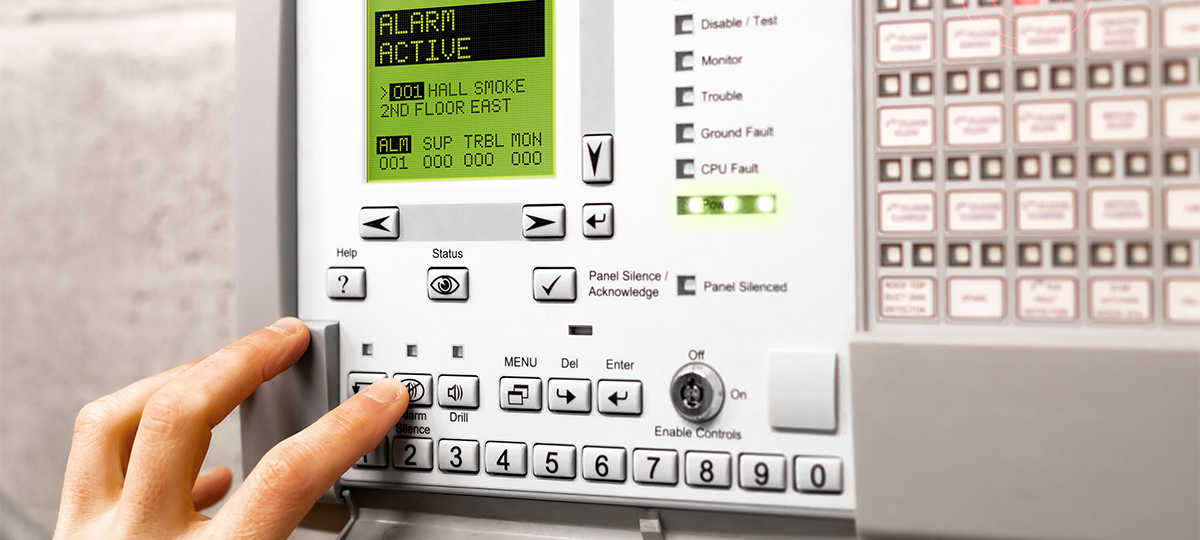
Some older fire alarm panels and systems still use POTS lines to communicate signals to a monitoring center. If those lines become unstable or unsupported, it may affect signal transmission in an emergency and create compliance concerns. This is one of the most important systems to review first because any communication path tied to life safety needs to remain dependable.
Security and intrusion systems
Hardwired security systems have also commonly relied on POTS lines for monitoring and signal transmission. As analog service becomes less practical, these systems may face a greater risk of communication issues or higher service costs. For businesses that depend on security monitoring companies, this can create both operational and liability concerns.
Elevator phones
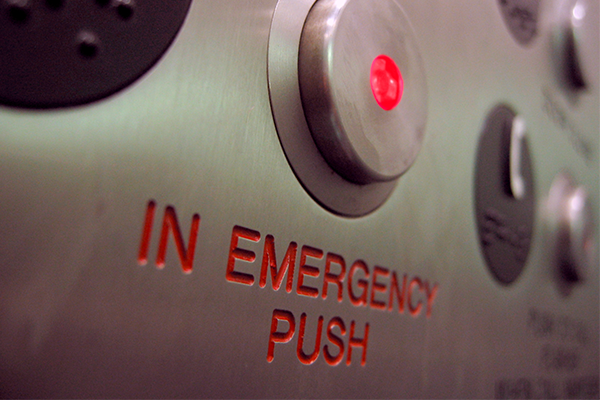
In multistory buildings, many elevator phones still use analog lines to provide emergency communication for passengers. If a POTS-connected line is no longer reliable or available, that can become a serious issue for both safety and code compliance. These phones are often only noticed when there’s a service issue, making them one of the most common ways businesses realize they still rely on copper lines.
Access control systems
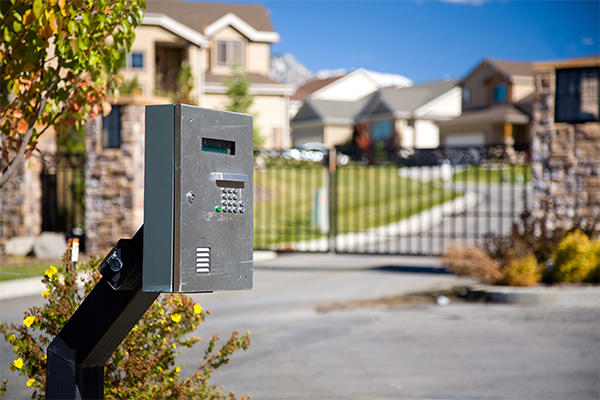
Some older gate controllers, call boxes, intercoms, and other devices in access control systems were originally installed with analog phone line connections. When those lines are affected, visitors, tenants, or staff may have trouble reaching the right contact or gaining access as expected. In busy facilities, this can quickly turn into both a security issue and a disruption to daily operations.
How much time does my business have to switch from POTS lines?
The answer depends on your carrier, your location, and the systems still connected to analog service. While industry projections suggest that POTS lines will go away by the end of 2029, the phase-out isn’t happening in exactly the same way for every business or market. Some providers have already reduced or eliminated support for copper lines, while others may continue offering service in certain areas for longer.
That’s why the better question is often not, “What is the one final shutdown date?” Instead, you need to ask yourself, “How exposed is my business right now?” A business that still relies on analog lines for critical systems may need to move more quickly than one with fewer dependencies or stronger carrier support in its region.
Your business may need to act sooner if:
- Your carrier has issued migration, discontinuation, or service change notices
- Monthly costs for your existing lines have increased significantly
- Repairs or replacement lines are becoming harder to obtain
- The affected system supports fire alarm, security, elevator, or emergency communication functions

What can I use instead for life safety and security systems?
In many cases, businesses use IP or cellular communication options to replace POTS lines. What makes the most sense for your situation depends on your systems, the building you’re in, and any applicable code or performance requirements in your area. While the replacement method may vary, the overall goal is the same: maintain a reliable communication path without depending on aging copper infrastructure.
For example, your fire alarm system may be upgraded with an IP-based communicator, while your security system may shift to a network or cellular connection. Elevator phones, gate systems, intercoms, and other legacy devices may also require compatible solutions to continue operating as intended. In some cases, that may involve adding a new communicator or replacing older equipment with newer models.
What are the risks of waiting too long?
Waiting too long to address the POTS line phase-out can create more than just a budgeting issue. In many cases, the larger risk is losing the time needed to plan carefully and make informed decisions. What seems like a simple phone line replacement can quickly become more complex when multiple systems, vendors, and compliance requirements are involved.
If the transition is handled at the last minute, you may face challenges such as:
- Service interruptions
- Monitoring or communication failures
- Compliance concerns involving life safety or emergency systems
- Limited availability of compatible equipment
- Installation and testing delays
- Pressure to make rushed replacement decisions
Planning early for these changes is especially important in larger buildings, older facilities, and multi-location environments where analog lines may still support multiple systems. A delay in one area can affect the timelines of others, particularly when upgrades require new equipment, updated software, or coordination across multiple service providers.
What should I do to prepare my business for the switch?
You do not need to replace every POTS-connected system at once, but you do need to understand where your business is still exposed. The most effective approach is to treat POTS line replacements as both a technology issue and a risk management issue. If you identify affected systems early, you may be better positioned to control costs, avoid rushed decisions, and maintain continuity across critical operations.
Here are five practical steps that can help you prepare:
- Identify which systems may still use POTS lines: Check your fire alarm systems, intrusion systems, elevator phones, gate and entry systems, and other legacy equipment. Many businesses discover they still have POTS-dependent devices long after moving away from landlines for everyday phone service.
- Prioritize critical systems first: Once you know where POTS lines are in use, determine which systems are most important. Fire alarms, elevator emergency phones, intrusion monitoring, and other life safety functions should be reviewed first because they pose greater operational and compliance risks.
- Review carrier notices, service history, and costs: Check for migration notices, discontinuation updates, rising monthly charges, or signs that getting lines repaired or replaced is becoming more difficult. In many cases, these changes are the clearest indication that you may need to act sooner.
- Evaluate replacement options for each system: Not every POTS-connected device can be migrated to the same solution. Your next step may involve switching to an IP or cellular communicator, upgrading devices to network-connected hardware, or replacing the entire system.
- Build a transition plan before the change becomes urgent: Once you know which systems are affected, create a plan that fits your timeline, budget, and operational priorities. A phased approach is easier to manage than a rushed response after a carrier deadline, service issue, or unexpected failure.
Future-proof your systems with FSS Technologies
Managing the POTS line phase-out is easier when you have a clear plan and the right support behind it. If you’re unsure which systems in your building still rely on analog lines, or whether past updates may affect monitoring, communication, or code requirements, an experienced life safety and security team can help you identify what needs attention and determine the next steps.
Your business can stay ahead of changing requirements with full-service fire, life safety, and security support from FSS Technologies—whether you need recurring system inspections, ongoing maintenance, or periodic upgrades. If you’d like help assessing POTS-dependent systems, reviewing replacement options, or confirming that your current systems are reliable and code-compliant, contact our team today.
Explore Our Other Blogs
Where Should Smoke Detectors Be Placed?
Smoke Detector Placement Fire can spread extremely fast. In just minutes, a building can be fully engulfed in flames. Smoke detectors are critical to give people inside homes and commercial buildings early warnings so they have time to get out. Proper smoke detector placement is also key when it comes to keeping your home or business safe. Residential Smoke Detector Placements At a minimum, The National Fire Protection…
Fire Alarm Troubleshooting Tips
Your commercial fire alarm system plays a critical role in protecting your building, occupants, and operations. When it works as intended, it provides early warning and supports a safe, coordinated response from your team and first responders during an emergency. When it doesn’t, even small issues can lead to compliance concerns, inspection findings, or unnecessary…

Fire Systems for the Restaurant Industry
Companies in varying industries face fire hazards in their standard operations to a certain degree. Businesses that operate commercial kitchens, however, are at significant risk for fire-related hazards because cooking equipment is a leading cause of commercial fires. According to the U.S. Fire Administration, an estimated 50% of non-residential fires were caused by cooking in…

NFPA Standards for Commercial Fire Protection
Fire protection is highly regulated and technically complex. Commercial fires cause billions in property damage each year and pose serious risks to life, property, and legal liability. The National Fire Protection Association (NFPA) establishes standards to ensure businesses implement proper systems to prevent these outcomes. As fire protection technology evolves, so do the NFPA’s requirements….

8 Home Security Tips
With more than 45 years of experience in the home and business security industry, here are our top eight tips for discouraging intruders and burglars from targeting your home. 1. Create the illusion that someone is at your house. If you are going to be gone for an extended time, leave a light or TV…

What is Video Alarm Verification?
Video alarm verification is a tried-and-true technology that is an underused component in residential and commercial security systems. Video alarm verification adds an extra element to your overall security by partnering your security system with an alarm monitoring center. When an alarm is triggered, video alarm verification allows monitoring center employees to view the situation…

Landlord Security System Installation Guide
Buying a home is one of the most significant investments a person can make. You upgrade your home in many ways—a fresh coat of paint, a landscaping project, or possibly adding a security system. If you go a step further and invest in rental properties, you have to do all those things and more to…

How to Make Your First-Floor Apartment Safe
In business, getting in on the ground floor is great. You are part of a plan early on to gain an advantage. When it comes to apartment-dwelling, however, getting in on the ground floor is only an advantage in some respects. It’s easier for you and your pets to get in an out, it’s easier…
When Is Automatic Fire Detection Required?
A fire detection system is a good idea for your property, and many insurance companies offer discounts based on your level of protection. While not required in your private residence, the law does require automatic fire detection in a wide array of other facilities. Local Building Code Requirements Your state’s building code will spell out…

Theft Prevention Tips for Businesses
Theft, unfortunately, can take a wide variety of forms. Theft in a retail business might include the loss of physical property from shoplifting or can come in the form of embezzlement. In the retail sector, a 2019 National Retail Security Survey reported the average cost per shoplifting incident is $546.67. According to the 2018 Hiscox…