What Are Fire Alarm System Zones?
Fire alarm zones are standard in conventional fire panels. Each zone represents a different area in the building to help firefighters and professionals pinpoint the source of an alarm. However, it can be confusing to research fire alarm zones because they are not as common as they once were. Conventional and addressable systems handle communication for fire alarm system zones differently.
Newer and more commonly used addressable systems rely on points to determine the location of a fire. A point could be any device that initiates an alarm, such as smoke detectors, manual pull stations, or water flow switches that activate once heat reaches a system’s sprinklers. In any case, it’s essential to understand alarm zones and how they contribute to your building’s overall fire safety.
How do fire alarm zones work?
Fire alarm system zones are designated areas within a building where detection devices are grouped together. The size of each zone usually depends on a structure’s size, layout, occupancy, hazards, and other related factors. Most buildings organize fire alarm zones by floors, hallways, and stairwells. Still, zones ultimately depend on whether a facility uses conventional or addressable fire panels.
Conventional fire panels
A conventional fire panel is often used in small facilities and is a cost-effective solution for small businesses. With this type of alarm system, multiple devices are on a pair of wires. Instead of individual identification, any point on a specific wire can trip the alarm and only be identified as being in Zone “X,” not as the devices themselves.
The main downside to zones on a conventional fire panel is that they only identify an area of the building instead of pinpointing an exact device and location of a fire. For example, the first floor of a building could be Zone 1, and the second floor could be Zone 2. The size of each floor could create guesswork as to where the fire is located, giving first responders a less-than-ideal situation with minimal context.
Addressable fire panels
Addressable fire panels, on the other hand, give every device a uniquely identifiable address. When a fire is detected, the main control panel tells you exactly which device is going off and where it’s located, eliminating the need to create and label zones. This setup is enormously handy when you are protecting a large area or multistory building, which could have up to 20,000 points throughout the facility.
Additionally, addressable fire panels can be networked together across locations. For example, let’s say you have a school district with three or four schools. All the schools would have their own panels, and the entire set could be networked to another main panel in the superintendent’s office. The superintendent would then be able to keep watch over the whole district and see where an alarm is coming from inside the building.
Another advantage of addressable systems is troubleshooting. For example, if a smoke detector is faulty, the system will let you know that it needs to be replaced. If a device is not communicating correctly with the panel, the system will notify you of the problem. These are just a few of the many features that make addressable fire panels a requirement of most local fire codes.
How should my business handle fire zones?
In today’s fire alarm market, conventional panels are primarily used for monitoring water flow and tamper switches for sprinkler systems. At FSS, if you require anything more, our professional recommendation is to use an addressable fire alarm system in your building. Doing so gives you more control over identifying devices and hazards, meaning your business has a better chance at faster emergency response rates.
Deciding on the best type of fire protection system for your facility and budget can be challenging. Understanding, designing, installing, and maintaining these systems requires a unique skill set. At FSS, we can work with you, your architects, engineers, and local authorities to ensure your system meets all codes and your company’s specific needs. Contact our expert service technicians and customer care specialists to explore your options.
Explore Our Other Blogs
Does My Business Need an Access Control System?
Does My Business Need an Access Control System? Before determining whether your business could benefit from an access control system, let’s go over the different types and their capabilities. In short, an access control system is a type of security system that lets you control who, where, and when someone can enter or exit your…

Theft Prevention Tips for Businesses
Theft, unfortunately, can take a wide variety of forms. Theft in a retail business might include the loss of physical property from shoplifting or can come in the form of embezzlement. In the retail sector, a 2019 National Retail Security Survey reported the average cost per shoplifting incident is $546.67. According to the 2018 Hiscox…

How is a Fire Sprinkler System Designed?
While fire sprinkler systems seem the same at first glance, there’s no one-size-fits-all solution for all commercial properties. Depending on a structure’s needs and circumstances, fire sprinkler systems use different combinations of various components. The ideal design should accommodate the unique features of each industry, layout, and operation. Whether you’re looking to install a fire…
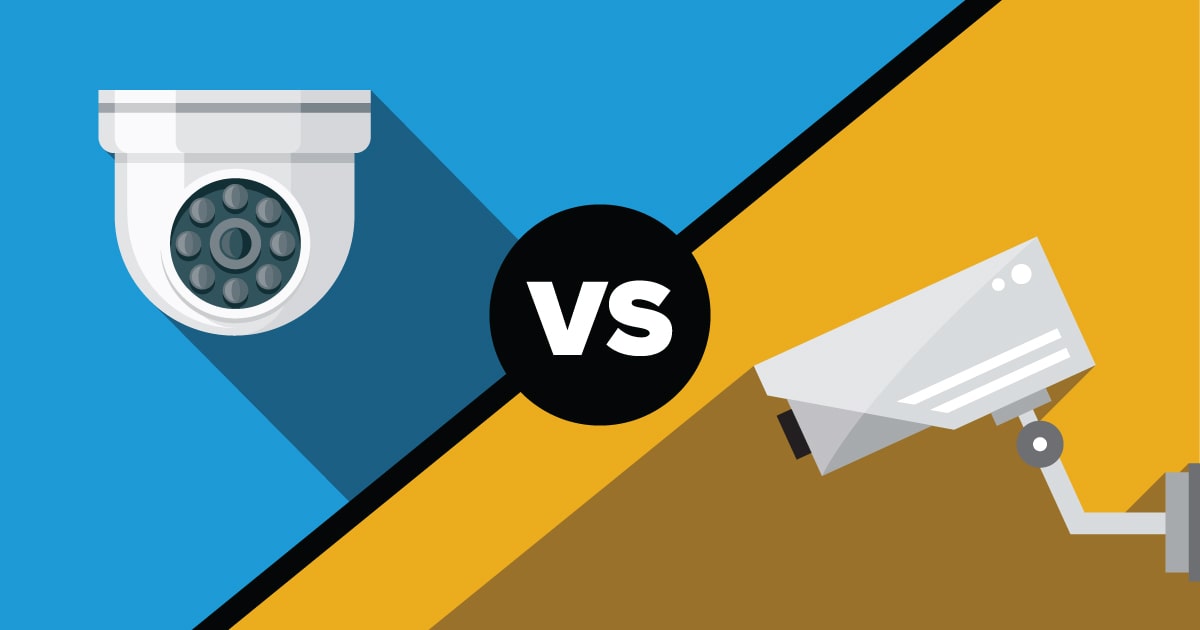
What is the Difference Between Dome Cameras and Bullet Cameras?
Security cameras are an integral part of a security system in any home or business. They give you access to a video stream of what is happening inside a building or on your property while also giving the owner the ability to look back on footage if necessary. There are many different types of CCTV cameras out…

DIY Home Security Cameras
DIY Security Systems Are the New Fad There are many pre-configured, DIY home security system kits on the market. They are sold under various brand names including Ring, Nest, SimpliSafe, and others. The basic idea of a DIY home security system is that you pay one low fee to purchase all of the equipment and…

What is Video Alarm Verification?
Video alarm verification is a tried-and-true technology that is an underused component in residential and commercial security systems. Video alarm verification adds an extra element to your overall security by partnering your security system with an alarm monitoring center. When an alarm is triggered, video alarm verification allows monitoring center employees to view the situation…

5 Common Fire Safety Violations
For business owners, maintaining a commercial fire safety system is crucial for day-to-day protection. Ensuring your system and its components are in order is especially important when your business’ fire inspection occurs each year. Even if you do everything you can to prepare for your next fire inspection, you may only realize you missed something…

Cost of Home Security Systems
Getting a security system for your home is a wise investment. While the obvious benefit is protection for your family, home, and belongings, it’s hard to put a price on the peace of mind that comes from knowing that you and your family will have professional help in case of an emergency. Still, you must…
How Savance Workplace Can Work for You
Savance Workplace is one of the nation’s leaders in workforce management solutions, offering tools that help declutter your company’s processes and optimize your productivity. With a wide variety of fully customizable products branded for your business, Savance Workplace can help your organization take its efficiency to the next level. As a trusted partner of Savance…

Can a Security System Save My Business Money?
If you’re a business owner, you know the importance of weighing the pros and cons of major purchases before making them. A commercial security system is one of the higher-ticket items that can cause the most significant hesitation. While they can take large investments to purchase, install, and maintain, security systems can offer long-term savings…