The Only SimpliSafe Review You Need to Read
What is SimpliSafe?
SimpliSafe is one of several do-it-yourself home security systems on the market. The challenge with any DIY home security system, in our opinion, comes down to the customer experience. SimpliSafe’s customer support offers minimal assistance to ensure you adequately install and troubleshoot your system. While they do provide an 800-telephone number, the phone lines are unfortunately not always open.
More than half of Americans have abandoned a purchase with SimpliSafe because they had a negative service experience, and 33 percent say they’ll consider switching companies after just a single instance of poor service. We see this all too frequently with customers who purchase a DIY security system. Roughly 40 percent of people who buy one of these systems return them within one month. Why? Because they are not as simple to set up and operate as the company claims.
Wireless Interference and Other Location Issues
Wireless interference is a common problem with DIY security systems sensors. All the components of the security system—cameras, sensors, etc.—communicate with one another over a wireless connection.
However, there are also many devices in your home communicating on these same wireless frequencies:
- Your smartphone
- Bluetooth devices
- Wi-Fi
- Car alarm
- Microwave oven
- Video devices
- Even your neighbors’ devices, depending on how close your homes are to one another
It takes time and experience to know how to troubleshoot these interference issues. This kind of troubleshooting performed best by an on-site professional installer, saving customers hours of frustration. An over-the-phone agent cannot troubleshoot this kind of problem properly.
Numerous other location issues often prevent a DIY security system from working correctly as well. Garages and basements, for example, that have thick walls may present a communication challenge for DIY systems. Sensors can only be a certain distance away from the central receiver to function correctly, and sensors need to have a line-of-sight connection to the primary receiver, or they won’t work correctly. All these unplanned issues can turn what was supposed to be a simple process into a complicated mess.

Wi-Fi bandwidth issues are another common frustration with DIY home security systems. While you don’t necessarily have to connect the SimpliSafe system to Wi-Fi, even the company’s website states that the refresh time on the mobile app will be better if you use it.
However, there are many devices in your home competing for internet bandwidth. Upload and download speeds of your internet provider, the type of video signal you need to send, and the number of cameras you want on your security system can all have a massive impact on the success of your set-up and installation.
For homeowners hoping to incorporate home automation functionality along with security, SimpliSafe also isn’t the right choice.
SimpliSafe isn’t compatible with most third-party home automation systems. And while SimpliSafe can integrate with Amazon Alexa and Google Home voice automation systems, you must have an interactive monitoring plan to integrate them.
Before jumping in headfirst and purchasing a DIY home security system, it’s helpful to talk to a professional, local security company in your area.
A reputable local home security professional offers numerous home security components from a wide variety of manufacturers, and the equipment meets all NRTL (Nationally Recognized Testing Laboratory) standards, offering the highest level of protection from exploitation and hacking.
The equipment your local professional has today is every bit as cool as what you see on TV—touchscreen alarm keypads, video doorbells, smart thermostats, door locks, and so much more.
Most importantly, when it comes to customer service, a local home security company has professionally trained staff with years of experience to install and service your system now and for years to come.
Explore Our Other Blogs

What are the NFPA Standards for Commercial Fire Protection?
Fire protection is highly regulated and technically complex. Commercial fires cause billions in property damage each year and pose serious risks to life, property, and legal liability. The National Fire Protection Association (NFPA) establishes standards to ensure businesses implement proper systems to prevent these outcomes. As fire protection technology evolves, so do the NFPA’s requirements….
5 Reasons Why You Need a Home Security System
A home security system protects your home and the ones you love. While there are many reasons you may need to invest in a home security system, we have highlighted some key ones: 1. Peace of Mind Have you heard a noise in the night and ever wondered what made the noise? A home security…
The Benefits of Keyless Access Control
As your organization grows and evolves, managing physical access becomes increasingly complex. Traditional keys often struggle to keep pace with changing employee roles, multiple locations, and heightened security expectations. These issues don’t just cause minor issues—they create risks that can impact productivity, compliance, and overall security. Keyless access provides a modern approach to commercial access…

Choosing a Safe Neighborhood in Chicago
There are a lot of great places to live in Chicago. From the historic vibe of Printers Row to the ultra-stylish River North, there are neighborhoods to fit every personality. But are they safe? It turns out, many of them are. According to Niche.com—which ranks neighborhoods based on crime, schools, cost of living, etc.—the short commuting times…
Security Cameras Are Not Created Equal
The Difference in Security Cameras Cameras are one of the most critical components in your security arsenal, and not all security cameras are the same. Why you ask? Consider these differences: Various types and sizes of cameras Indoor vs. outdoor cameras Cameras that are easy to camouflage Cameras that provide high-quality video footage Wired cameras vs. wireless…
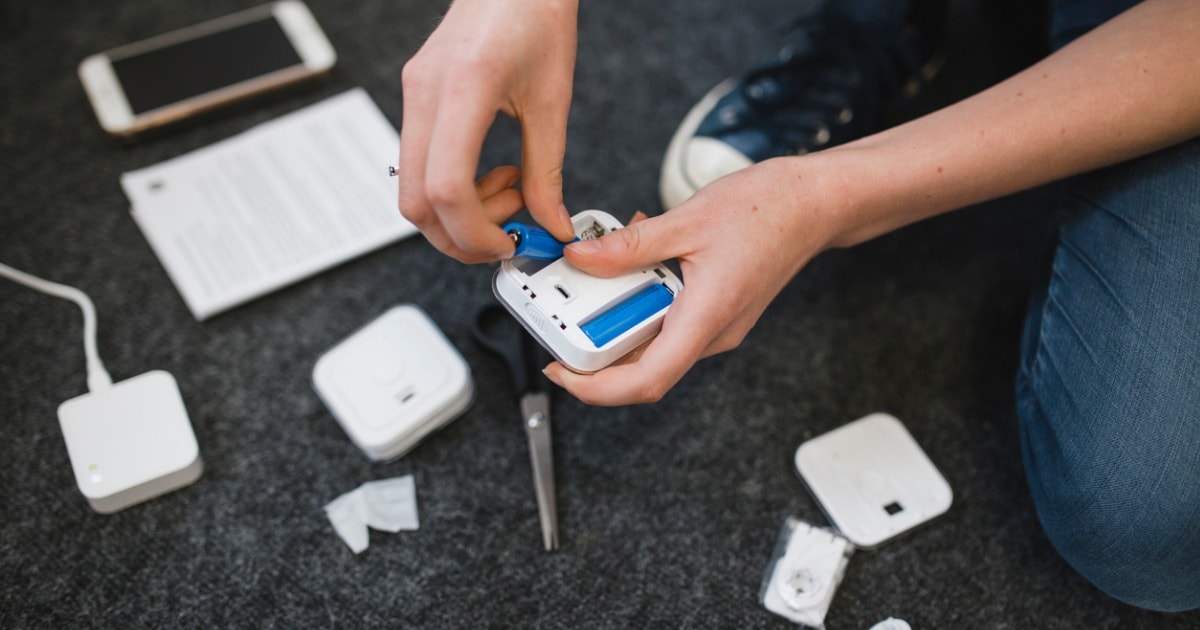
The Only SimpliSafe Review You Need to Read
What is SimpliSafe? SimpliSafe is one of several do-it-yourself home security systems on the market. The challenge with any DIY home security system, in our opinion, comes down to the customer experience. SimpliSafe’s customer support offers minimal assistance to ensure you adequately install and troubleshoot your system. While they do provide an 800-telephone number, the…

7 Ways Home Monitoring Keeps Your Pets Safe
Your family’s safety is at the forefront of your mind when installing a security system, and that includes your pets as well. When researching a security product that suits your needs, consider the ways that this technology can help your pets stay safe too. We have detailed some of the most common hazards as well…

Ins and Outs of Contract vs No Contract Security Systems
Many people see signing a long-term contract with a reputable alarm company as a stressful experience. In truth, contracts are in place to benefit both the alarm company and the homeowner. Developing a relationship and signing a long-term commitment to a security company allows you to get to know a team and benefit from the peace of mind that…

3 Ways to Prevent Shoplifting
Preventing shoplifting is a big deal if you’re a retailer. According to the 2018 National Retail Security Survey, shoplifting continues to be the leading cause of inventory loss for retailers. Loss of stock is a big deal in this country to the tune of nearly $47 billion. The survey also identifies the top ways retailers try…

How Commercial Security Monitoring Benefits Your Business During Quarantine
Instating work from home policies to protect your employees and help to stop the potential spread of COVID-19 is one step that organizations are taking to keep their company safe. But, with all your employees at home, how can you protect the other assets that make up your business? Regardless of the type of company…